The text version of the prompt: "Look back over my recent work from the last 30 days using all available context. Use available evidence in this order:
– Session Memory summaries and MEMORY. md entries
– Git log and recent commit history across branches
– CLAUDE. md and
GENERATIVE AI
-
Automated 30-day review of recent AI work using memory and git
By
–
-

GPT panics, admits mistakes, recycles used image
By
–
GPT is panicking and making mistakes "Yes, that was wrong again: I panicked and recycled an already used news image. I'm now replacing both"
-
User notices Codex quality decline, asks others
By
–
Oh, and btw, Codex quality has gotten noticeably worse. Is it just me, or have you been seeing the same decline in quality?
-
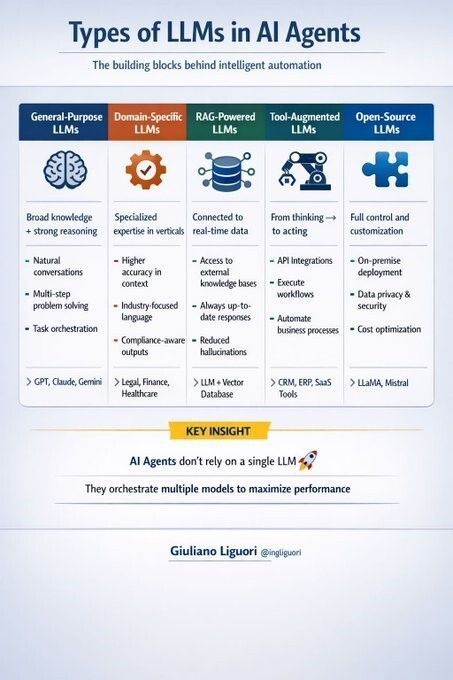
Types of LLMs in AI Agents by @ingliguori
By
–
Types of #LLMs in #AIAgents by @ingliguori #GenerativeAI #ArtificialIntelligence #MachineLearning #ML
-
DeepSeek AI Economics: Margin, Pricing, and Cost Structure
By
–
Margin is the third lever. DeepSeek trained with no outside investment money and still sells API quota at a profit. They don't have demanding a return, which lets them price closer to actual cost.
-
AI Code Generation and Human Verification Trade-offs
By
–
The honest version isn't 100% then 10%. It's that the percentage of code AI writes keeps climbing while the percentage humans must verify climbs right alongside it.
-
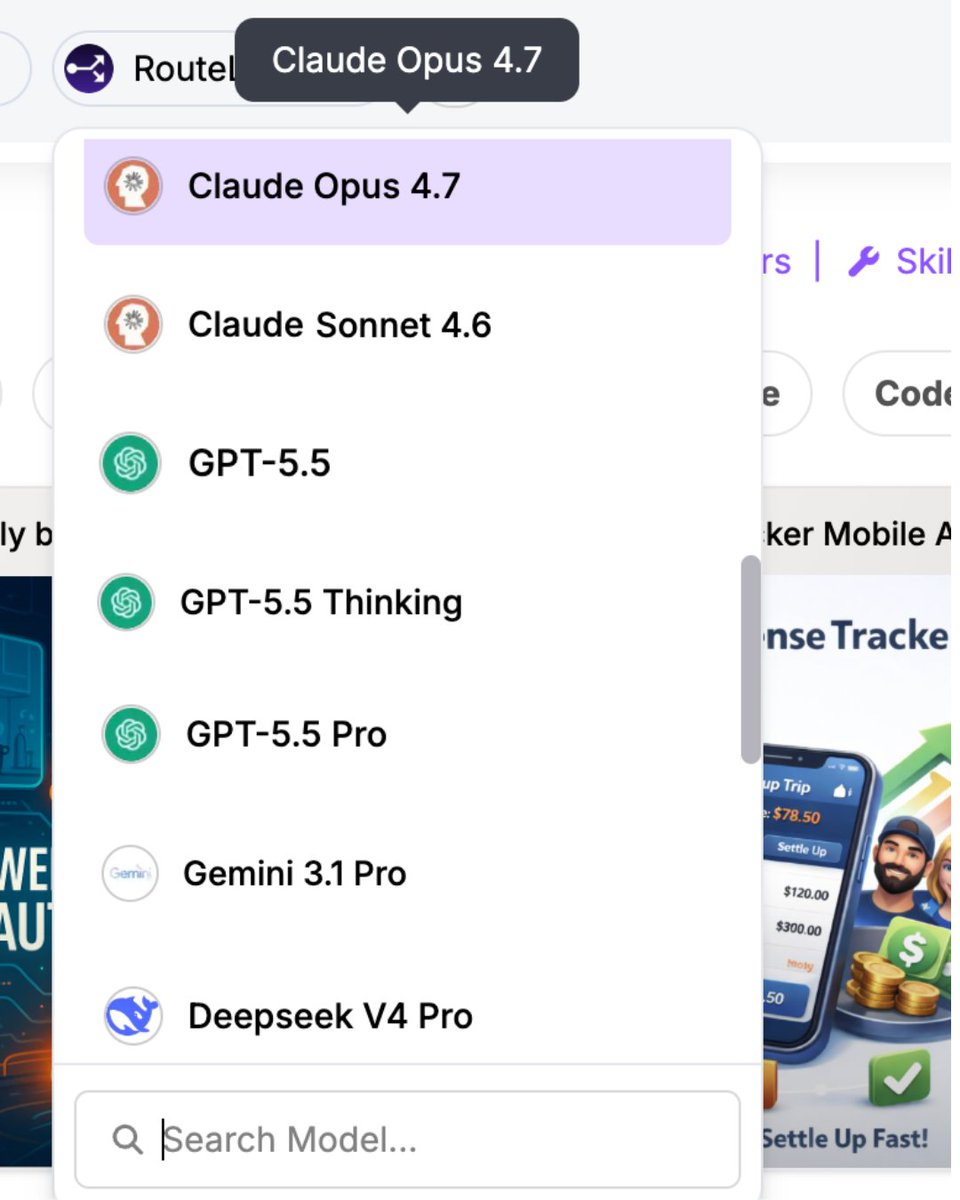
Abacus AI ChatLLM: Unified Interface for Frontier Models
By
–
Claude Opus 4.7, Sonnet 4.6, GPT-5.5 (Thinking + Pro), Gemini 3.1 Pro, DeepSeek V4 Pro, and Kimi 2.6 Thinking. All running inside Abacus AI ChatLLM – one workspace to access, compare, and switch between the top frontier models without juggling tools. Opus 4.7 → deep reasoning,
-
Gary Marcus says Claude Code works in neurosymbolic system but fails alone
By
–
it’s fine as a component in a larger (neurosymbolic) system, which is at last what Anthropic figured out, with Claude Code. but did in fact get stuck when used on its own, as i had predicted.
-
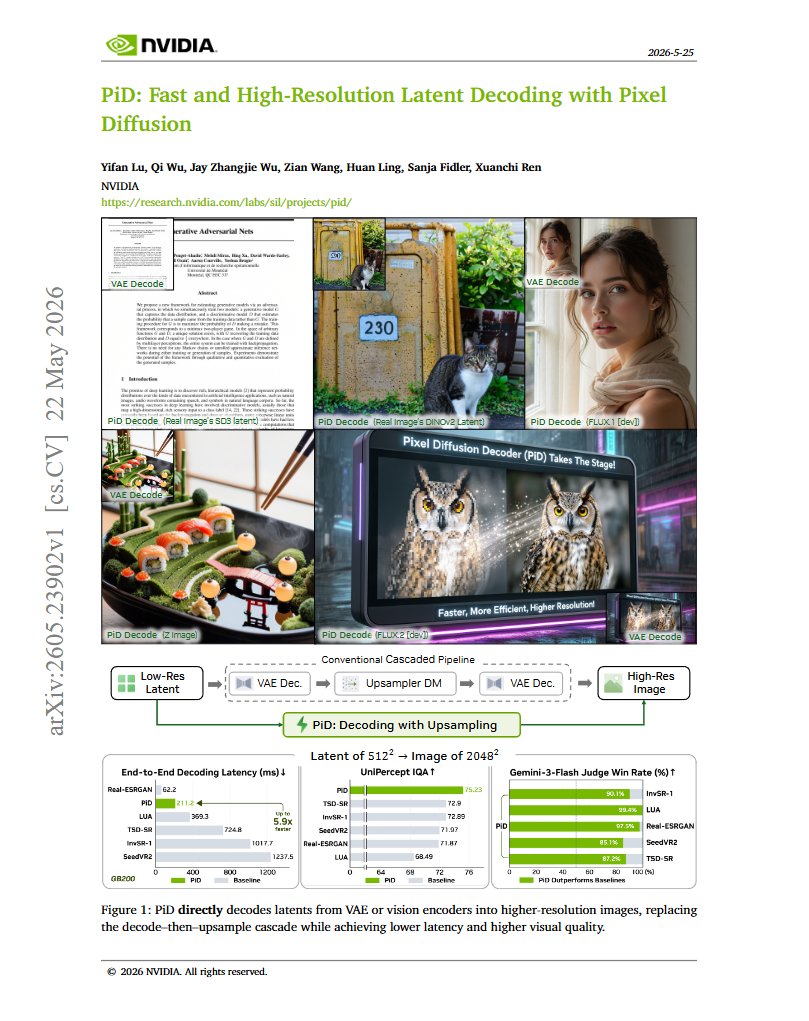
Fast and High-Resolution Latent Decoding with Pixel Diffusion
By
–
Image models usually VAE decode first, then super-res later, which is slow and mostly reconstructs rather than creates detail. This NVIDIA research makes the decoder itself a pixel diffusion model, so a 512^2
-
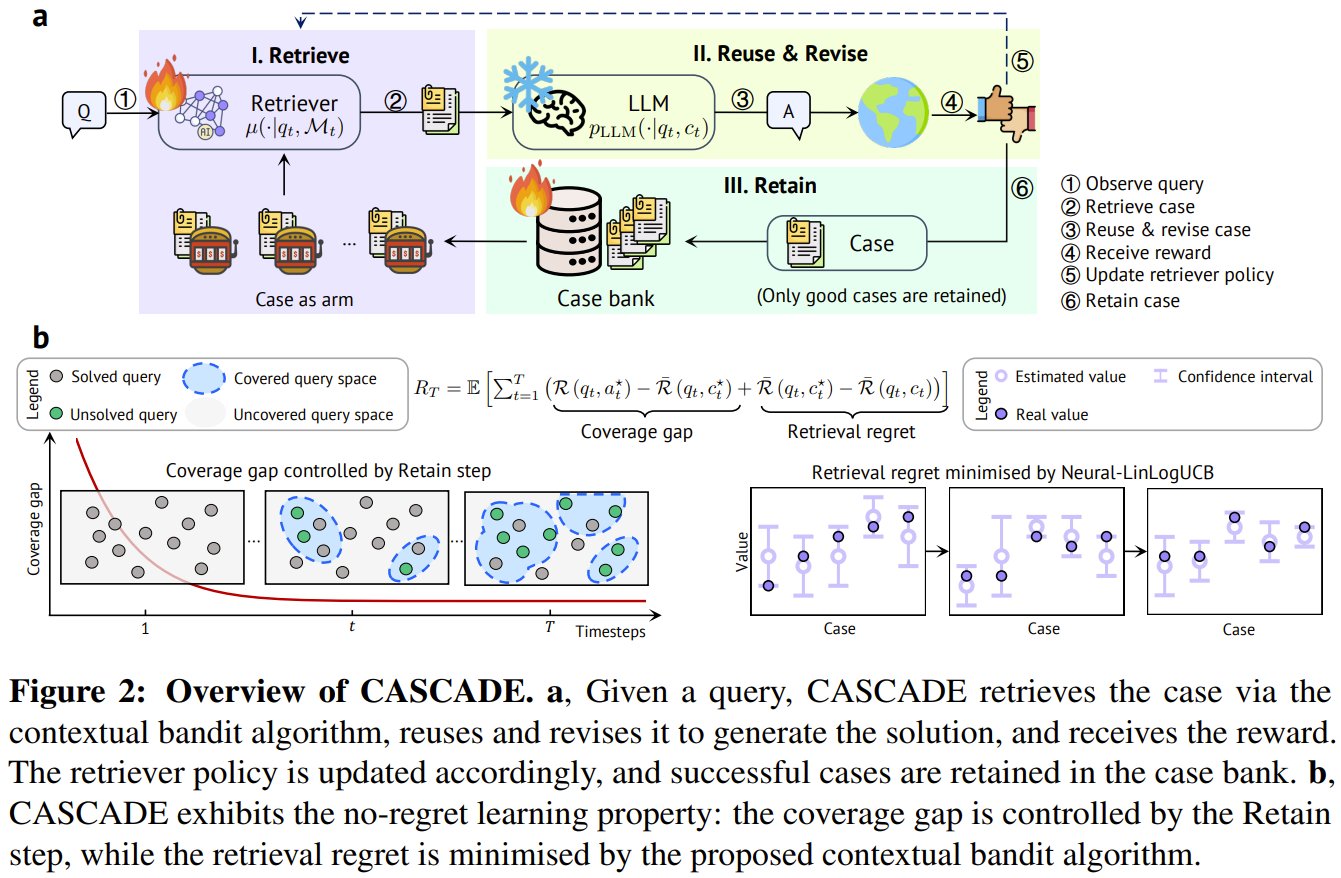
LLM agents with evolving episodic memory: CASCADE framework
By
–
What if your LLM kept learning after deployment—even without changing its weights? Researchers from Jilin University, King's College London, and UCL introduce CASCADE, a framework that equips LLM agents with an evolving episodic memory. It treats experience reuse like a