What is a vector databases? A vector database is a database system designed to store and search high-dimensional vector representations of data, such as text embeddings produced by large language models.
COMPUTING
-
Databricks SQL Warehouses Achieve 12x Better Price Performance
By
–
#DatabricksSQL warehouses provide up to 12x improved price performance over standard interactive clusters. You can now use Databricks Notebooks on SQL Warehouses to write and schedule Git-backed, multi-statement, and parameterized SQL
-
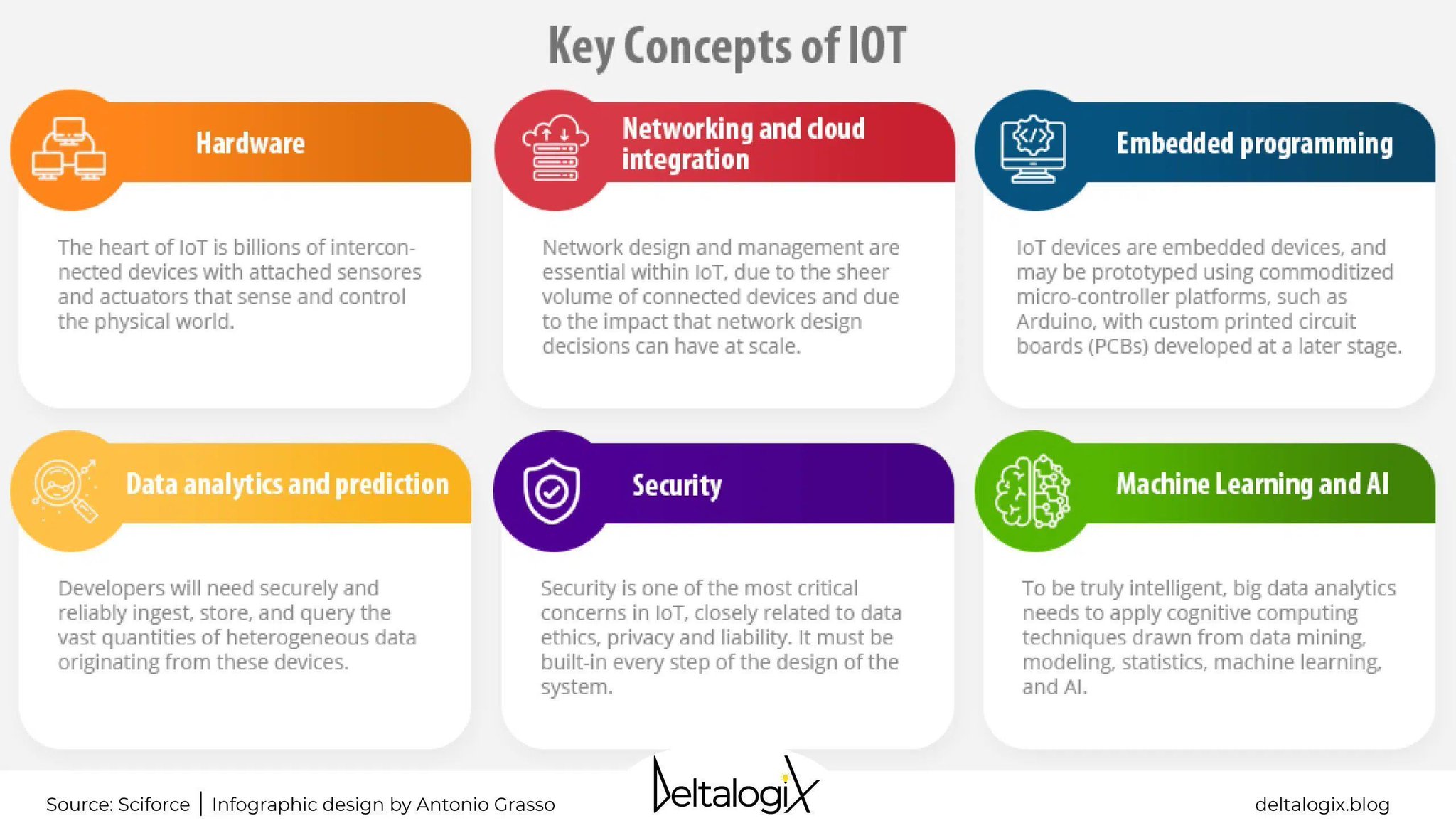
IoT Real-Time Data Collection Enables Proactive Business Operations
By
–
The IoT collects real-time data from everyday objects, improving connectivity and enabling businesses to be proactive. Read more on @DeltalogiX > https://
bit.ly/3FHpPP4 Subscribe to Newsletters > https://
bit.ly/3pick1U via @antgrasso #DeltalogixAdvisor #IIoT #IoT -
Jim Kxa Live on Linus Tech Tips Channel
By
–
Check out @jimkxa live on @LinusTech —> https://
youtube.com/watch?v=OnVUXC
9Fou4
… -
GPT-2 Activation Memory and GPU Cache Analysis
By
–
Makes sense, in GPT-2 (124M) case we're currently doing B=4, T=1024, C=768 => 3M activations @ float32 => 12MB. A100 L2 cache is 40MB, and even L1, at 192KB/SM with 108 SMs => ~= 20MB (wow, that's more than I expected). The pleasures of smaller networks and caches…
-
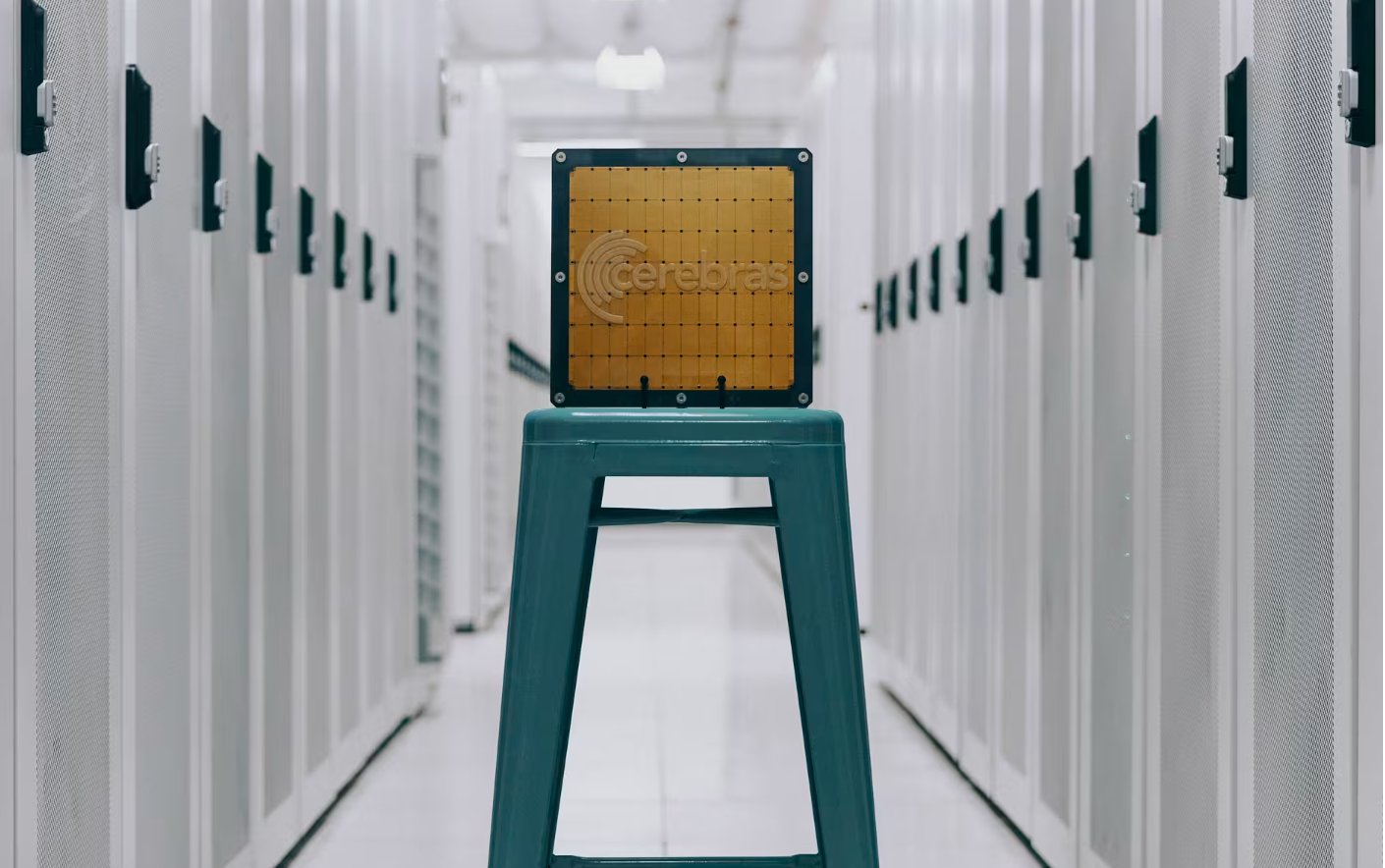
Cerebras WSE-3: Largest Commercial AI Supercomputer Chip
By
–
In Eric Savitz' latest article for Barron's, Cerebras is described as the most intriguing startup that is building AI supercomputers that rival NVIDIA. Highlights from the article: Cerebras Wafer Scale Engine 3 (WSE-3) is 72 square inches and is the largest commercial chip
-
PyTorch Pay-Per-Use Model Through Advanced Compiler Technology
By
–
I think some day, projects like PyTorch will make users pay only for the overhead they use. Lots of R&D needed to get there: compiler technology, type systems, various other things. Actually, LuaJIT was really cool in that aspect — one of the most brilliant pieces of
-
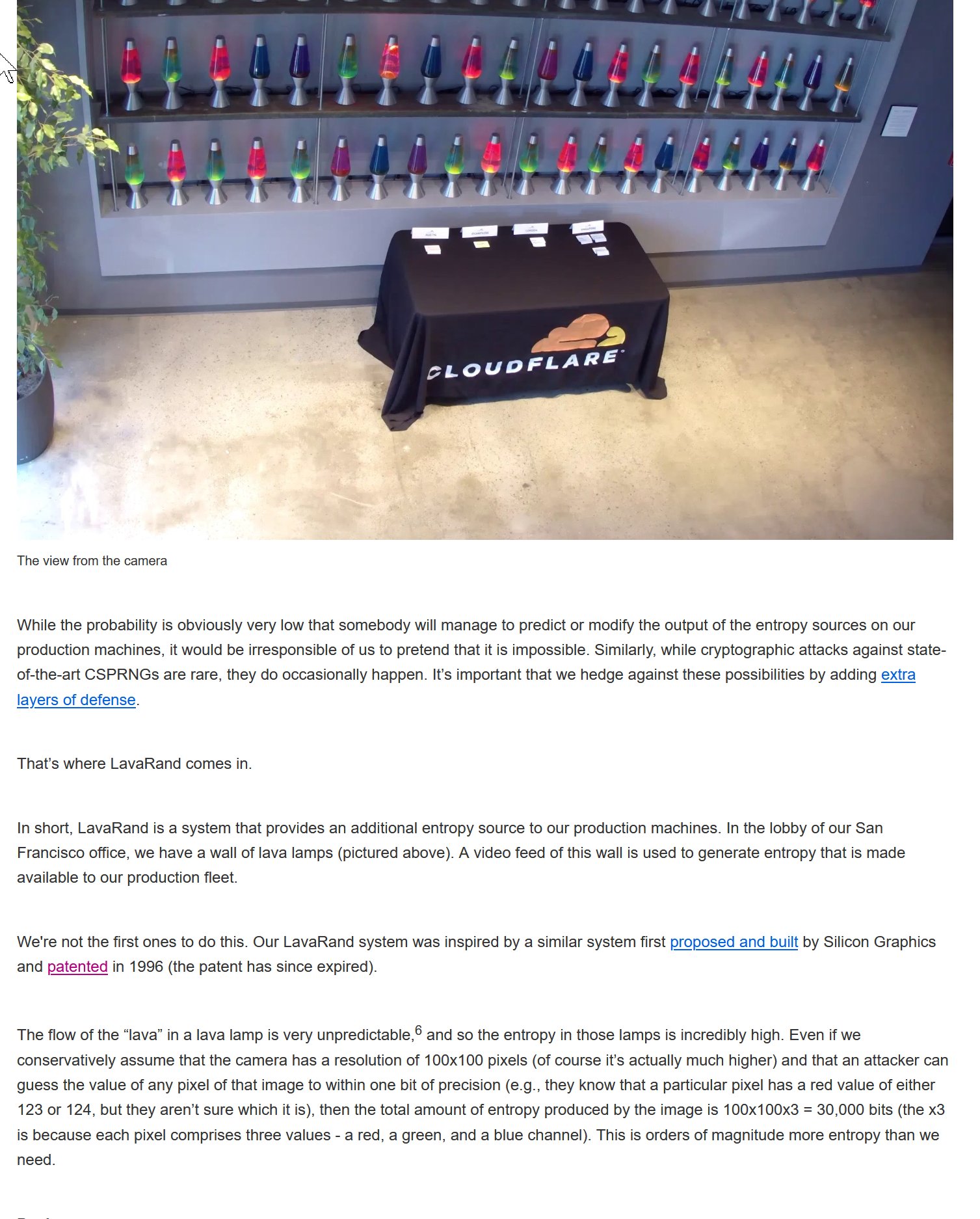
Lava Lamps: The Random Number Generators Securing Internet
By
–
Randomness is hard to achieve. It is why the security of 10% of the internet is secured by a wall of lava lamps watched by a camera to generate true randomness
-
torch.compile uses Triton kernels under the hood for optimization
By
–
So if you're using torch.compile you're already using a lot of triton under the hood, afaik PyTorch picks and chooses whether to call cuda kernels or triton for different ops / settings. Triton is really awesome, but of course you're staying in the Python / torch universe. Which
-
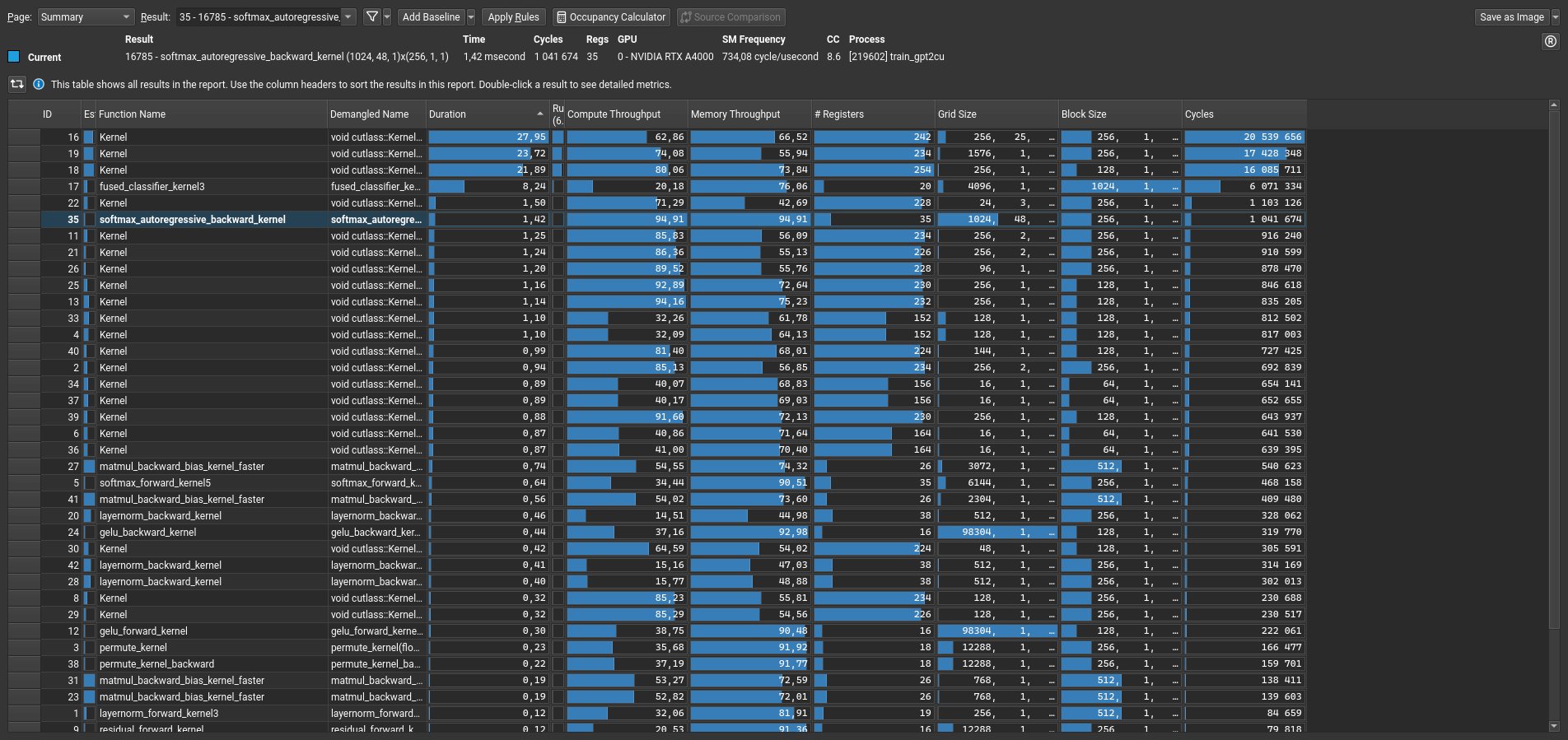
llm.c Matches PyTorch Performance Training GPT-2 on GPU
By
–
llm.c update: Our single file of 2,000 ~clean lines of C/CUDA code now trains GPT-2 (124M) on GPU at speeds ~matching PyTorch (fp32, no flash attention) https://
github.com/karpathy/llm.c
/blob/master/train_gpt2.cu
… On my A100 I'm seeing 78ms/iter for llm.c and 80ms/iter for PyTorch. Keeping in mind this is fp32,