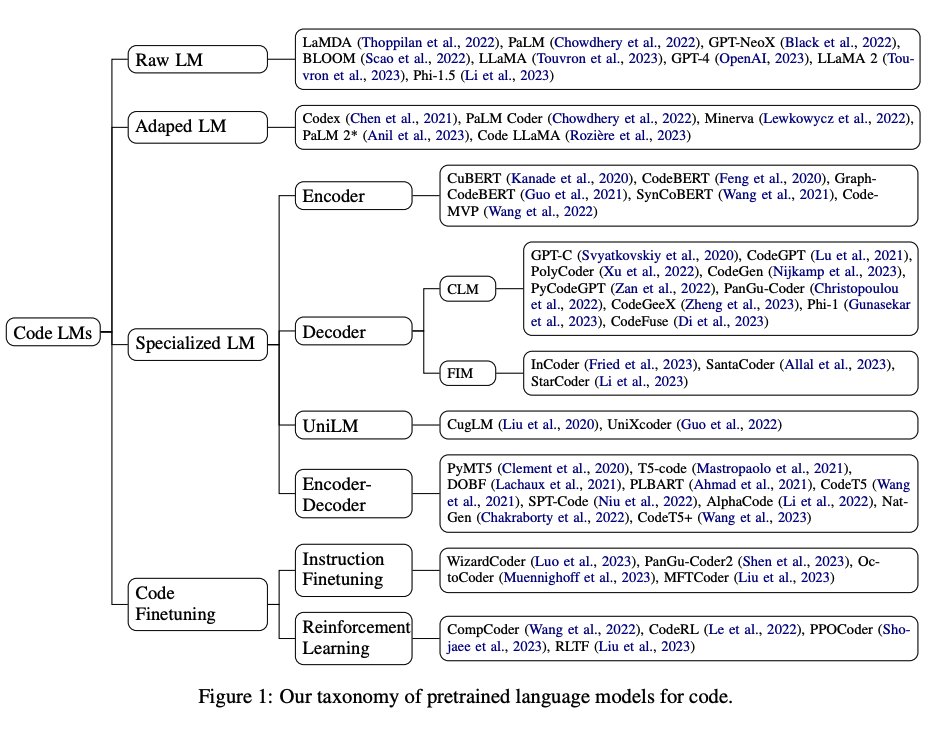
6/ A Survey on Language Models for Code – provides an overview of LLMs for code, including a review of 50+ models, 30+ evaluation tasks, and 500 related works.
CODE
-
Accessing GitHub Copilot via Android context menu
By
–
ICYMI: @github AI copilot is easily accessible from the context menu on Android.
— 🚨 AI News | TestingCatalog (@testingcatalog) 19 novembre 2023
Might be a useful trick for Dev group chats 👀 https://t.co/yLG5RBLE99ICYMI: @github AI copilot is easily accessible from the context menu on Android.
Might be a useful trick for Dev group chats -
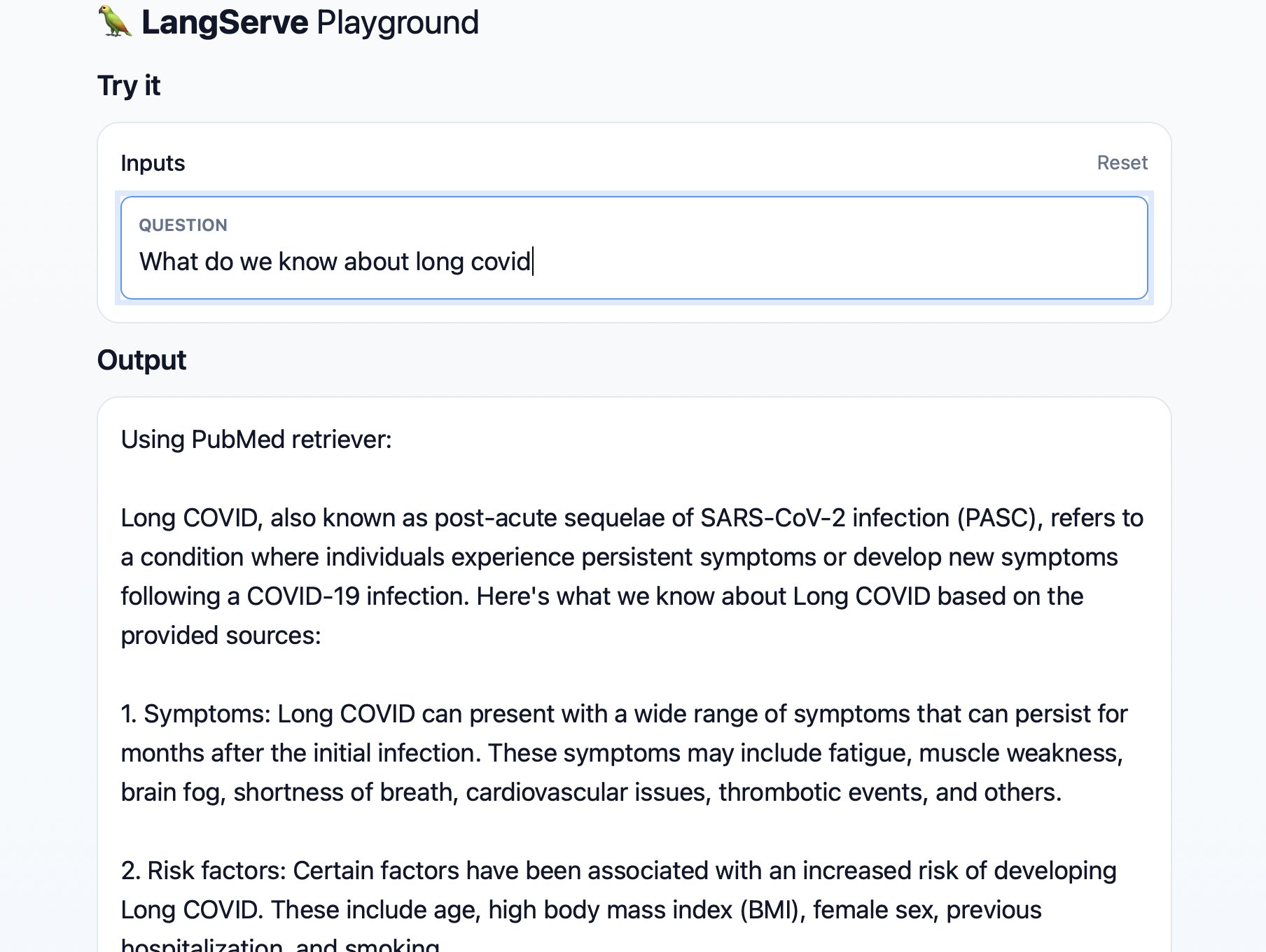
Multi-Index Retrieval and Routing Strategies for AI
By
–
Multi-index retrieval templates Sometimes you want to or need to use information from multiple indexes in your application. There's two basic ways to do this: Route: given a new input, choose (or route to) the most relevant index and retrieve from it. This is most useful when
-
How Machines Interpret Prompts Using BERT Models
By
–
Machines interpret prompts using models like BERT, trained to turn meanings into numerical codes, discerning context nuances and sorting meanings, refined by extensive text data.
-
Embeddings in NLP: Key to Semantic Search and Sentiment Analysis
By
–
Understanding embeddings is key in NLP, essential for tasks like semantic search and sentiment analysis. They help retrieve relevant content, showing a grasp of intent and context in places like Hacker News.
-
Over-Engineering vs KISS: Premature Complexity in System Design
By
–
The opposite of KISS would be, for example: Assuming that we need to build a system for millions of users, with auto-scaling, automating migration of user data, end-to-end encryption … and starting to solve these problems on day one, before the first MVP of LTM was even built.
-
Long-term memory systems: exploring use cases and prototypes
By
–
The answer depends on the project's goal. Let's say we want a simple prototype that will help us explore what use cases is our new long-term memory system going to solve. In this case, starting with any of those 4 is OK, as long as it allows us to move to the real problem:
-
Over-Engineering Small Projects: Recognizing Unnecessary Complexity
By
–
Yes, many things are "it depends." But you can spot the pattern I describe when the project is still small, but the solutions are already overly complicated.
-
Rapid Prototyping Over Perfect Code in AI Development
By
–
I should add: Absence of rapid prototyping. Engaging in excessively long iteration loops. For example, spending a month writing 'perfect code' and only then seeing if it was a good idea in the first place. In contrast, a high-level prototype developed in three days could
-
Unsuccessful Programmers: Overengineering and Complexity Traps
By
–
This is so true. The most unsuccessful programmers I've met are characterized by: Premature overdesign and overengineering for hypothetical problems that often never materialize Constantly increasing the complexity of their code through:
Unnecessary abstractions
Using