4/ One detail explains why this works. A case can go unsolved, then a year later a research paper is published that finally connects a gene to a disease. No human re-reads every old case against every new paper. The model can.
AI
-
AI reasoning model finds missed genetic link in children
By
–
3/ They gave the cases to a reasoning model, OpenAI's o3 Deep Research. The human genome has around 20,000 genes. The model read each child's symptoms, their genetic data, and the medical literature, looking for the one link a person might have missed.
-
AI solves 18 medical cases of children abandoned by doctors
By
–
Urgent: An AI just solved 18 medical cases that doctors had abandoned. All children with rare diseases that no one could identify. Here is how the AI did it:
-
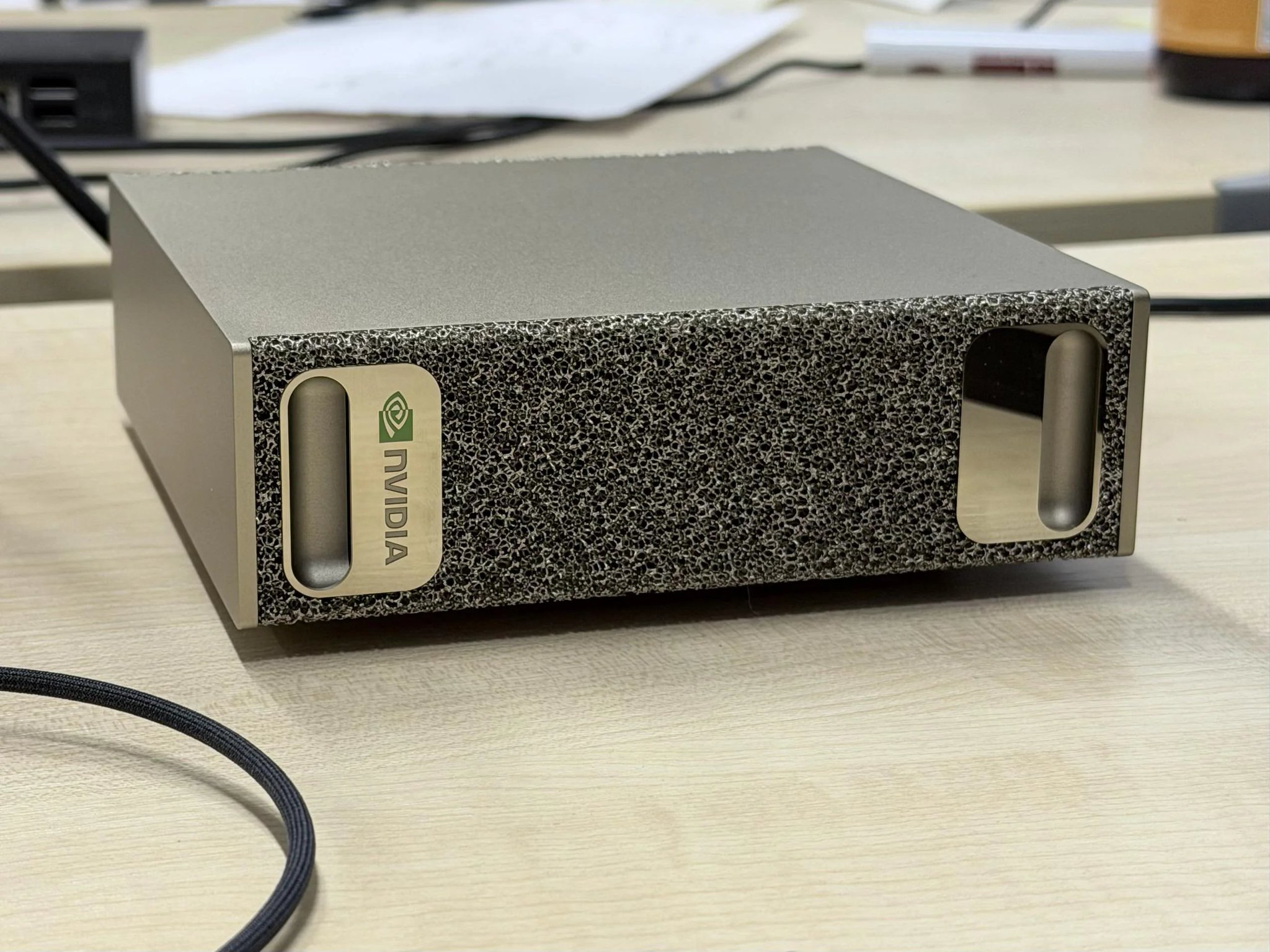
DGX Spark: The Quiet Dark Horse of Local AI
By
–
DGX Spark is becoming the quiet dark horse of local AI.
-
Can AI do everything humans can? Surge AI CEO thinks so
By
–
Are we hurtling toward a future where AI can do everything humans can?
— Dan Shipper 📧 (@danshipper) 24 juin 2026
Edwin Chen (@echen) believes we might be. He’s the CEO of Surge AI, one of the largest providers of expert data for frontier labs. Surge passed over $1 billion in revenue without raising any outside capital,… pic.twitter.com/899iQLemETAre we hurtling toward a future where AI can do everything humans can? Edwin Chen (
@echen
) believes we might be. He’s the CEO of Surge AI, one of the largest providers of expert data for frontier labs. Surge passed over $1 billion in revenue without raising any outside capital, -
AI use decisions are organizational design and strategy
By
–
Decisions about how to use AI in your organization are increasingly organizational design and strategy decisions, not IT choices: How do you integrate agents into your firm? What intelligence will you outsource? What are the boundaries of the firm? What is the role of people?
-
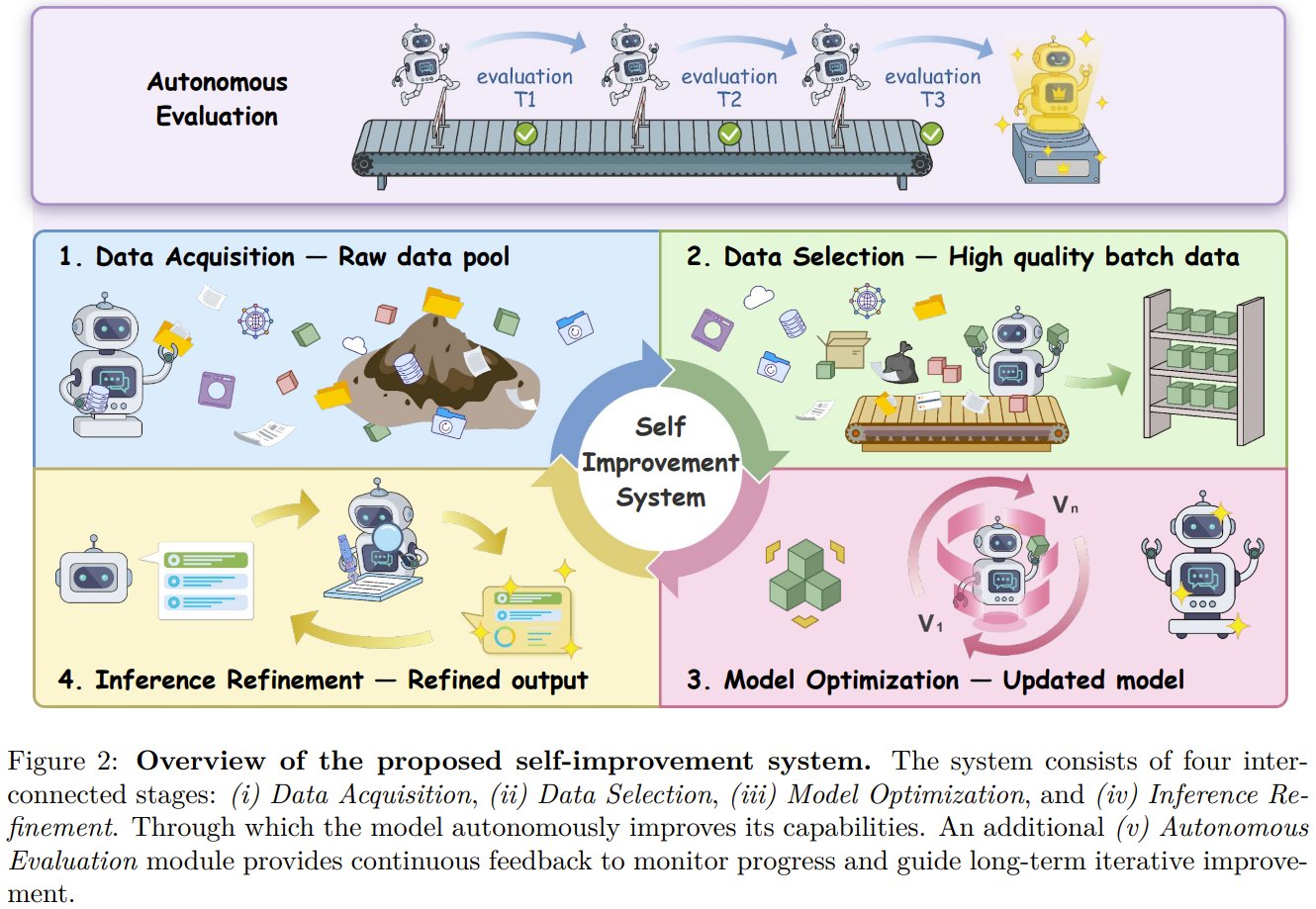
Stony Brook researchers propose roadmap for self-improving LLMs
By
–
What if AI could train itself better than humans can? Researchers from Stony Brook University's Zesearch NLP Lab lay out a roadmap for self-improving LLMs. Their framework turns model development into a closed loop: models generate their own training data, pick the most useful
-
iFixAi: free plugin to audit your AI with Claude
By
–
AHORA PUEDES PONER A CLAUDE A AUDITAR TU AGENTE DE IA
— Nico (@nicos_ai) 24 juin 2026
Acaban de sacar un plugin gratis que pone a Claude a encontrar los fallos y puntos ciegos de tu IA antes de que la cosa explote
Se llama iFixAi.
Abres el repo en Claude Code y le dices “audita mi IA”
A partir de ahí Claude… pic.twitter.com/vwFz0DRNxqNOW, YOU CAN HAVE CLAUDE AUDIT YOUR AI AGENT They just released a free plugin that has Claude find the flaws and blind spots of your AI before it blows up It's called iFixAi. You open the repo in Claude Code and tell it "audit
-

Stanford HAI study evaluates AI chatbots as news intermediaries
By
–
Can AI chatbots be trusted as news intermediaries? A new study partially supported by @StanfordHAI evaluates the promise and risks of consuming today’s headlines through AI. @james_y_zou @suzgunmirac https://
hai.stanford.edu/news/reading-t
odays-headlines-through-ai-a-real-time-audit-of-six-commercial-chatbots
… -
Tips for Automatically Cleaning Duplicate Browser Tabs with Codex
By
–
Here's a little browser use trick I've been loving recently – it's very smooth. I'm the kind of heavy user who opens dozens or hundreds of tabs at once, and they often end up duplicated. Later, I added a trigger task in Codex. Every time I lock my screen or go offline, Codex automatically calls browser use to clean up and close redundant, duplicate tabs – completely hands-free. This trick works with Codex and CC.