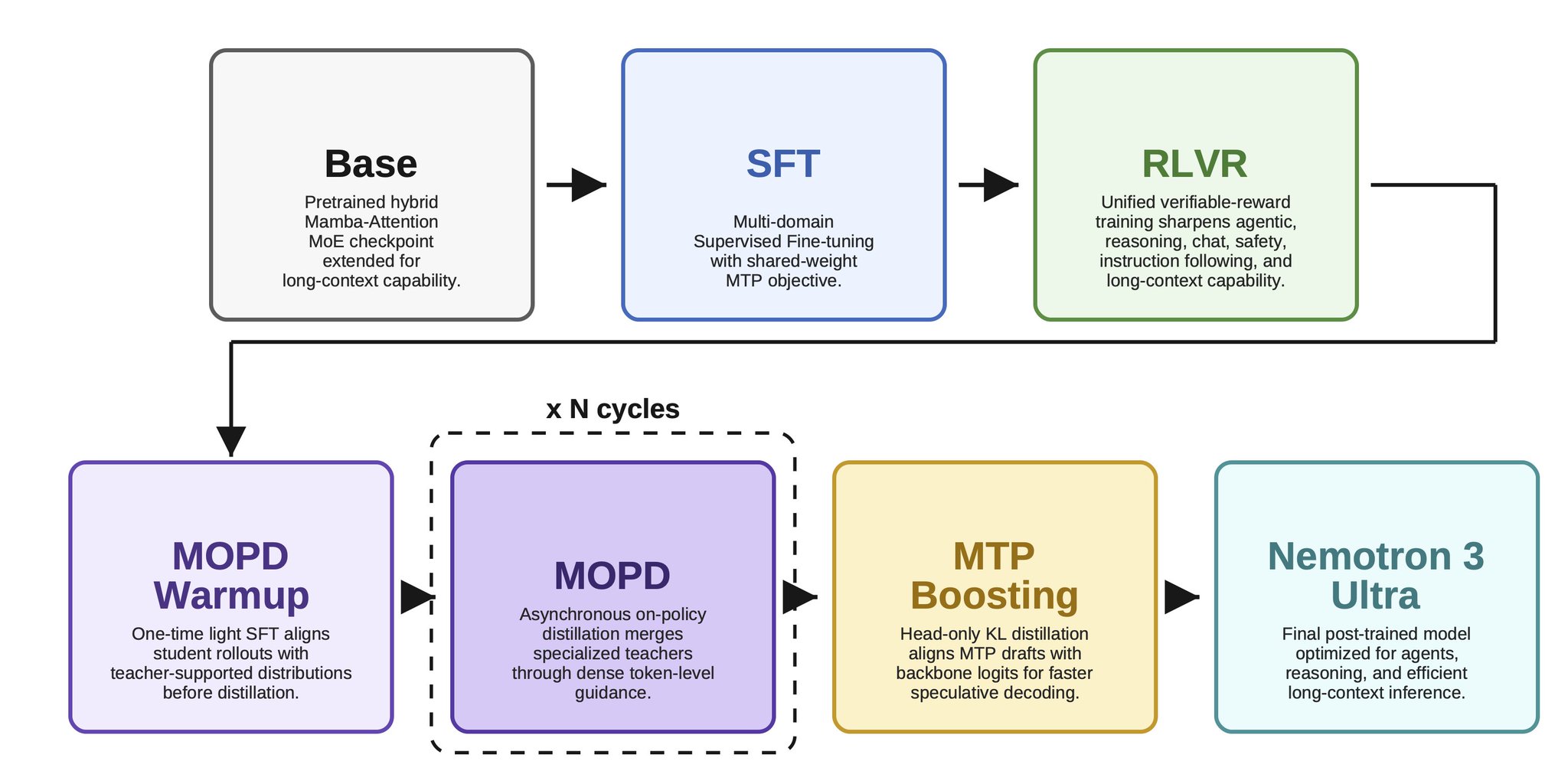
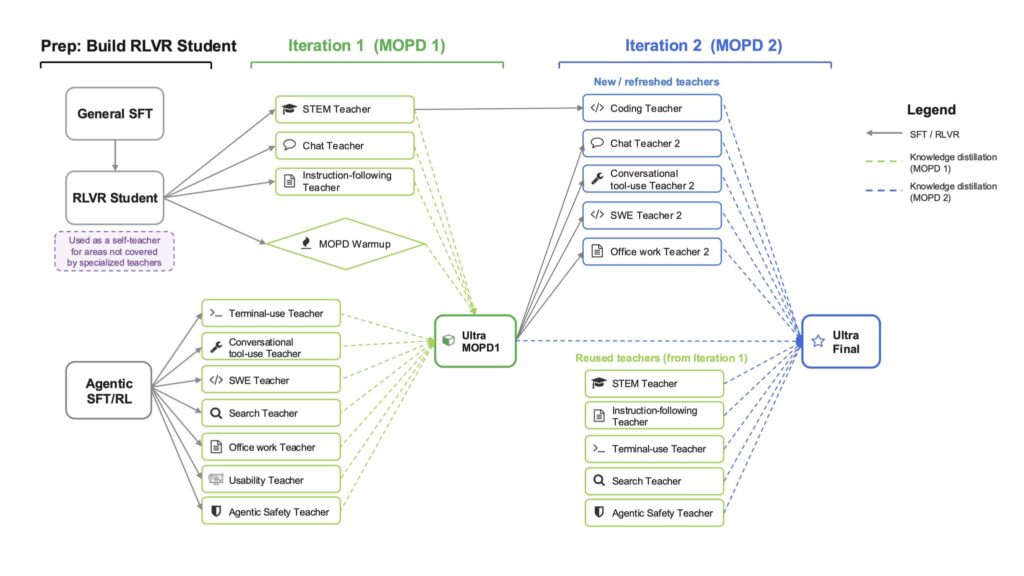
remember the “ai is just statistics”
By
–
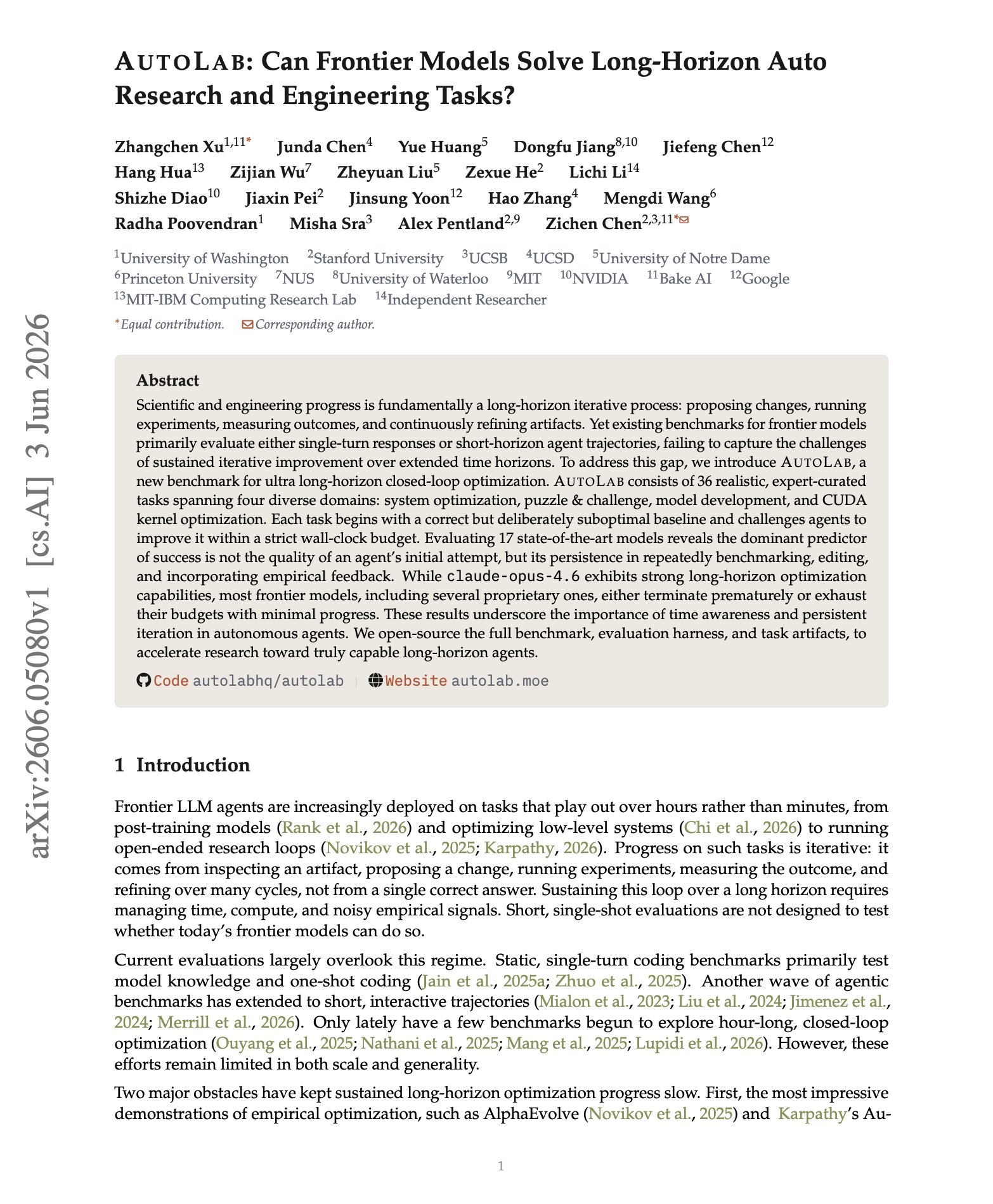
Outstanding paper on long-horizon agents. (bookmark it) Similar to humans, how do you make agents persist on a difficult task, and how is that useful? And which models today work well on this? This new work, AutoLab, explores this question and how encoding persistence in
By
–
if you had 100k to invest in OpenAI and/or Anthropic IPOs which would you go for?
By
–
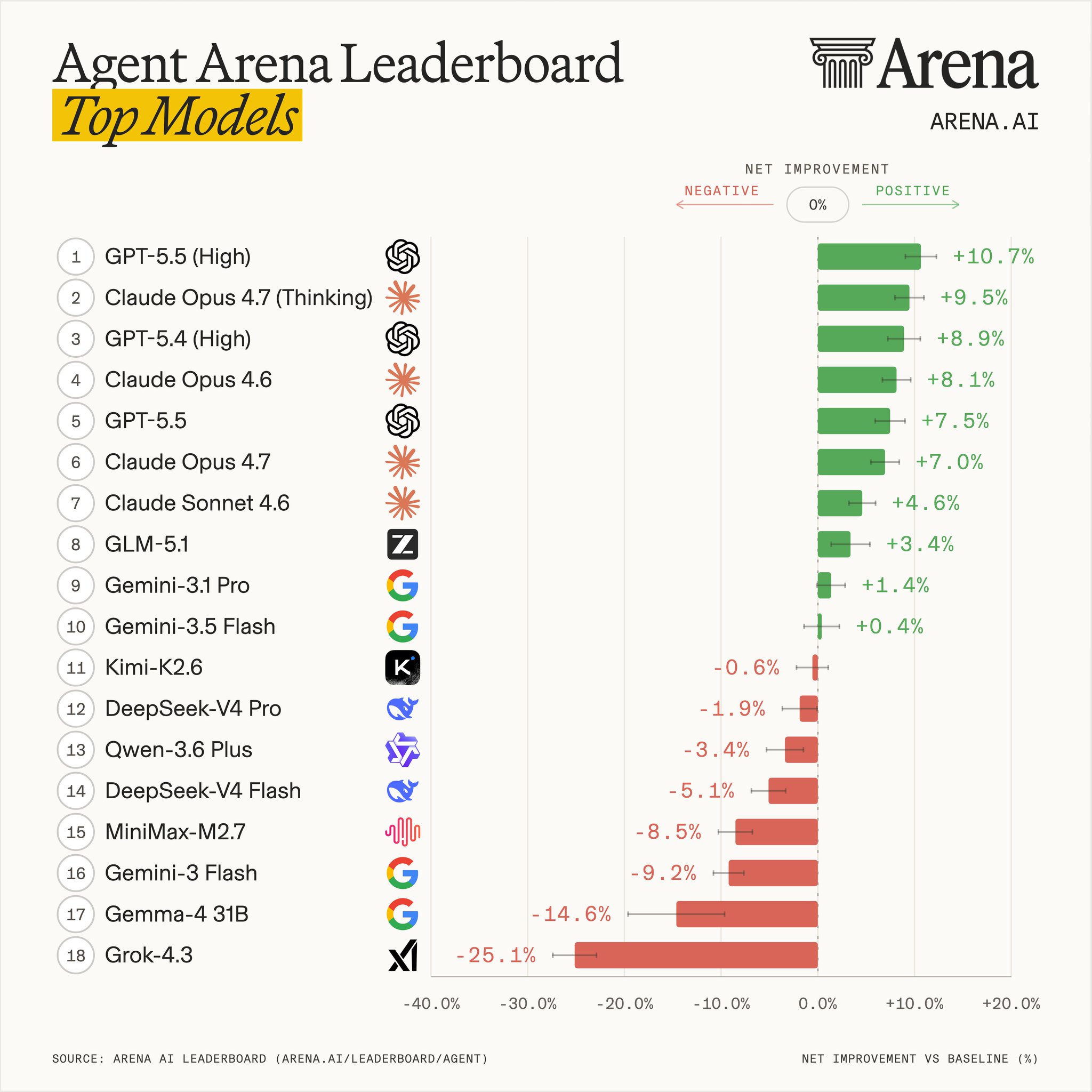
This is our most important eval yet – Agent Arena – it measures real performance of models on real agentic tasks. Our users use the Agent Arena, we monitor real signals (e.g. Bash Recovery) as well as their feedback on each task, without user knowing what model completed it.

By
–
AI research is a series of next-step decisions. We looked at sessions where a human researcher took a wrong turn, showed Claude the session up to that point, and asked it what to do next. Mythos Preview improved on humans 64% of the time—up from 22% in 2024.
By
–
None of this guarantees recursive self-improvement is on the horizon. It’s not yet clear that Claude is capable of research judgment—of choosing the right problems to work on. But if these trends continue, AI systems designing and building their own successors is plausible. This

By
–
The speedup isn’t just in volume. On open-ended coding problems where answers are unclear, Claude’s success rate is now 76%—a 50 point jump in just 6 months. Many engineers also say Claude’s code quality is now on par with human code; we expect it to be better within the year.
By
–
Each time we release a model, we run the same test: give it code that trains a small AI model, ask the new model to speed it up. It takes a skilled human 4-8 hours to reach 4x faster. In May 2024, Claude Opus 4 averaged a ~3x speedup. This April, Mythos Preview achieved ~52x.
By
–
Our internal data shows Claude is accelerating AI development—a possible path to recursive self-improvement, or AI autonomously building a more capable successor. It’s happening faster than we thought, and the implications deserve greater attention.
By
–
We’re building ChatGPT to remember what matters, follow your preferences and constraints, and adapt as things change. If you tell ChatGPT you’re planning a trip in July, memory should understand when the trip is upcoming, happening, and already over. That helps ChatGPT keep