#DifferentialPrivacy algorithms protect user data by limiting the effect that each sample has on aggregated output. Check out a new framework that improves the performance of differentially private data aggregation and clustering. https://
goo.gle/3YNrR8g
@googleai
-
Differential Privacy Framework Improves Data Aggregation Performance
By
–
-

Google advances robot communication and real-world task performance
By
–
In the past year we researched how to help robots be more helpful by improving their communication, enabling them to understand real-world situations, and expanding their low-level skills to better perform tasks in unstructured environments. Read how at https://
goo.gle/40OzzkB -
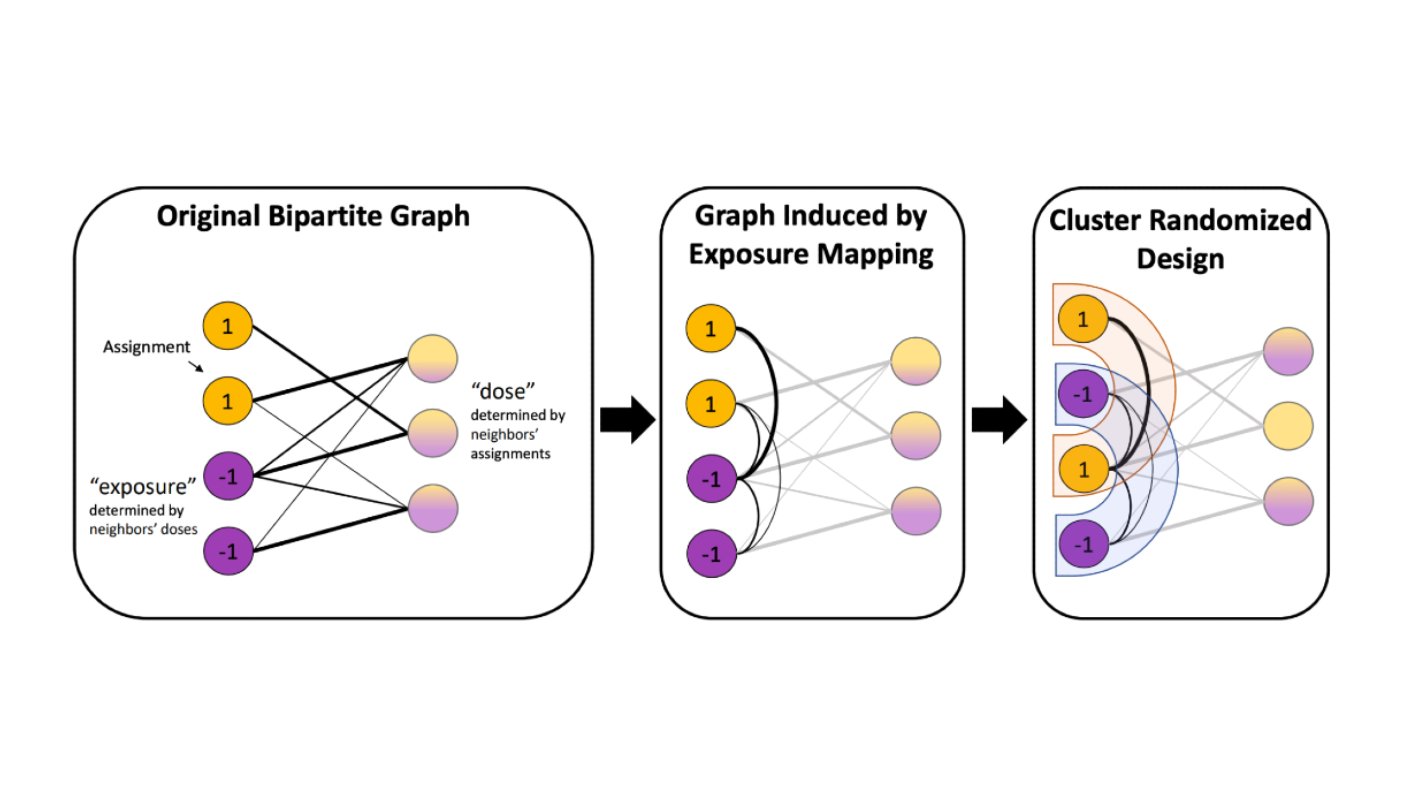
Robust Algorithm Design Advances Machine Learning Efficiency
By
–
Robust algorithm design is important across the field of #ML. Today we discuss our innovations over the previous year that advance the state of the art by building algorithms with improved efficiency, performance and speed. Read more at https://
goo.gle/3jJFdUv -

Google Quantum AI boosts microwave amplifier output power 100x
By
–
Learn how @GoogleQuantumAI increases the maximum output power of our new superconducting microwave amplifiers by a factor of over 100x, paving the way for the operation of larger quantum processor chips with improved performance. Read more at https://t.co/rhePvB83tn pic.twitter.com/UWdtUj0RZp
— Google AI (@GoogleAI) 9 février 2023Learn how @GoogleQuantumAI increases the maximum output power of our new superconducting microwave amplifiers by a factor of over 100x, paving the way for the operation of larger quantum processor chips with improved performance. Read more at https://
goo.gle/3XlcR0u -
New Anomaly Detection Frameworks Achieve State-of-the-Art Results
By
–
Today on the blog, read all about two new frameworks that address challenges with anomaly detection — the task of distinguishing anomalous from normal data — in both unsupervised and semi-supervised settings, with state-of-the-art results in both → https://t.co/pcfXO0VjTV pic.twitter.com/T6qVf9RXVz
— Google AI (@GoogleAI) 8 février 2023Today on the blog, read all about two new frameworks that address challenges with anomaly detection — the task of distinguishing anomalous from normal data — in both unsupervised and semi-supervised settings, with state-of-the-art results in both → https://
goo.gle/3x9Emzg -

Deep Learning Models: Improving Robustness and Efficiency Through Algorithms Research
By
–
As #DeepLearning models become more widely used, it is increasingly important that they be both robust and efficient. Today we summarize some of our many efforts to improve #ML efficiency through algorithms research. → https://
goo.gle/3I6asCj -
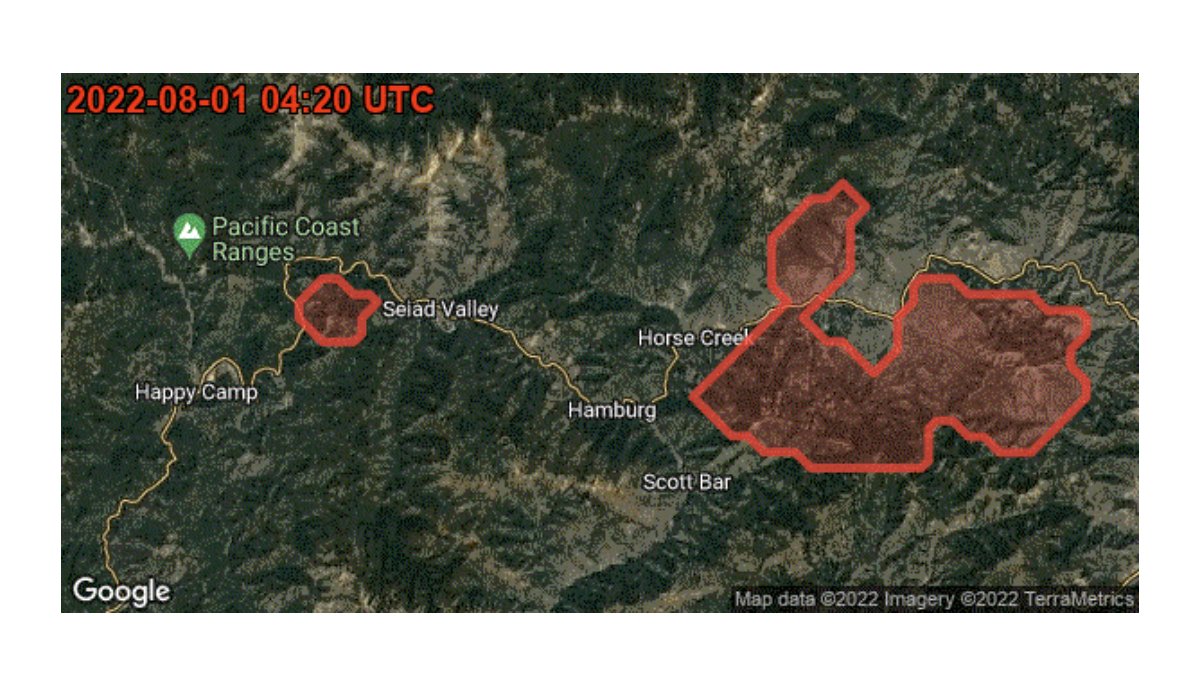
ML Satellite Imagery Enhances Wildfire Tracking Accuracy
By
–
Learn how applying ML to satellite imagery enabled us to expand our wildfire tracker, which now provides more accurate real-time fire boundary updates every 10–15 minutes to help affected people in times of crisis. Read more → https://
goo.gle/3DI7Zvh -
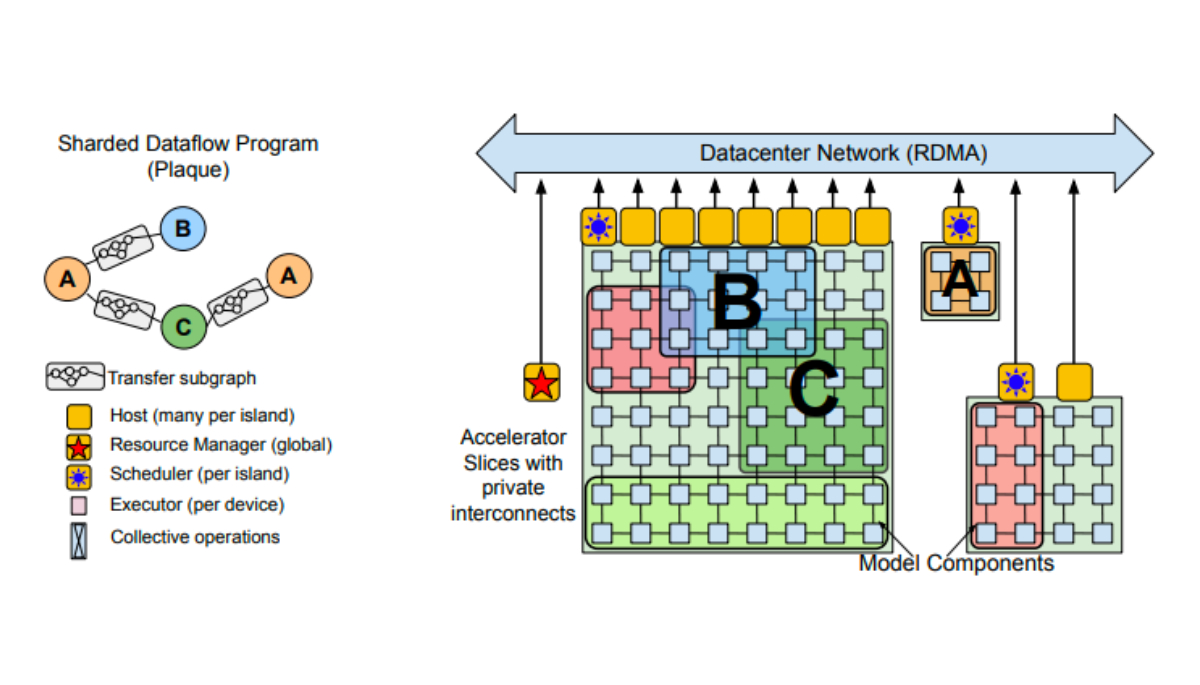
ML Systems Strategy for Sophisticated Model Training
By
–
Great #ML research requires great systems. Here we discuss some strategies we’re using to help serve and train sophisticated ML models while easing the complexity of implementation for end users. Read more at https://
goo.gle/3JEbmr6 -
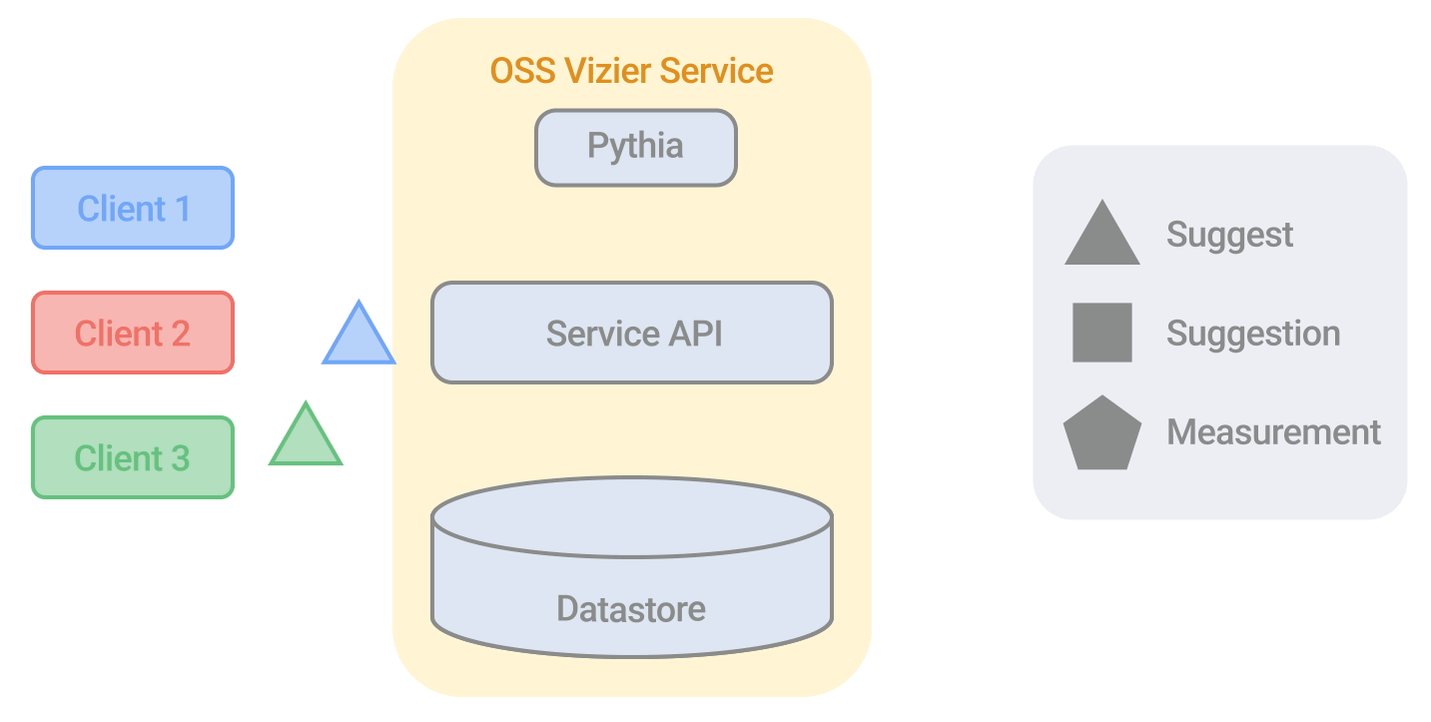
Open Source Vizier: Distributed Experiment Management Platform
By
–
Announcing Open Source Vizier, a standalone Python package designed for managing and optimizing experiments at scale in a reliable distributed manner and for developing and benchmarking algorithms for automated machine learning researchers. Learn more → https://t.co/8kGO9M6jv6 pic.twitter.com/Xvol7qGJ8p
— Google AI (@GoogleAI) 2 février 2023Announcing Open Source Vizier, a standalone Python package designed for managing and optimizing experiments at scale in a reliable distributed manner and for developing and benchmarking algorithms for automated machine learning researchers. Learn more → https://
goo.gle/40CoXoX -
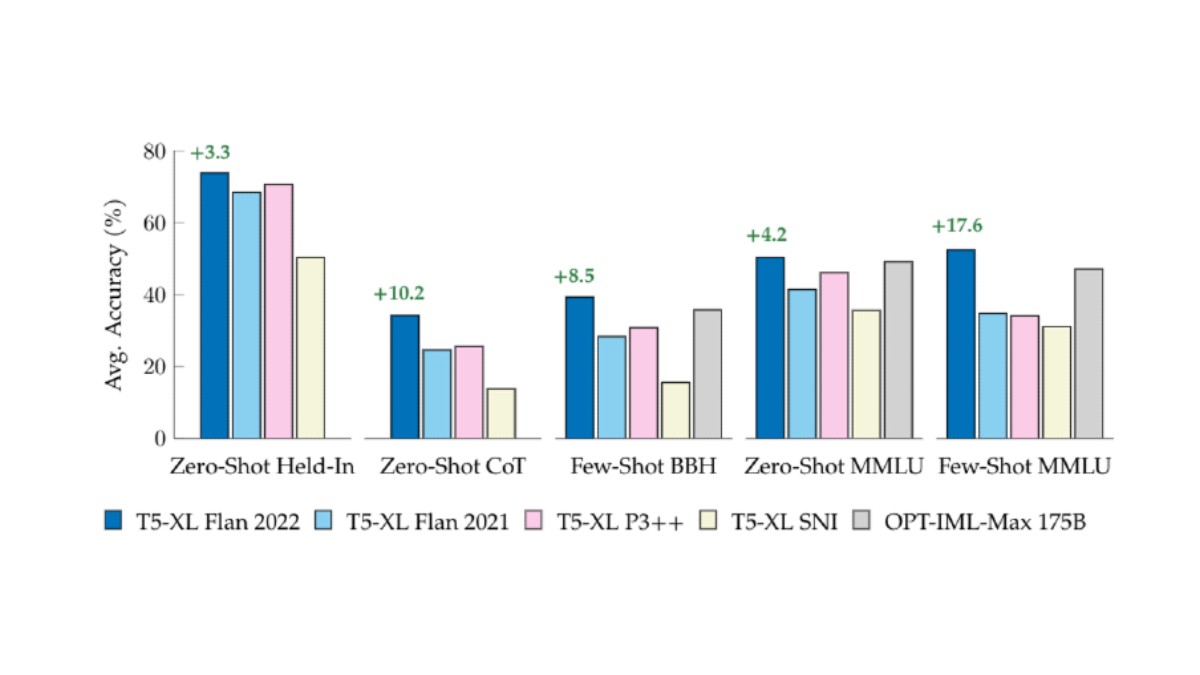
Google releases instruction tuning collection for improved language model reasoning
By
–
Today we’re releasing a new collection of tasks, templates and methods for instruction tuning of #ML models. Training on this collection can enable language models to reason more competently over arbitrary, unseen tasks. Learn all about it at: https://
goo.gle/3XWlqjc