Text spotting and layout analysis have generally been treated as separate tasks, and their synergy is yet to be explored. To that end, check out our new challenge, the @icdar2023 Competition on Hierarchical Text Detection and Recognition → https://
goo.gle/3kZH1so
@googleai
-
ICDAR 2023 Hierarchical Text Detection Recognition Challenge
By
–
-
David Wajc Wins SODA 2023 Best Paper Award
By
–
Congrats to visiting faculty David Wajc and co-authors of "Dynamic Matching with Better-than-2 Approximation in Polylogarithmic Update Time" for winning the SODA 2023 best paper award (
https://
goo.gle/3iZKbMp). Learn more about the work ↓
https://
goo.gle/3R52goS -
ML Models Improve Multi-Armed Bandit Algorithm Performance Online
By
–
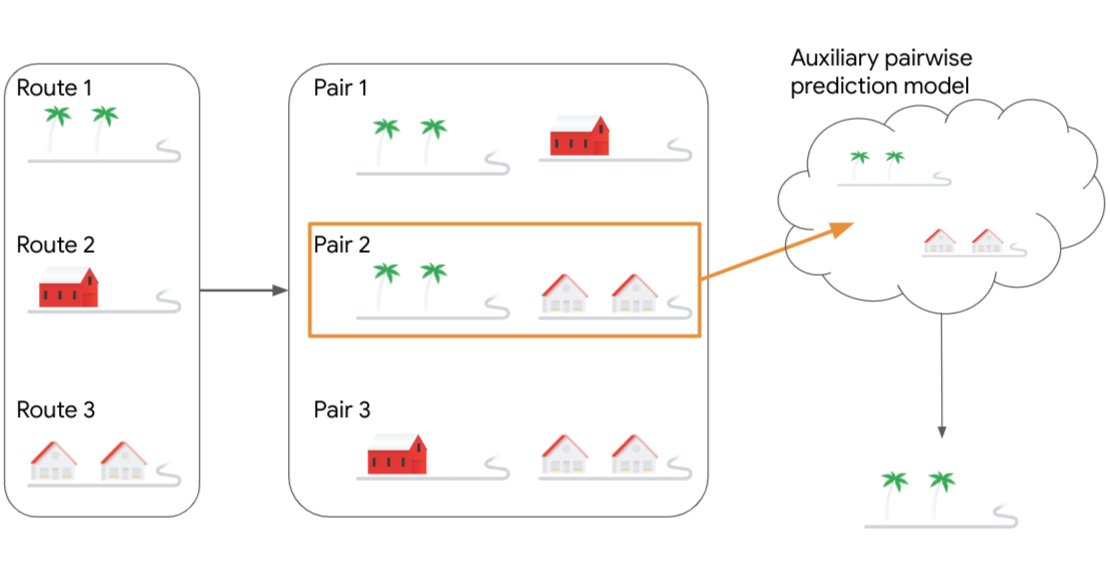
Existing algorithms for the multi-armed bandit problem do not account for the available real world data that can aid algorithm design. Learn how an ML model that provides a weak hint can improve the performance of an algorithm in an online setting → https://
goo.gle/3XF84b0 -

Language Model Deciphers Clinical Abbreviations Without Patient Data
By
–
Check out our recent general language model to decipher clinical abbreviations — even ambiguous terms that must be interpreted from context — and learn about the novel approach that enabled training without patient data: https://
goo.gle/3HvlgcW -
Google shares responsible AI breakthroughs and 2023 roadmap
By
–
The last year showed many AI and ML breakthroughs — advances that require careful attention to ensure they are developed and deployed following our AI Principles. Today we share some of our recent work in Responsible AI and where we’re headed in 2023. → https://
goo.gle/3Hcuj1g -
Deep Learning Tuning Playbook: Systematic Neural Network Training Guide
By
–
Have you ever wanted a guide that explains how to maximize results with #DeepLearning? Introducing The Deep Learning Tuning Playbook, which describes a systematic approach to training and tuning neural networks. Check it out ↓
-

Google Research 2023: Computer Vision, Language and Generative Models
By
–
We’re kicking off 2023 with a series of blog posts that look back at some of the many new and exciting developments coming out of Google Research. Check out our first post from @JeffDean
, about computer vision, language, multimodal, and generative models! https://
goo.gle/3CWSrU1 -
EHR-Safe Generates Privacy-Preserving Synthetic Electronic Health Records
By
–
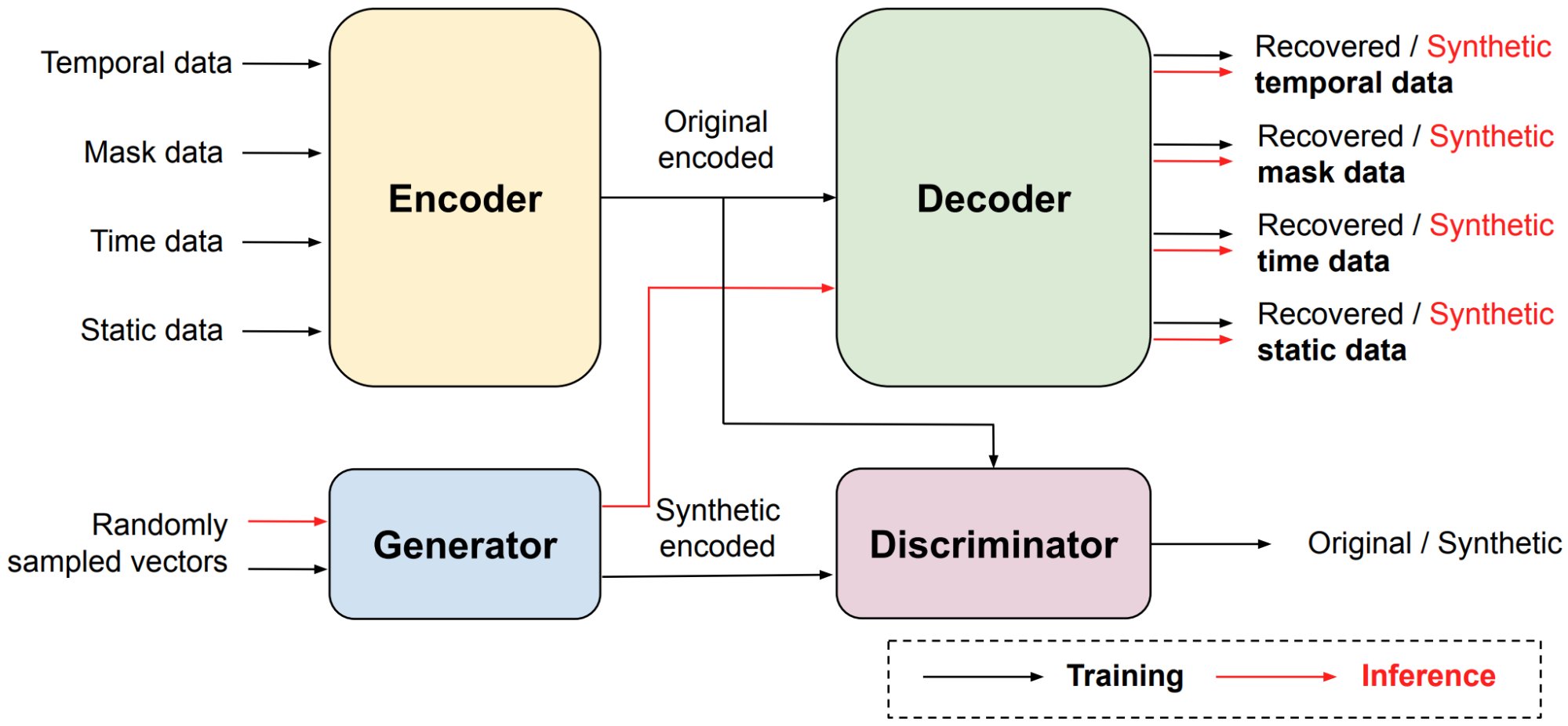
Analyzing electronic health records (EHRs) has great potential, e.g. to enhance patient care, but common anonymization methods can decrease the data’s utility. To that end, read how EHR-Safe generates high-fidelity & privacy-preserving synthetic EHR data→ https://
goo.gle/3HZfpxn -
Project Relate: Machine Learning Speech Recognition for Non-Standard Speakers
By
–
Following years of research featuring thousands of people who recorded over a million speech samples, we released Project Relate in beta. This Android app uses machine learning to offer personalized speech recognition for non-standard speakers. https://
g.co/projectrelate -
Connect-the-Dots: New Algorithm for Differential Privacy Loss Analysis
By
–
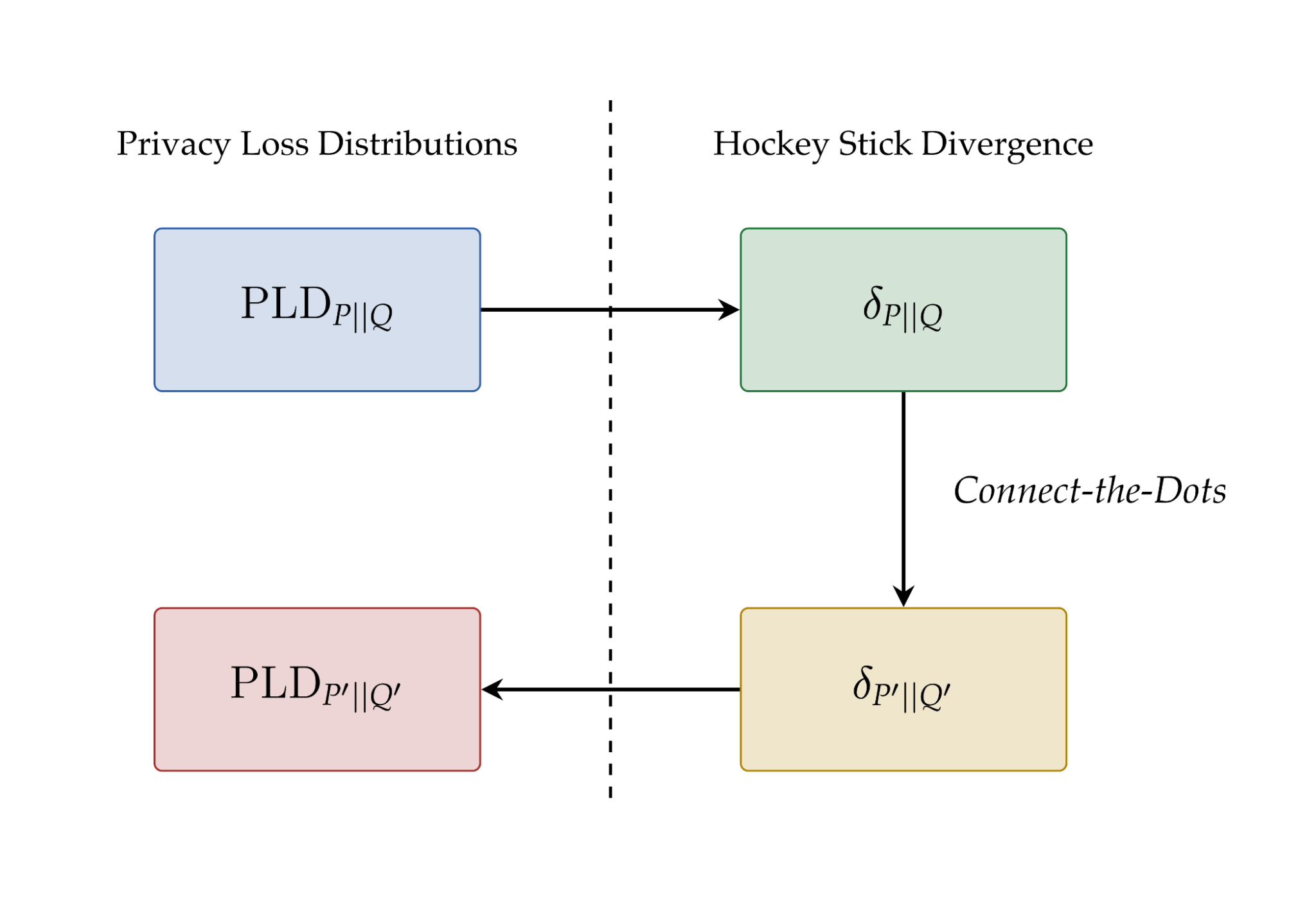
Introducing Connect-the-Dots, a new accounting algorithm that uses an indirect approach to accurately discretize privacy loss distributions, yielding a useful tool for understanding the privacy cost of combinations of differential privacy algorithms. https://
goo.gle/3FIoFmD