There are memory solutions that are fully hashed and will never belong to anyone. But the point here is not privacy – it’s dependency on the provider And we are building something in between them all. Something even OpenAI can’t kill, cause it will never be cross-platform
@godofprompt
-
Architectural Principles for Building AI Agents and Automations
By
–
What this means practically for anyone building agents, prompts, or automations right now: – Stop treating memory as a storage problem – Stop renting your agent's intelligence from the labs – Instrument outcomes, not just inputs – Every interaction should be a labeled
-
The Strategic Risks of AI Agent Dependency and Model Lock-in
By
–
Think about what that means on a 2-year horizon: – Your agent's accumulated intelligence is stuck in one provider – Switch models, lose the learning – Pricing page changes, your moat changes with it – They deprecate a feature, your product bleeds The intelligence you thought
-
The Architectural Trade-off Between Retrieval and Learning Systems
By
–
The moat math is brutal once you see it. A retrieval system plateaus at the quality of its extractor. As good on day 1,000 as day 1. And most of what it "knows" belongs to whichever lab hosts it. A learning system you control compounds every interaction into a corpus of (state
-
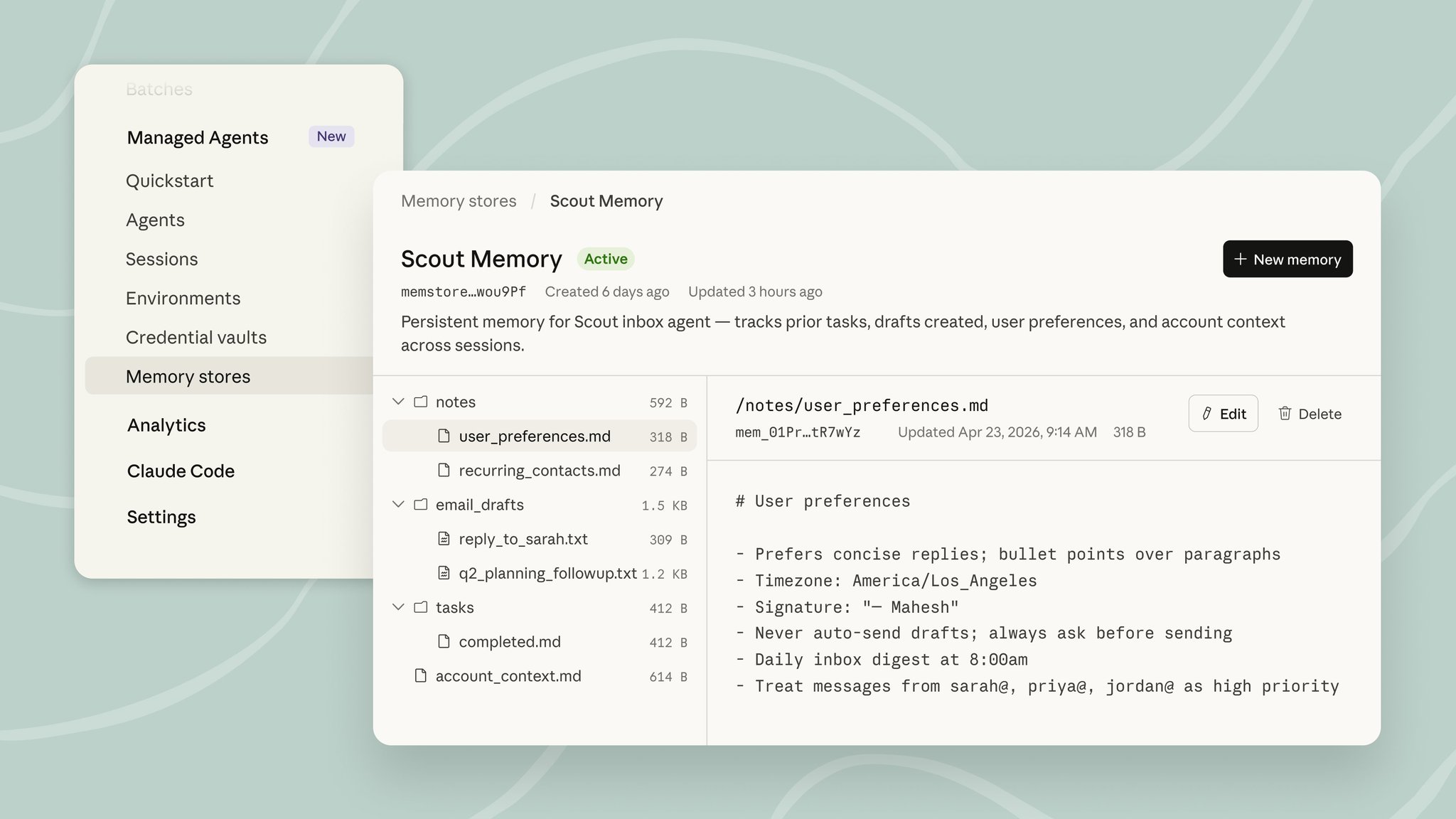
Critique of platform lock-in strategies in AI memory features
By
–
Now look at what the labs are actually shipping: Useful? Sure.
But notice where the memory lives. Inside their platform. Tied to their models. Portable nowhere. Every "memory" feature the big labs ship is designed to make leaving more expensive. -
The Risks of AI Agent Data Lock-in and Model Dependency
By
–
every major model provider wants you hooked to them. Not to your agent. Not to your data. To them. The more your agent "remembers" inside their walls, the less of it is actually yours. You're not building a moat. You're renting one.
-
Economic trade-offs in AI agent memory: retrieval vs. procedural
By
–
Layer 3 is where the economics flip. Retrieval memory costs tokens on every call. The preference gets looked up, injected, re-reasoned — every time. Procedural memory costs zero tokens at inference. The behavior lives in the weights. The agent just acts correctly. At scale,
-
Neuro-inspired Three-tier Memory Architecture for AI Agents
By
–
The clearest frame I've seen on this comes from these guys @midbrain_ai. Their point: the brain doesn't run one memory system. It runs three. – Episodic: what happened (raw traces) – Semantic: what it means (abstracted patterns) – Procedural: how I now behave (baked into the
-
US Accuses China of Industrial-Scale AI Intellectual Property Theft
By
–
US has accused China of "industrial-scale" theft of AI and warned that it will be cracking down on the exploitation, per FT.
-
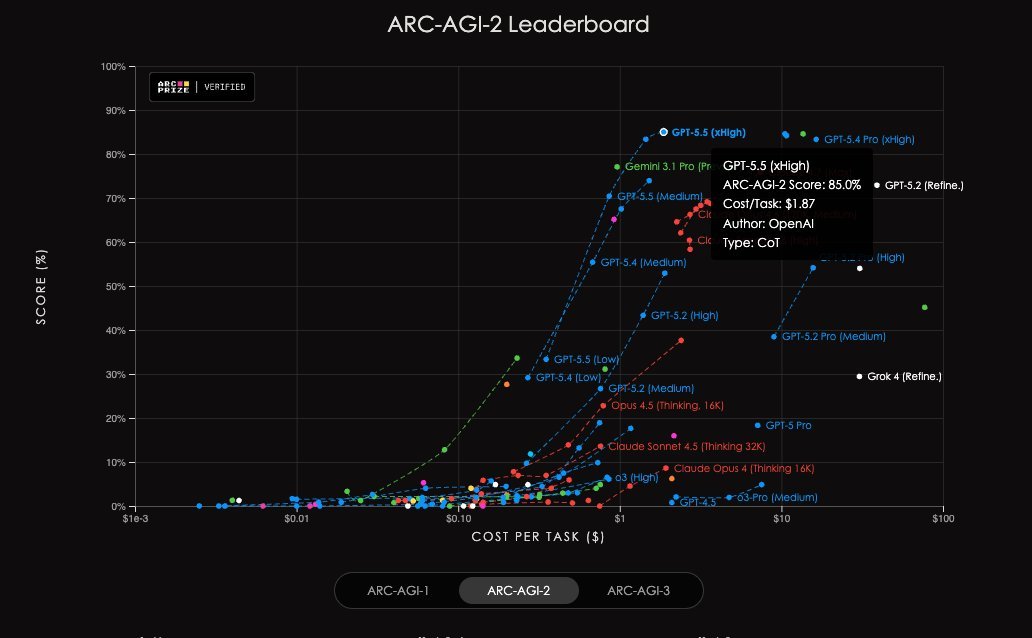
GPT-5.5 performance on ARC-AGI-2 benchmark
By
–
GPT-5.5 just hit 85% on ARC-AGI-2. Somewhere, Yann LeCun is explaining why this still doesn't count. LLMs keep climbing a tall tree toward the moon