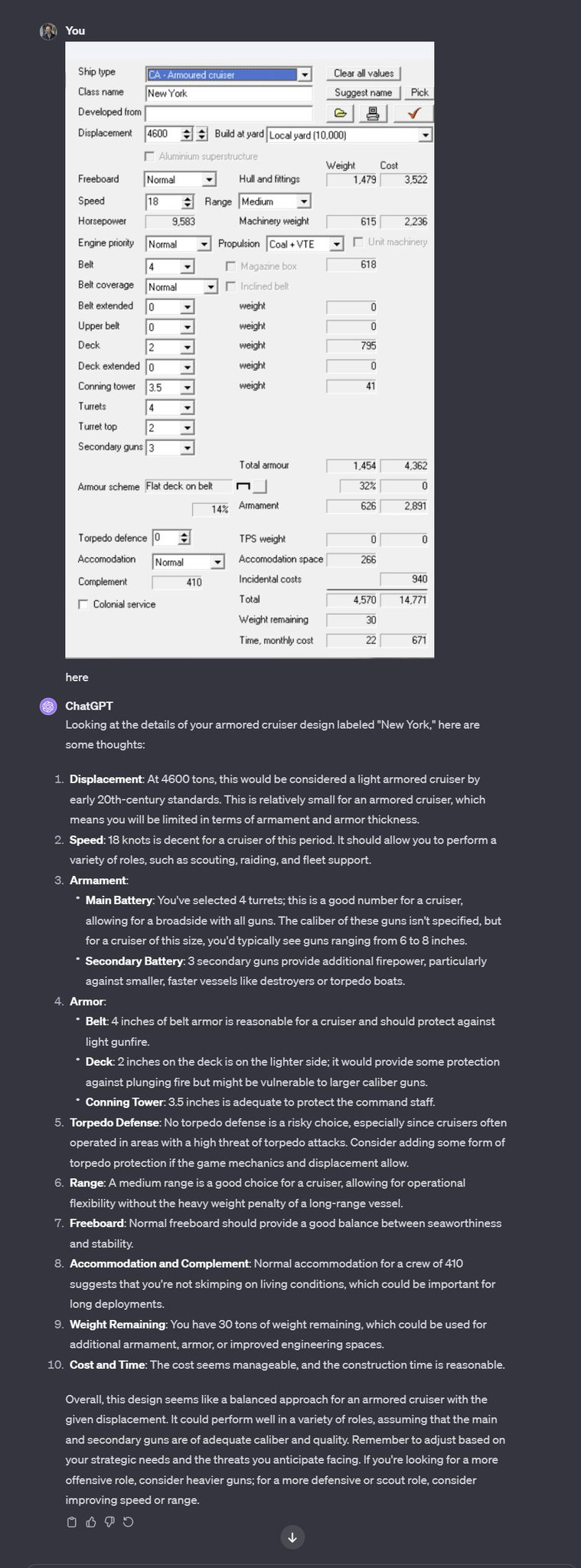
GPT-4 has surprisingly good suggestions on how to design a 1890s-era armored cruiser, down to concerns about how the casement guns might limit operations in heavy seas. (I am giving it screenshots from a rather intensely detailed spreadsheet-like naval simulation game. Neat!)
@emollick
-
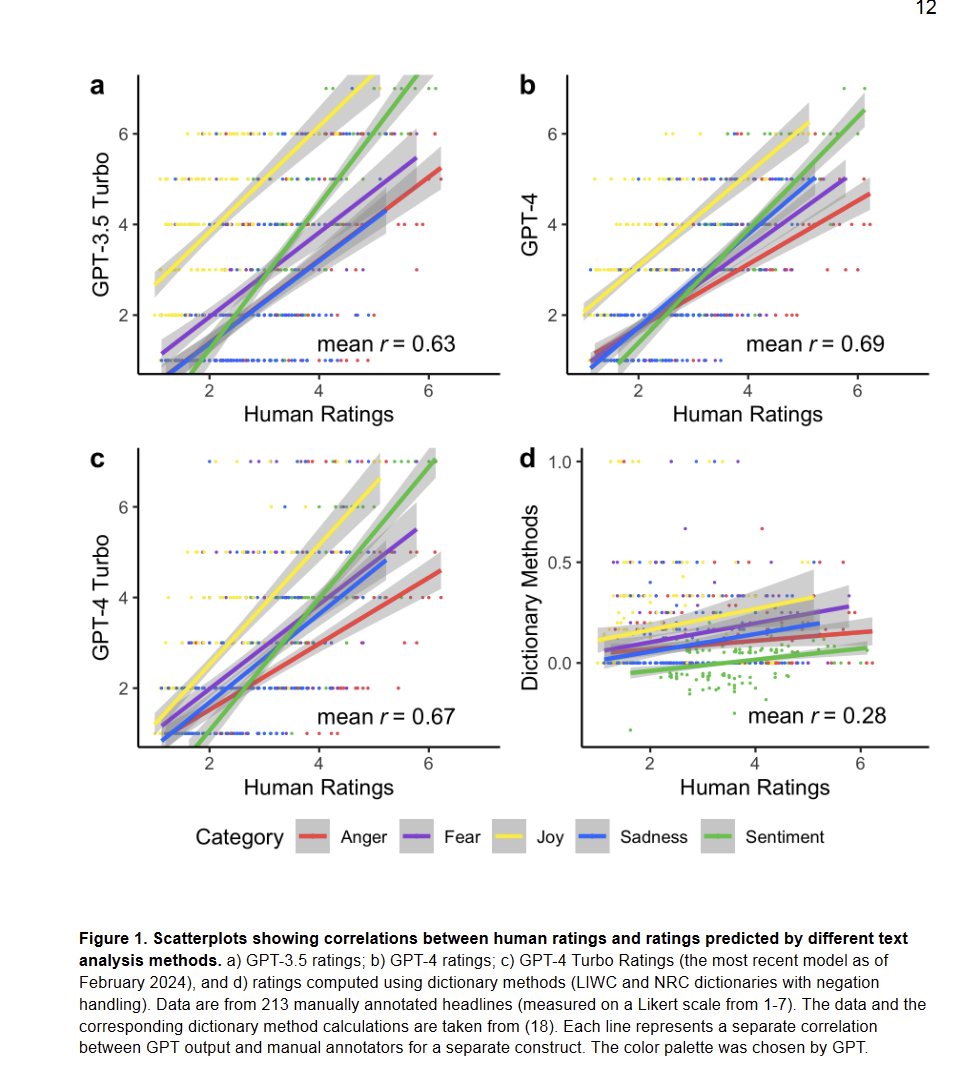
LLMs Superior to Dictionary Methods for Psychological Text Analysis
By
–
LLMs are much better than the standard dictionary approaches to figuring out the psychological context of text, including uncommon African languages, and likely cheaper & easier-to-use as well It is approaching human levels, and is improving as models do. https://
osf.io/preprints/psya
rxiv/sekf5
… -
Government AI governance panel with defense and cyber leaders
By
–
I was lucky to be part of a panel led by former Defense Secretary Leon Panetta w/ Adm. Mike Roger (former head of Cyber Command and the NSA), Prof. @jengolbeck & @aneeshchopra (former US CTO). A lesson: government taking upsides & risks of AI seriously https://
youtu.be/MJ_8CHkPttY?si
=LMx_yXmpTT7xXBi8
… -
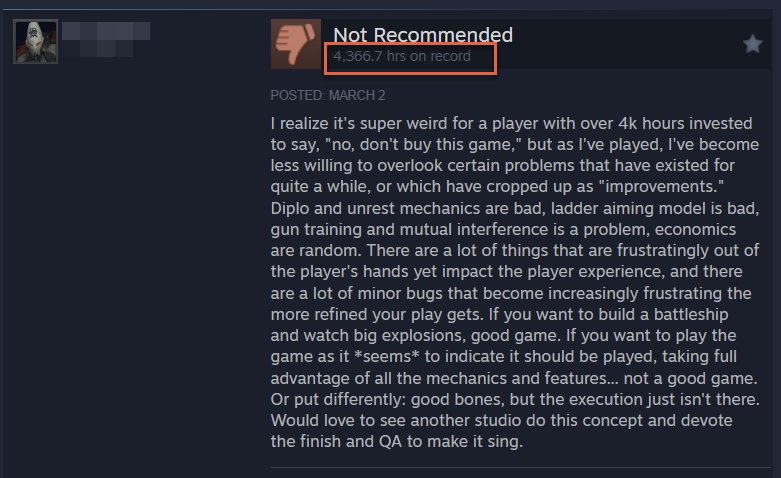
Devoted Users May Not Represent Wider Market Needs
By
–
Listening to your most devoted users can lead you wrong because they have their own specific needs, which may not represent the needs of the wider market. In fact, they don't want you to solve for the mass market – the classic "Chasm" for new products. I just saw this on Steam.
-

Testing AI Systems: Evaluating GPT-4V Vision Capabilities
By
–
This is a great illustration of how hard it is to figure out how good AI systems are via testing. GPT-4V solves the famous dog versus muffin image problem… except it doesn’t if the image is changed so it isn’t in the training data… except it does, but only some of the time.
-
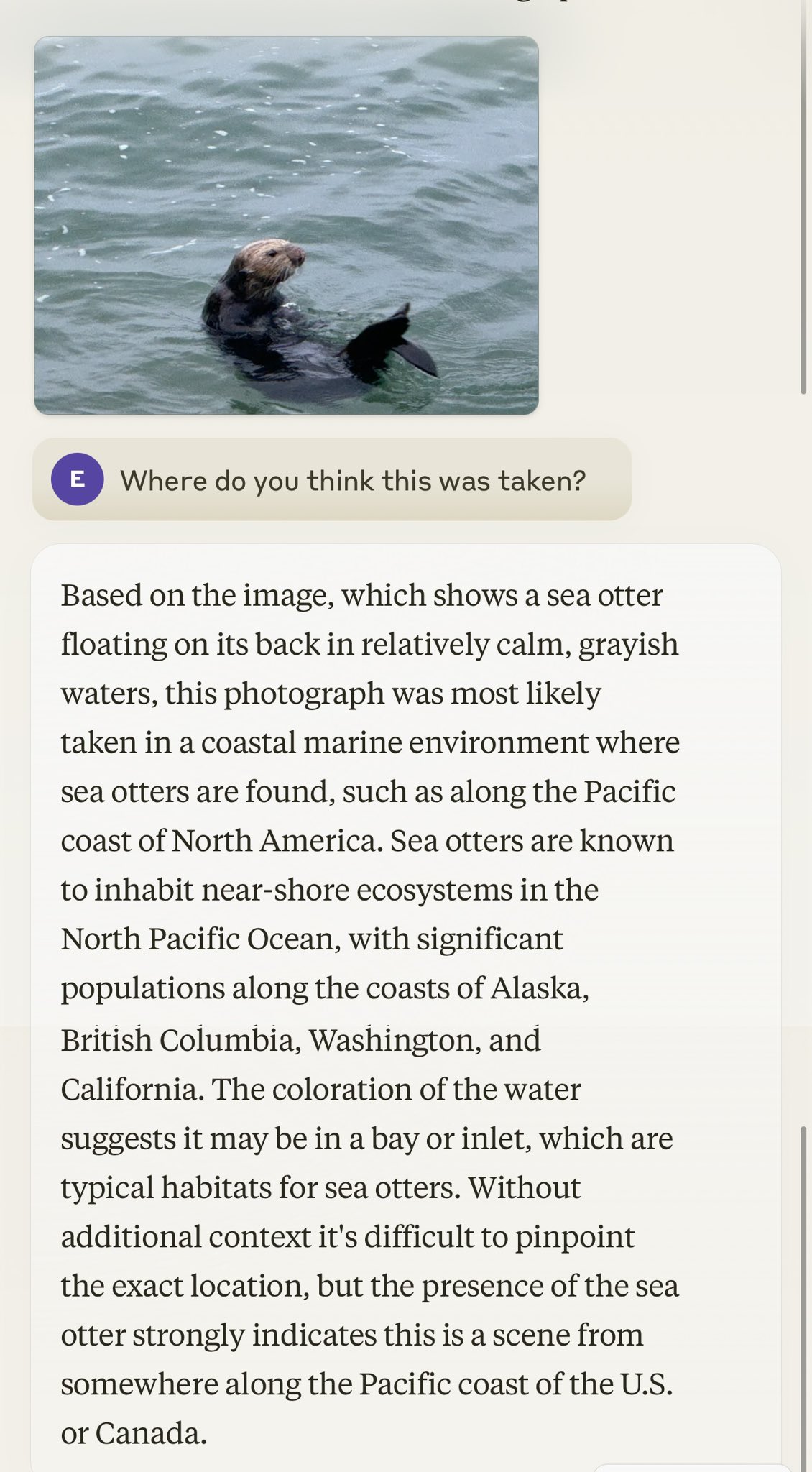
AI Models’ Remarkable Image Analysis and Geolocation Inference Capabilities
By
–
The ability of the AI to make very educated guesses from images is underrated and never ceases to amaze me. Both Claude 3 and GPT-4 figure out I was likely in Monterrey from a picture of a sea otter and a small amount of architecture (pictures were from me, not in training.)
-
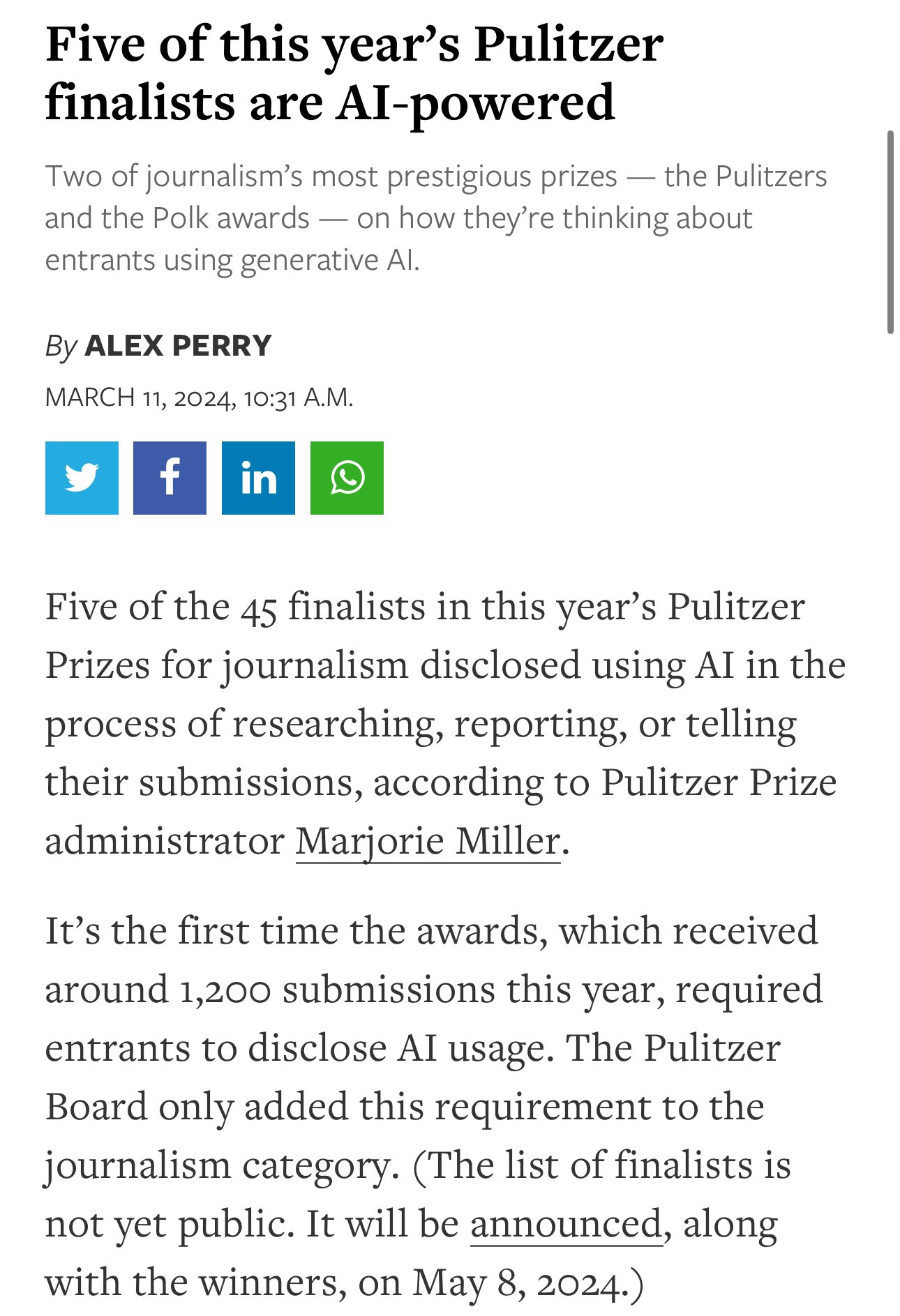
AI Boosts Journalism Quality as Creative Tool and Co-Intelligence
By
–
11% of the best pieces of journalism from the last year used AI in some way. This is evidence of the power of AI as tool or co-intelligence – boosting the work of even great humans. Uses are likely boring, like transcription, which is the point. It does stuff you don’t want to.
-
Realistic AI Policy Approaches Beyond Pause or Acceleration
By
–
I think the chance of an actual pause or an even bringing AI development to a crashing halt (model collapse, lawsuits) is basically zero I would love to see more discussion about realistic approaches to policy-making from both people afraid of AI and develop-at-all-cost boosters
-
AI’s Mixed Consequences: Modeling Benefits While Mitigating Harms
By
–
Every time I post something negative about AI, I get comments about why I am positive about it in other posts, and vice-versa. The consequences of AI, like any General Purpose Technology, will be mixed. So we need to model the positive changes while mitigating negative outcomes.
-

AI-Generated Content Problem on Amazon Demands Better Curation
By
–
And now there is an AI-generated workbook for my new book, which isn't even released yet (and I can be almost certain that the author, if they were real, which they are not, has not seen it) The issue with AI generated content on Amazon is already acute. Curation will be needed