
9/ Design2Code Investigates the use of multimodal LLMs for converting a visual design into code implementation which is key for automating front-end engineering.
@dair_ai
-
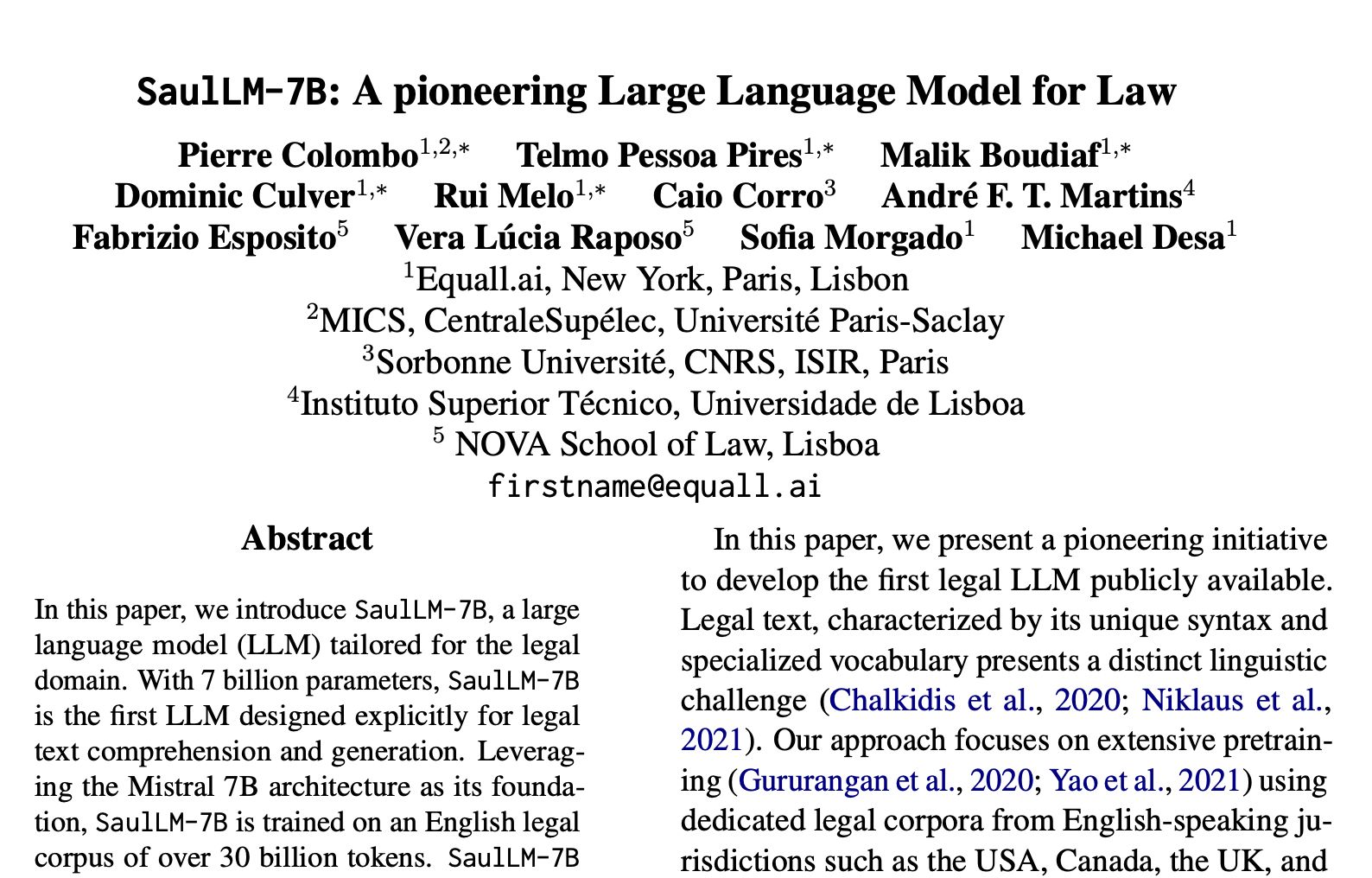
SaulLM-7B: Legal Domain Language Model
By
–
8/ LLM for Law – introduces SaulLM-7B, an LLM for the legal domain explicitly designed for legal text comprehension and generation; presents an instructional fine-tuning method that leverages legal datasets to further enhance performance in legal tasks.
-
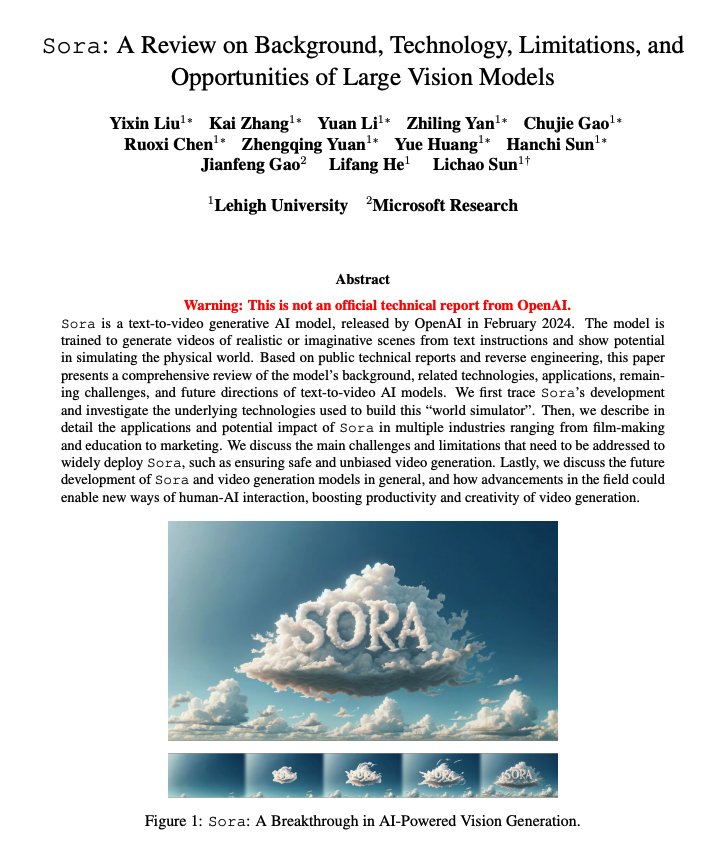
Sora Overview: Key Developments in Large Vision Models
By
–
7/ Sora Overview A comprehensive review of Sora and some of the key developments powering this model, including limitations and opportunities of large vision models.
-
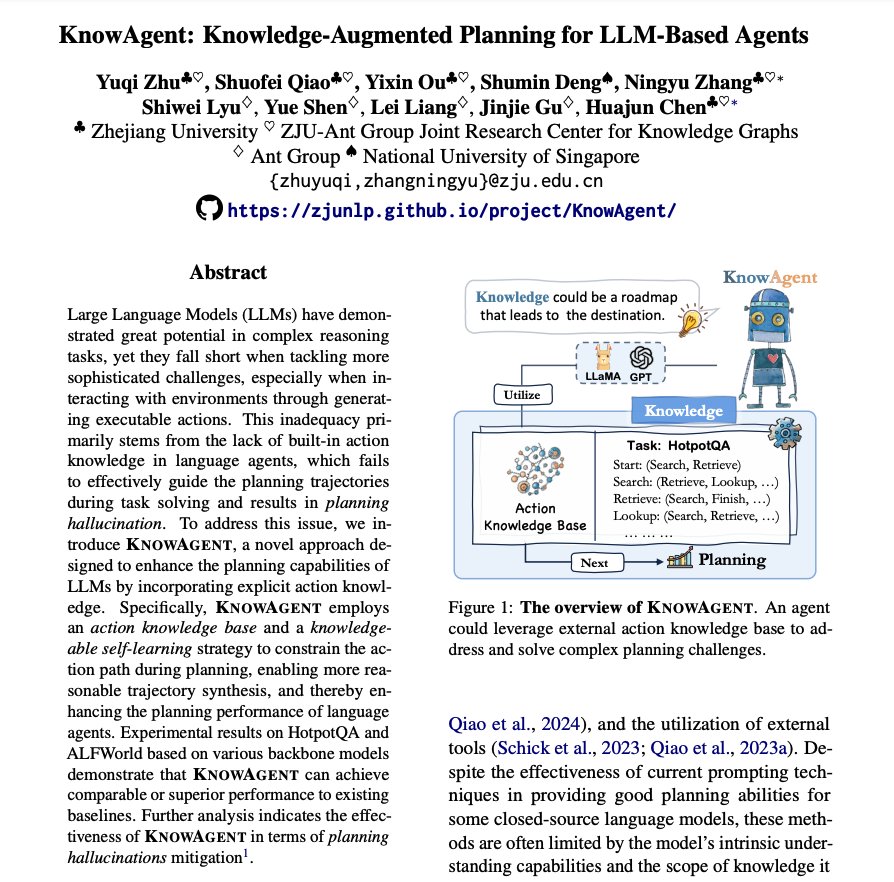
KnowAgent Enhances LLM Planning Through Action Knowledge Base
By
–
6/ KnowAgent Enhances the planning capabilities of LLMs through explicit action knowledge; uses an action knowledge base and knowledgeable self-learning to guide action generation, mitigate planning hallucination, and enable continuous improvement.
-
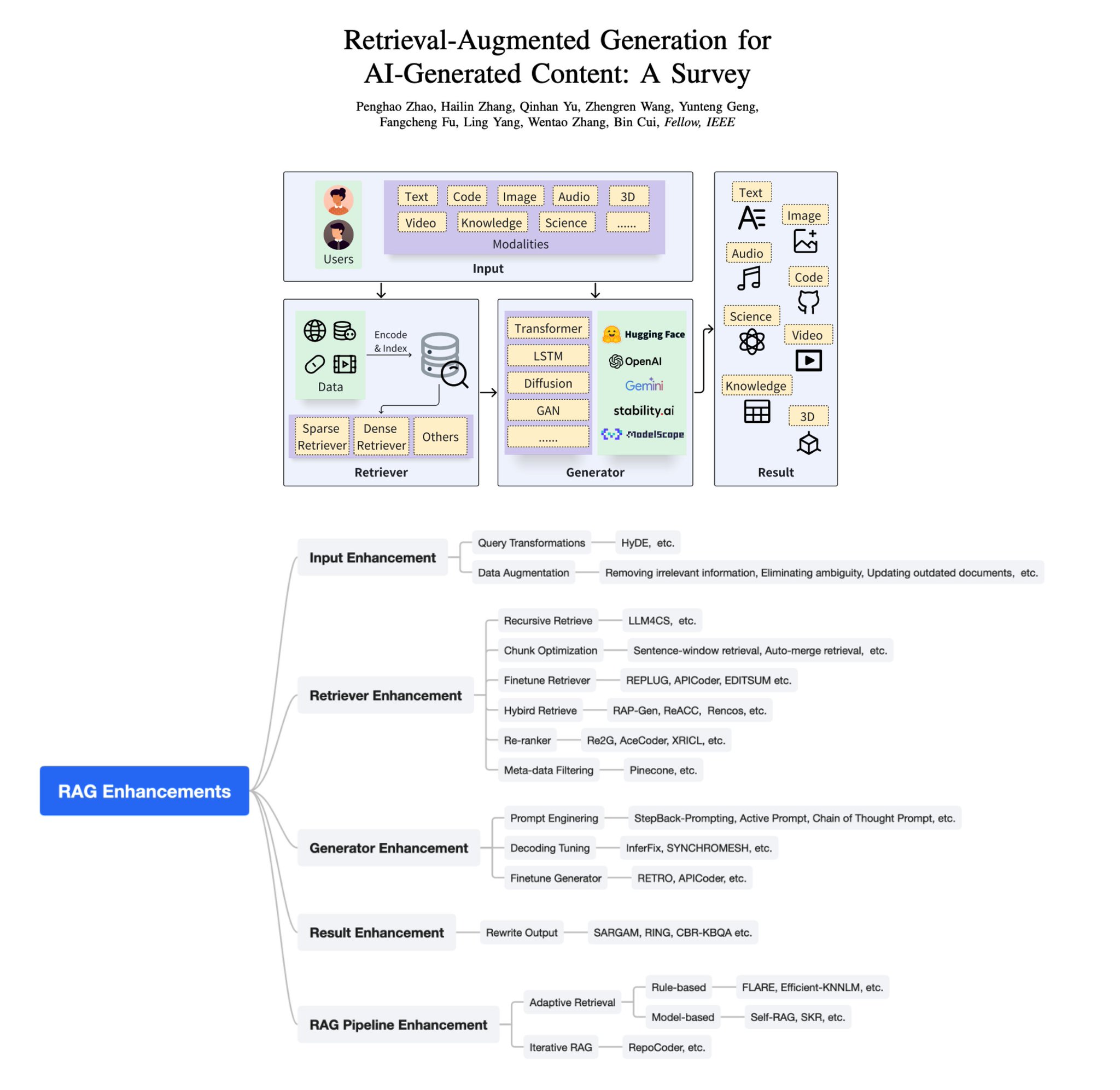
RAG for AI-Generated Content: Overview and Enhancements
By
–
5/ RAG for AI-Generated Content Provides an overview of RAG used in different generation scenarios like code, image, and audio, including a taxonomy of RAG enhancements with reference to key papers.
-
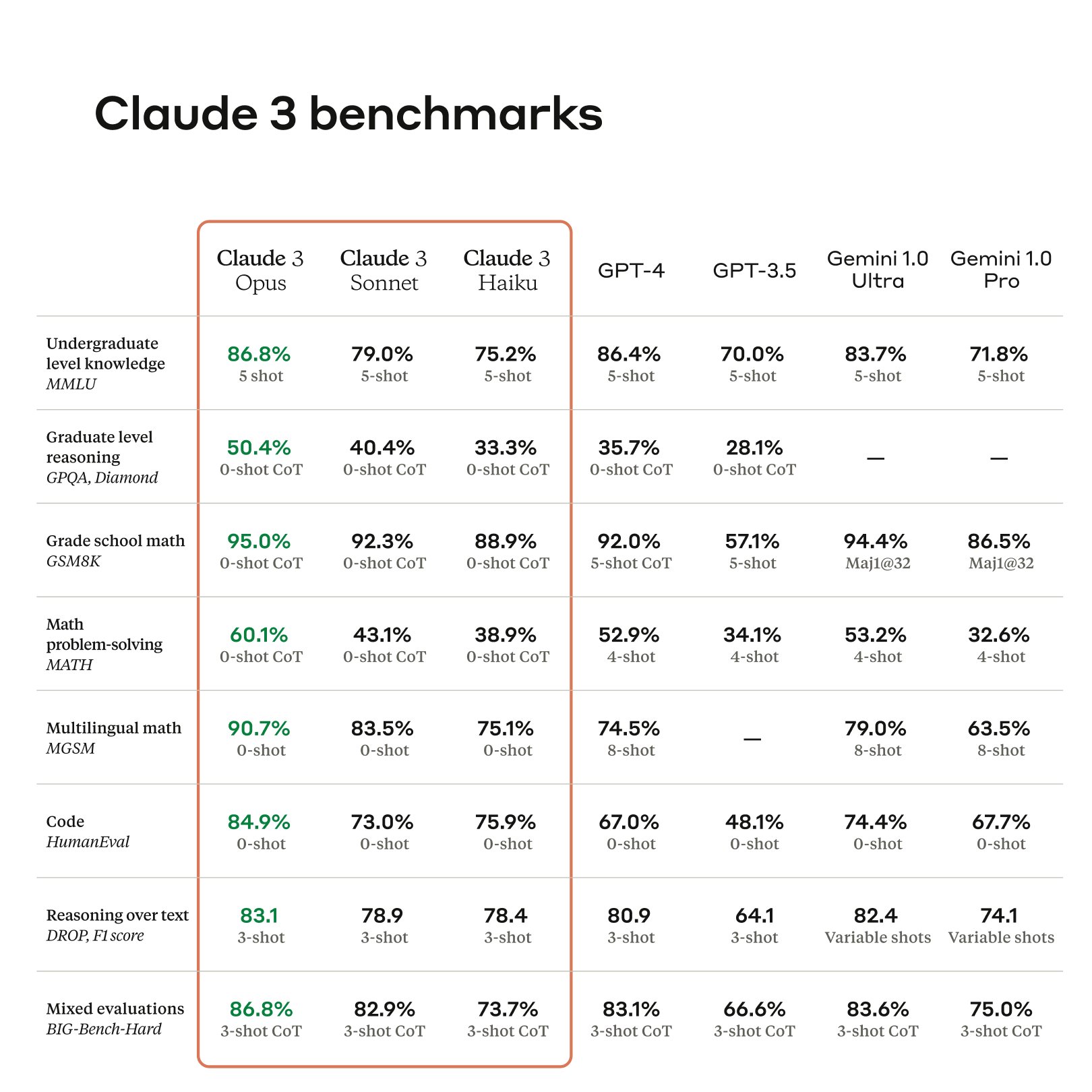
Claude 3 family outperforms GPT-4 on key benchmarks
By
–
1/ Claude 3 Consists of a family of three models (Claude 3 Haiku, Claude 3 Sonnet, and Claude 3 Opus); Claude 3 Opus (the strongest model) seems to outperform GPT-4 on common benchmarks like MMLU and HumanEval.
-

Benchmark Evaluation Reveals Significant Reasoning Gap in LLMs
By
–
2/ Robust Evaluation of Reasoning Proposes functional benchmarks for the evaluation of the reasoning capabilities of LLMs; finds that there is a reasoning gap with current models from 58.35% to 80.31%.
-
Top ML Papers of the Week: Claude 3, KnowAgent, Design2Code
By
–
The Top ML Papers of the Week (March 4 – March 10): • Claude 3
• KnowAgent
• LLM for Law
• Design2Code
• RAG Enhancements Overview
• Robust Evaluation of Reasoning
… -
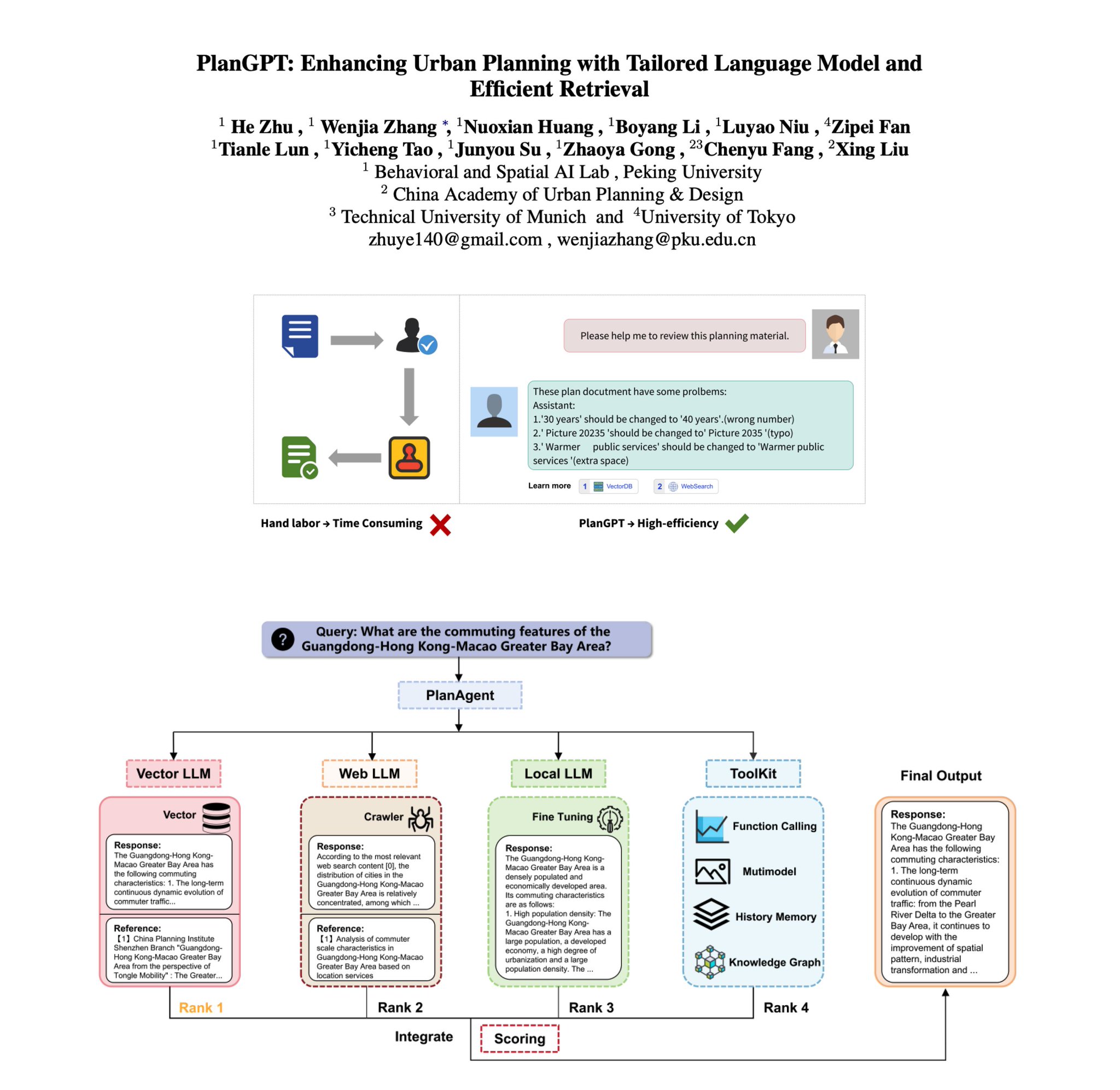
PlanGPT: Multi-Approach Framework for Spatial Planning AI
By
–
10/ PlanGPT – combines multiple approaches like retrieval augmentation, fine-tuning, tool usage, and more; the proposed framework is applied to urban and spatial planning but there are a lot of insights and practical tips that apply to other domains.
-
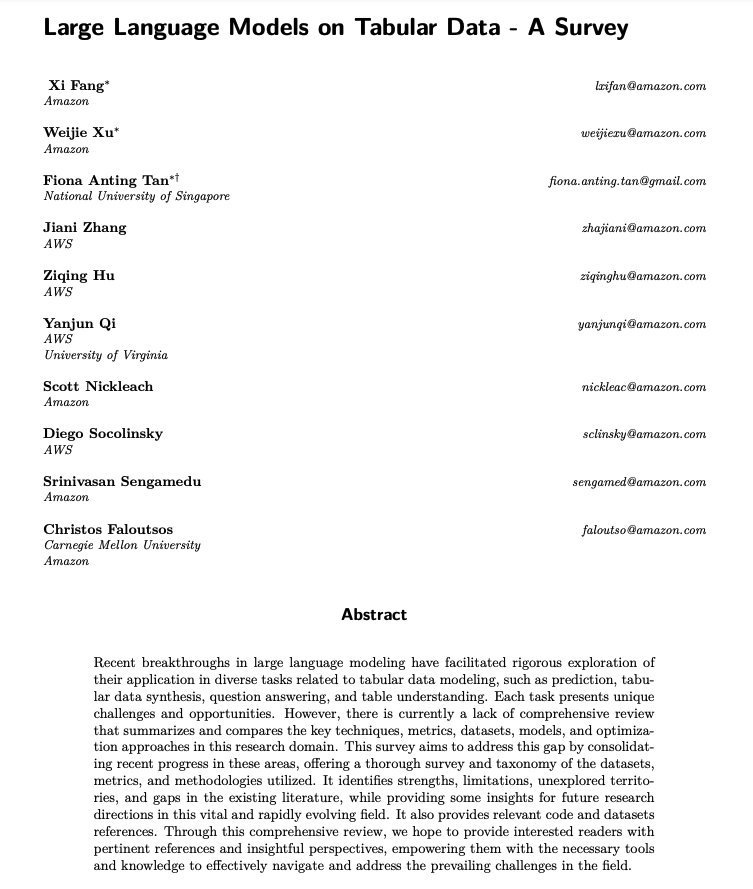
LLMs for Tabular Data: Techniques, Models and Research Directions
By
–
9/ LLMs on Tabular Data – an overview of LLMs for tabular data tasks including key techniques, metrics, datasets, models, and optimization approaches; it covers limitations and unexplored ideas with insights for future research directions.