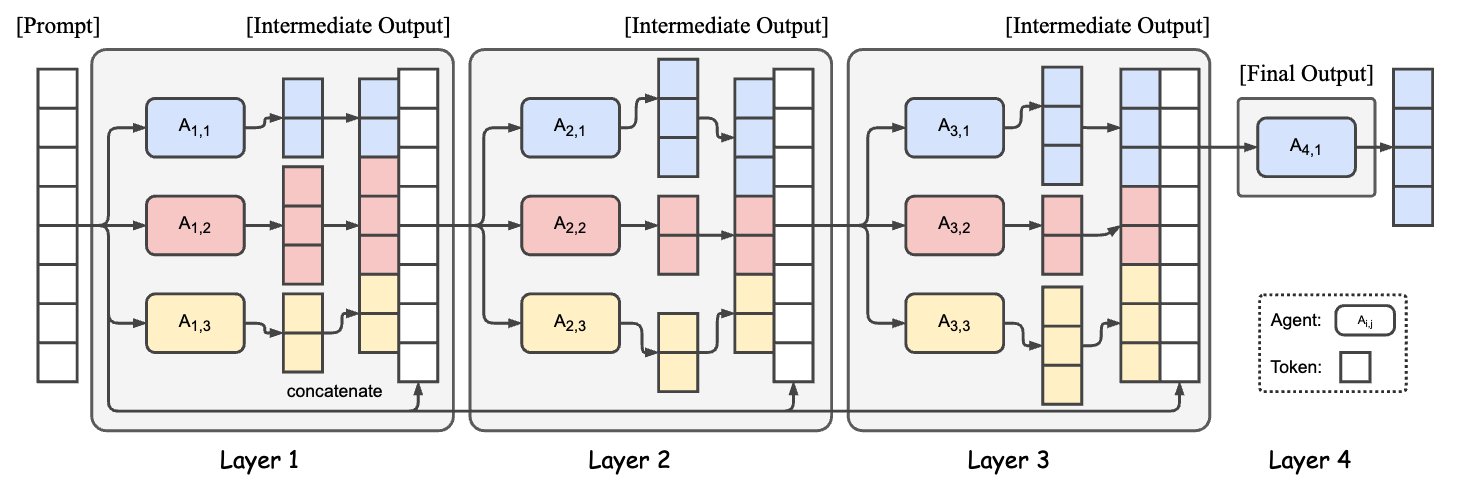
4/ Mixture-of-Agents – an approach that leverages the collective strengths of multiple LLMs through a Mixture-of-Agents methodology; layers are designed with multiple LLM agents and each agent builds on the outputs of other agents in the previous layers.
@dair_ai
-
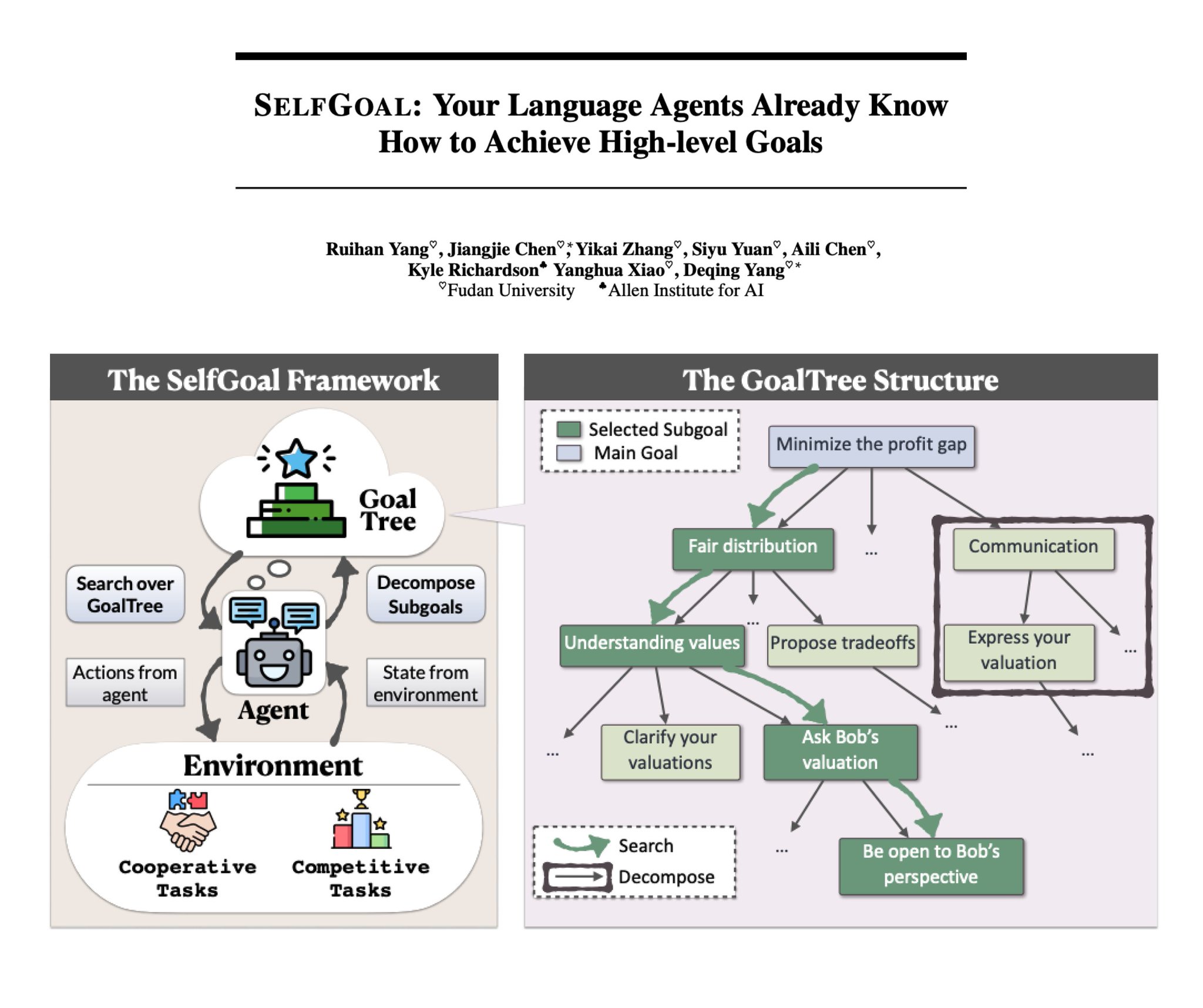
SelfGoal: LLM Agent Framework for Hierarchical Goal Achievement
By
–
3/ SelfGoal – a framework to enhance an LLM-based agent's capabilities to achieve high-level goals; adaptively breaks down a high-level goal into a tree structure of practical subgoals during interaction with the environment.
-
LLM-Driven Discovery of Preference Optimization Algorithms
By
–
2/ Discovering Preference Optimization Algorithms with LLMs – proposes LLM-driven objective discovery of state-of-the-art preference optimization.https://t.co/tXYiVCzW9S
— DAIR.AI (@dair_ai) 16 juin 20242/ Discovering Preference Optimization Algorithms with LLMs – proposes LLM-driven objective discovery of state-of-the-art preference optimization.
-
SimPO: Reference-Free Preference Optimization for Language Models
By
–
10/ SimPO – a simpler and more effective approach for preference optimization with a reference-free reward; uses the average log probability of a sequence as an implicit reward (i.e., no reference model required) which makes it more compute and memory efficient.
-
LLMs for Financial Analysis and Profitable Trading Strategies
By
–
9/ Financial Statement Analysis with LLMs – claims that LLMs can generate useful insights from its analysis of trends and financial ratios; shows that GPT-4 performs on par with narrowly specialized models; and achieves a profitable trading strategy based on GPT’s predictions.
-

Are Long-LLMs Really Necessary for Long-Context Tasks?
By
–
8/ Are Long-LLMs A Necessity For Long-Context Tasks? – claims that long-LLMs are not a necessity to solve long-context tasks…
-
Aya23: Multilingual Language Model Excelling in 23 Languages
By
–
7/ Aya23 – a family of multilingual language models that can serve up to 23 languages; it intentionally focuses on fewer languages and allocates more capacity to these languages; shows that it can outperform other massive multimodal models on those specific languages.
-
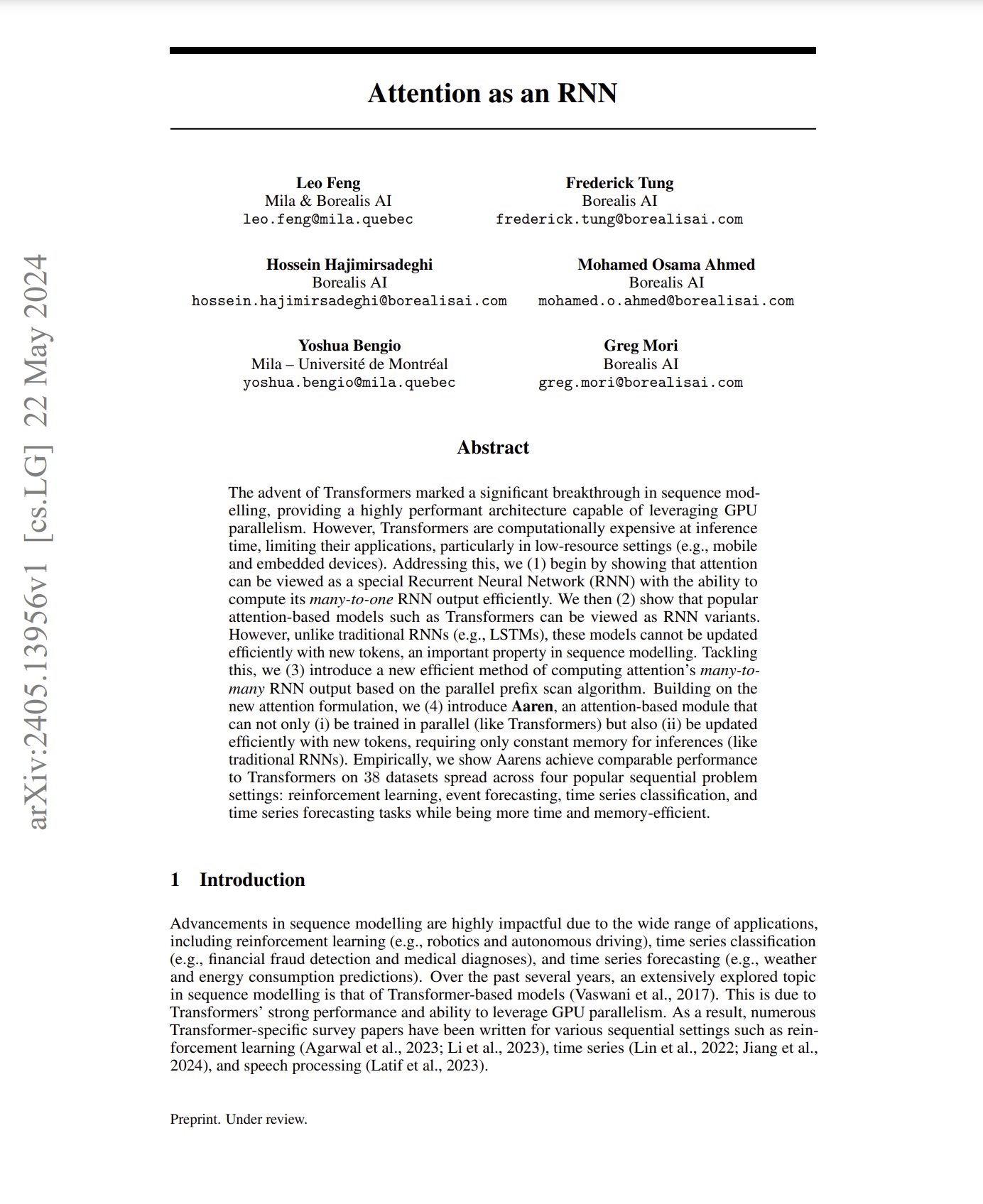
Attention as RNN: Parallel Training with Constant Memory Inference
By
–
6/ Attention as an RNN – presents a new attention mechanism that can be trained in parallel (like Transformers) and be updated efficiently with new tokens requiring constant memory usage for inferences (like RNNs).
-
GNN-RAG: Combining LLMs with Graph Neural Networks
By
–
5/ GNN-RAG – combines the language understanding abilities of LLMs with the reasoning abilities of GNNs in a RAG style; the GNN extracts useful and relevant graph information while the LLM takes the information and leverages its capabilities to perform question answering over
-
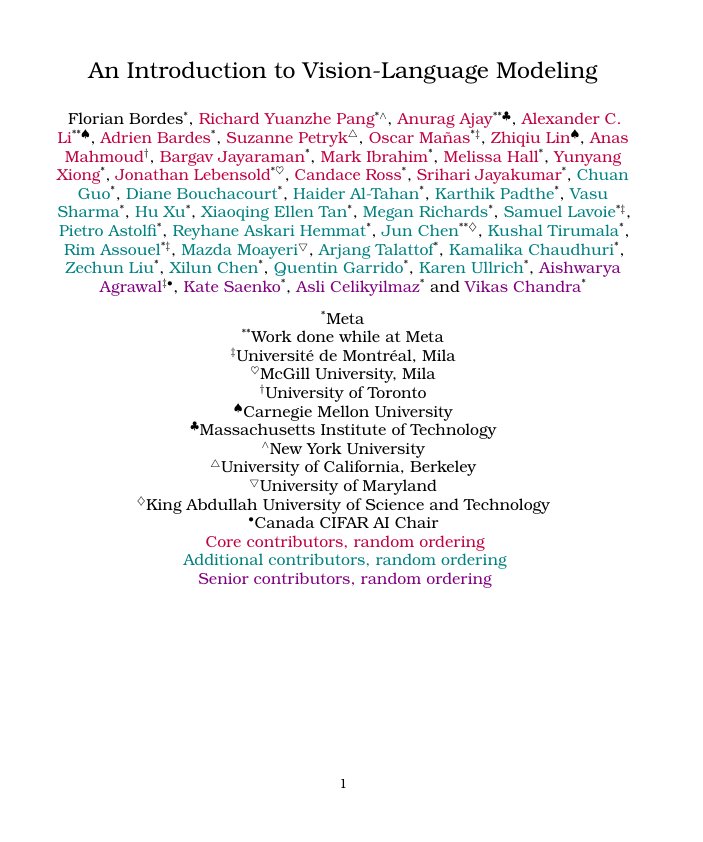
Vision-Language Modeling: Introduction and Effective Training Methods
By
–
4/ Introduction to Vision-Language Modeling – presents an introduction to vision-language models along with key details of how they work and how to effectively train these models.