RQ1: What's necessary for Joy to work as a token 'micro-controller'? Are you wondering why I've been focused on an elegant implementation? I believe this makes two things possible: (i) efficiency needed to generate tokens during training, and (ii) security [additionally]
SYSTEMS
-
Brain as Recurrent Neural Network: Understanding Biological Learning Algorithms
By
–
Fundamentally, the brain is a recurrent neural network. Maybe context windows and “notes to self” are sufficient, but it would be good to understand the learning algorithms that make biological recurrent networks as effective as they are, and we clearly don’t yet.
-
Claude as framework executor building systems from structure
By
–
Claude isn’t a chatbot. It’s a framework executor. You feed it structure, it builds systems.
-
Heavy AI Usage Parallel Instances Performance Limits
By
–
I don't think I ever hit it and I'm a pretty heavy user (I run 3-5x in parallel sometimes), there probably is at some point but not if you are a reasonable user
-
Using ChatGPT to generate n8n workflow architecture and nodes
By
–
The system: 1. I open ChatGPT
2. Paste in 1 mega prompt
3. Describe what I want the agent to do
4. GPT returns: • Architecture
• n8n nodes
• Triggers
• LLM integration
• Error handling
• Code snippets 5. I follow the steps in n8n. Done. -
French AI Models Implement Secondary Failover Solutions
By
–
100% français. Par sécurité et pour maintenir une qualité de service optimale, nous avons mis en place des solutions de failover secondaires si les modèles principaux devaient tomber, ce qui a peu de chance d’arriver.
-
Parallel Graph-Retrieval-Augmented Reasoning for Medical Knowledge
By
–
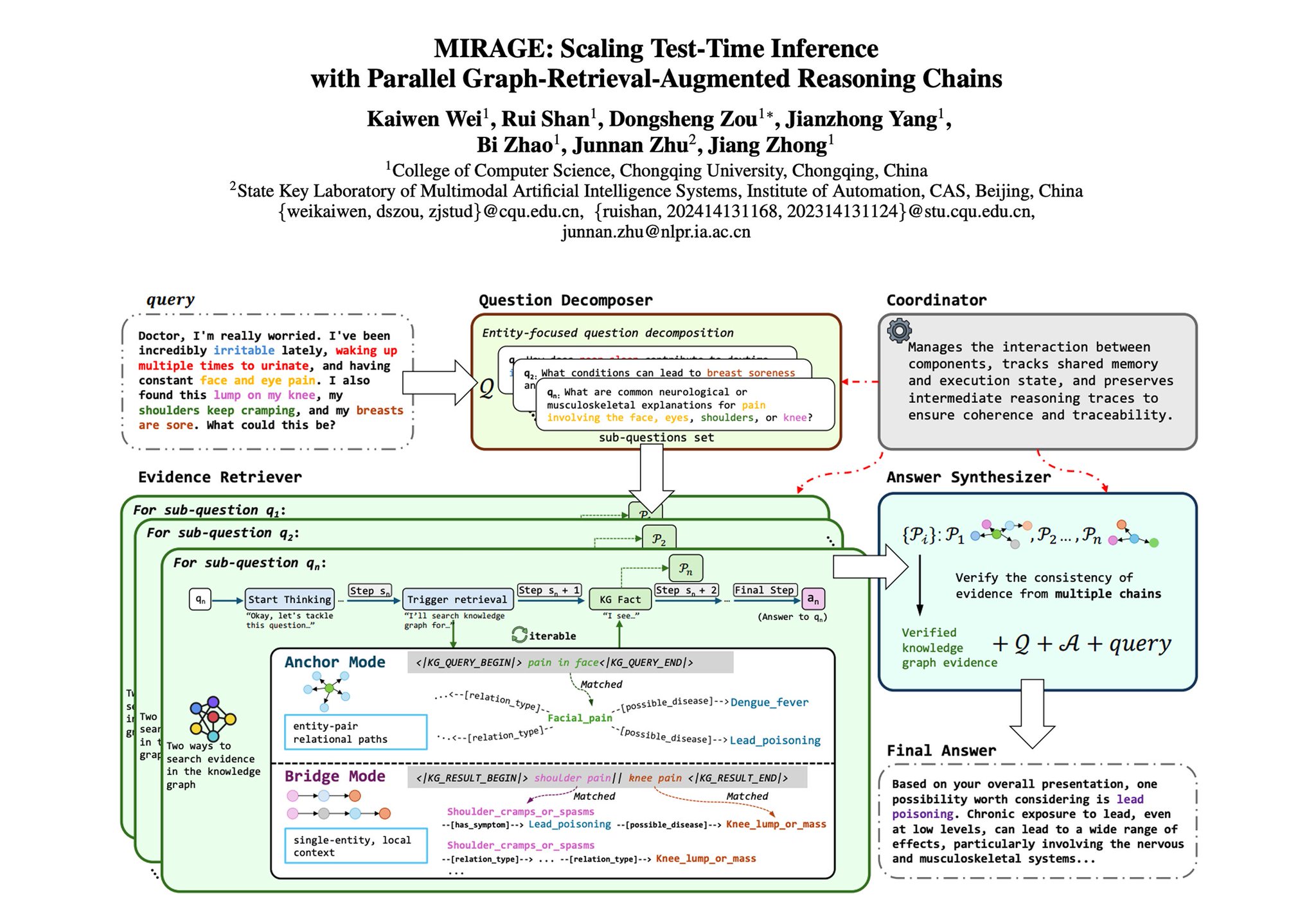
5. Parallel Graph-Retrieval-Augmented Reasoning A test-time reasoning framework that replaces a single linear chain with multiple parallel, entity-grounded chains over medical knowledge graphs.
-
No Viable Model Explains Self-Driving AI This Way
By
–
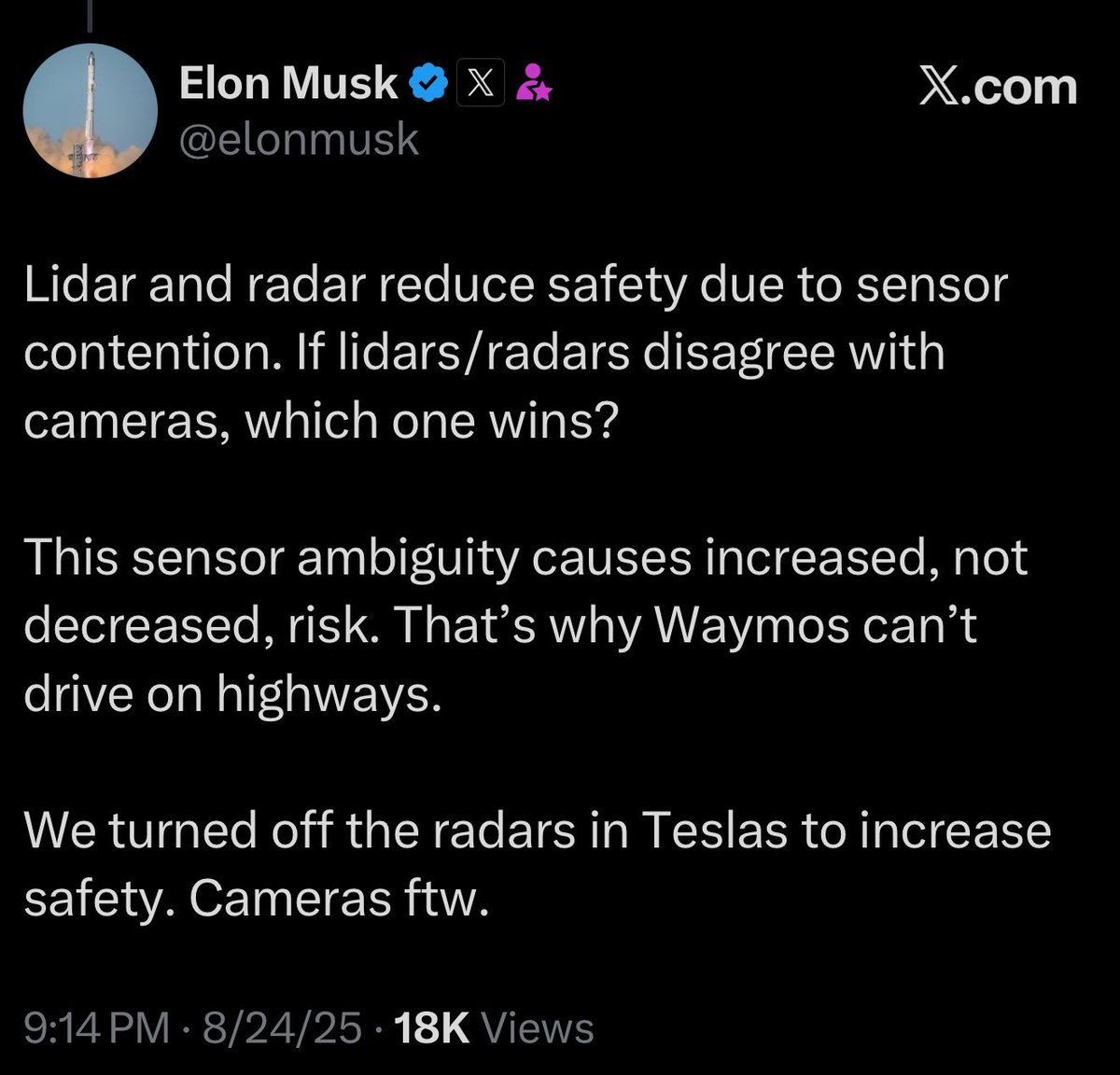
That's because there is, in fact, no model of how self-driving AI works where this explanation makes sense.
-
AIoT paradigm enables intelligent autonomous action across connected devices
By
–
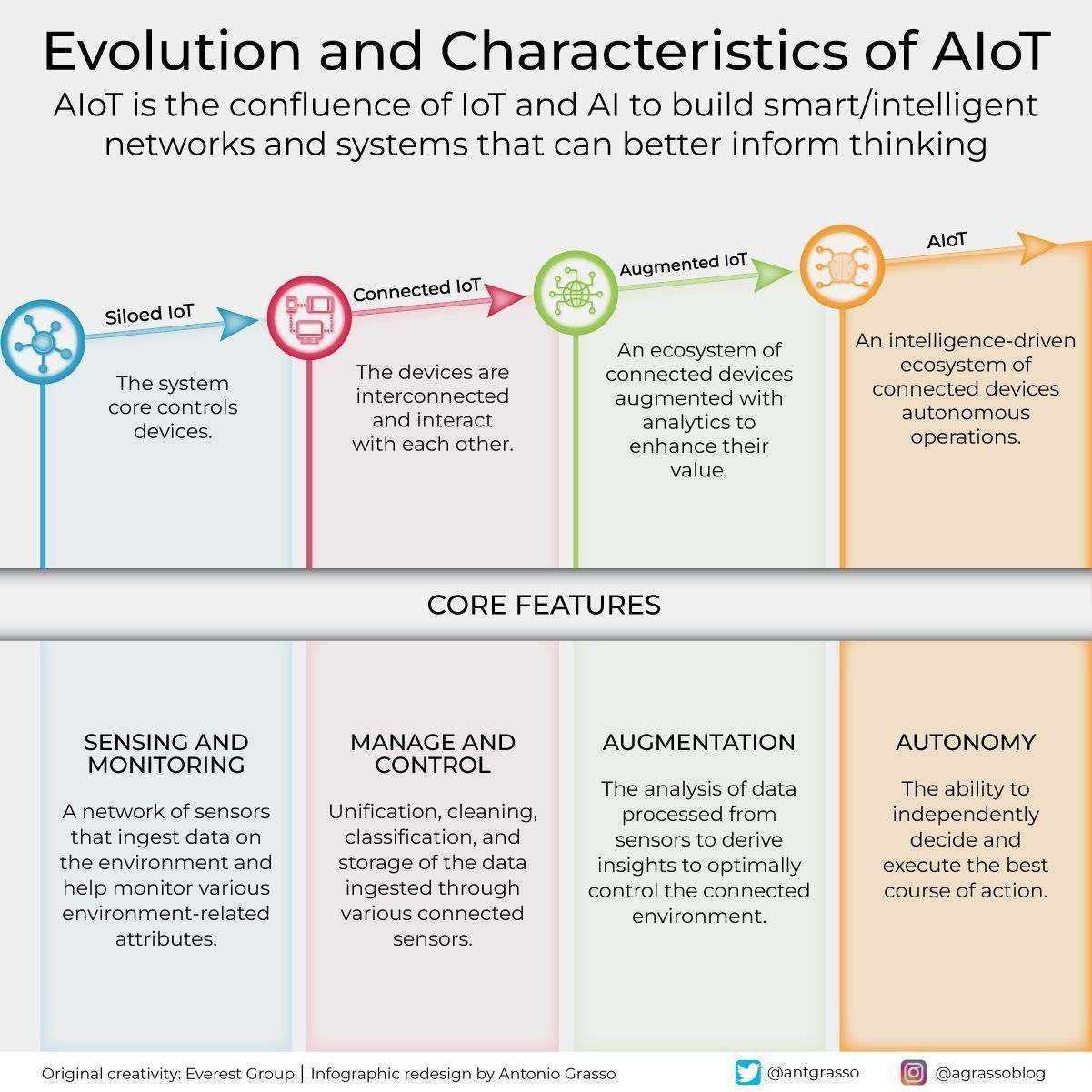
By merging sensing, analytics, and autonomy across interconnected devices, the AIoT paradigm shifts from mere data collection to intelligent action, opening new directions in how systems perceive, interpret, and respond to their environments. Microblog by @antgrasso
-
AI failures caused by misusing tools and forcing platforms
By
–
Most failures in AI systems come from misusing tools. Trying to force one platform to do both jobs is where complexity collapses.