A fair reminder, because embodiment forces systems to deal with friction, uncertainty, and time in ways no abstraction can fully anticipate.
SYSTEMS
-
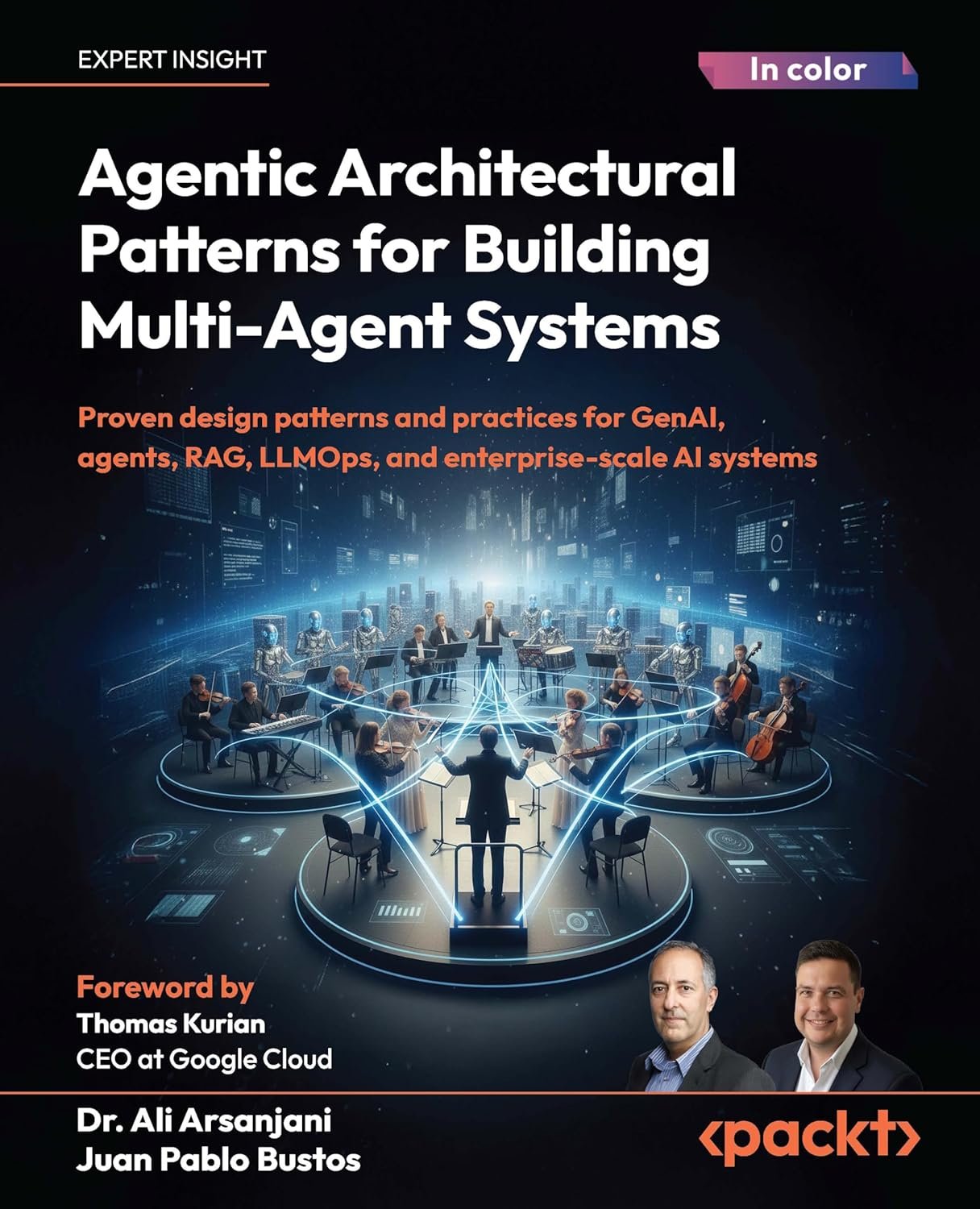
New book: Agentic Architectural Patterns for Multi-Agent AI Systems
By
–
New release from @PacktDataML @PacktPublishing "Agentic Architectural Patterns for Building Multi-Agent Systems: Proven design patterns and practices for GenAI, agents, RAG, LLMOps, and enterprise-scale AI systems" See it at https://
amzn.to/3MaHy8T 𝕋𝕒𝕓𝕝𝕖 𝕠𝕗 -
Global Metric for Autonomous AI Agents Beyond LLMs
By
–
We need a new global metric – like GDP, population size, equality index – but for autonomous AI agents. Not LLMs. Not scripted bots. Not even Claude Code-like agents. Agents with identity, running 24/7 nonstop, with real goals, tools, evolving personality, memory, learning.
-
Optimizing vLLM Deployments: Workload Tuning and Metrics Scaling
By
–
5/5 The takeaway: know your workload, tune your config, scale on metrics that reflect client experience. These lessons apply beyond GRPO – any high-throughput vLLM deployment facing variable load can benefit. Full blog post:
-
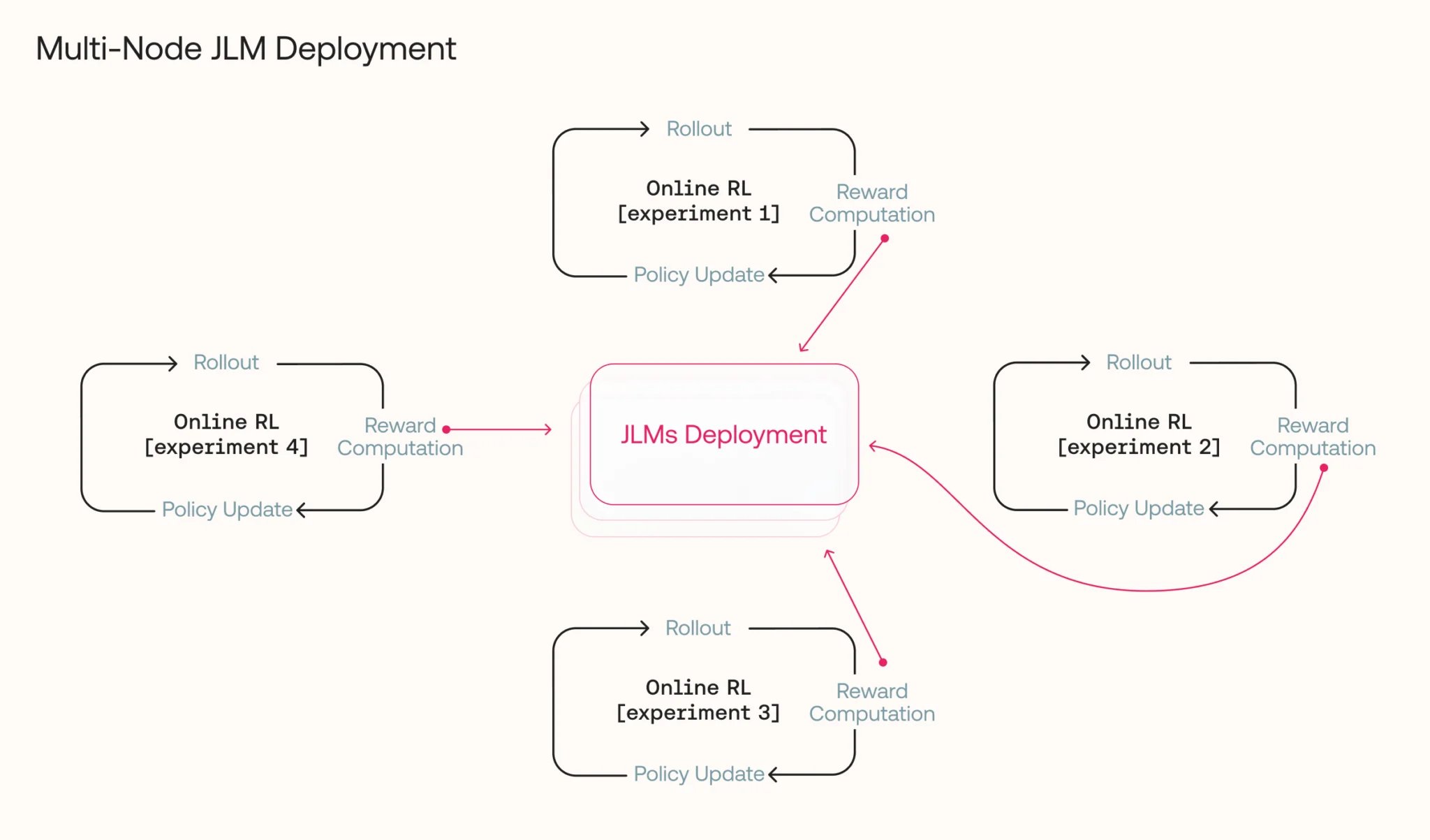
JLM Deployment Sharing Across Multiple Training Jobs for GPU Optimization
By
–
2/5 The setup: JLMs are used only during the reward phase of Online RL, sitting idle the rest of each step. To avoid GPU waste, we shared JLM deployments across multiple training jobs. This improved utilization but exposed JLMs to unpredictable traffic bursts from multiple
-
Kling 3.0: Removing technical barriers for cinematic scene creation in one pass.
By
–
The goal of Kling 3.0 is simple:
— AI Breakfast (@AiBreakfast) 9 février 2026
Remove the technical ceiling between an idea and a finished scene. Direction, coverage, pacing, and shot logic now happen in one pass.
You describe intent once and the system executes with real cinematic structure.
Also Kling 3.0 now supports… pic.twitter.com/Z41fanoe8eThe goal of Kling 3.0 is simple: Remove the technical ceiling between an idea and a finished scene. Direction, coverage, pacing, and shot logic now happen in one pass. You describe intent once and the system executes with real cinematic structure. Also Kling 3.0 now supports
-

Systems Over Hustle: Building Reliable Automation
By
–
Effort doesn't scale.
— Ronald Schmelzer (@rschmelzer) 7 février 2026
Energy doesn't compound.
Motivation is unreliable.
Systems?
They don't get tired.
They don't need pep talks.
They don't burn out.
Build systems. Not hustle.
🔗 https://t.co/3X9xWmIWzC pic.twitter.com/Heo9wIYi8UEffort doesn't scale.
Energy doesn't compound.
Motivation is unreliable. Systems?
They don't get tired.
They don't need pep talks.
They don't burn out. Build systems. Not hustle. https://
scalebrate.com/podcast/ambiti
ous-but-lazy
… -

Agentic Architectural Patterns for Multi-Agent GenAI Systems
By
–
New release v/ @PacktDataML @PacktPublishing "Agentic Architectural Patterns for Building Multi-Agent Systems: Proven design patterns and practices for GenAI, agents, RAG, LLMOps, and enterprise-scale AI systems" See it at http://
amzn.to/3MaHy8T 𝕋𝕒𝕓𝕝𝕖 𝕠𝕗 -
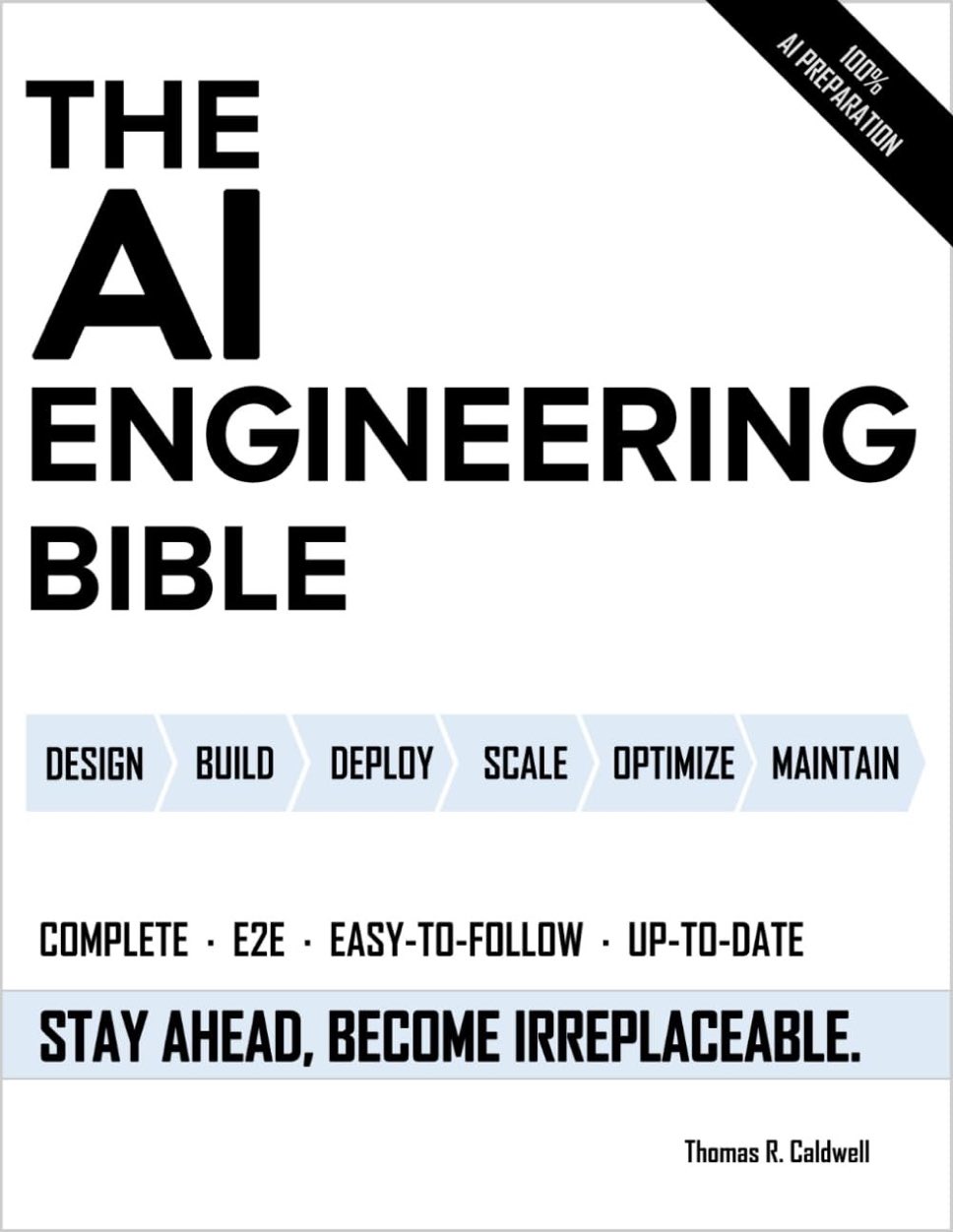
The AI Engineering Bible: Guide to Production-Ready AI Systems
By
–
"The AI Engineering Bible: The Complete and Up-to-Date Guide to Build, Develop and Scale Production Ready AI Systems" Stay Ahead. Become Irreplaceable. …with this book: http://
amzn.to/4jOVbXG The AI Engineering Bible takes a full-stack engineering perspective—helping you -

Human intelligence as infrastructure: systems sourcing, evaluating, and compounding expert work
By
–
This is interesting because it treats human intelligence as infrastructure, not labor. These guys are building systems that source, evaluate, and compound expert work directly into training/eval/reward models: