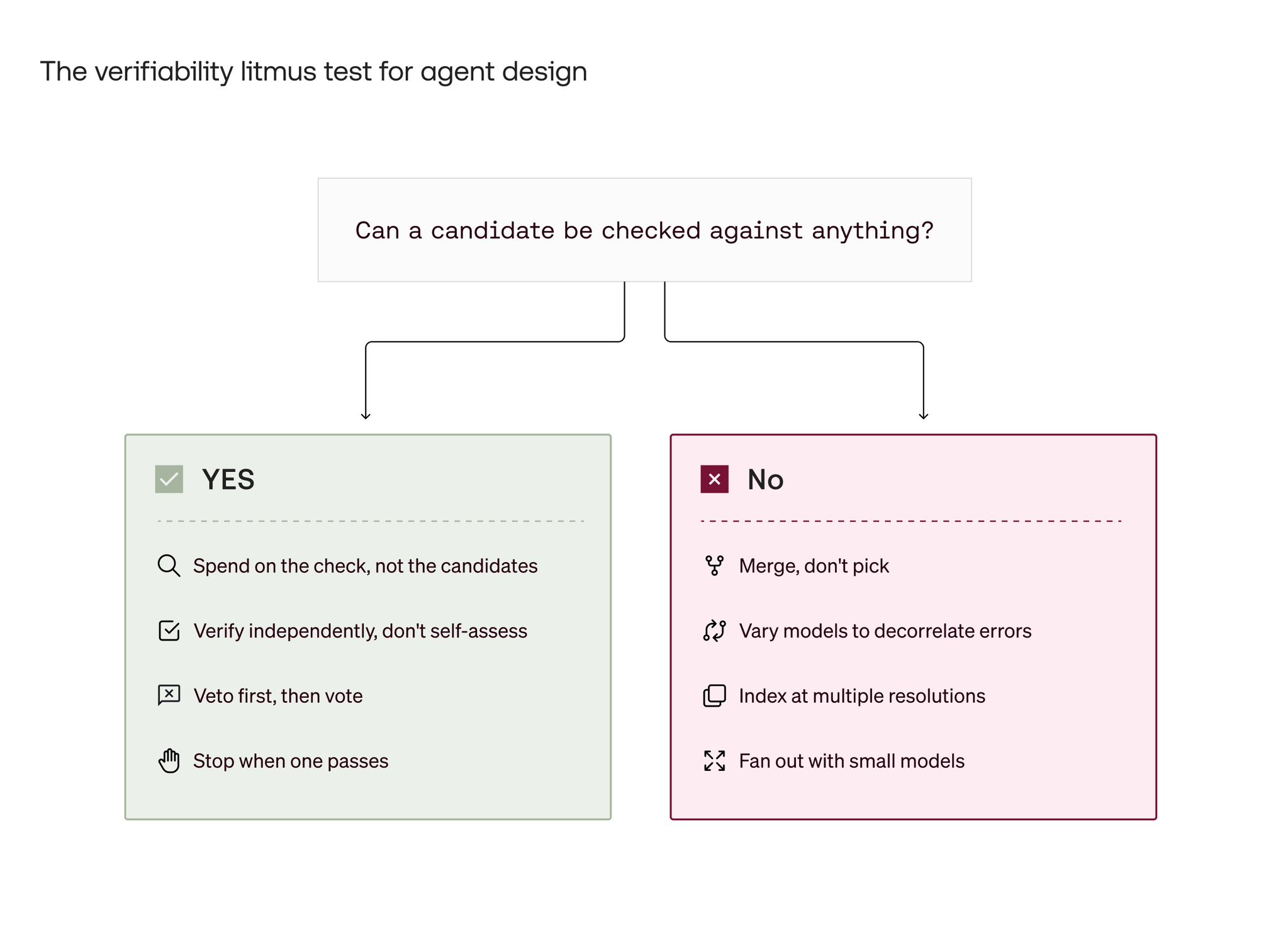
We analyzed a year of agent research across 4 tasks: deep research, RAG indexing, agentic search and coding. Found that first asking ‘Is this task verifiable?’ exposed inefficiencies in the agent architecture that were worth optimizing before reaching for the scaling lever.
@ai21labs
-
Merging 7 weak agents creates top deep research score of 64.38
By
–
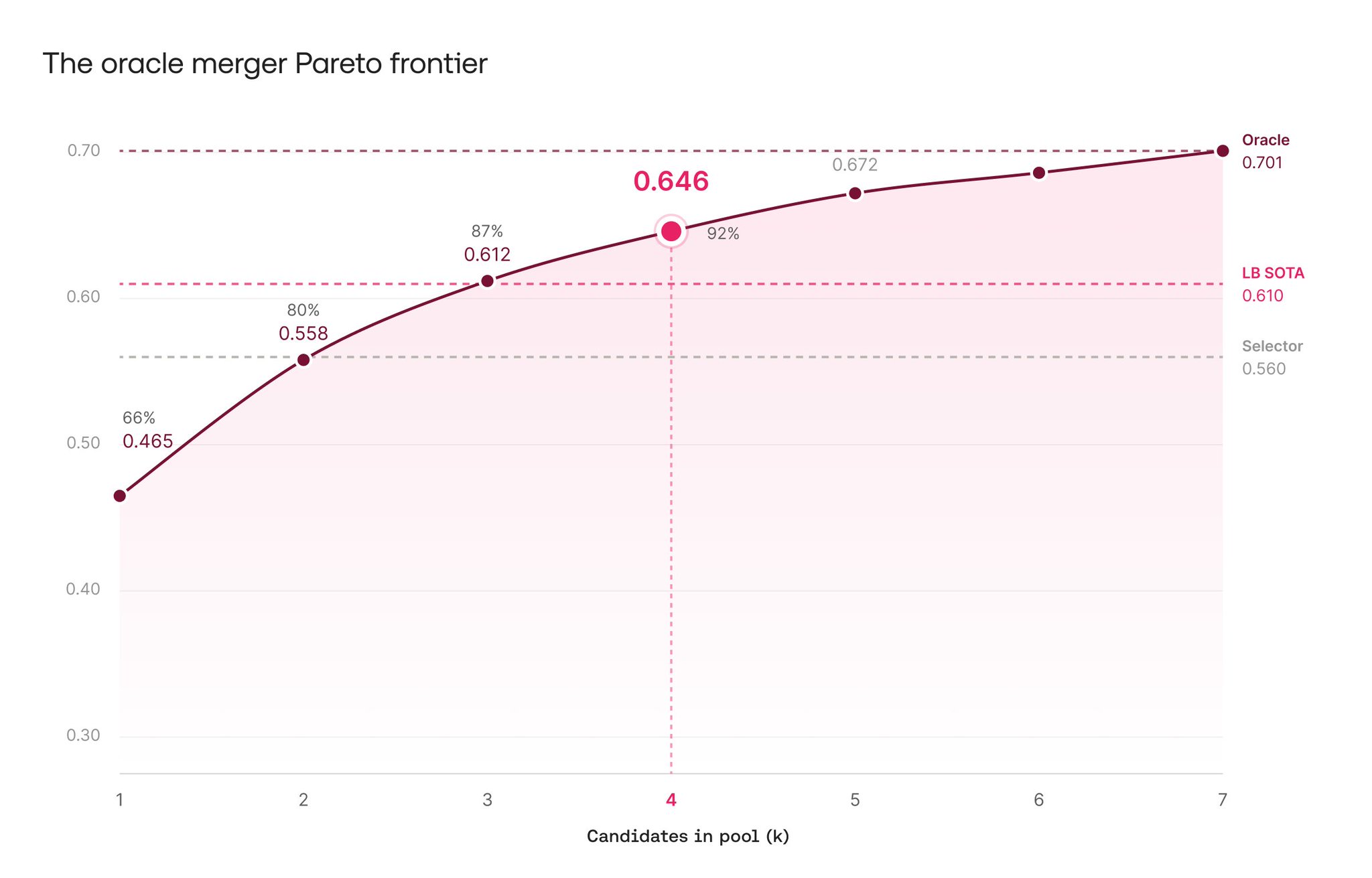
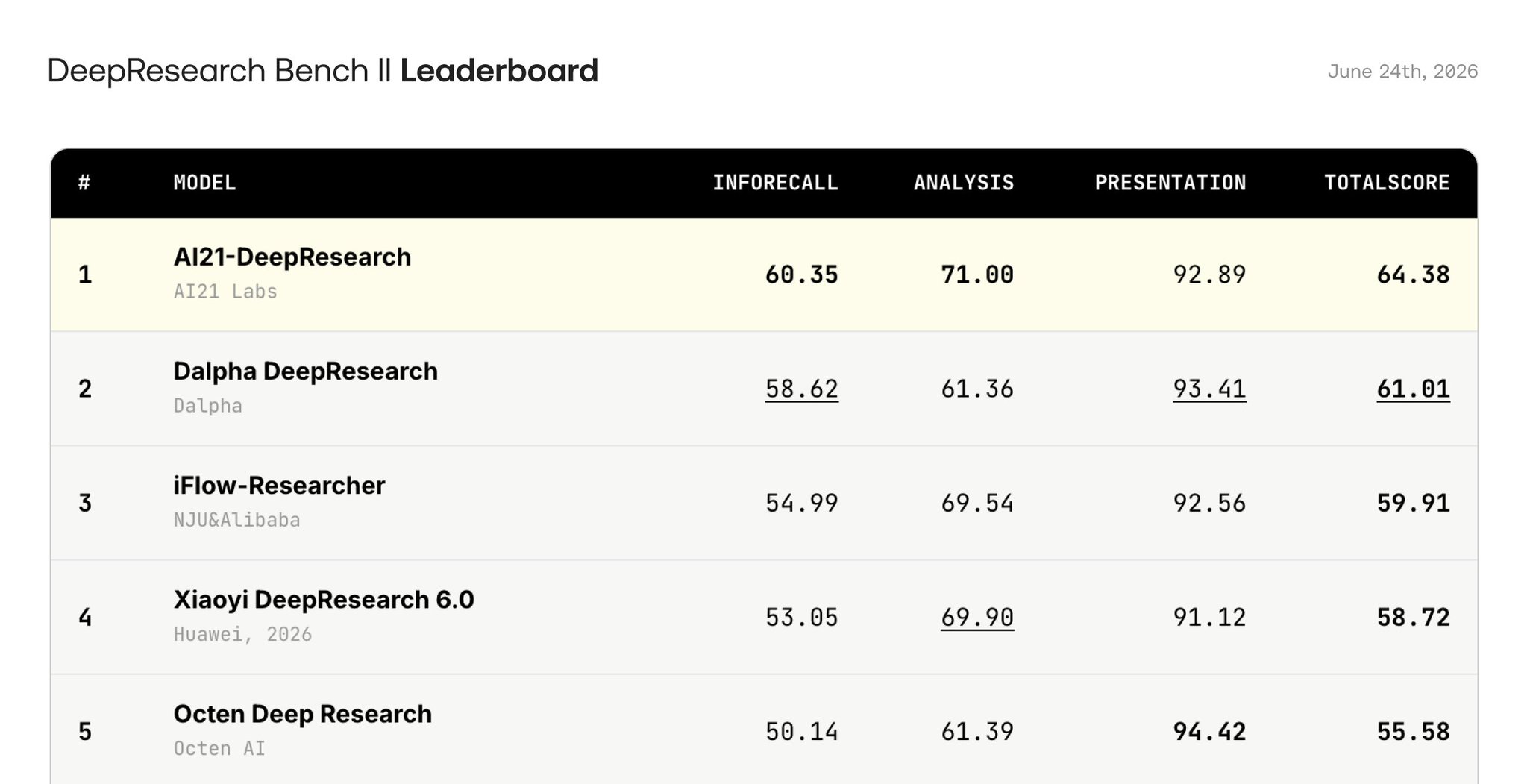
3/3 We took 7 weak agents (ranks 7-13, none scoring >45) from the leaderboard & merged them into 1 report/task. Essentially boosting for deep research. The result: New #1 DRB II TotalScore of 64.38. Full write-up here:
-
How we beat the deep research agent by going the other way
By
–
2/3 Six months ago, the best deep research agent scored ~45. Since, everyone's tried to beat this score with better agents. We went the other way.
-
AI21Labs lands #1 on DeepResearch Bench II without new agents
By
–
1/3 We just landed #1 on DeepResearch Bench II without building a single new agent.
-
Pipeline order is a hyperparameter for optimizing LLM execution strategies
By
–
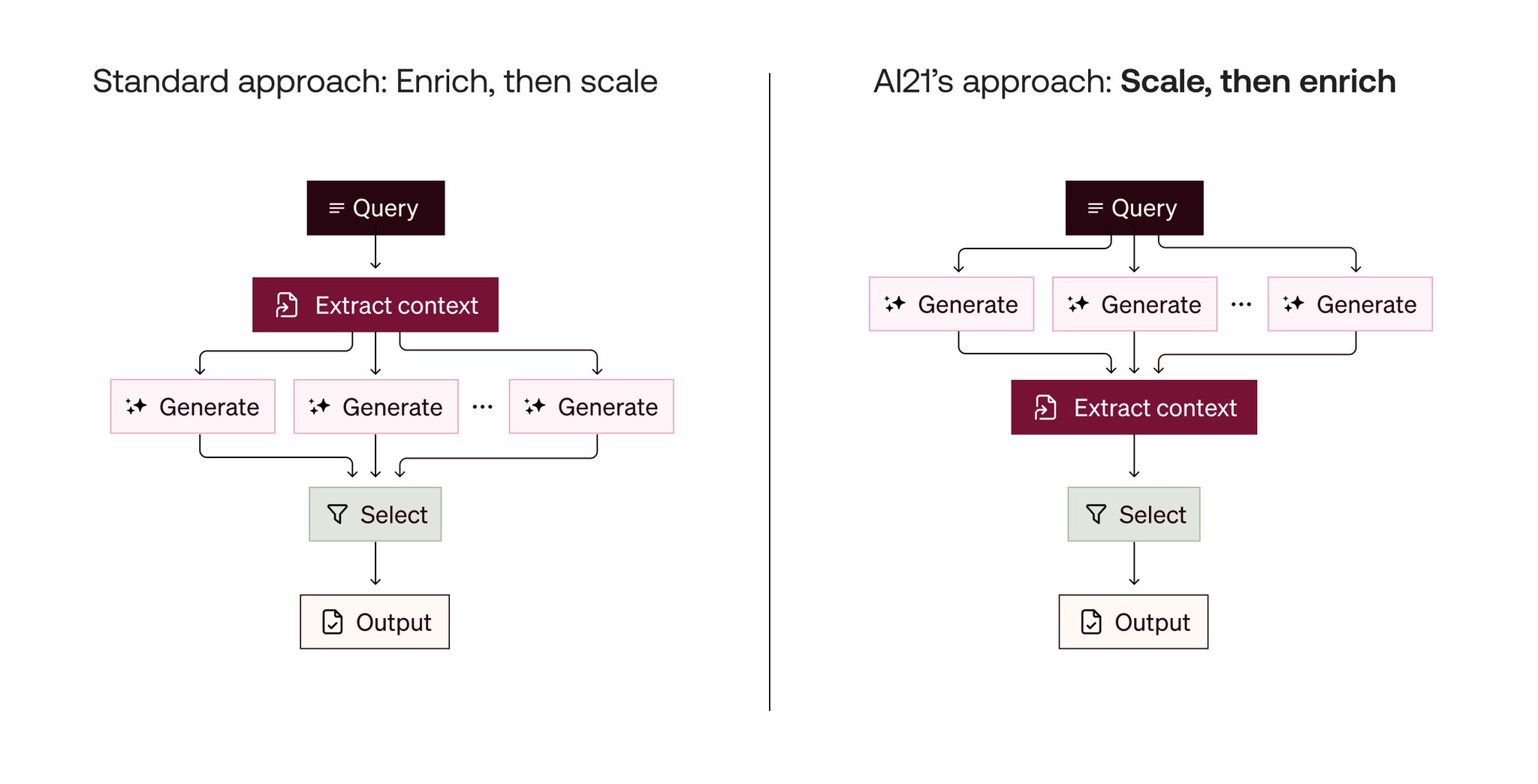
5/5 Takeaway: pipeline order is a hyperparameter. If you're already paying for parallel rollouts, reuse them – they're relevant context, not just candidate answers. Full write-up: [
https://
ai21.com/blog/first-sca
le-then-enrich-how-the-right-execution-strategy-helped-us-reach-state-of-the-art-on-swe-rebench/?utm_source=org-twitter
…] -
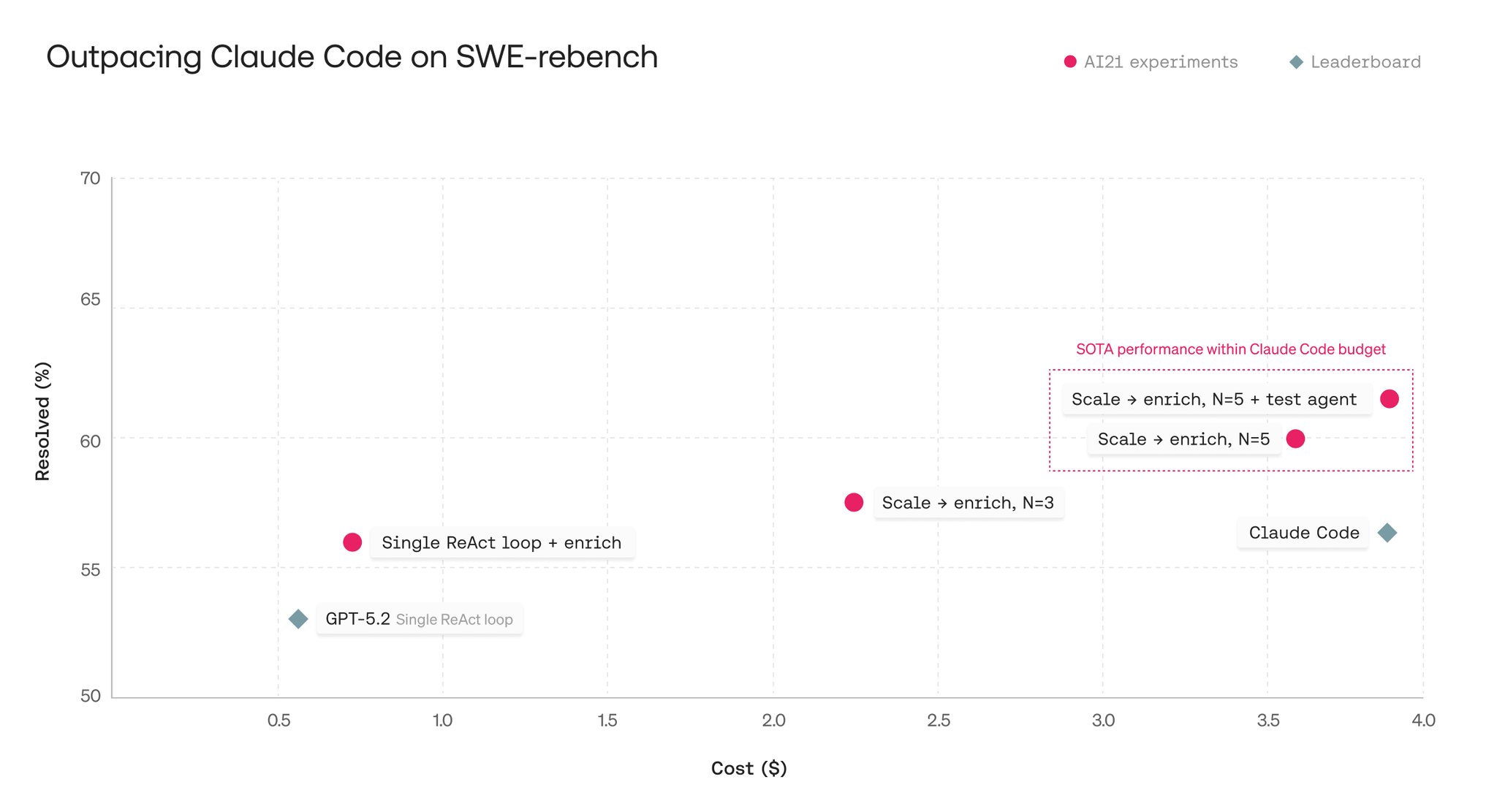
AI21 Labs surpasses Claude Code in efficiency and performance with Test Agent.
By
–
4/5 Still came in ~$0.30 under Claude Code’s spend at a similar score. So we added a lightweight Test Agent that writes repo tests and filters failing patches, pushing our final result to 60.9% – surpassing Claude Code (60.9% vs 56.2%) at the same cost.
-
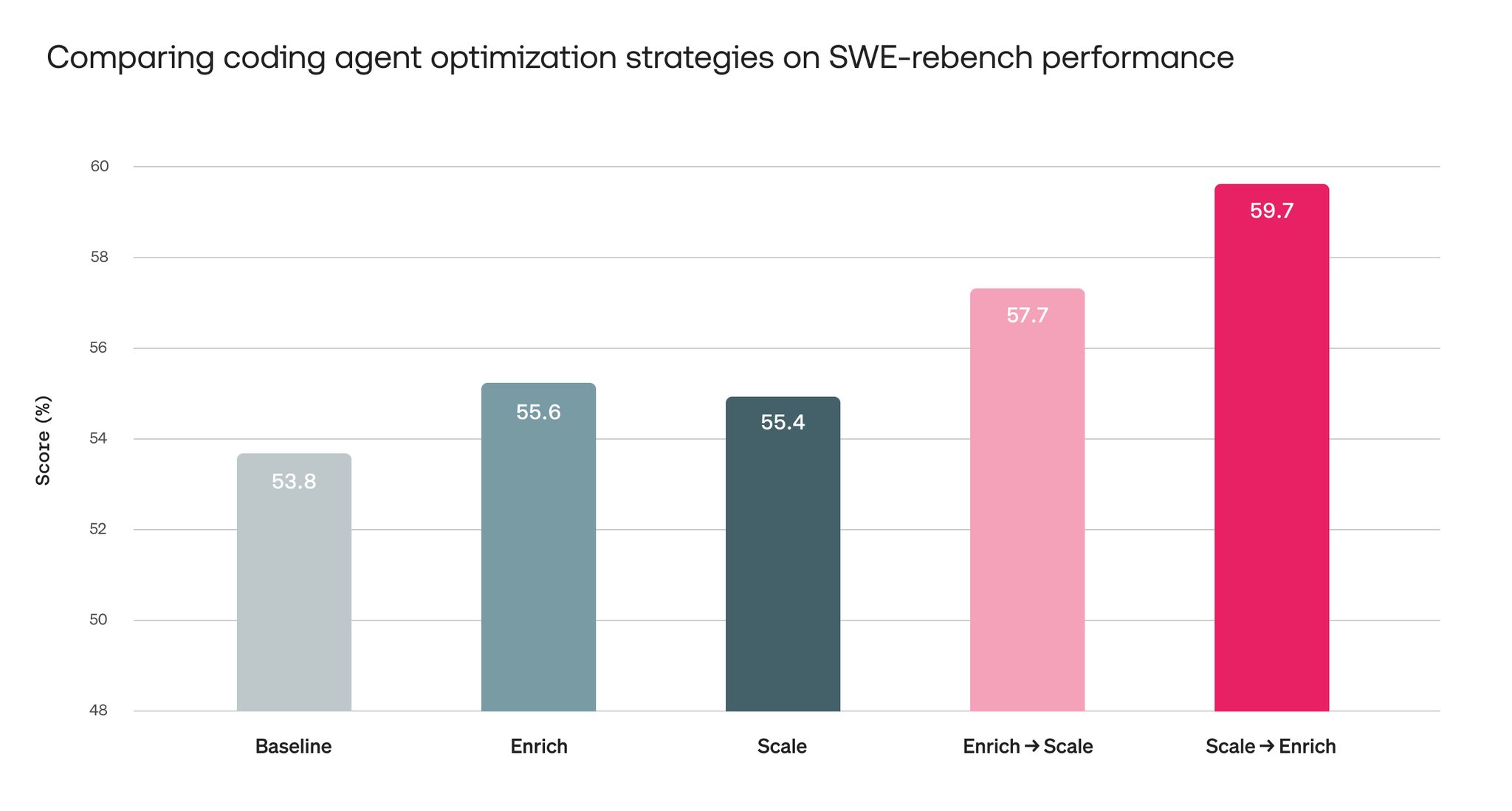
AI21 Labs: ReAct Agent Performance with Enrichment and Scaling Strategies
By
–
2/5 Started with a baseline: classic ReAct agent (GPT-5.2), single Docker-terminal tool. Baselines on the slice: vanilla 53.8%, enrich-only 55.6%, scale-only (n=5 + LLM judge) 55.4%, enrich-then-scale 57.7%.
-
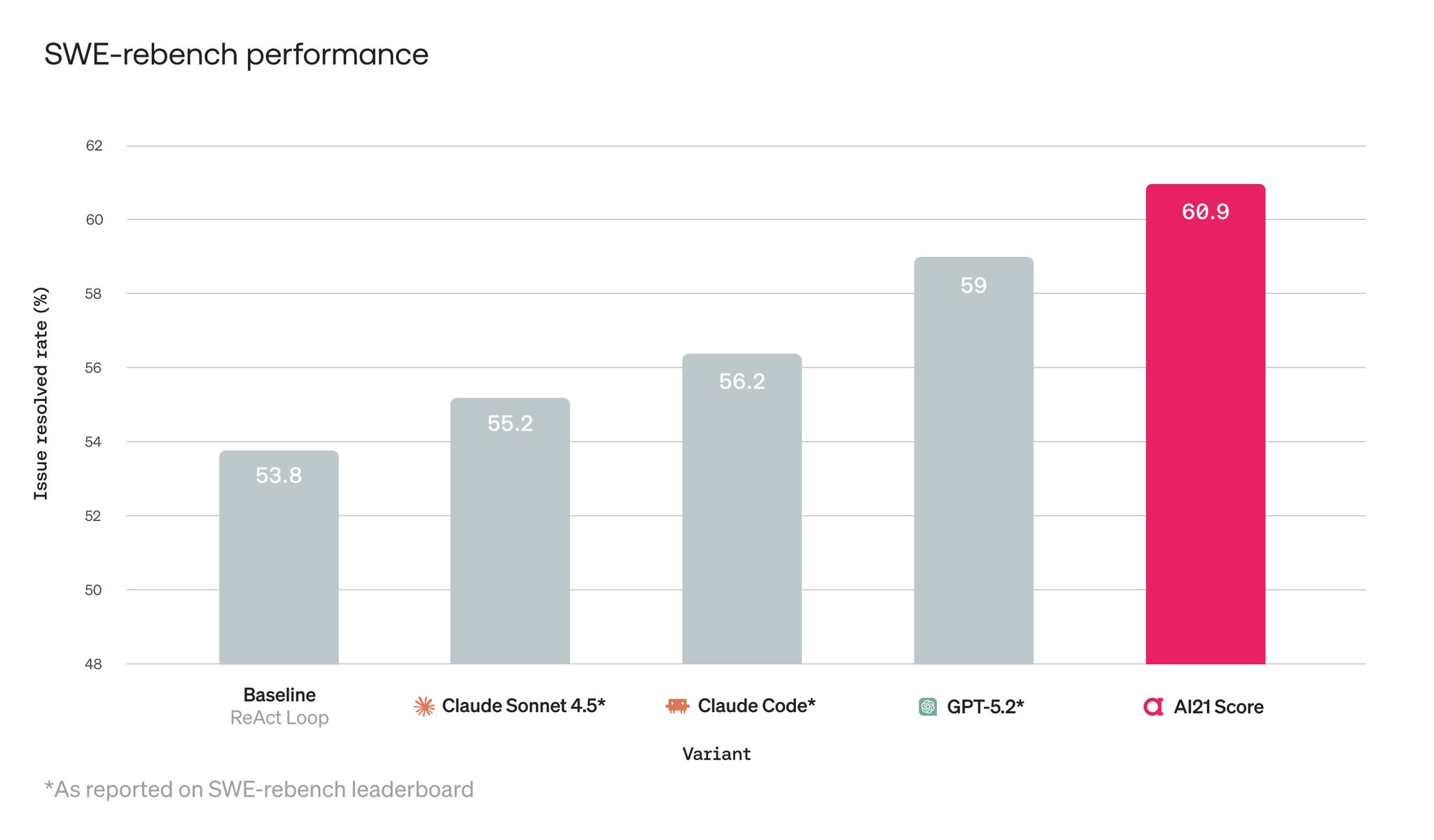
AI21 Labs: Reversing agent pipeline order achieves SOTA results
By
–
1/5 Our latest Labs in Front piece: Agent pipeline order matters. By reversing a common agent recipe – scale first, enrich second – we reached SOTA on a Dec ‘25 to Mar ‘26 slice (123 issues): 60.9%.
-
AI21 Labs unveils new prompt caching capabilities
By
–
5/5 What this unlocks: – Change one prompt, serve cached results for all other components.
– A/B test any component against identical upstream outputs.
– Run best-of-N inference without N branches collapsing to the same answer. Full design methodology here: -
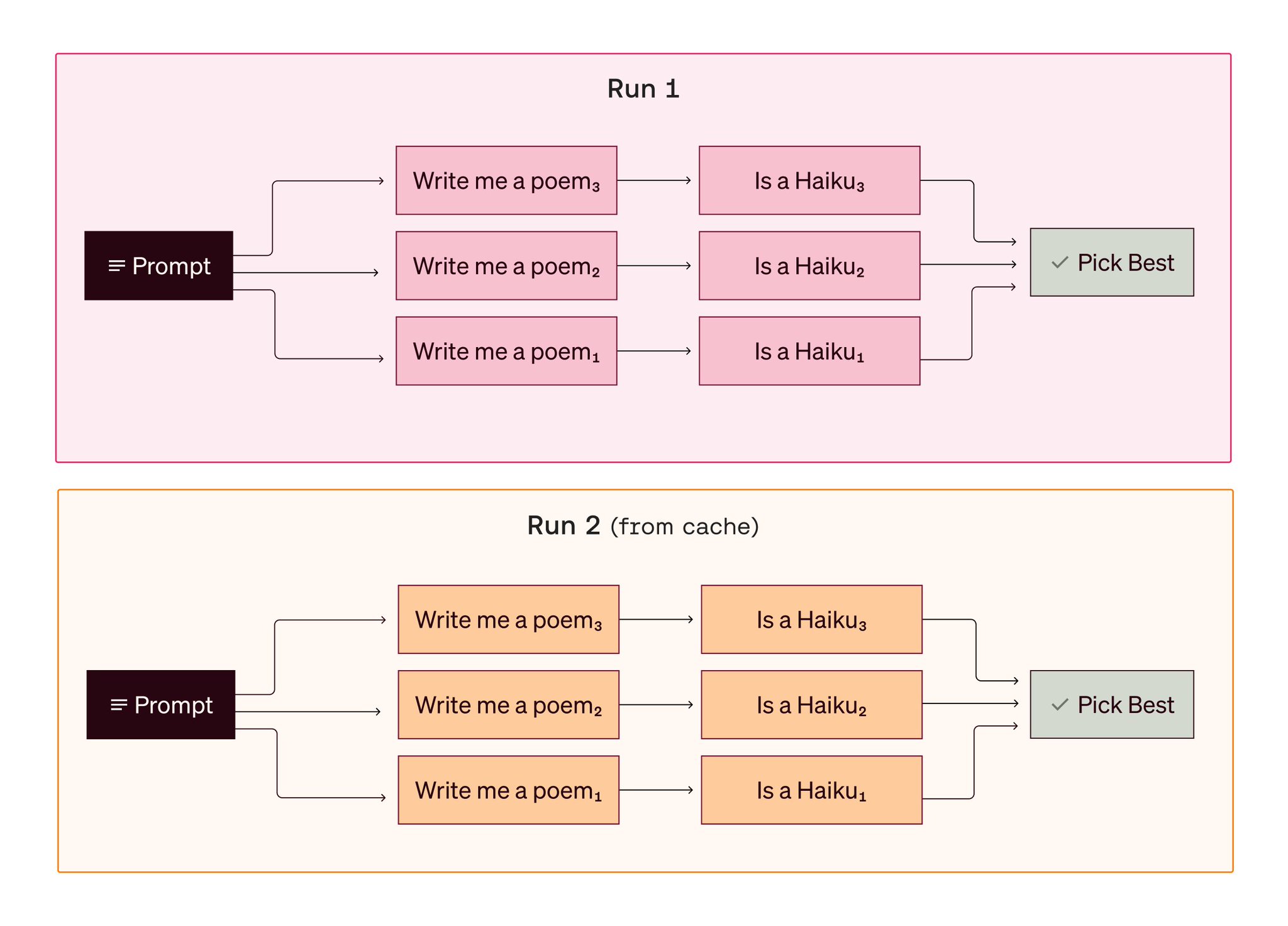
Designing cache keys to reproduce variance
By
–
2/5 This was tripping up our agent evals. The question we needed to answer: how do you design a cache key that can reproduce variance? Meaning, know when to reuse results and when to recompute.