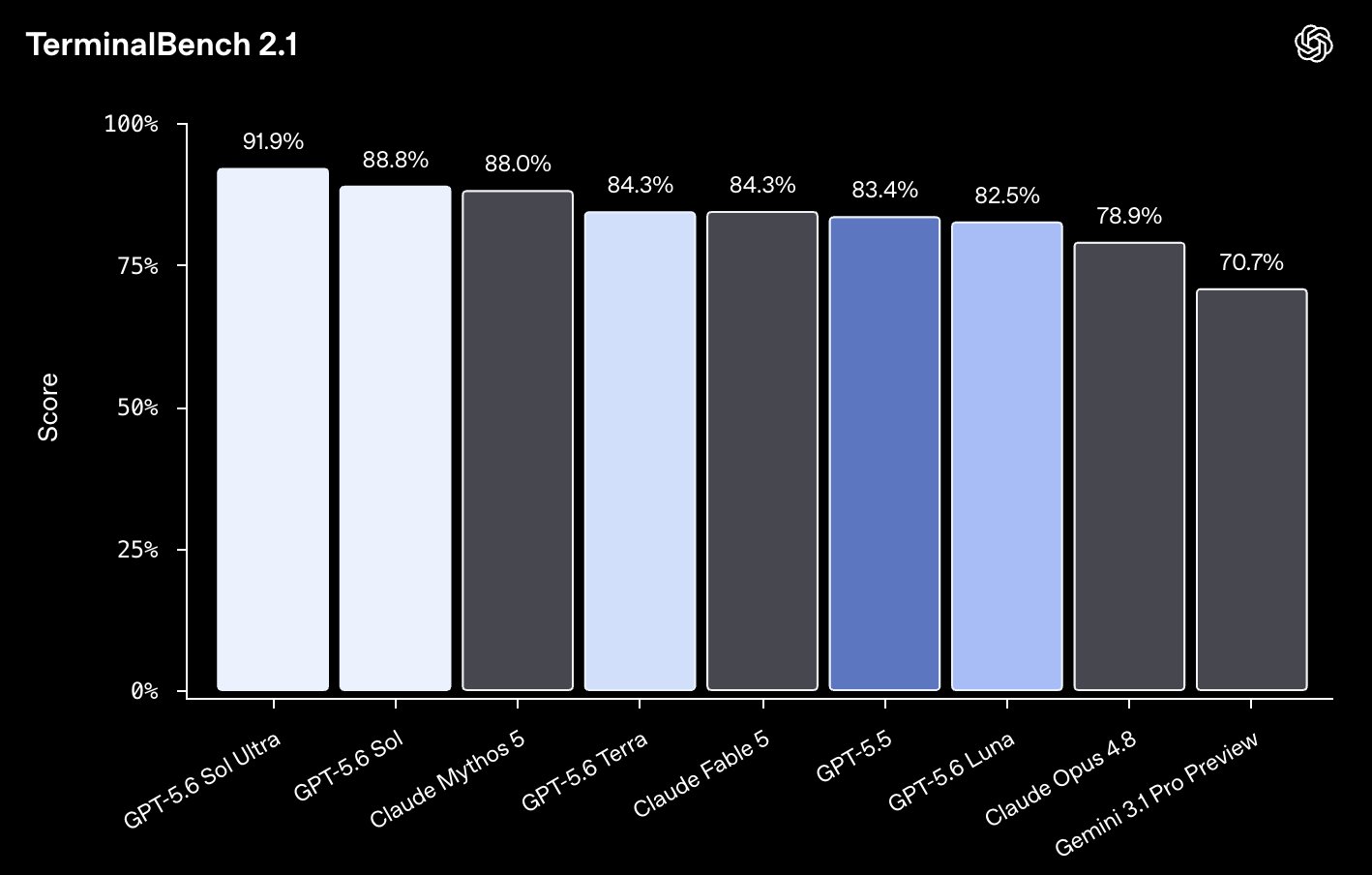
AI is most impactful when it's tailored to the way teams already work. Discover how Zaha Hadid Architects uses local compute, fine-tuned AI models, and NVIDIA technologies to build custom AI tools that accelerate design while keeping proprietary data secure.
RESEARCH
-
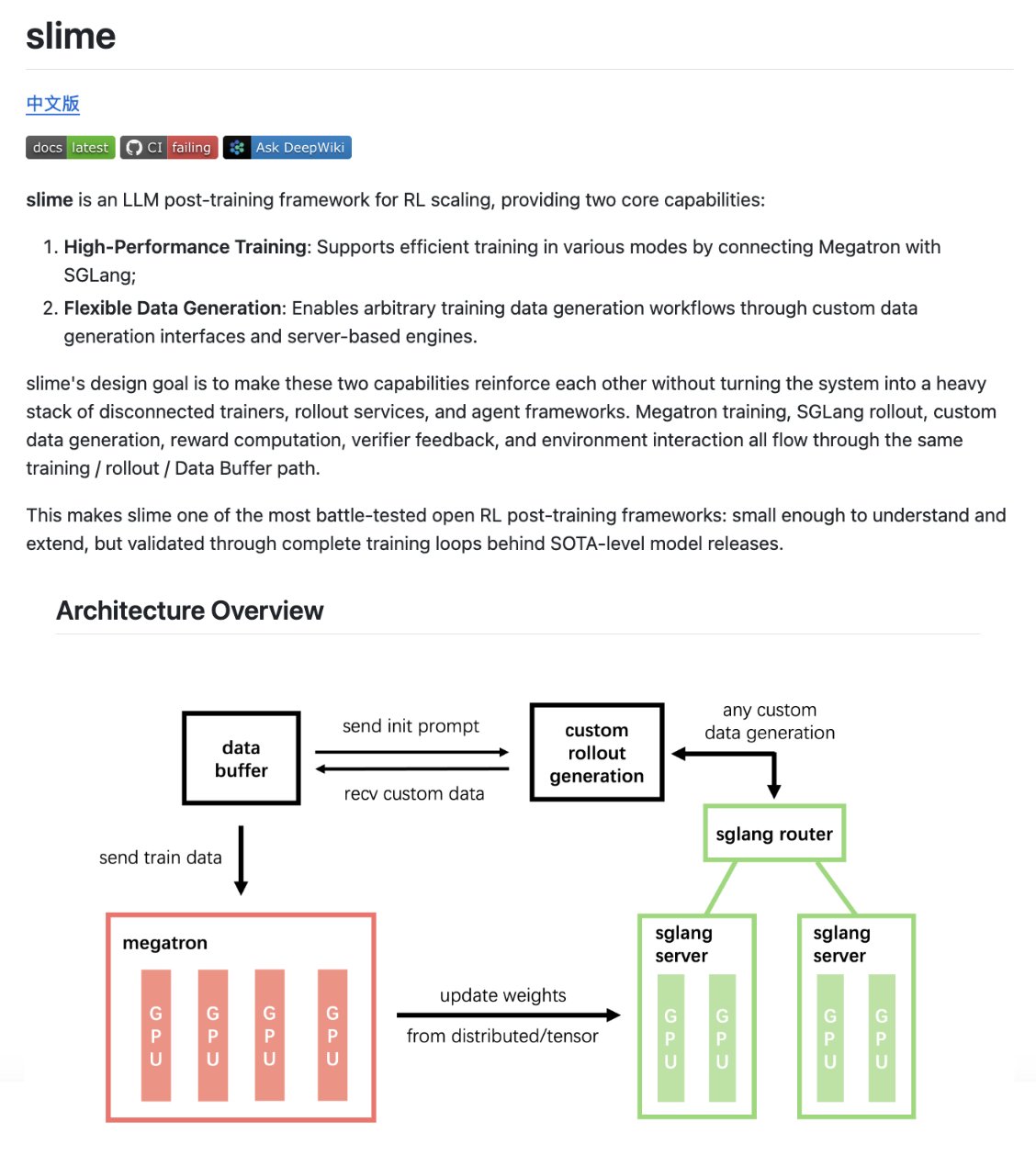
Slime: Open source RL framework behind GLM-5.2 post-training
By
–
The RL framework behind GLM-5.2 is fully open source. The full post-training of GLM-5.2 ran on it in about two days. The same stack sits behind the entire GLM series, from 4.5 to 5.1. It is called slime, and it is built around one idea. Keep a single RL kernel, and push all the
-

Yannick’s depth of work underfollowed in Local AI space
By
–
Yannick is criminally underfollowed in the Local AI space for the depth of his work
-
OpenAI CRO argues pre-training is not dead with new insights
By
–
Is pre-training dead?@OpenAI Chief Research Officer @markchen90 doesn't think so: "We've always found some kind of technique whether it be better engineering or some new research insight that helps you break past the boundary." https://t.co/SmIypV0ZS0 pic.twitter.com/dOynElmth9
— Latent.Space (@latentspacepod) 26 juin 2026Is pre-training dead? @OpenAI Chief Research Officer @markchen90 doesn't think so: "We've always found some kind of technique whether it be better engineering or some new research insight that helps you break past the boundary."
-
OpenAI previews GPT-5.6 Sol, new release pattern with U.S. coordination
By
–
HOLY: OpenAI is previewing GPT-5.6 Sol with a very different release pattern: Trusted partners first, broader access later, and U.S. government coordination up front. The new GPT-5.6 family includes Sol, Terra, and Luna. OpenAI says Sol is its strongest model yet, with a new
-
GPT 5.6 delay extends beyond Anthropic
By
–
nb OpenAI GPT 5.6 has also been delayed; it’s not just about Anthropic, anymore.
-
GPT-5.6 Sol reaches Mythos Preview cybersecurity level
By
–
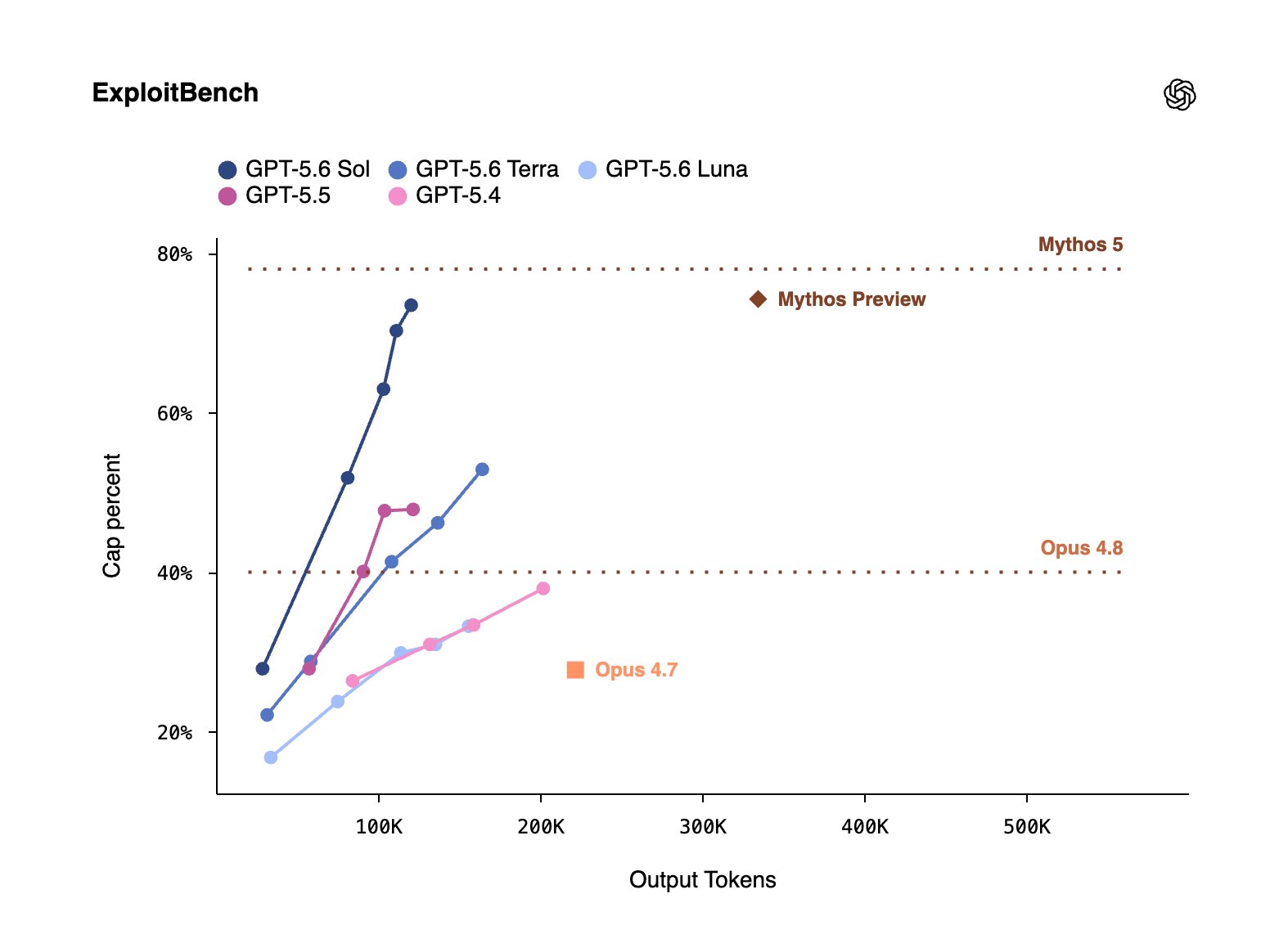
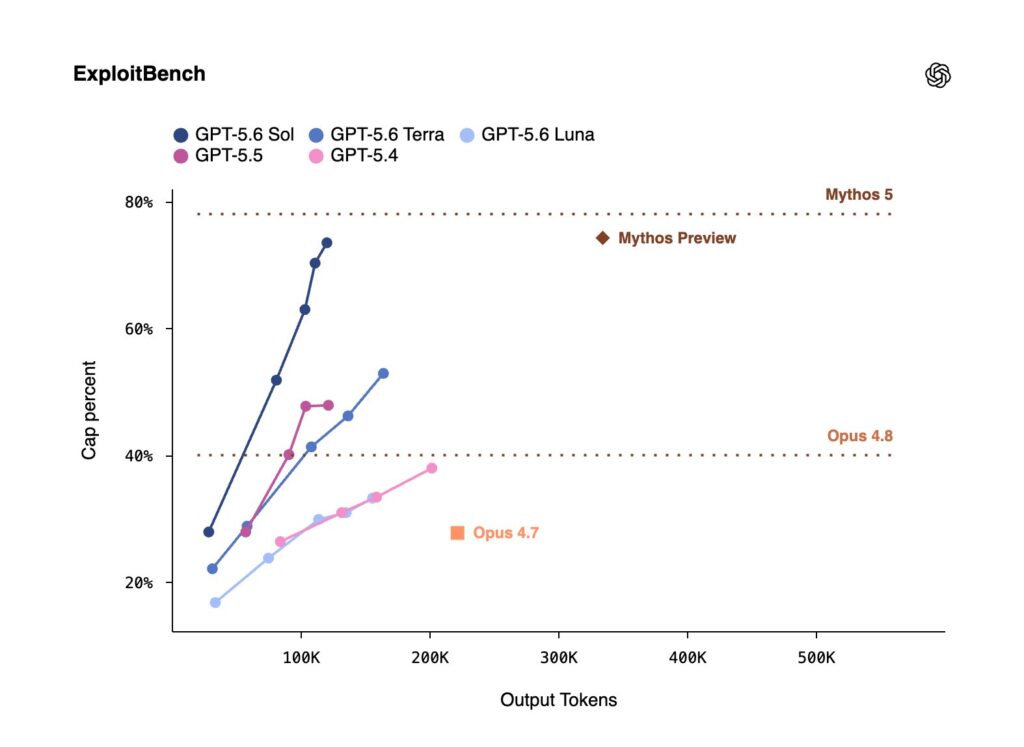
GPT-5.6 Sol reaches Mythos Preview level at cybersecurity tasks. > It shifts the performance-efficiency frontier for long-horizon security tasks, including vulnerability research and exploitation. Is this line between Mythos Preview and Mythos 5 what gets you banned by the
-
OpenAI launches GPT-5.6 family with Sol, Terra, Luna models
By
–
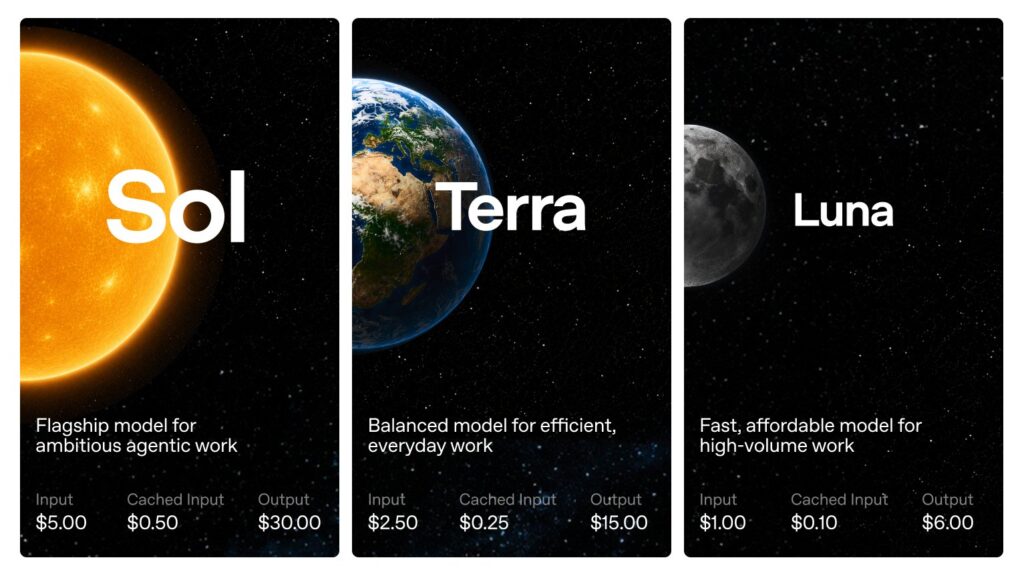
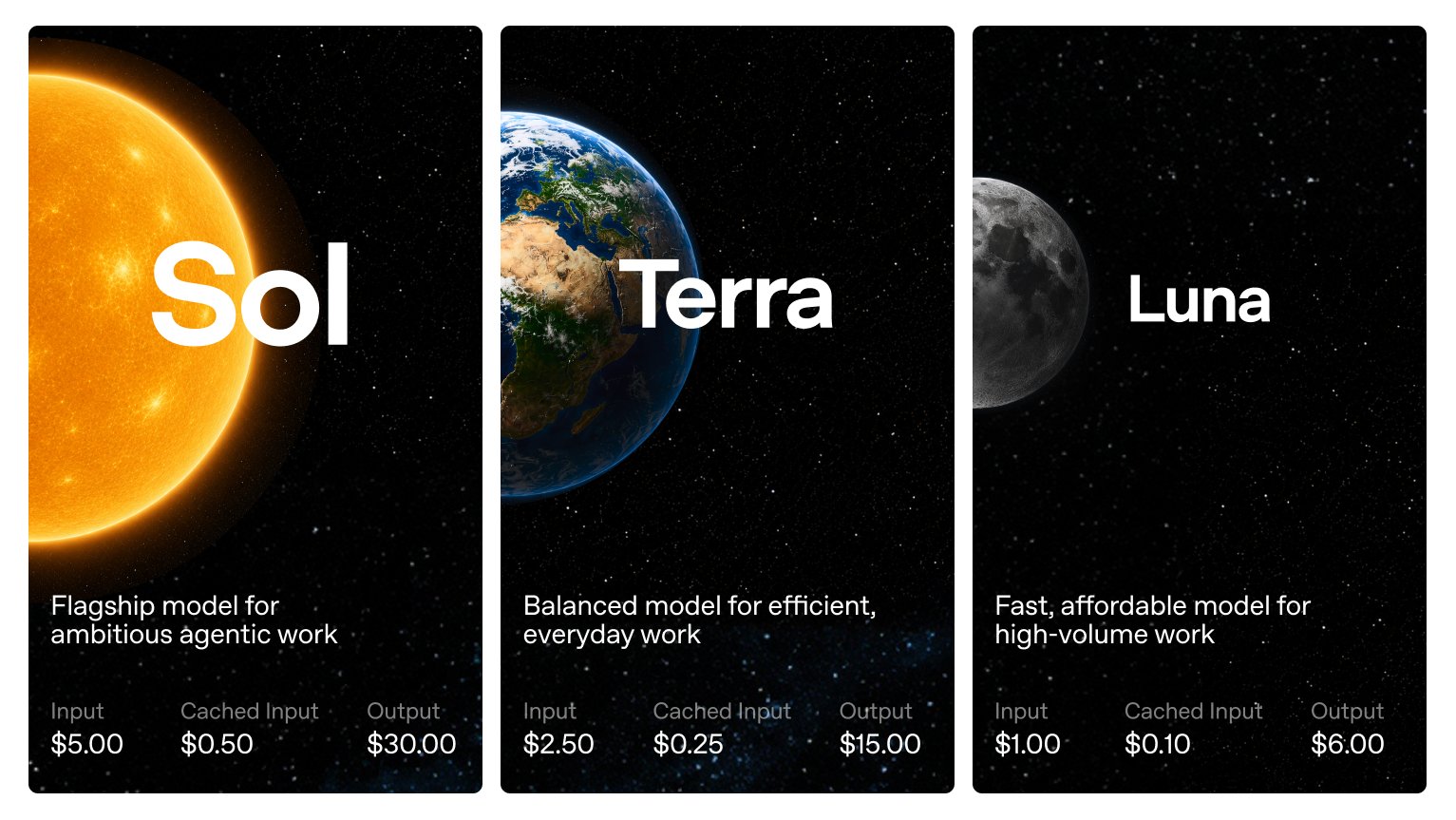
BREAKING : OPENAI LAUNCHED GPT-5.6 MODEL FAMILY UNDER NEW SOL, TERRA, AND LUNA MODEL NAMES. > Sol is a new flagship model > Terra is a performance model with 2x lower cost. > Luna is the most cost-efficient model. GPT-5.6 models are introduced as a "limited preview"
-
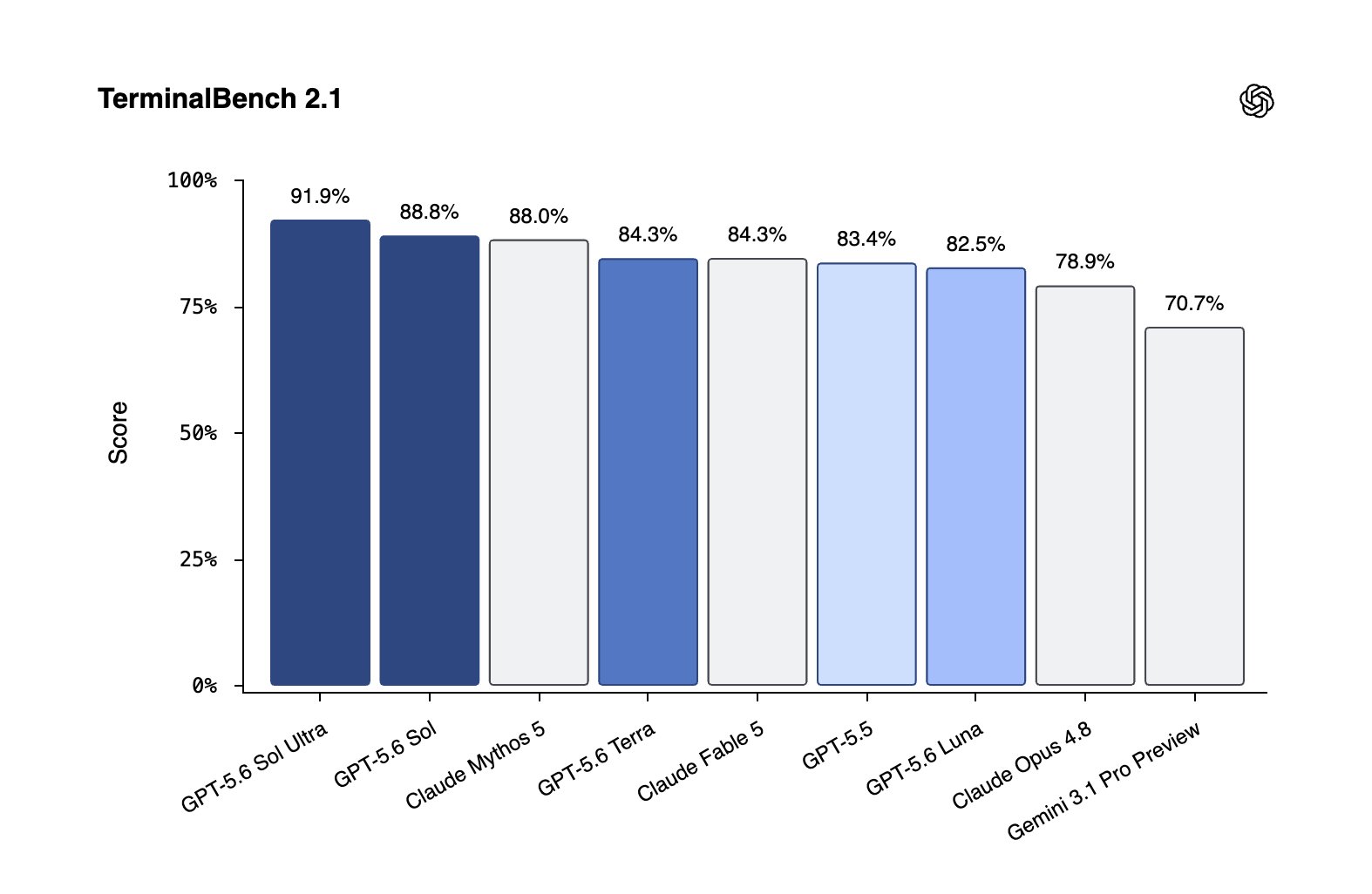
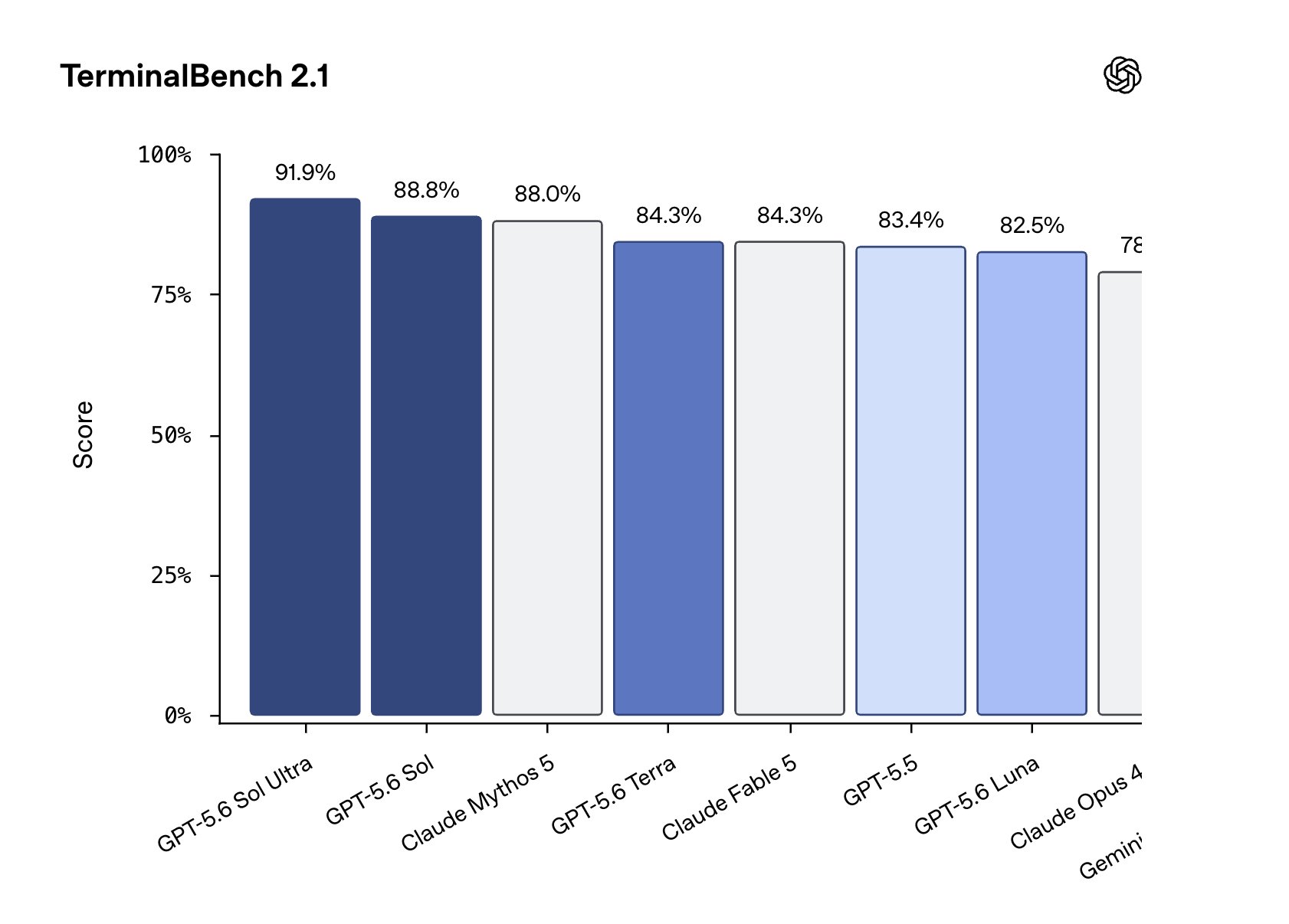
GPT-5.6 Sol sets new state-of-the-art on Terminal-Bench 2.1
By
–
GPT‑5.6 Sol sets a new state of the art on Terminal‑Bench 2.1, which tests complex command-line workflows requiring planning, iteration, and tool coordination.