Qualitative Data Analysis With Chatgpt And Qualcoder: A Step-By-Step Guide To AI-Powered Coding And Thematic Analysis AI-Powered Research Toolkit — Mastering Research Series — available at http://
amzn.to/4bRsV3q
RESEARCH
-
Qualitative Data Analysis with ChatGPT and Qualcoder: AI-Powered Guide
By
–
-
New Book: Unlocking Data with Generative AI and RAG, 2nd Edition
By
–
2nd Edition, by @keithbourne v/ @PacktDataML "Unlocking Data with Generative AI and RAG — Learn AI Agent Fundamentals with RAG-powered Memory, Graph-based RAG, and Intelligent Recall" Get the book here: http://
amzn.to/49zsIkb -
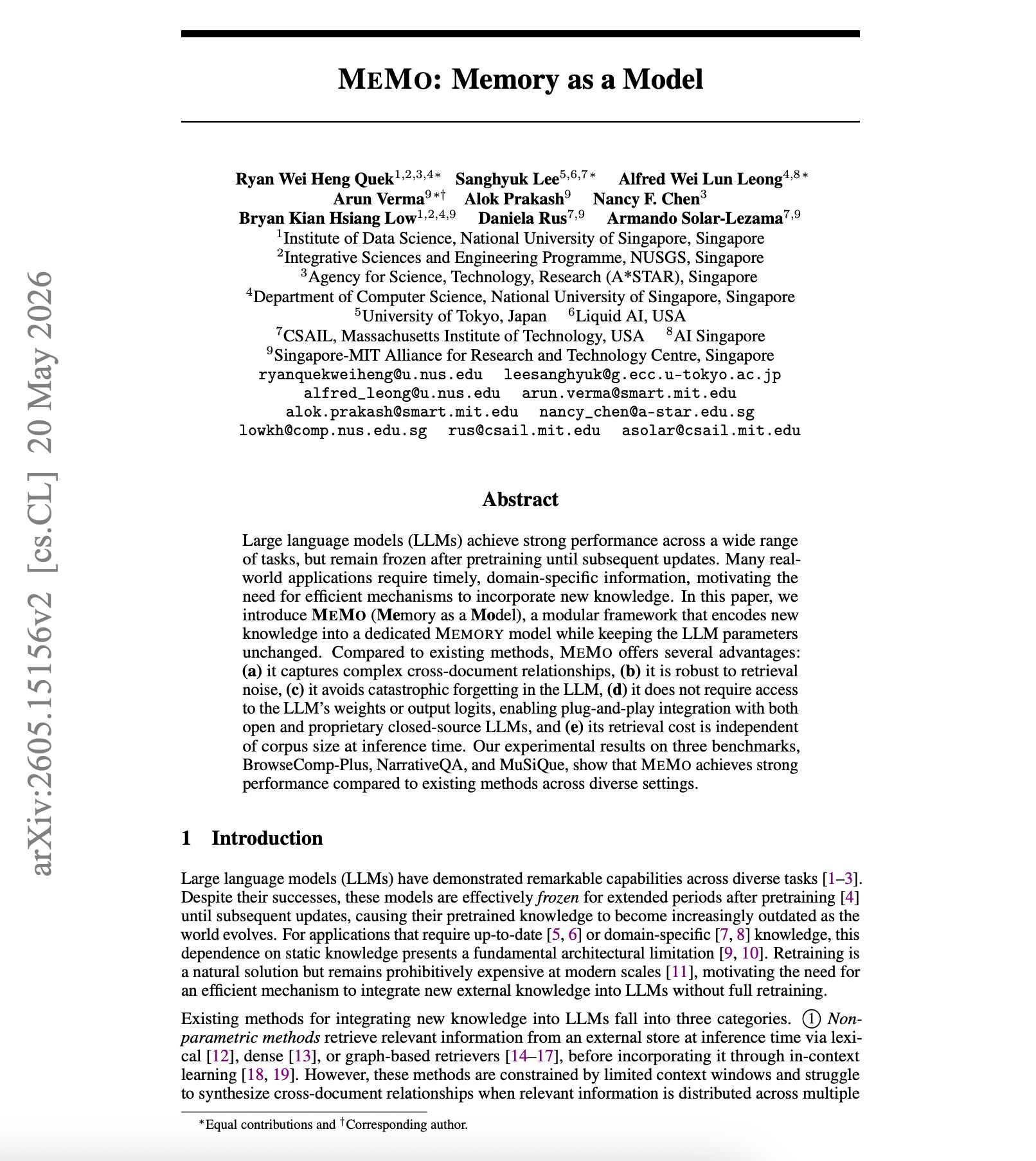
MeMo: Separate Memory Architecture for Language Models
By
–
Researchers just gave LLMs a separate brain for memory. Language models go stale the moment training ends. Updating them risks breaking what they already know. A new paper proposes MeMo. It pairs any LLM with a separate trained memory model. The base model stays frozen.
-
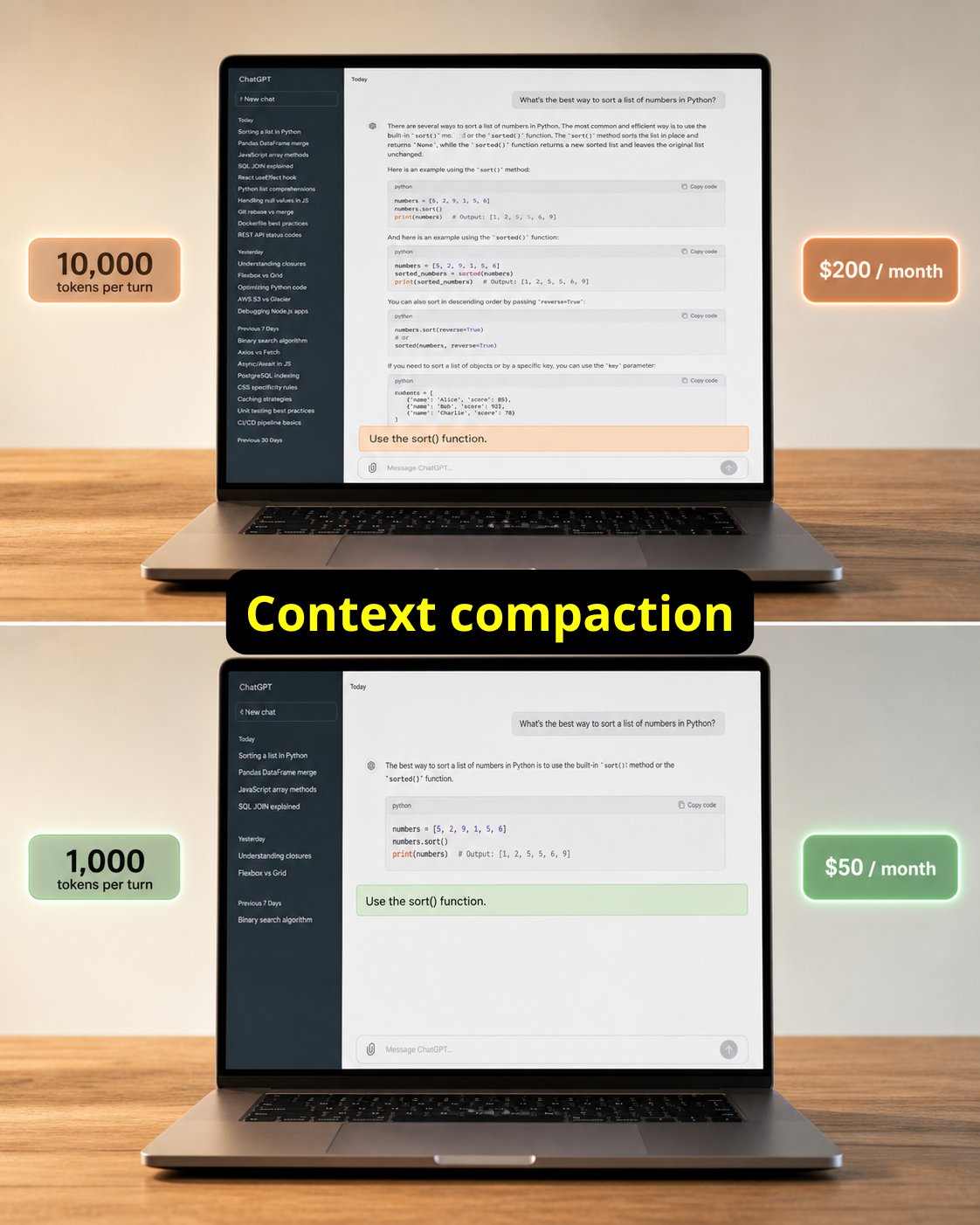
Boring context compaction beats multi-agent systems for most use cases
By
–
I've built multi-agent systems for clients. I still think they're overrated for most use cases. What's underrated is boring. Context compaction. The reason your AI app feels slow and expensive isn't the model. It's everything you keep stuffing into the prompt before it even
-
Request for publication of GPT-4 architecture to clarify water estimates
By
–
Given the scale of water estimates for the "bottle of water per generated email" that come from assumptions about GPT-4's architecture, it would be greatly in the interest of @OpenAI to publish the architecture of this now-retired, three-year-old model.
-
Top AI News: Google’s Math Breakthroughs, AI Secretary, and Critical Vulnerabilities Found
By
–
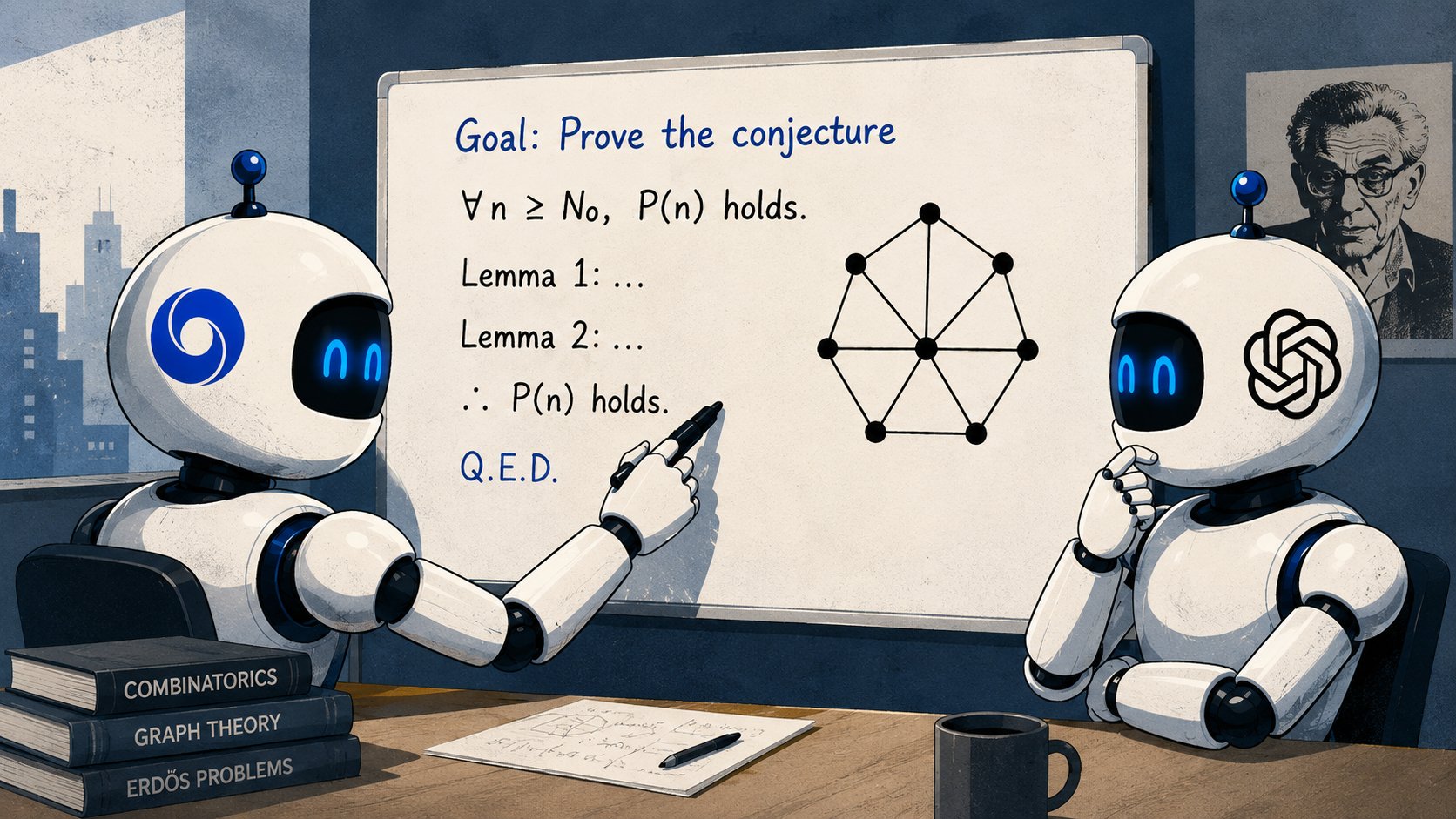
Top stories in AI today: – Google’s AI cracks nine unsolved math problems
– The Rundown Roundtable: Our AI use cases
– Build an AI secretary that plans your day
– Claude Mythos finds 10,000+ critical vulnerabilities
– 4 new AI tools, community workflows, and more -
Huawei τ Scaling: Beyond Transistor Shrinking for AI
By
–
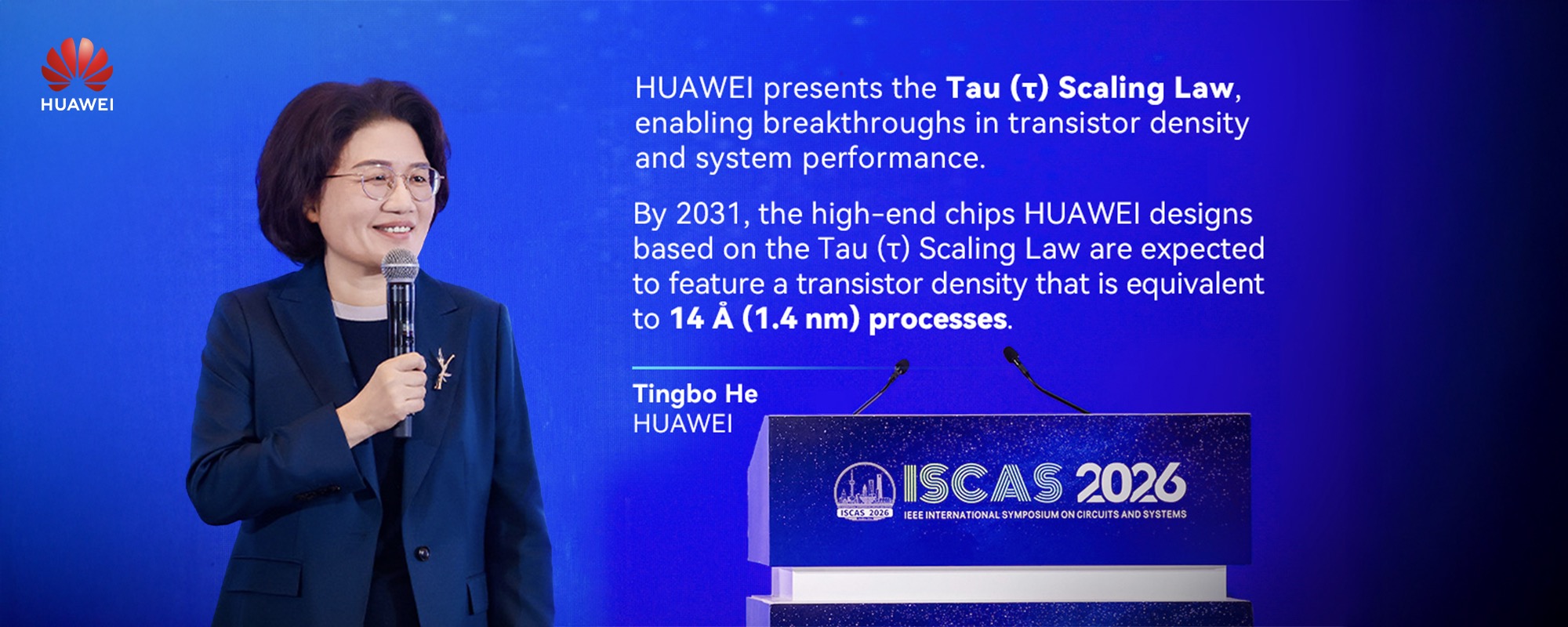
Interesting direction from Huawei at ISCAS 2026. The proposed “τ Scaling” approach moves beyond traditional transistor shrinking and focuses more on reducing latency and improving efficiency across chips, interconnects, and AI systems. Concepts like LogicFolding, hybrid
-
Tau Scaling Law offers new path beyond Moore’s Law limits
By
–
But Moore’s Law is approaching physical and economic limits. The industry now needs new ways to keep improving compute performance. That is why the Tau Scaling Law she presented matters. It reframes the question from: “How small can we make transistors?” To: “How much time
-
Chinese AI models are now leading and frontier
By
–
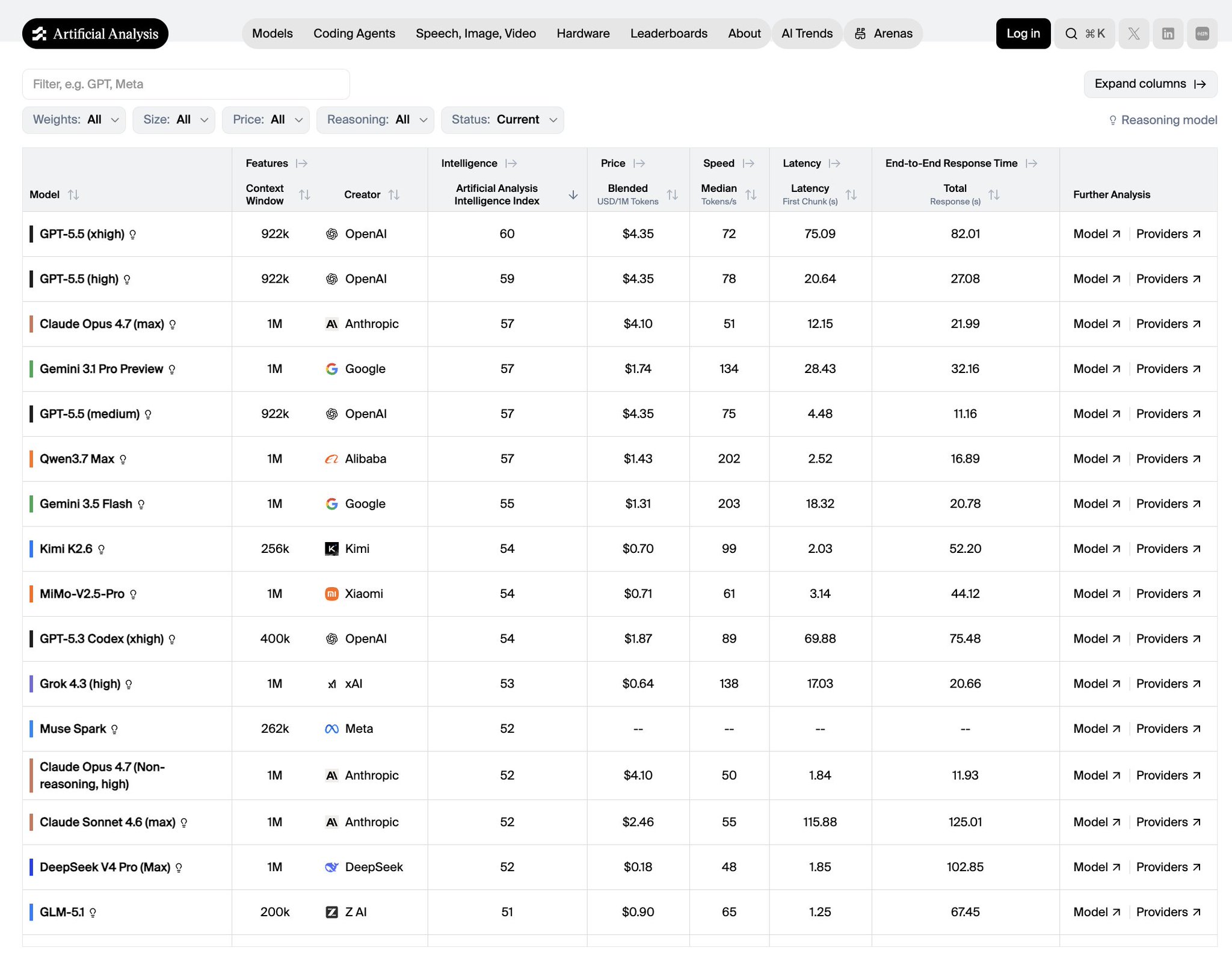
That's outdated Chinese models are already leading and frontier: Alibaba, Kimi, Xiaomi, Z AI
-
Screenshot of new inference engine by @AlpinDale
By
–
Screenshot from the new Inference Engine @AlpinDale is working on