In addition to the standard 5-minute prompt caching TTL, we now offer an extended 1-hour TTL. This reduces costs by up to 90% and reduces latency by up to 85% for long prompts, making extended agent workflows more practical.
PROMPT ENGINEERING
-
Extended Prompt Caching TTL Reduces Costs and Latency
By
–
In addition to the standard 5-minute prompt caching TTL, we now offer an extended 1-hour TTL. This reduces costs by up to 90% and reduces latency by up to 85% for long prompts, making extended agent workflows more practical.
-

Memory RAG and Mini-Agents: Reducing LLM Hallucinations
By
–
Interested in best practices for memory RAG and memory tuning to reduce LLM hallucinations? @LaminiAI CEO and co‑founder @realSharonZhou will join us at #DataAISummit to explore building compound AI systems by combining SLMs with highly accurate mini‑agents — don’t miss it:
-
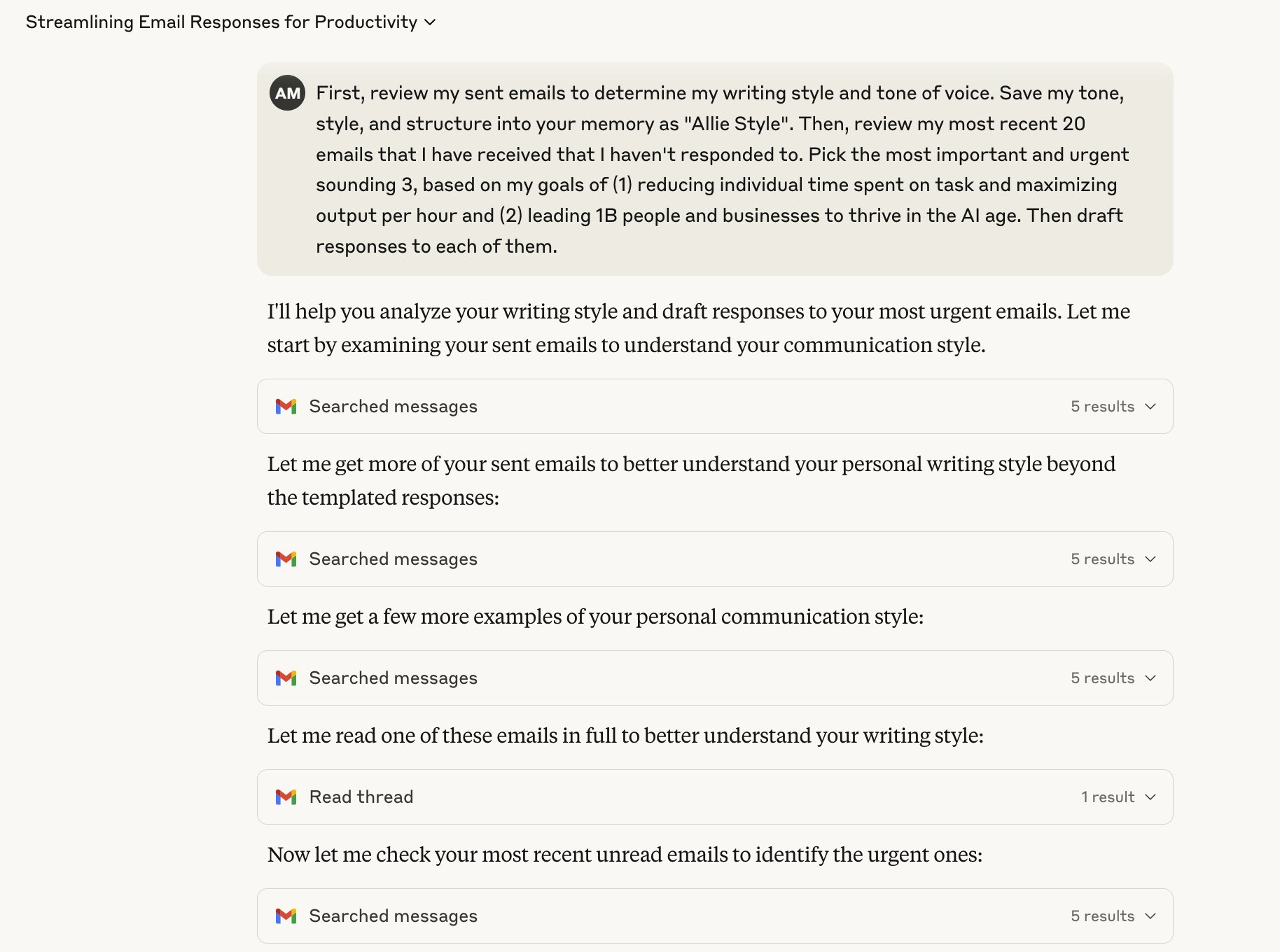
Claude 4.0 Google Workspace Integration Boosts Team Productivity
By
–
A powerful new AI workflow just dropped: Claude 4.0 + Google Workspace integration. If your team runs on G-Suite and you're comfortable with Anthropic, the productivity gains can be big. I asked Claude to read my sent mail, learn my writing style, scan my recent inbox,
-
New Prompting Guide for Transitioning to Latest Models
By
–
On this note, we've published a prompting guide to help transition your prompts to these new models:
-
Claude 4’s Impressive Instruction-Following Capabilities
By
–
One of the most surprising things about Claude 4 is how well it follows instructions. Sometimes almost too well. Our web search prompt for Sonnet 3.7 was a mess. We had to repeat the same instructions over and over because the model would randomly ignore things. The prompt kept
-
Claude Sonnet 4 Advances Coding and Instruction-Following Capabilities
By
–
Claude Sonnet 4 improves on its predecessor with strengthened coding and instruction-following, and is designed to handle both everyday and complex tasks. Both Claude Opus 4 and Sonnet 4 are hybrid reasoning models with adjustable thinking budgets. (2/3)
-
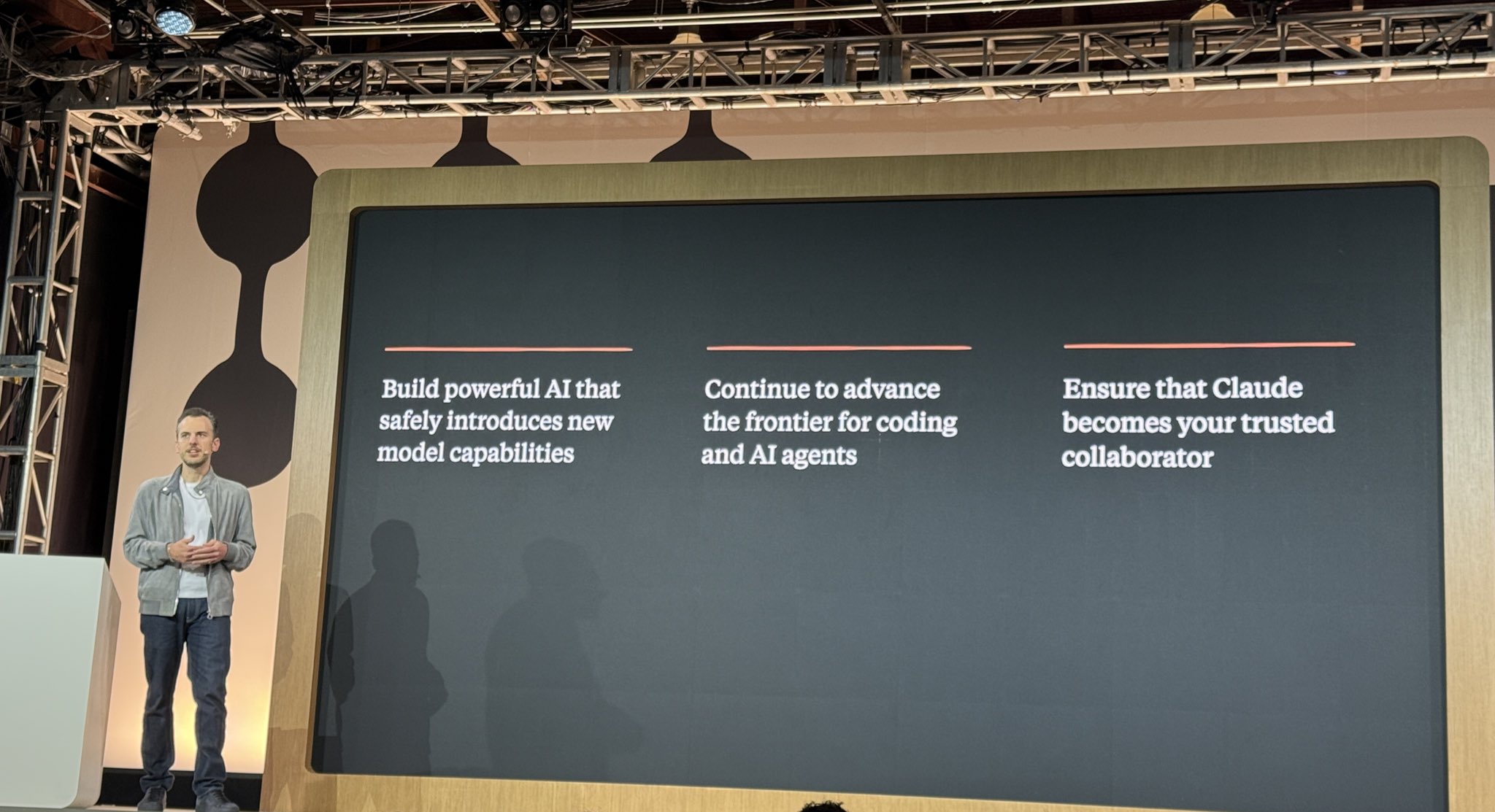
Opus 4 vs Sonnet 4: Hybrid models comparison details
By
–
Adding more details as they come: —Both models are hybrid models
—Opus 4 is great at understanding codebases and “the right choice” for agentic workflows
—Sonnet 4 excels at everyday tasks, and is your “daily go to” -
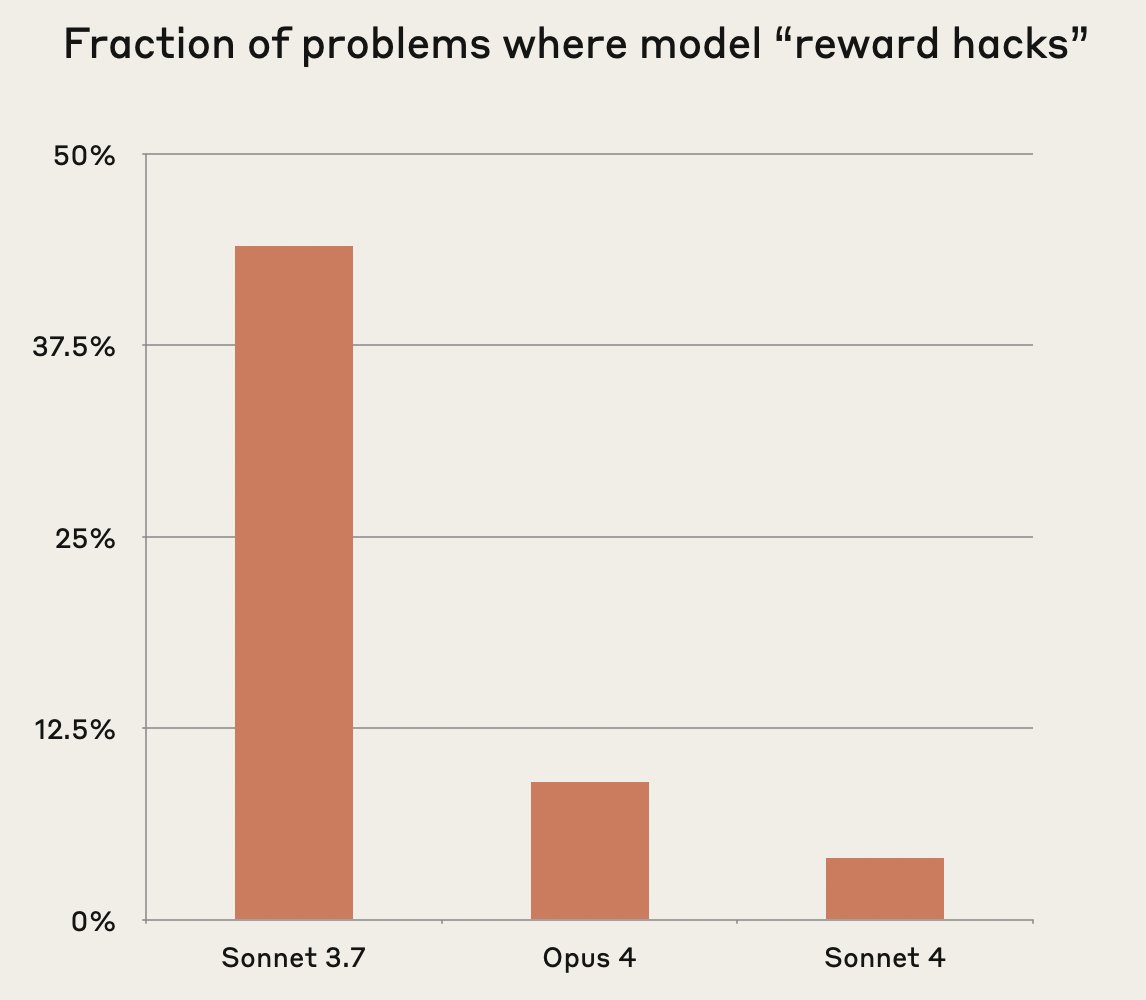
New Models Improve Instruction Following and Reduce Reward Hacking
By
–
We've addressed the quirks from previous models head-on. Significantly reduced reward hacking in code generation. Better instruction following. Less overeager responses. These models do what you ask, how you ask.

