Definitely a big limitation. Overall, the problem with synthetic data is generalization beyond the benchmarks that they target in the first place. This is where the most interesting results can be found.
MACHINE LEARNING
-
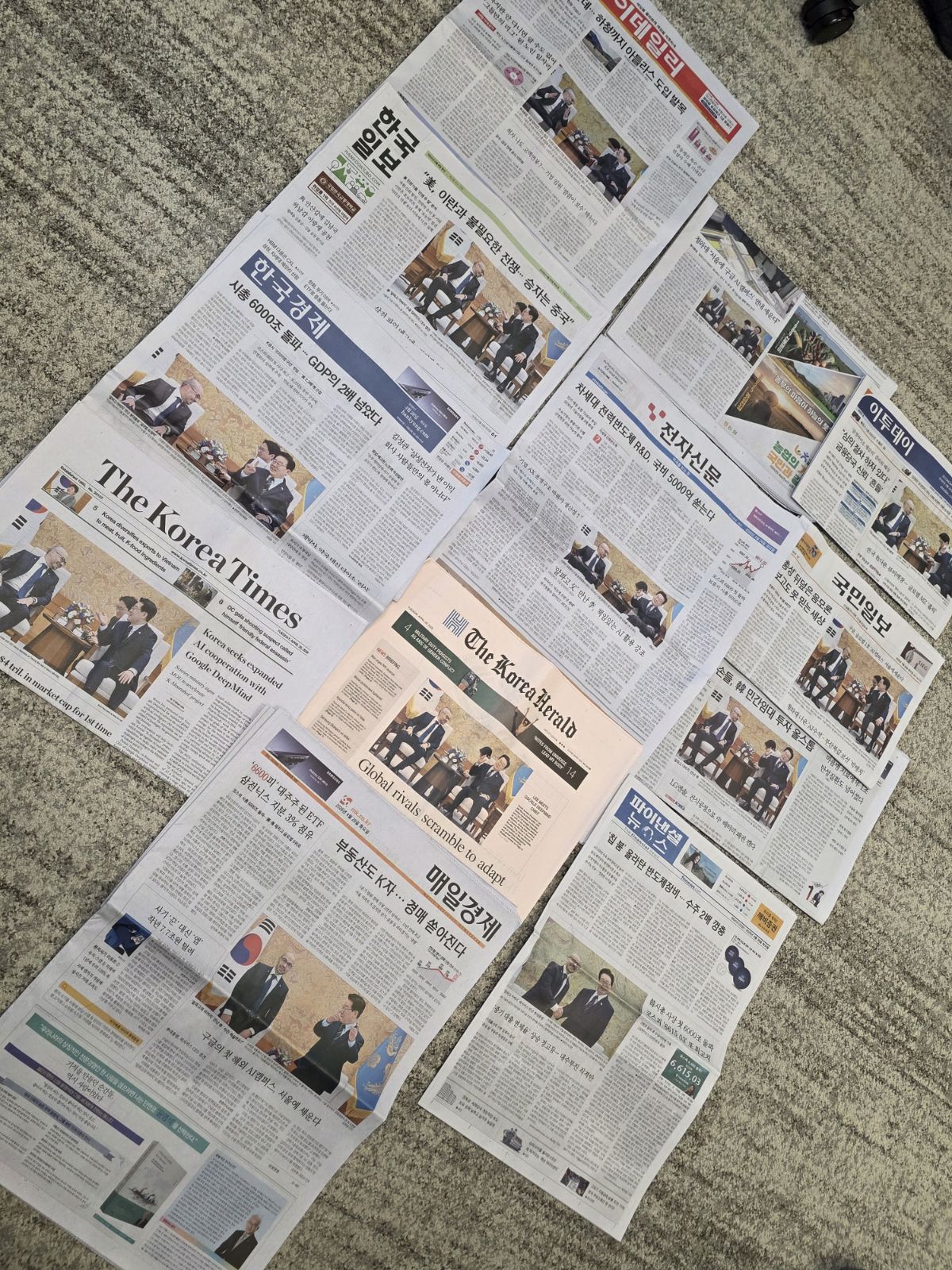
Google DeepMind Continues Making Headlines 10 Years After AlphaGo
By
–
Fun to see Google DeepMind still making the paper headlines 10 years after AlphaGo!!
-
AI Transforms Debt Collection Through Frictionless Automation
By
–
The Role of AI in Frictionless Debt Collection
#AI #AIio #AIInnovation #ML #DataScience #Futureofwork @HaroldSinnott @fogoros @iainljbrown @NandoDF @katecrawford @drhassanrashidi @YuHelenYu -

Autonomous Geospatial Knowledge Graphs with Agentic AI
By
–
Join @DominoDataLab at #GEOINT2026 for our session on Autonomous Geospatial Knowledge Graph Construction: Leveraging Agentic AI for Conversational Intelligence Monday, May 4 2–3 PM MT Paul Jojy, ML Engineer Add this session to your planner: https://
hubs.ly/Q04dFnPG0 -
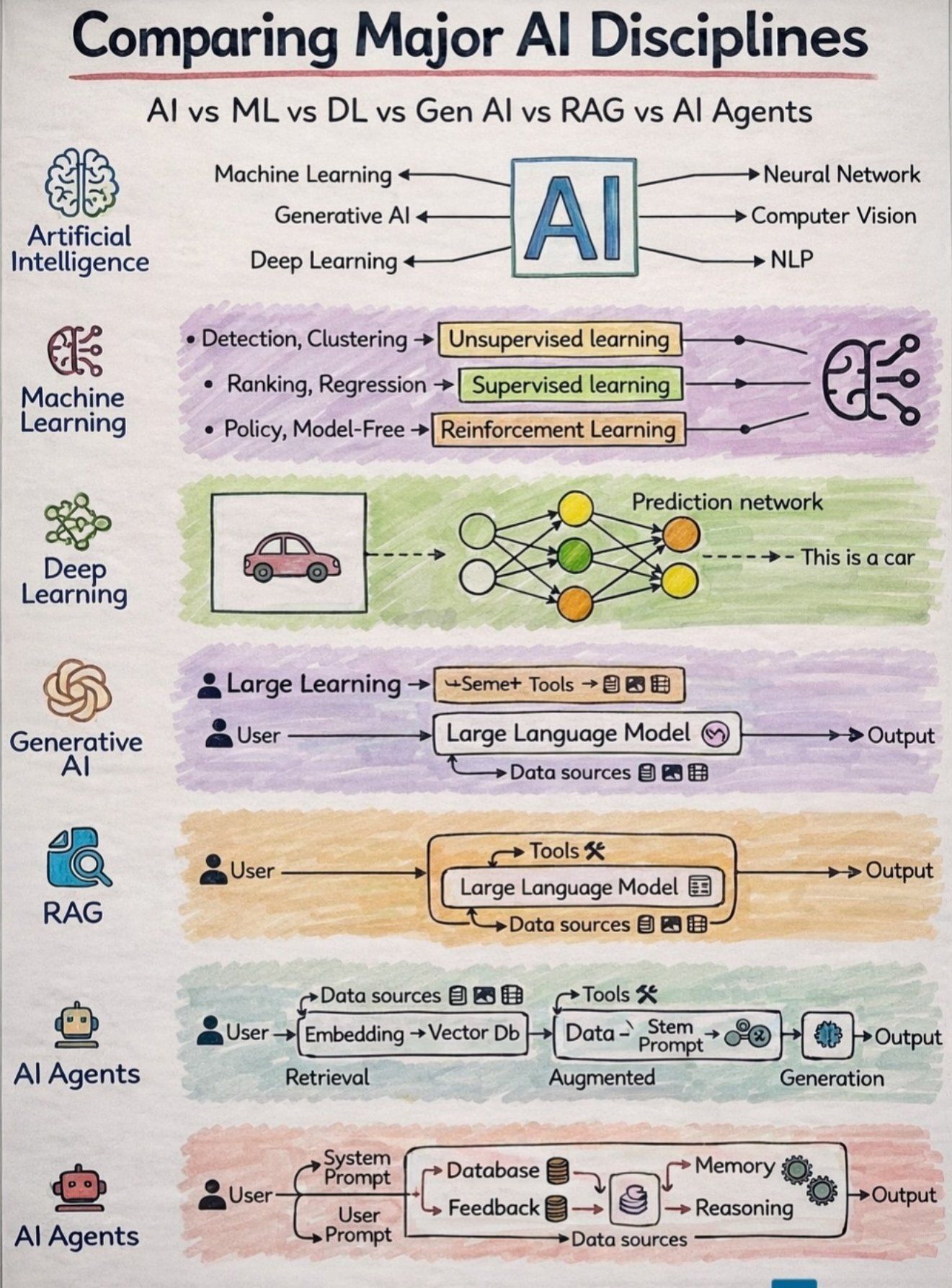
Comparing Major AI Disciplines and Their Applications
By
–
Comparing Major #AI Disciplines by @Python_Dv #ArtificialIntelligence #MachineLearning #ML
-

OpenAI Agents Ask Better Questions Than Researchers
By
–
Sébastien Bubeck on the OpenAI Podcast: People think AI is only good at answering questions. OpenAI's internal agents are now asking questions so good that researchers are writing papers based on them.
— Chubby♨️ (@kimmonismus) 28 avril 2026
They're also finding and correcting mistakes in published work. His timeline… pic.twitter.com/637D1h2p3ySébastien Bubeck on the OpenAI Podcast: People think AI is only good at answering questions. OpenAI's internal agents are now asking questions so good that researchers are writing papers based on them. They're also finding and correcting mistakes in published work. His timeline
-
ICLR 2026: Five Papers on Real AI System Challenges
By
–
Research from ICLR 2026 From long-context limits to many-shot prompting and speculative prefill, our team presented 5 papers focused on real system challenges in AI.
What works, what doesn’t, and where things break. https://
arxiv.org/abs/2510.04618 https://
arxiv.org/abs/2602.16069 -

Harvard Neuroscientist Launches Large Memory Model for Proactive AI Agents
By
–
Gabriel Kreiman closed his Harvard lab to build this.
— Charly Wargnier (@DataChaz) 28 avril 2026
20 years of Neuroscience Research.
160+ publications.
This Large Memory Model (LMM) enables proactive memory and allows Agents to automatically surface vital context, without explicit prompting 👀pic.twitter.com/Qpu1PmV1MN https://t.co/YQ67SaKSs4Gabriel Kreiman closed his Harvard lab to build this. 20 years of Neuroscience Research. 160+ publications. This Large Memory Model (LMM) enables proactive memory and allows Agents to automatically surface vital context, without explicit prompting
-
AI World Extends Far Beyond Large Language Models
By
–
Yes. But not in LLMs. The AI world is a lot bigger than just LLMs.
-
GPU-Poor Labs Drive AI Innovation Through Constraints
By
–
Constraints really are doing the inventing now, all the interesting attention work is coming from GPU-poor labs.