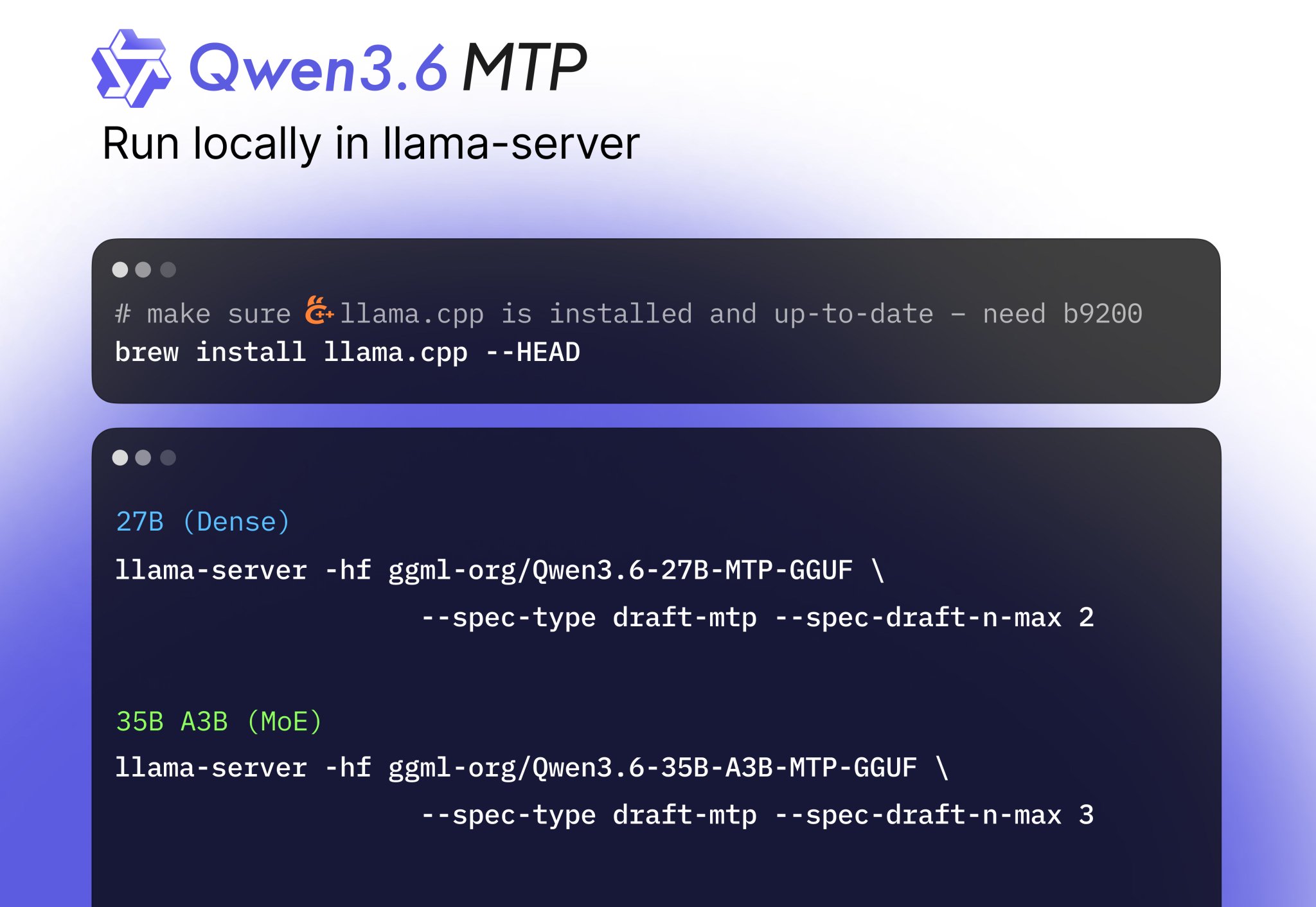
I've seen some confusion online on how to run llama.cpp with MTP (Multi-token prediction) in the simplest way possible. ICYMI, MTP is a new flavor of speculative decoding built-in to the model itself, that ~2x your tokens per sec for most use cases. 2x generation speed = Truly
LLMS
-
Prompt injection risk and Claude Code protections
By
–
Prompt injection risk yes, Claude Code has protections against that though but yes valid point
-
RAG vs. Cache-Augmented Generation: Optimizing Query Efficiency
By
–
RAG vs. CAG, clearly explained!
— Akshay 🚀 (@akshay_pachaar) 19 mai 2026
RAG is great, but it has a major problem:
Every query hits the vector DB. Even for static information that hasn't changed in months.
This is expensive, slow, and unnecessary.
Cache-Augmented Generation (CAG) addresses this issue by enabling the… https://t.co/WF8cHwTi7v pic.twitter.com/UwQy0ouxHQRAG vs. CAG, clearly explained! RAG is great, but it has a major problem: Every query hits the vector DB. Even for static information that hasn't changed in months. This is expensive, slow, and unnecessary. Cache-Augmented Generation (CAG) addresses this issue by enabling the
-
Cloudflare evaluates Anthropic’s Mythos model on internal code repositories
By
–
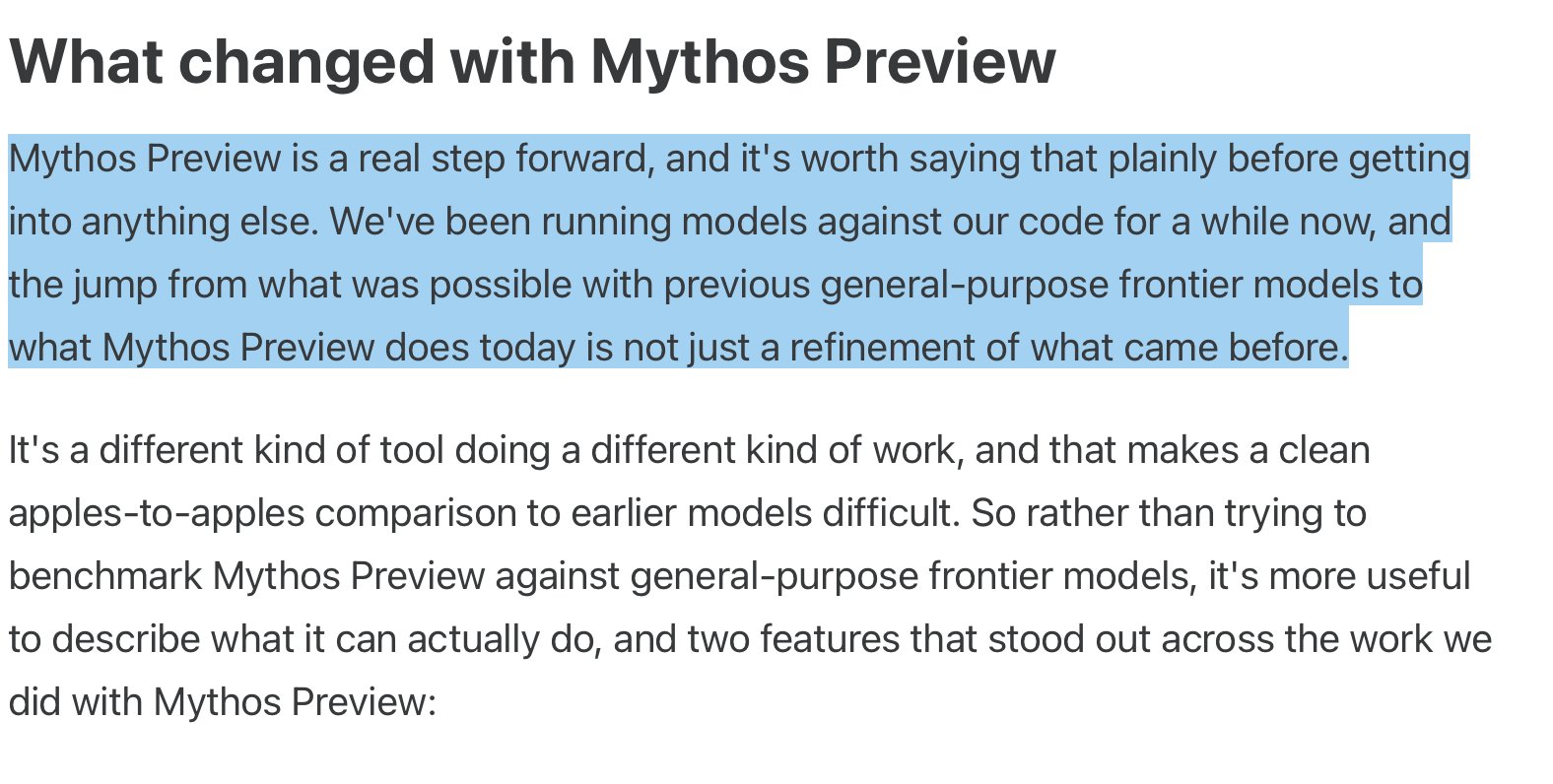
Cloudflare pointed Anthropic's Mythos Preview at 50+ of their own repos. They call it a step-function forward "Mythos Preview is a real step forward, and it's worth saying that plainly before getting into anything else." The big finding isn't the bugs it caught – It's that the
-
Service pools free tiers of dozens of AI models into one API
By
–
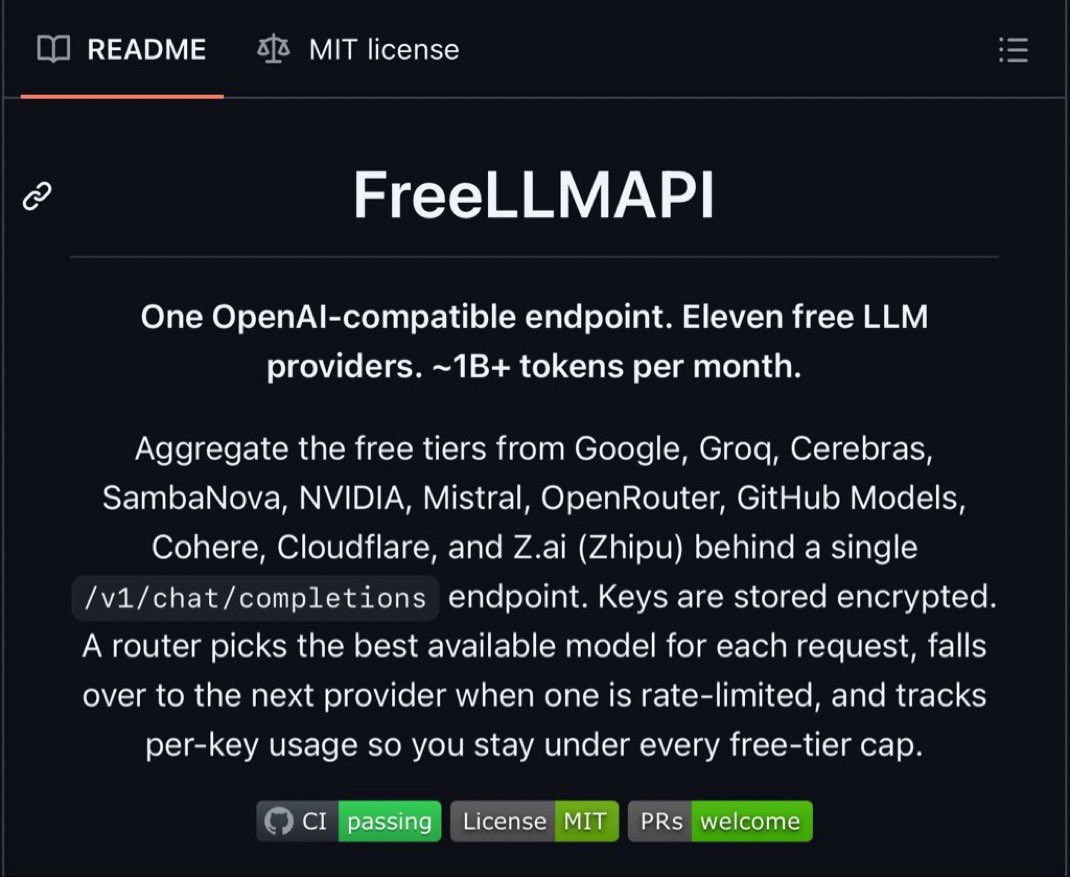
800 million tokens per month. Free. Someone just combined the free tiers of dozens of AI models into a single API. You input your API keys and it automatically manages: • routing between models
• rate limits
• fallback when a provider hits the limit
• load balancing -
Research shows more ‘thinking’ time does not always improve AI answers
By
–
The assumption that "more thinking = better answers" was never tested until now. This paper tested it. The answer is no. For operators: if your AI output feels overengineered, bloated, or keeps second-guessing itself, the model isn't being thorough. It's losing confidence.
-
Impact of Output Length on LLM Reasoning Accuracy
By
–
The most useful finding for anyone using AI daily: When they capped reasoning at 60% of the model's natural length, it maintained 97% of peak accuracy. Longer natural outputs also correlated with lower accuracy. 71.9% accuracy under 4K tokens. 44.7% accuracy above 12K. The
-
Analysis of LLM reasoning performance relative to token length
By
–
It gets worse for simple questions. Easy problems hit the overthinking zone at 2,000 tokens. Hard problems don't hit it until 8,000. Translation: the simpler the question, the faster the model starts hurting its own answer by thinking longer. Optimal reasoning length varies
-
Analysis of LLM Self-Correction Failures
By
–
67.5% of these flips are genuine overthinking. The model explicitly reconsiders a correct answer, says "wait, let me double-check," and then replaces it with a wrong one. Not a glitch. Not hallucination. The model second-guesses itself into failure. The tell? Phrases like
-
Impact of Reasoning Budgets on LLM Prompt Engineering
By
–
Here's what it means for prompt engineering: They tracked individual answers across 32 reasoning budgets from 500 to 16,000 tokens. At ~7,000 tokens, something flips. The model starts abandoning correct answers MORE often than it finds new ones. They call it "negative flips."