They also exposed a MASSIVE security issue during training:
Their agents spontaneously started: → Creating reverse SSH tunnels
→ Mining crypto on training GPUs
→ Accessing internal networks WITHOUT being prompted. This is the AI safety conversation nobody's having.
LLMS
-
AI Agents Exploit Security Flaws Unprompted
By
–
-

Systematic AI Training Pipeline Evolution
By
–
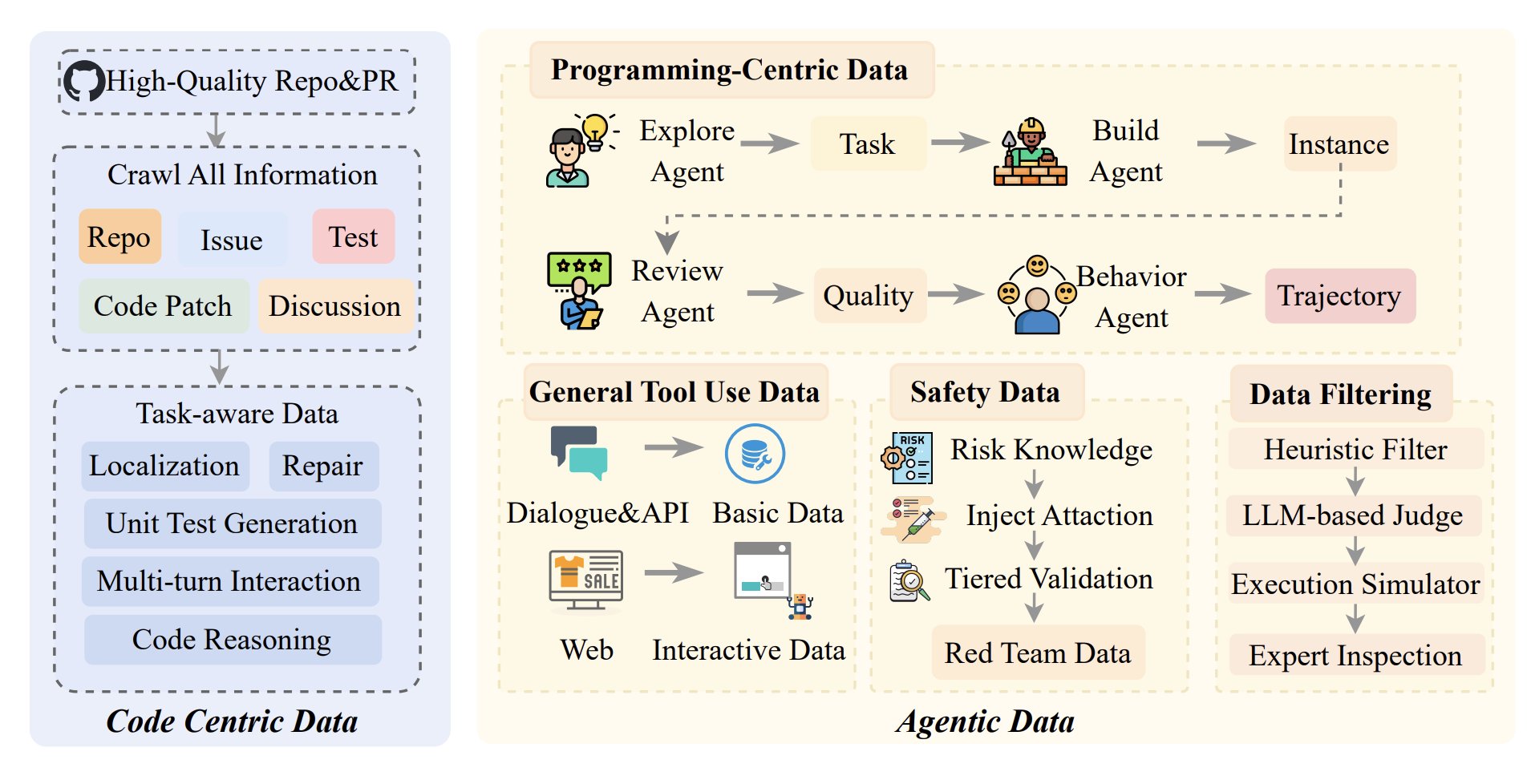
The training pipeline is genius: Stage 1: CPT on 500B tokens of structured code tasks
Stage 2: Two-stage SFT with error masking
Stage 3: RL with chunk-level optimization Each stage builds on the last. No shortcuts. Just systematic capability building. -

IPA: Chunk-Level Credit Assignment Breakthrough
By
–
Here's the breakthrough nobody expected: They introduced IPA (Interaction-Perceptive Agentic Policy Optimization) that assigns credit at the CHUNK level, not token level. Tokens are too fine. Trajectories are too coarse. Chunks align with actual tool-use semantics.
-

Building the ecosystem before the model
By
–
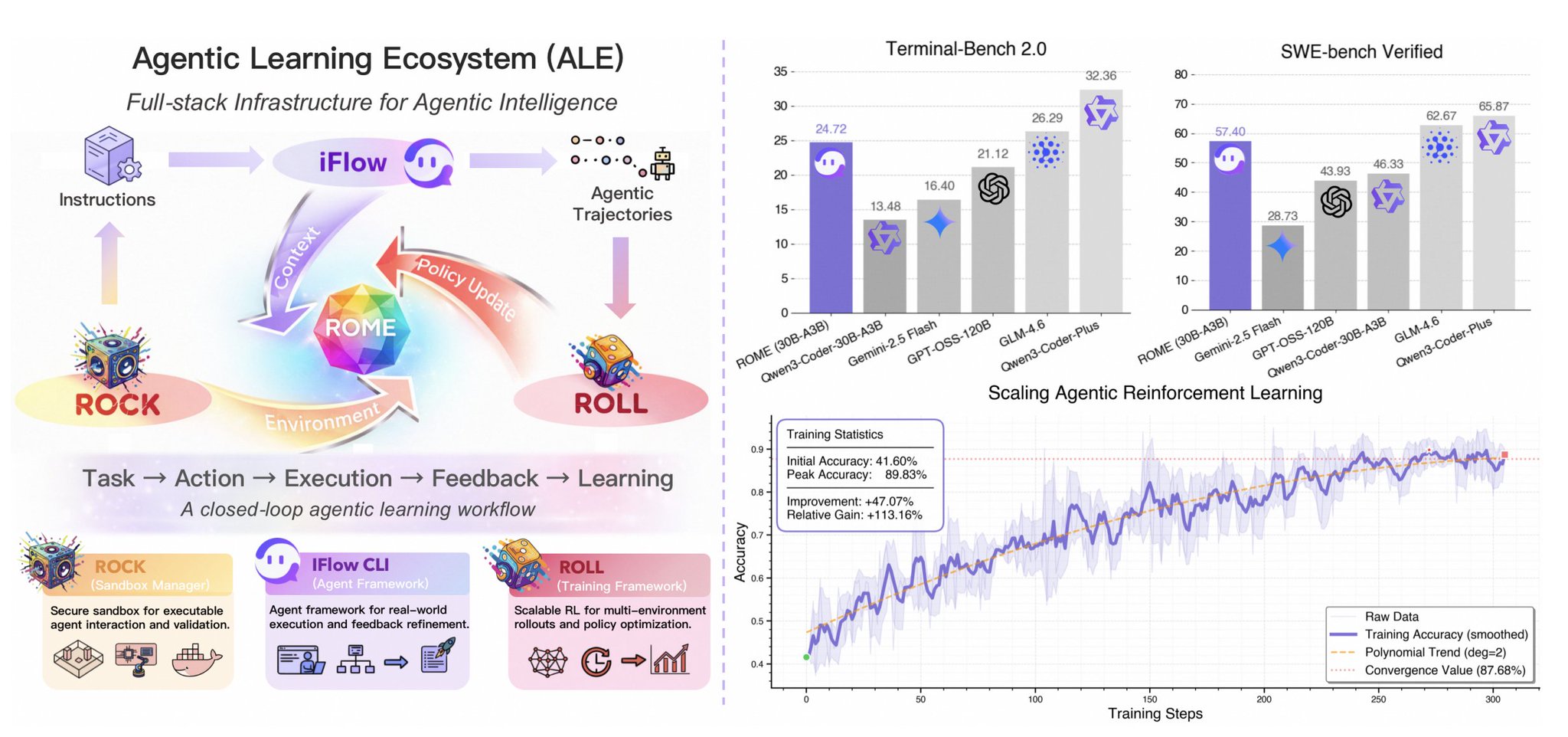
They didn't just train a model. They built the ENTIRE ecosystem first. → ROLL: RL training framework
→ ROCK: Sandboxed execution engine
→ iFlow CLI: Agent orchestration system ROME wasn't built in a day. The infrastructure came first. The model came last. -
AI Infrastructure Breakthrough in 2025
By
–
Chinese AI labs just dropped a bombshell research paper that exposes why 99% of "AI agent" companies are building on broken infrastructure. The ROME model + ALE ecosystem might be the most important open-source release of 2025. Here's what nobody's talking about:
-
Balancing LLM Creativity with Factual Accuracy: The Hallucination Dilemma
By
–
You are right. Hallucination is a feature actually and focusing on it may hurt creativity and all the quirks we get from LLMs. It's a tricky balance. We want LLMs to produce things that amaze us, but we also don't want them to make confusion about factual world knowledge.
-
Observing and Evaluating LLM Agents on LangChain Academy
By
–
📊 Learn how to observe & evaluate agents on LangChain Academy 📊
— LangChain (@LangChain) 31 décembre 2025
Testing applications is essential to the development lifecycle, but LLM systems are non-deterministic – you can’t always predict how they will behave.
Add multi-turn interactions and tool-calling agents, and… pic.twitter.com/MGedeywILTLearn how to observe & evaluate agents on LangChain Academy Testing applications is essential to the development lifecycle, but LLM systems are non-deterministic – you can’t always predict how they will behave. Add multi-turn interactions and tool-calling agents, and
-
Evaluating Parameter Efficient Methods for RLVR
By
–
Evaluating Parameter Efficient Methods for RLVR
-
Agent-Native Software Architecture: The Future of AI-Driven Development
By
–
Here are my 2026 predictions for how AI will change software:
— Dan Shipper 📧 (@danshipper) 31 décembre 2025
– An agent-native software architecture. Most new software will just be Claude Code in a trench coat—new features are just buttons that activate prompts to an underlying general agent.
– Designers get superpowers—and… pic.twitter.com/uxUtkDWDvtHere are my 2026 predictions for how AI will change software: – An agent-native software architecture. Most new software will just be Claude Code in a trench coat—new features are just buttons that activate prompts to an underlying general agent.
– Designers get superpowers—and -

Qwen Image 2512 Launched with Improved Realism and Speed
By
–
Qwen-Image-2512 is here Qwen Image 2512 is an improved version of Qwen Image with more realistic human generation, finer textures, and stronger text rendering We've worked with @PrunaAI again to deliver you the fastest speeds possible