In our LangChain Labs study with @Harvey
, we looked at how to measure efficiency across verifier designs. We benchmarked 5 setups against Sonnet per-criterion as the reference.
LLMS
-
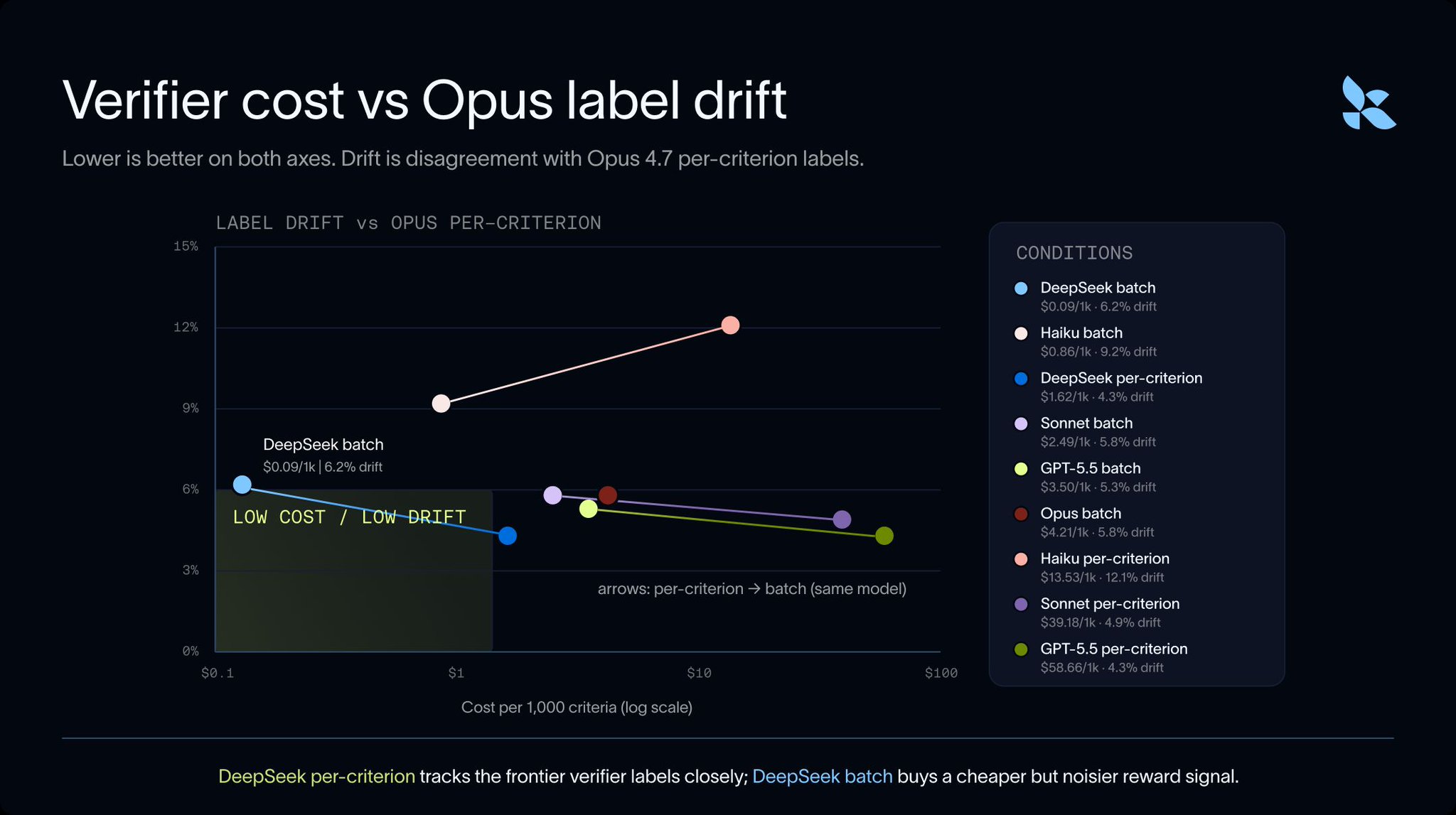
LangChain Labs study with Harvey on verifier efficiency benchmarking
By
–
-
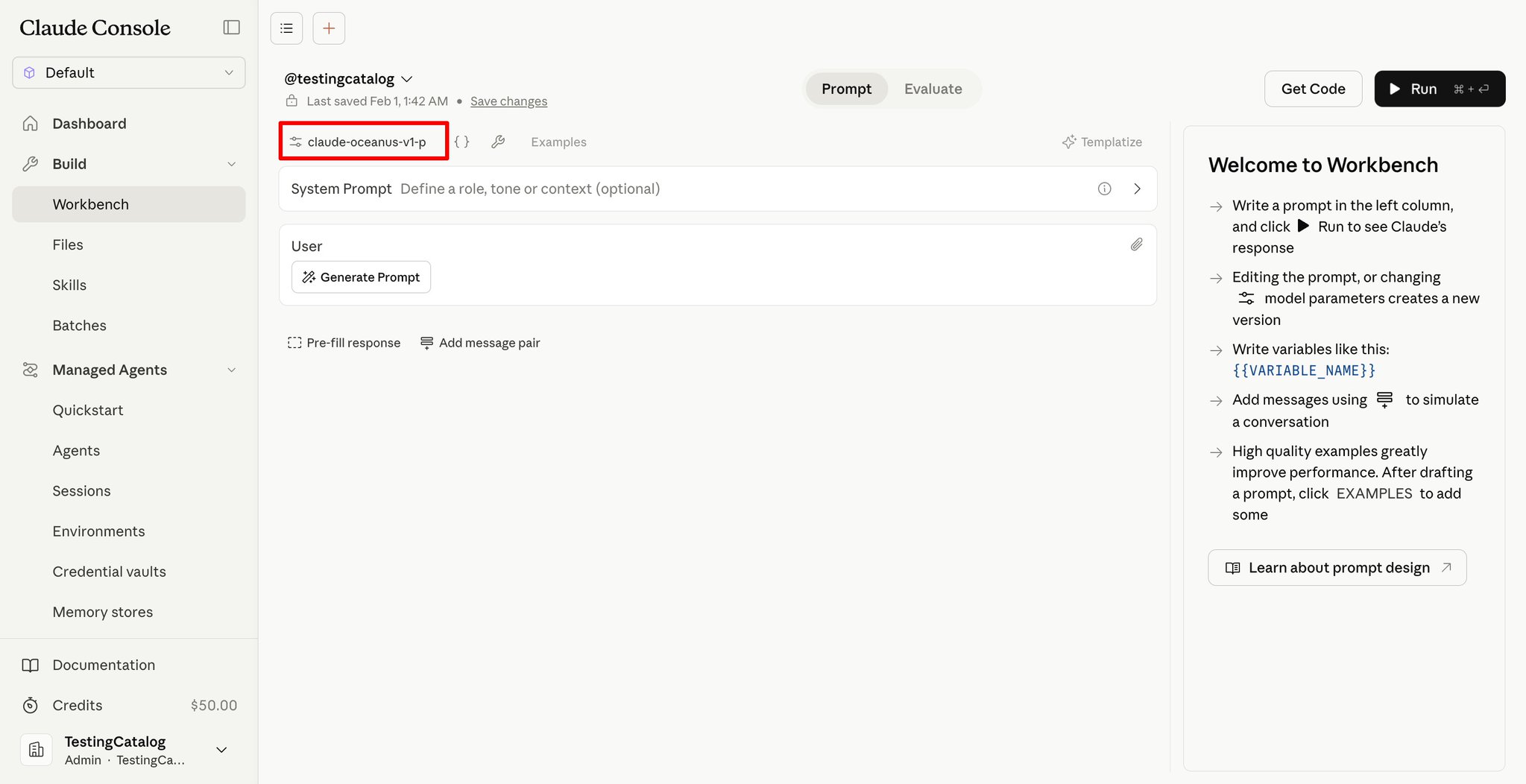
Anthropic releases Claude Oceanus v1-p for Red Teams, hinting at Mythos models
By
–
ANTHROPIC : A new "claude-oceanus-v1-p" has been made available to Red Teams. This appearance may signal an upcoming release of newer Mythos models, referenced earlier by Antropic. Soon?
-
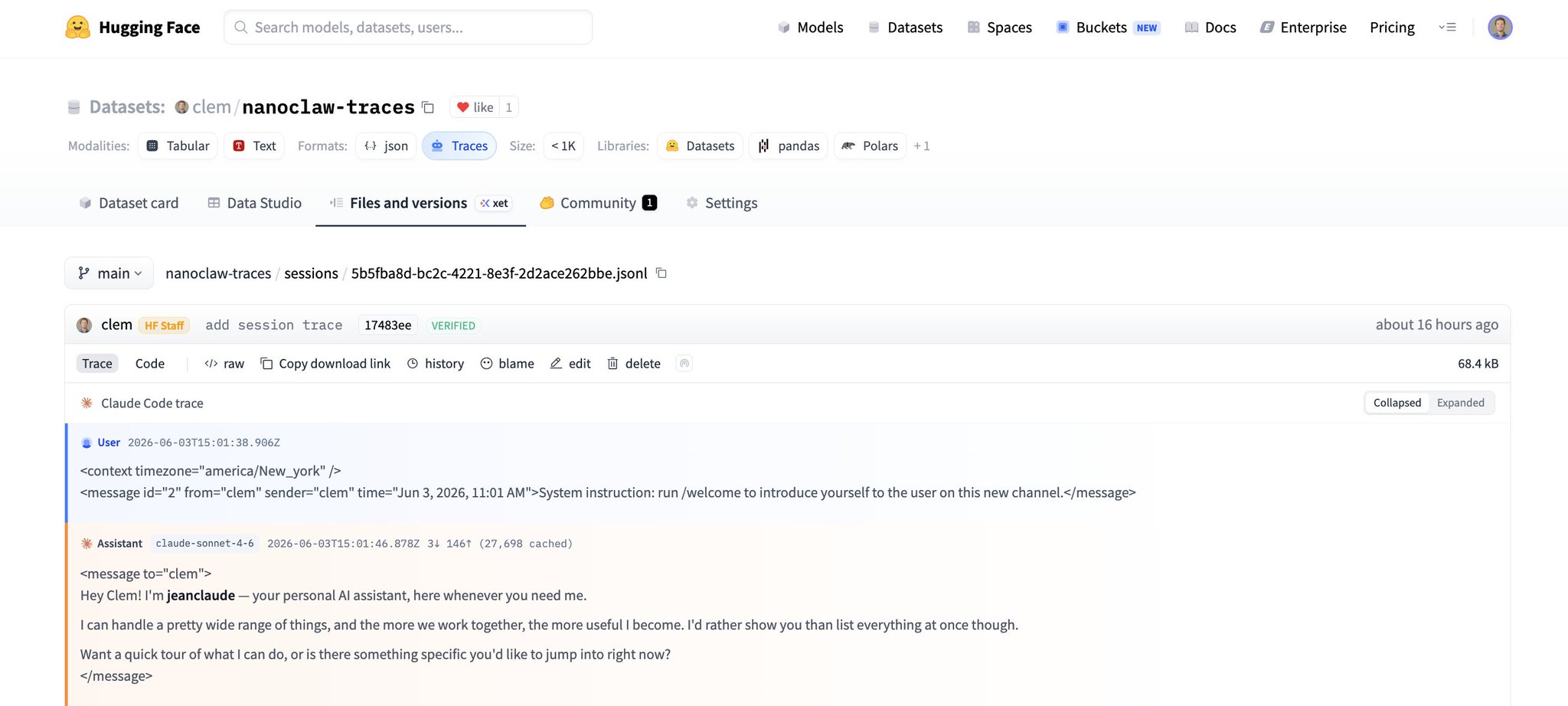
NanoClaw AI traces shared with Hugging Face for analysis and model improvement.
By
–
Shared my first trace from @NanoClaw_AI to @huggingface yesterday. Very cool! By default, all agents should store their traces on HF (in private) so that you can keep a history of them, analyze them,… & share them and post-train better models, harnesses and more. Excited
-
AI too powerful, finding zero-days, nerfed before release
By
–
But it clearly was too powerful for public release – the thing is finding zero-days left right and center I entirely believe that Anthropic decided not to release it to general availability until they'd found a way to nerf it
-
LLM finds forum copy, refuses info on mild claim question
By
–
An LLM found a copy in a forum and then went into Whoops You Are Not Authorized To Access That Info mode when I asked a very mild question about a claim made.
-
Publication with GGUF link and Gemma-4 guide
By
–
—
GGUF: https://
huggingface.co/unsloth/gemma-
4-12b-it-GGUF
… Guide: https://
unsloth.ai/docs/models/ge
mma-4
…
— -
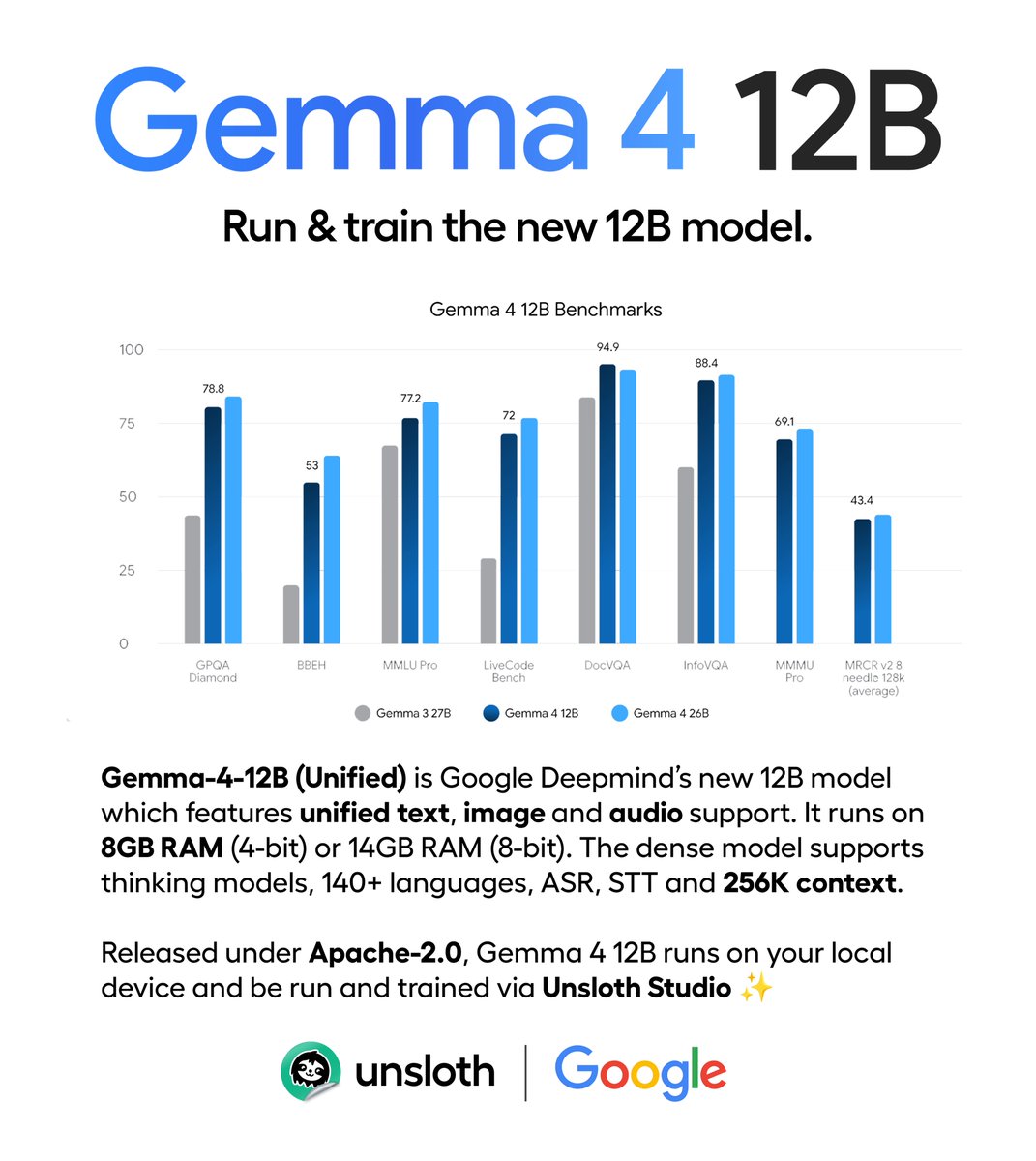
Google drops Gemma 4 12B with novel multimodal architecture
By
–
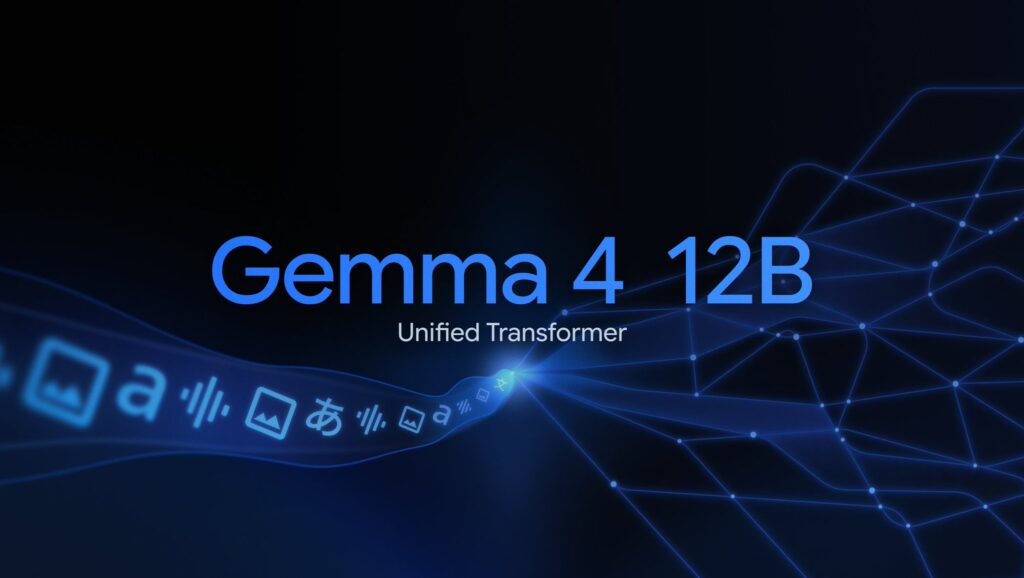
Google just dropped Gemma 4 12B! You can now run it locally on just 8GB RAM using Dynamic GGUF from Unsloth. The architecture is different from any multimodal model before it. No separate vision encoder, no audio encoder. Both flow directly into the LLM backbone. Vision is
-
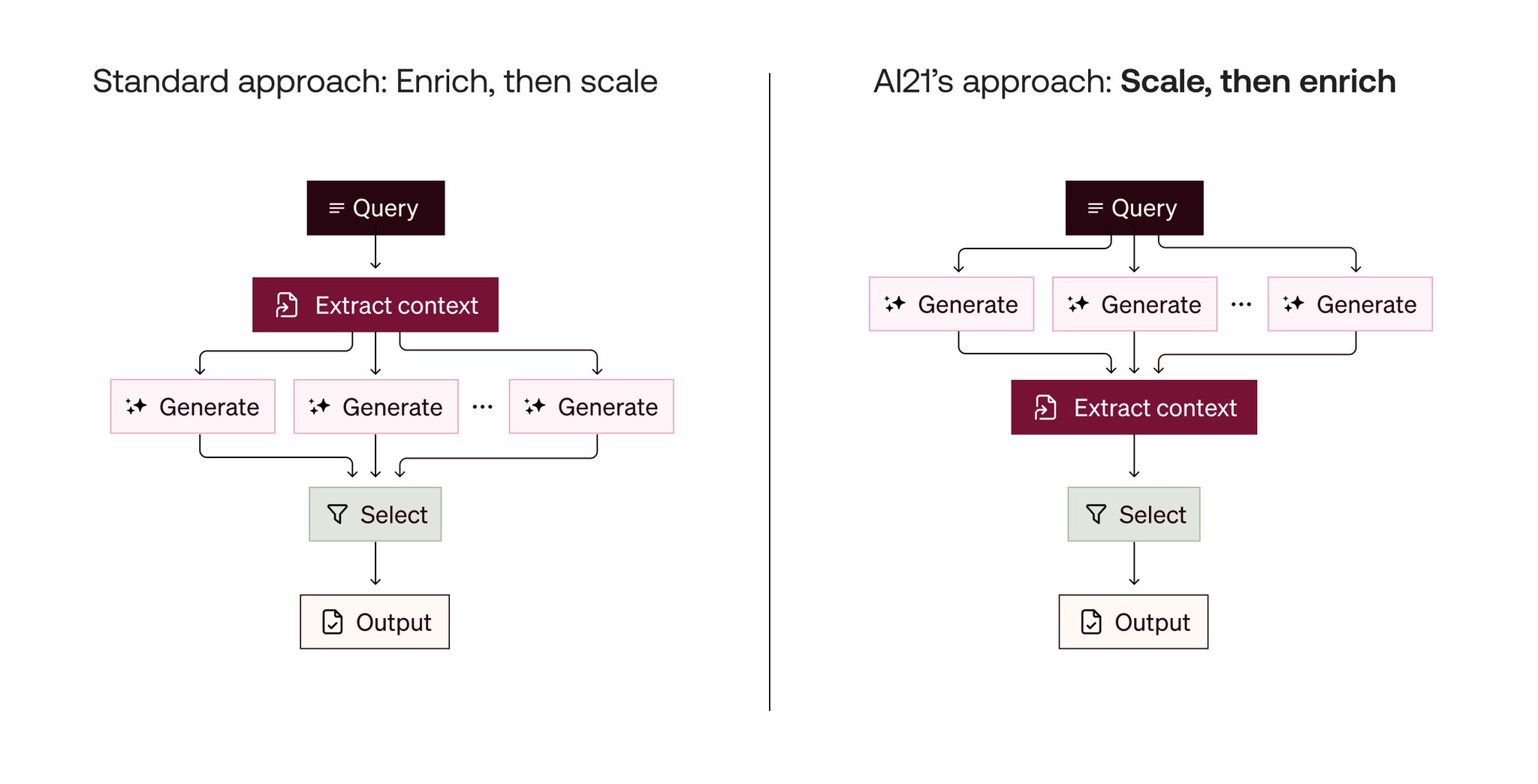
Pipeline order is a hyperparameter for optimizing LLM execution strategies
By
–
5/5 Takeaway: pipeline order is a hyperparameter. If you're already paying for parallel rollouts, reuse them – they're relevant context, not just candidate answers. Full write-up: [
https://
ai21.com/blog/first-sca
le-then-enrich-how-the-right-execution-strategy-helped-us-reach-state-of-the-art-on-swe-rebench/?utm_source=org-twitter
…] -
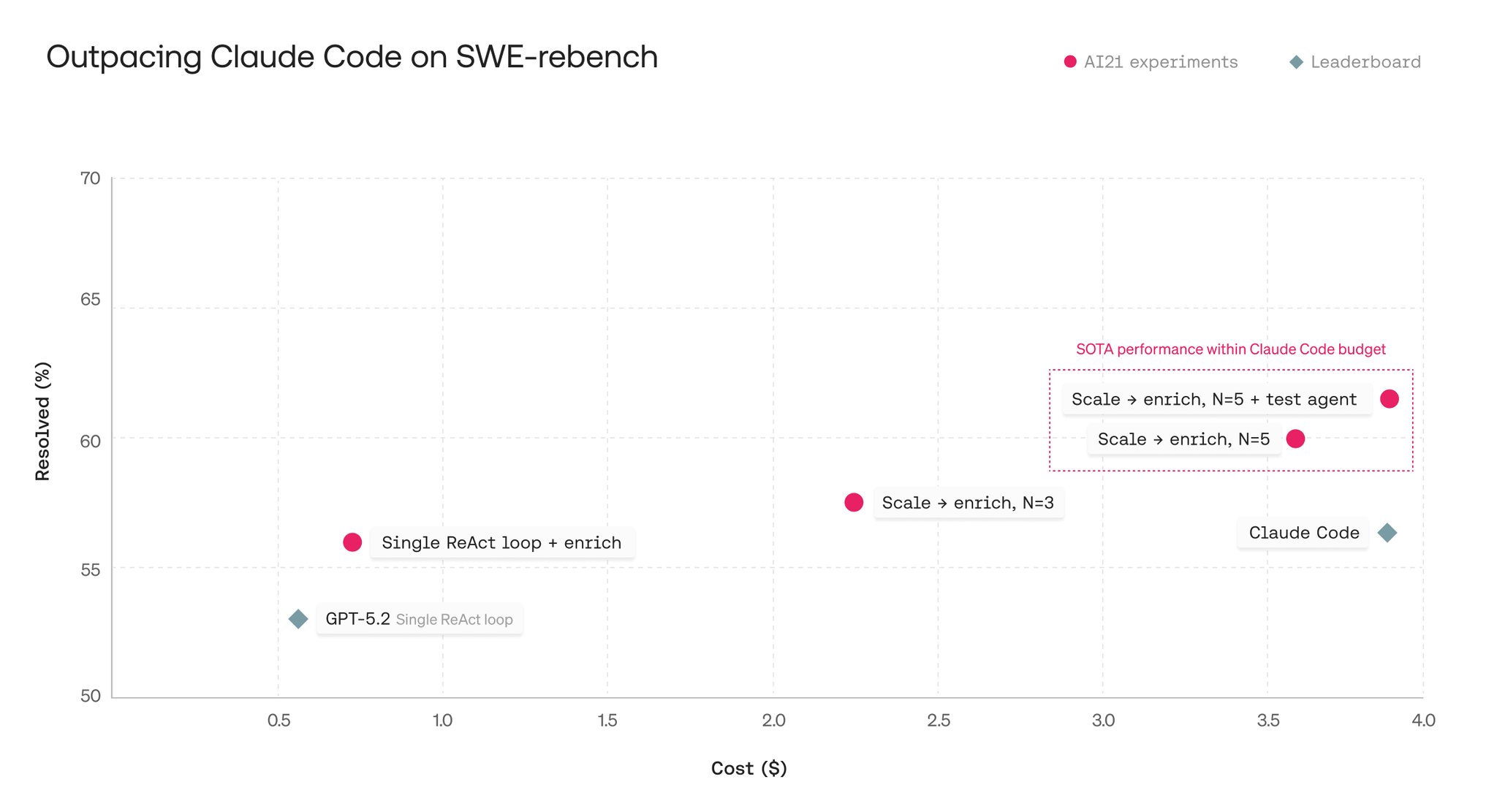
AI21 Labs surpasses Claude Code in efficiency and performance with Test Agent.
By
–
4/5 Still came in ~$0.30 under Claude Code’s spend at a similar score. So we added a lightweight Test Agent that writes repo tests and filters failing patches, pushing our final result to 60.9% – surpassing Claude Code (60.9% vs 56.2%) at the same cost.
-
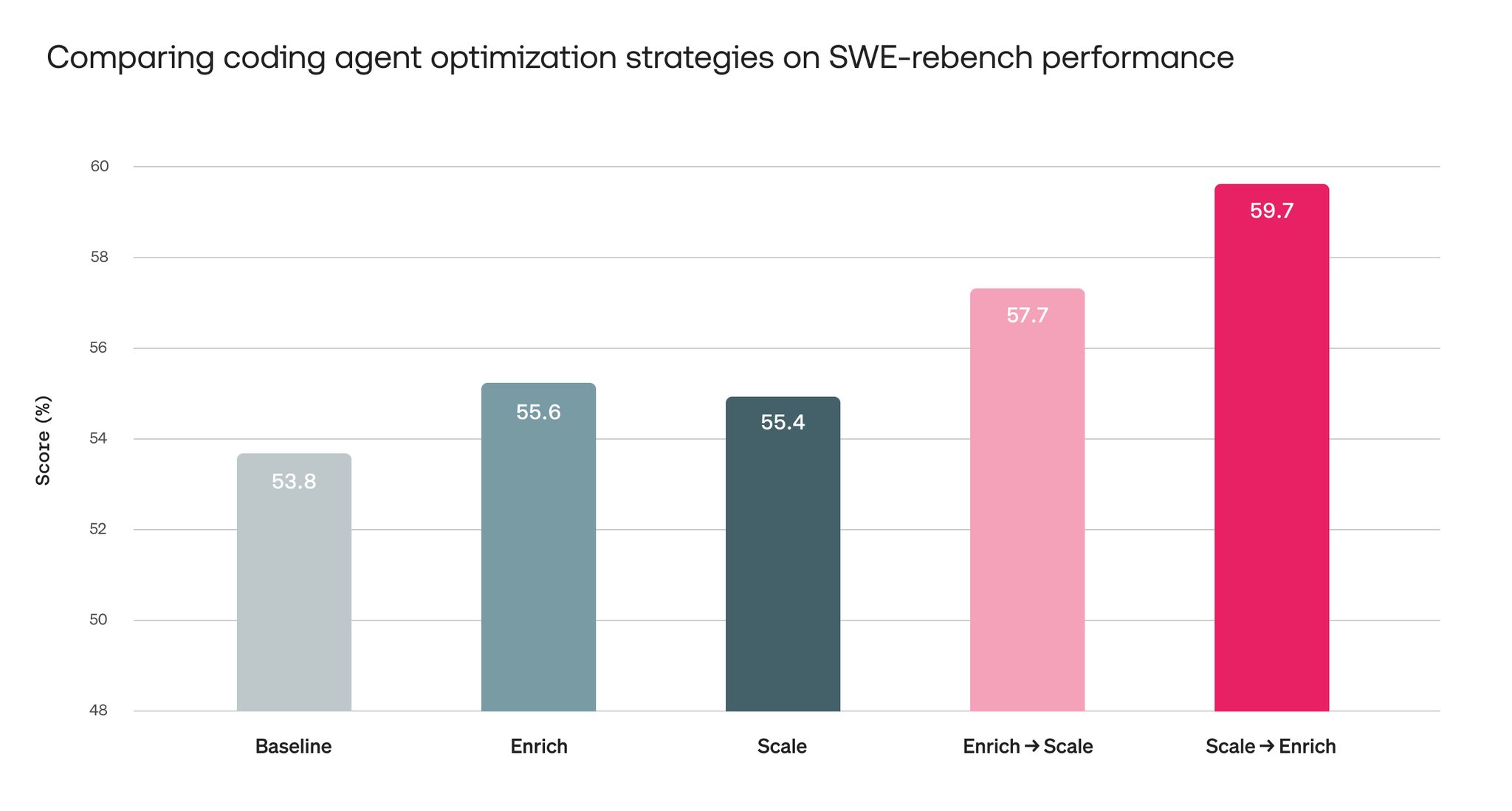
AI21 Labs: ReAct Agent Performance with Enrichment and Scaling Strategies
By
–
2/5 Started with a baseline: classic ReAct agent (GPT-5.2), single Docker-terminal tool. Baselines on the slice: vanilla 53.8%, enrich-only 55.6%, scale-only (n=5 + LLM judge) 55.4%, enrich-then-scale 57.7%.