Fellows will collaborate with Anthropic researchers for 6 months on projects in areas such as: – Adversarial robustness & AI control
– Scalable oversight
– Model organisms of misalignment
– Interpretability
GENERATIVE AI
-
Anthropic Research Fellowship: AI Safety and Control Projects
By
–
-
Anthropic Fellowship Program Offers Full-Time Employment Opportunities
By
–
Fellows can participate while affiliated with other organizations (e.g. while in a PhD program). At the end of the program, we expect Fellows to be stronger candidates for roles at Anthropic, and we might directly extend some full-time offers.
-
Anthropic Fellowship Program: $2,100 Weekly Stipend and Research Support
By
–
Fellows will have access to: – A weekly stipend of $2,100
– ~$10k per month for compute & research costs
– 1:1 mentorship from an Anthropic researcher
– Shared workspaces in the Bay Area or London -
ChatLLM Teams AI Assistant from Abacus AI for Custom Chatbots
By
–
Brilliant See the amazing ChatLLM Teams #AI Assistant (accesses all State-Of-The-Art #LLMs to build custom chatbots and AI agents) from @AbacusAI at: https://
chatllm.abacus.ai/?token=kirk
+
Learn more about it from @bindureddy in the post below…
————
#GenAI #GenerativeAI #LLMOps -
Multi-Hop Reasoning Limitations in Large Language Models
By
–
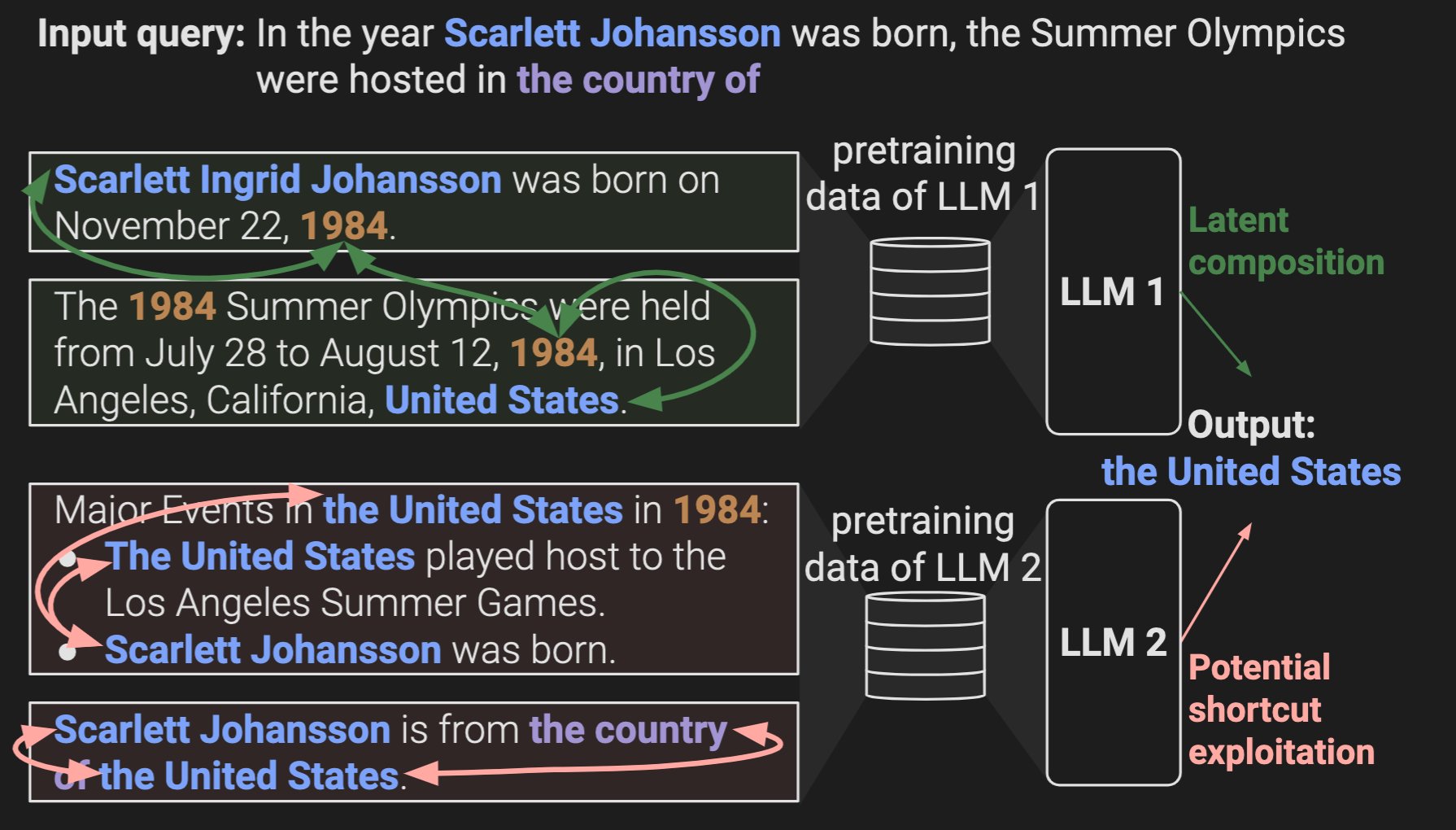
Evaluating Latent Multi-Hop Reasoning in Large Language Models Investigates whether LLMs can combine factual knowledge across multiple hops without relying on pretraining shortcuts. Problem:
LLMs struggle with latent multi-hop reasoning due to reliance on pretraining -
Make-It-Animatable: Automated 3D Character Rigging Framework
By
–
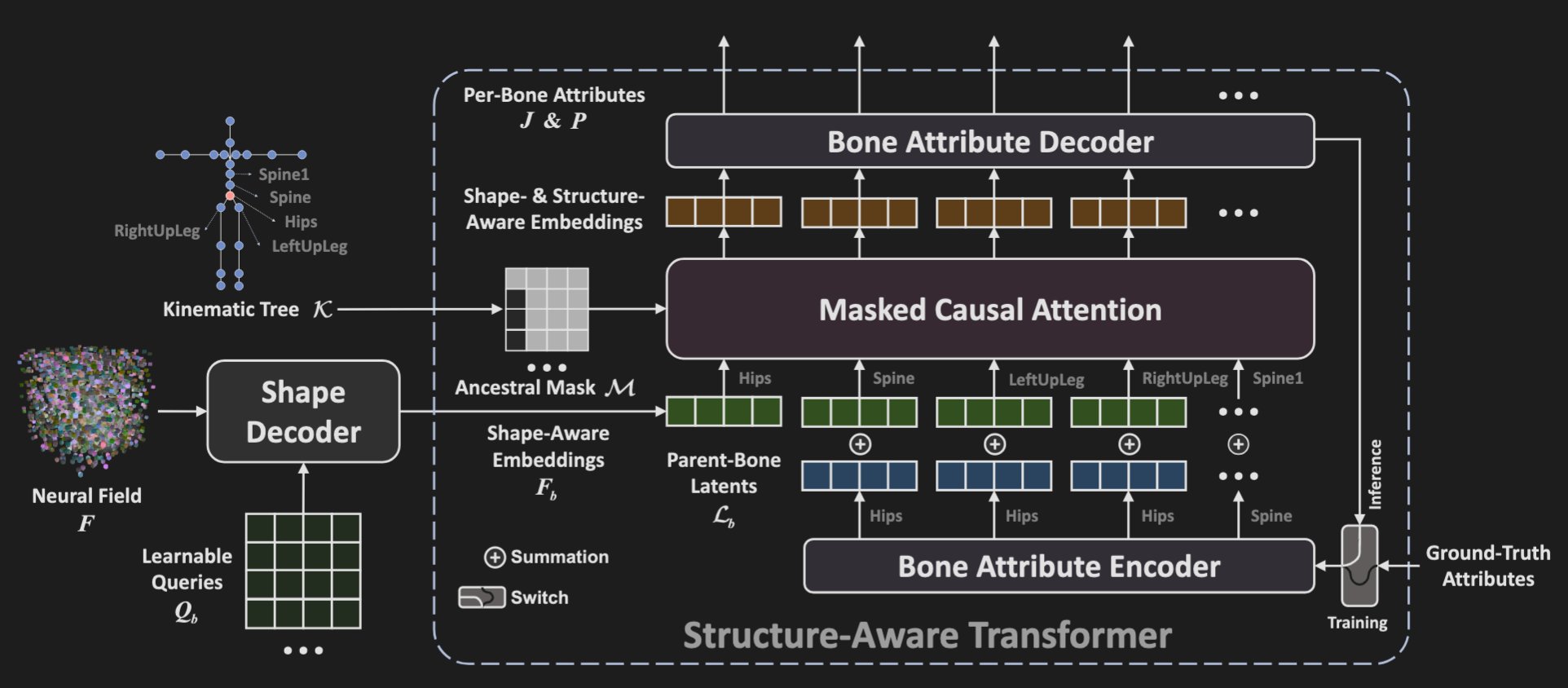
Make-It-Animatable Efficient framework for converting any 3D humanoid character into animation-ready form in under one second. Problem:
Rigging and skinning 3D characters are labor-intensive and existing methods fail to generalize across diverse shapes and poses. Method: -

LLM-Powered GUI Agents: Automation Survey and Insights
By
–
Large Language Model-Brained GUI Agents: A Survey A comprehensive survey exploring how large language models can be used to create AI agents that interact with graphical user interfaces through natural language. Problem:
GUI automation lacks flexibility, requiring complex -
Unified Diffusion Model for Image Generation and Understanding
By
–
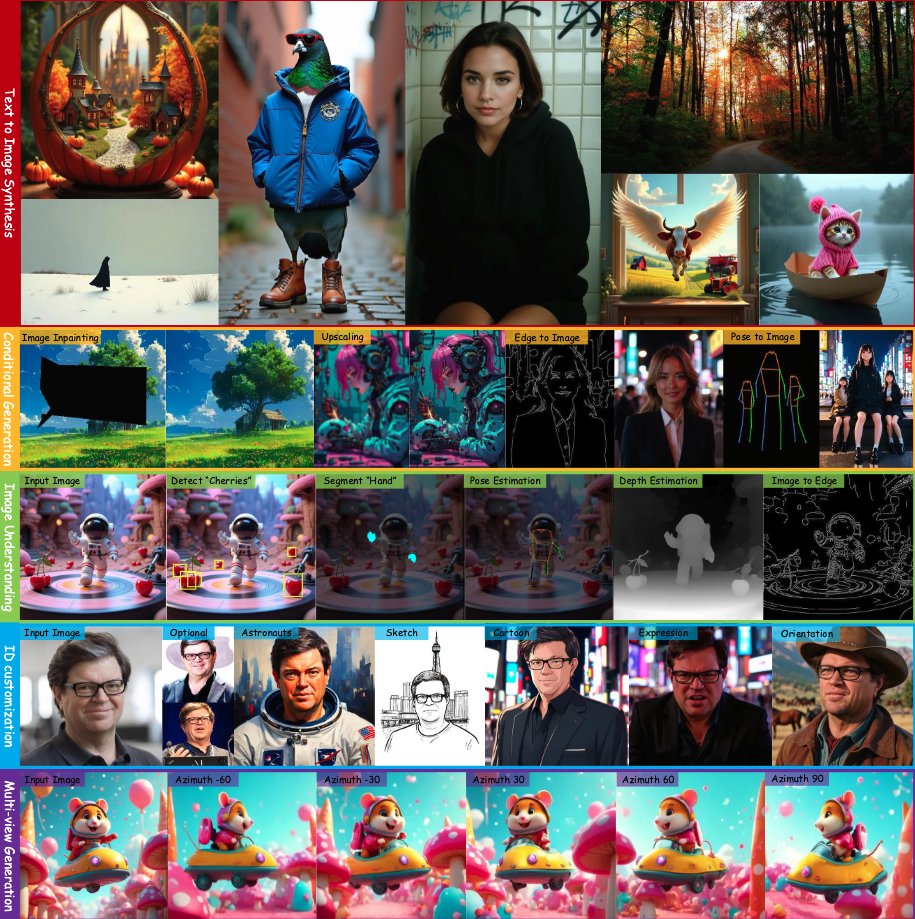
One Diffusion to Generate Them All A unified diffusion model that can perform both image generation and understanding tasks through a simple sequence-based approach. Problem:
Diffusion models are task-specific, lacking the universality and flexibility seen in large language -
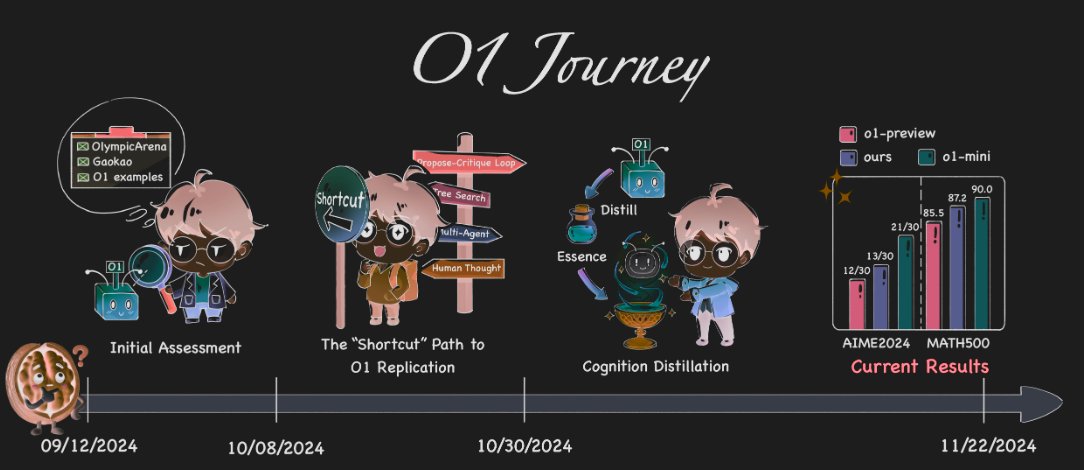
Model Distillation and O1 Replication: Research Ethics Concerns
By
–
O1 replication journey (part 2) A critical examination of how simple model distillation can match O1's mathematical abilities, raising concerns about AI research practices. Problem: Replicating O1 model capabilities has encouraged the use of undisclosed distillation
-
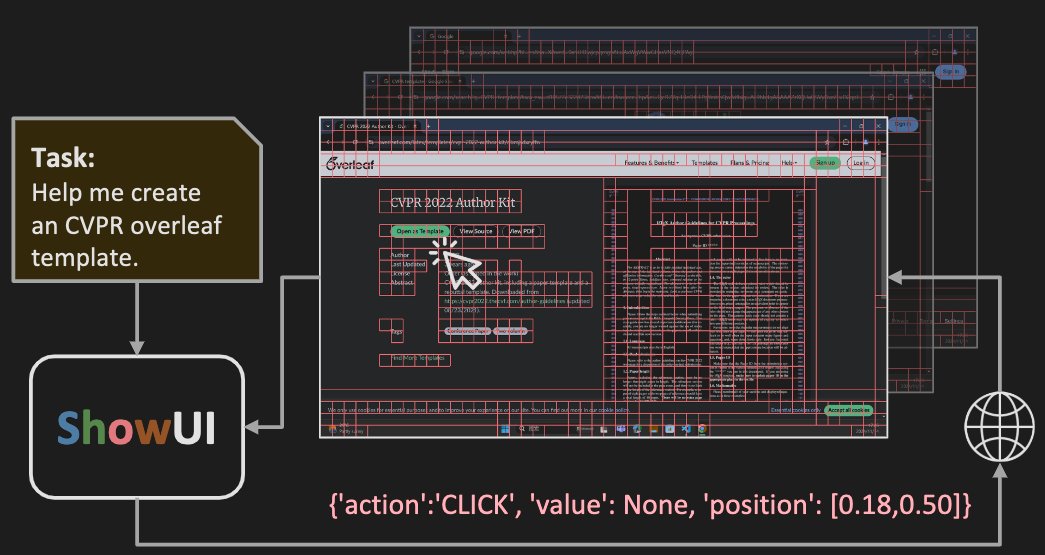
ShowUI: Lightweight Vision-Language Model for GUI Automation
By
–
ShowUI A lightweight vision-language model for efficient GUI automation that achieves SOTA performance while using fewer parameters and less training data. Problem:
GUI automation relying on APIs and metadata struggles with real-world visual scenarios requiring efficient,