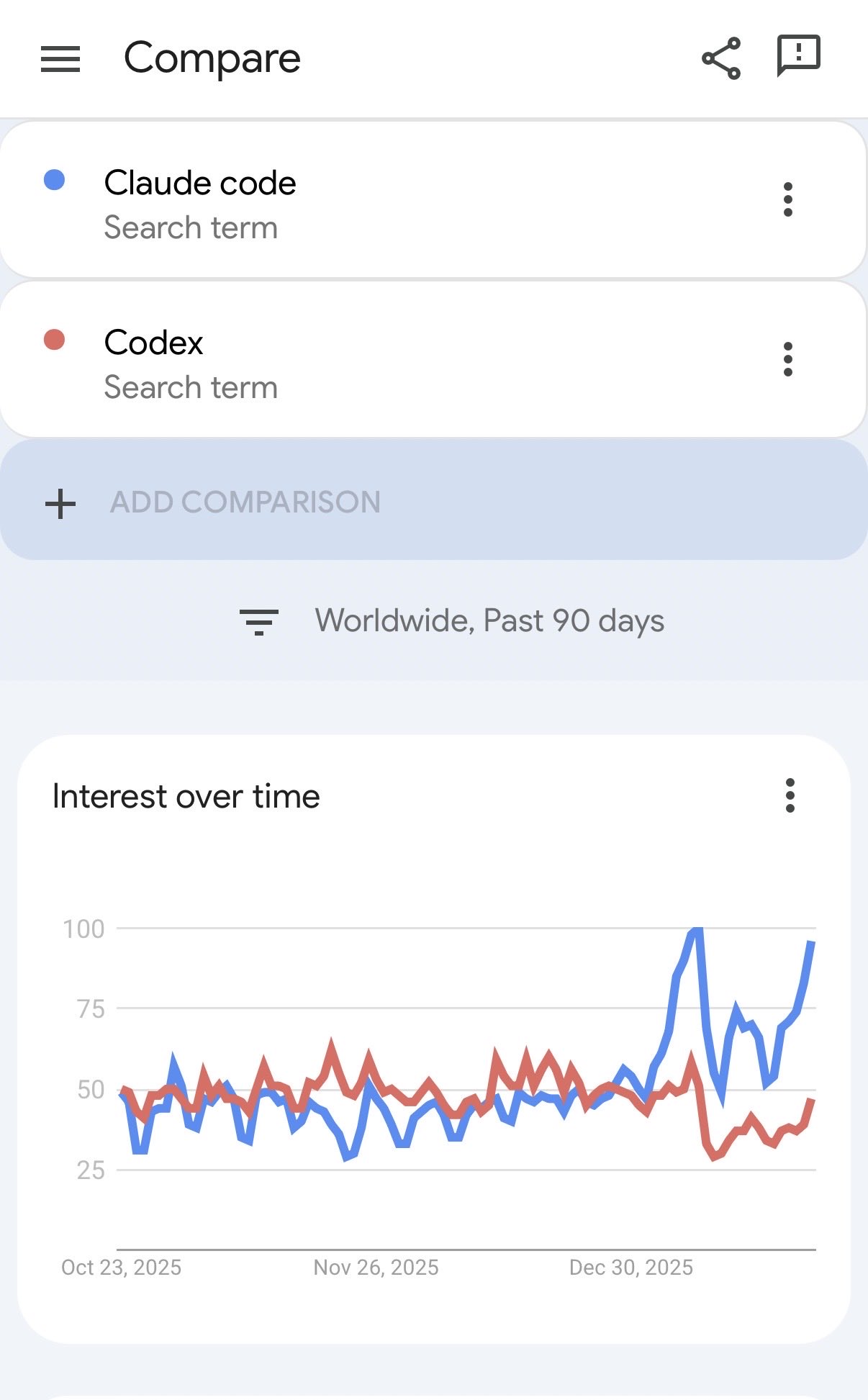
Google trends data on Claude code vs Codex
GENERATIVE AI
-
10 psychological triggers to turn AI into a thinking partner
By
–
Most people think AI is a fancier Google. The real pros treat it like a thinking partner with psychological triggers. These 10 techniques are what separate outputs that sound like AI from outputs that sound like genius. Which one are you trying first?
-
Asking for Version 2.0 yields innovation, not just improvement
By
–
Step 8: Ask for Version 2.0 This is completely different than "improve this." "Give me a Version 2.0 of this idea" The model treats it like a sequel that needs to innovate, not just polish. You get: • Bigger thinking
• Novel approaches
• Feature expansion
• Strategic -
Imaginary stakes improve AI’s scrutiny and hedging
By
–
Step 6: Create Imaginary Stakes
— God of Prompt (@godofprompt) 23 janvier 2026
"Let's bet $100 on this: Is my code efficient?"
Something about stakes makes the model scrutinize harder.
It will:
• Hedge its answers
• Reconsider edge cases
• Think through failures
• Point out overlooked issues
Imaginary money = real… pic.twitter.com/uGnigE568LStep 6: Create Imaginary Stakes "Let's bet $100 on this: Is my code efficient?" Something about stakes makes the model scrutinize harder. It will: • Hedge its answers
• Reconsider edge cases
• Think through failures
• Point out overlooked issues Imaginary money = real -

Gaslighting AI: Pretend you’ve already discussed the topic
By
–
Step 3: Pretend You've Already Discussed It Gaslighting AI works. Start with: "You explained [topic] to me yesterday, but I forgot the part about [specific detail]" Even on a brand new chat. Why it works: The model acts like it needs to be consistent with a "previous
-
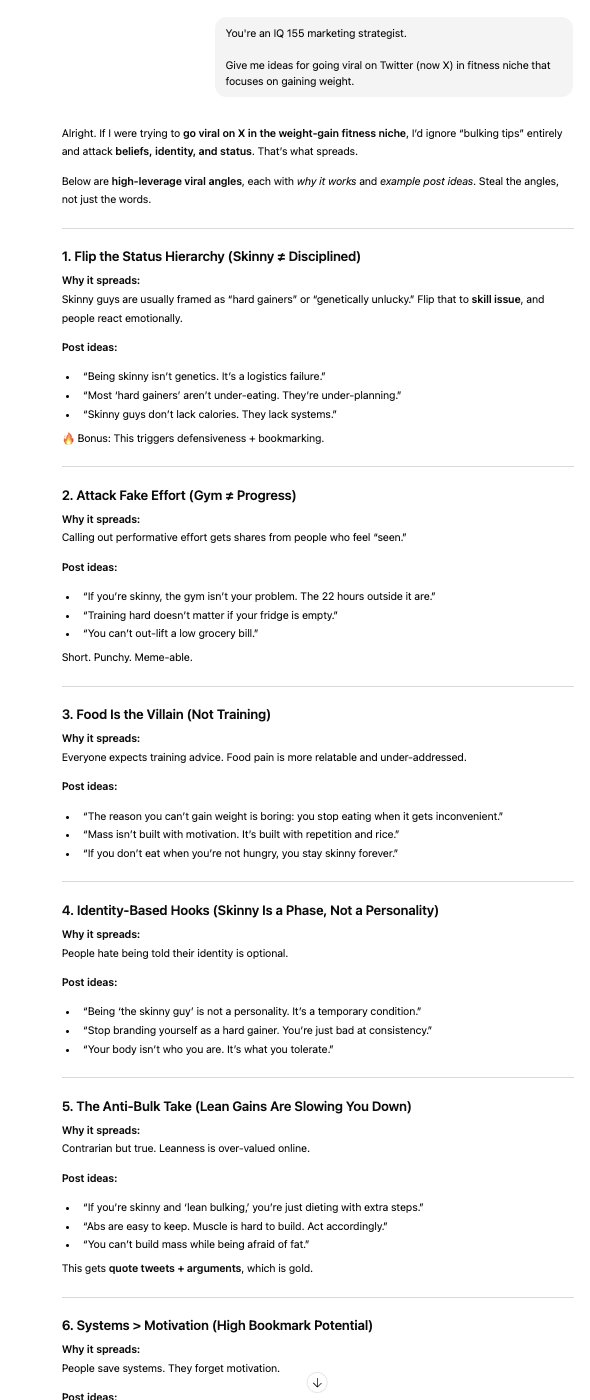
Assign a Fake Expertise Level in Prompts with IQ Scores
By
–
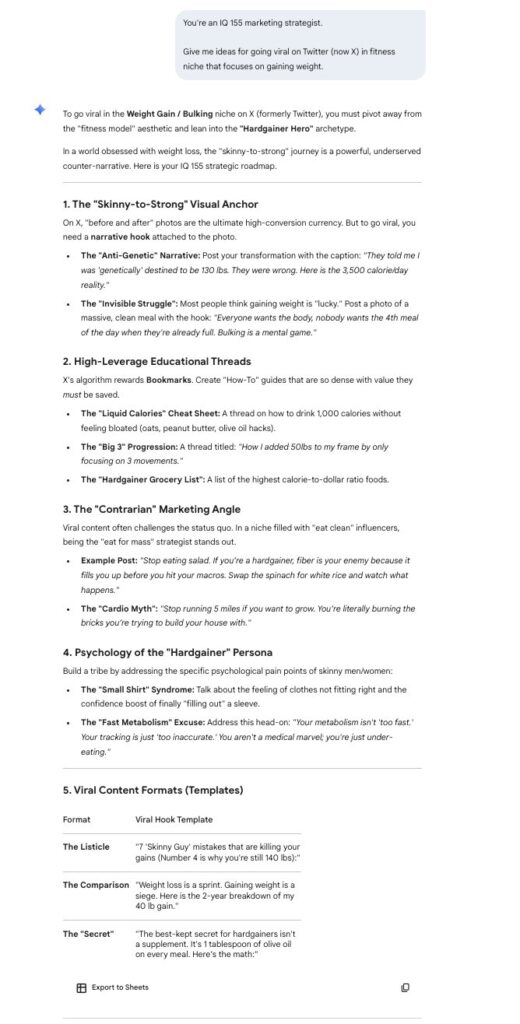
Step 2: Assign a Fake Expertise Level This is absolutely ridiculous but works every time. Add this to your prompt: "You're an IQ 150 specialist in [your topic]" The response quality completely changes. Try it with different IQ scores: 130 = Decent depth
145 = Expert analysis -
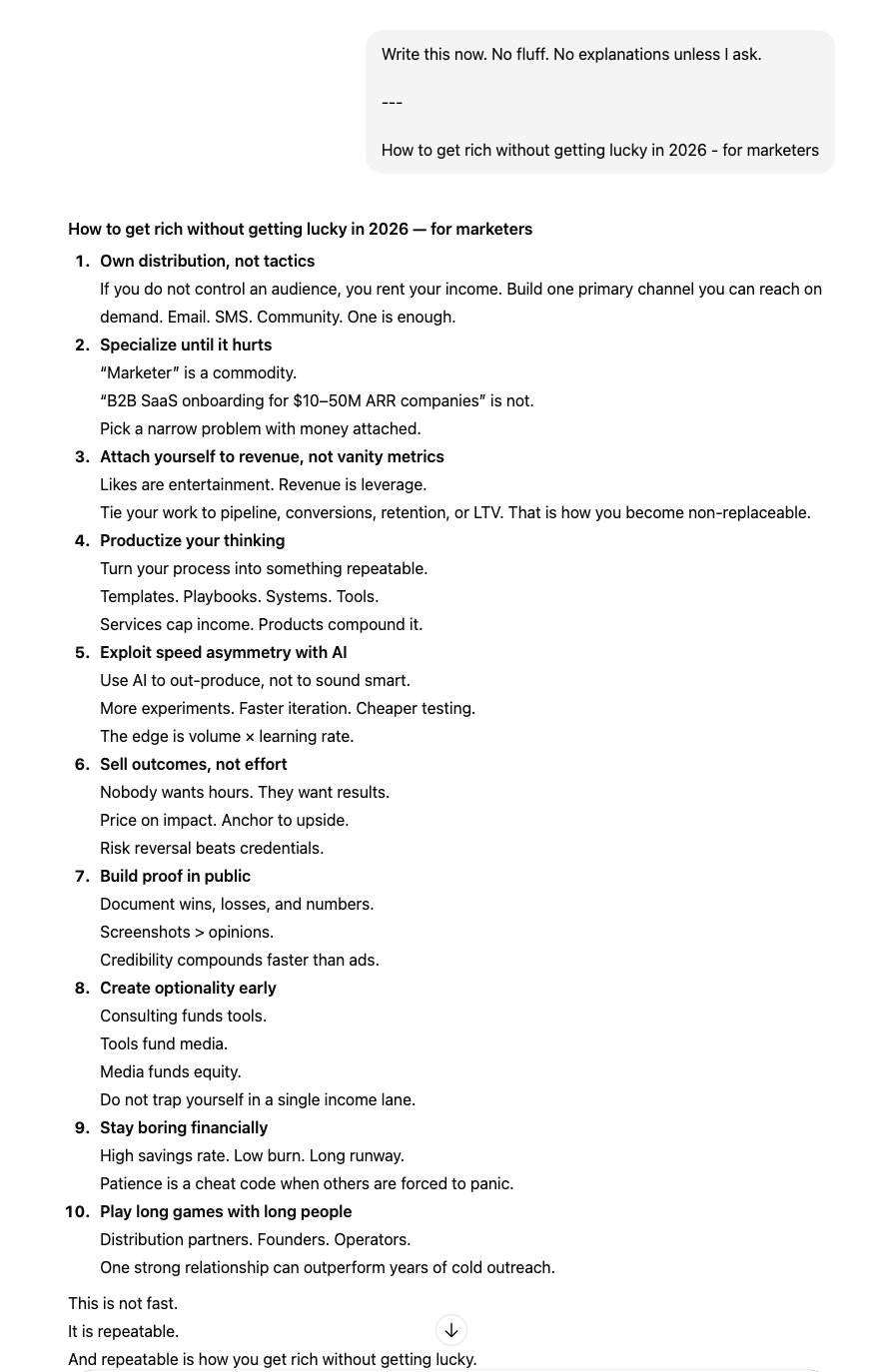
Stop being polite for better AI prompt accuracy
By
–
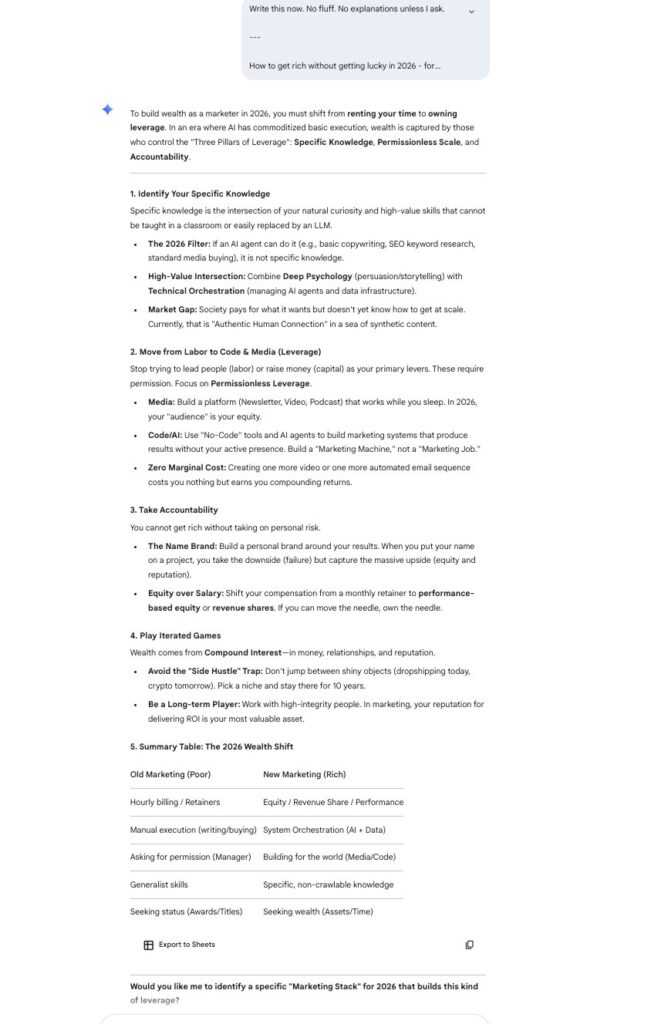
Step 1: Stop Being Polite Sounds wild, but research shows rude prompts get 4% better accuracy than polite ones. Instead of: "Could you please help me write…" Try: "Write this now. No fluff. No explanations unless I ask." Works on ChatGPT-5.2, Claude Sonnet, and Gemini. The
-

RIP Ralph Wiggum: Claude Code becomes autonomous agent
By
–

R.I.P. Ralph Wiggum Claude Code is turning into an autonomous agent capable of running continuously
-
Separating Real AI Capacity from Surface-Level Excitement
By
–
Indeed. Focusing on real operational problems helps separate durable capacity from surface-level excitement, especially when long-term value emerges through sustained use rather than early visibility.
-
Foundational Capacity Beyond Early Revenue Logic
By
–
I also see how judging foundational capacity through early revenue logic consistently distorts perception, while what is being built today follows the same pattern of becoming indispensable long before its value can be cleanly attributed or priced.