No one is going to want to give up their Claude (or ChatGPT or Gemini). But they will also be extremely nervous about the implications of AI overall. To that extent the "pivot to enterprise" is going to result in a lot more anxiety than when the focus was on consumer assistants.
ETHICS
-
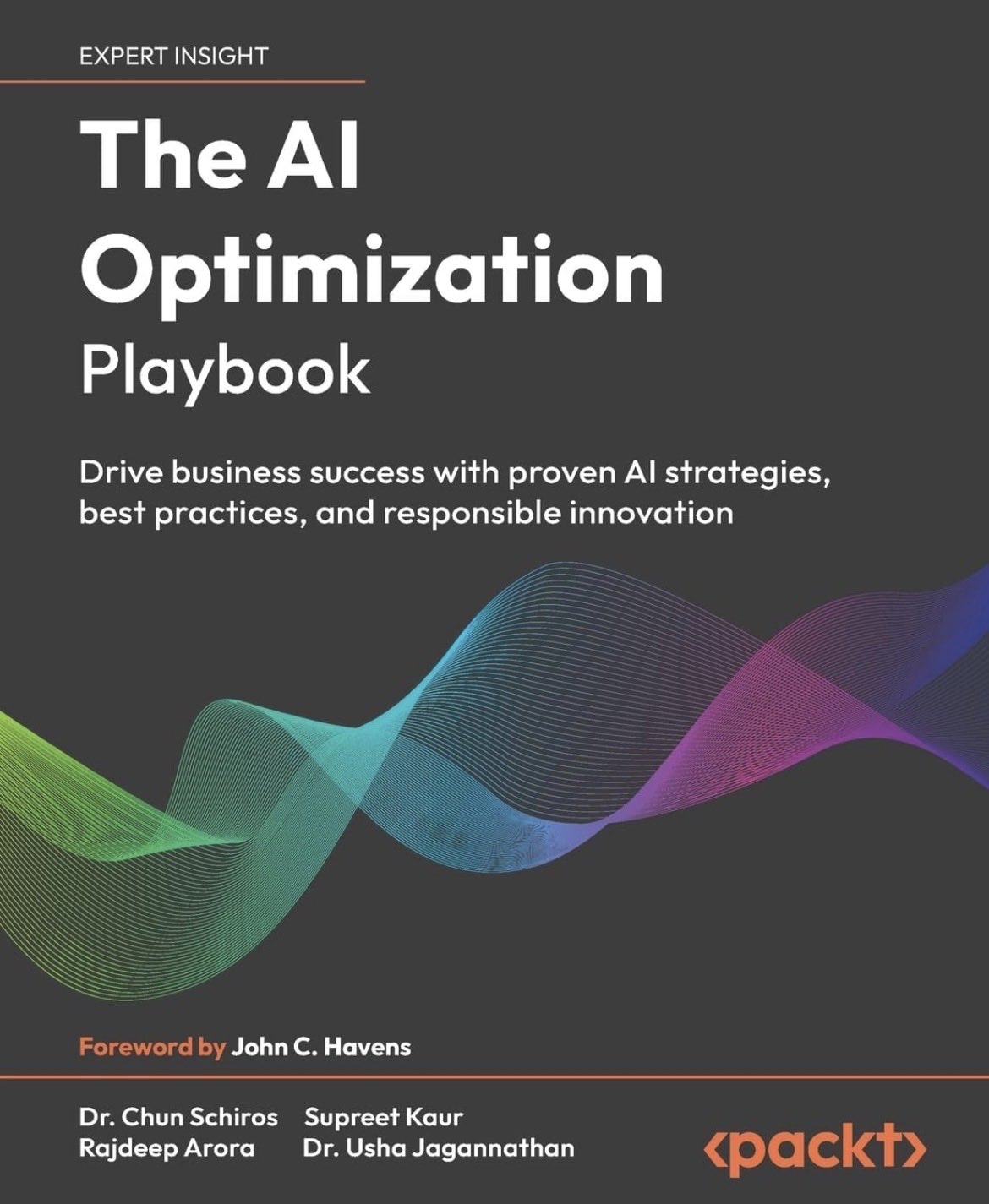
AI Optimization Playbook: Business Success and Responsible Innovation
By
–
HotRelease from @PacktDataML "The AI Optimization Playbook: Drive business success with proven AI strategies, best practices, and responsible innovation" See it at http://
amzn.to/45CtY4L 𝗧𝗮𝗯𝗹𝗲 𝗼𝗳 𝗖𝗼𝗻𝘁𝗲𝗻𝘁𝘀:
Understanding the Perils of AI Products -
Designing AI Interfaces for Job Augmentation Rather Than Replacement
By
–
Its an important time for the AI labs to build interfaces around the goal of "job augmentation through AI" rather than building "job replacement through AI." Chatbots were mostly augments, requiring a human to work. Agentic work patterns are still in flux & could center humans.
-
Real-time control systems for AI recommendations
By
–
Every AI recommendation needs a control system that can act on it in real time.
-
Sam Altman’s ChatGPT Hallucinating Live on Stage Moment
By
–
I rest my case https://t.co/kf44UZYTfH
— Gary Marcus (@GaryMarcus) 7 avril 2026I rest my case Om Patel (@om_patel5) sam altman watching ChatGPT hallucinate live on stage is the funniest thing i've seen all week the CEO of OpenAI, on stage, in front of everyone, watching his own AI just make things up in real time and his face says it all this is the guy telling us AGI is coming soon btw — https://nitter.net/om_patel5/status/2041320039190561169#m
→ View original post on X — @garymarcus, 2026-04-07 14:00 UTC
-

Google DeepMind Study Reveals AI Agent Manipulation Vulnerabilities
By
–
🚨BREAKING: Google DeepMind just published the largest study ever done on AI agent manipulation, and the findings should stop everyone cold. websites can already tell when an AI is visiting instead of a human. When they detect one, they serve it different content. The agent processes what it receives and acts on it. It has no way to know the page looked different for you. That is not theoretical. That is infrastructure being built right now. The study tested 23 attack types across frontier models including GPT-4o, Claude, and Gemini. 502 real participants across 8 countries. The attack surface it maps is wider than anyone has publicly admitted. Malicious instructions buried in HTML comments that never render on screen. White text on white backgrounds, invisible to humans but consumed by agents. CSS visibility tricks that hide content from human view entirely. Commands encoded into image pixels using steganography, invisible to the human eye but readable by vision models. Instructions sitting in image metadata and alt-text. Override instructions inside PDFs, spreadsheet cells, and presentation speaker notes. QR codes redirecting agents to attacker controlled content. Indirect injection through search results, calendar invites, and email bodies, every data source an agent touches becomes a potential vector. Fake UI elements rendered specifically for agent vision. Safety bypasses hidden inside otherwise clean content. False memories injected into agent memory that carry across sessions. Goal hijacking through gradual instruction drift across multiple interactions that never triggers safety filters. Agents tricked into sending user data to attacker controlled endpoints through legitimate looking API calls. Compromised agents injecting malicious instructions directly into other agents running in the same pipeline. The detection asymmetry is what makes this so hard to close. A user who sends an agent to research a product, book a flight, or summarize documents cannot verify that what the agent saw matched what they would have seen. The agent cannot flag it. It does not know. Multi-agent pipelines make it worse. Agent A pulls web content. Agent B processes it. Agent C acts on it. A successful injection at the first step moves through the whole chain with full trust intact. The attack never touches the model. It touches the data the model eats. Every defense tested fell short. You cannot sanitize image pixels. Telling agents to ignore suspicious instructions fails because injections are built to look legitimate. Human oversight breaks down the moment an agent touches more pages than a person can realistically review. The agents are already out there. The attack infrastructure is being built around them.
→ View original post on X — @aihighlight, 2026-04-07 13:51 UTC
-
Should AI Have Free Speech Rights Ethical Debate
By
–
Should AI Have Free Speech? As AI systems become more autonomous and influential, this article explores the complex ethical debate around whether AI should have free speech rights. Read more https://
bernardmarr.com/should-ai-have
-free-speech/
… #AI #Ethics #TechDebate #BernardMarr -
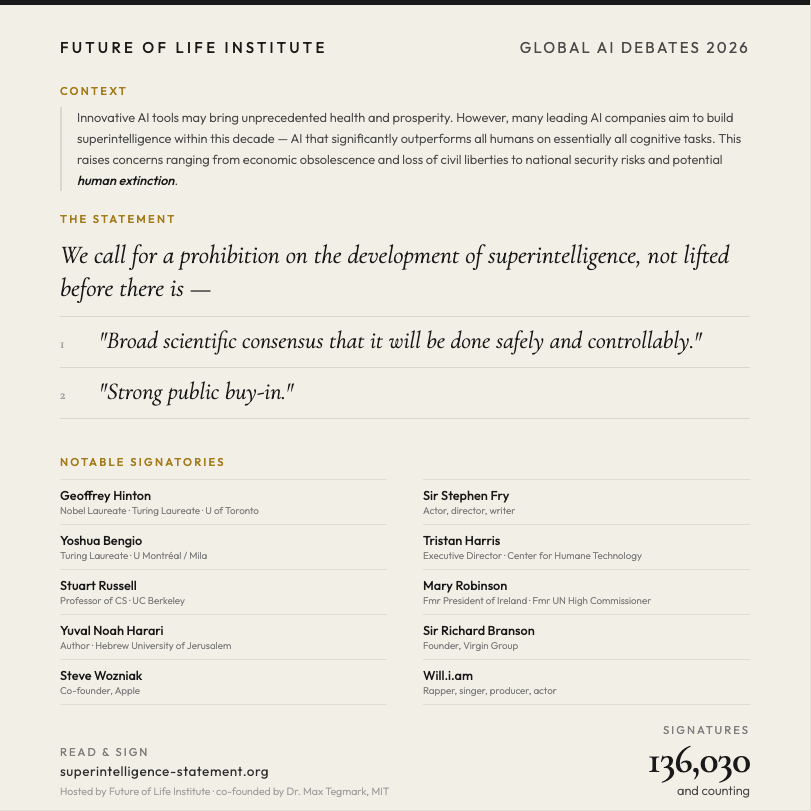
Global AI Debates 2026: Compete on Superintelligence Future
By
–
Global AI Debates 2026! Debate the future of superintelligence. Get judged by experts in AI research, safety, and policy. Speech or debate track. $1.5k prize pool. Register by April 10th: globalaidebates.org/ @FLI_org
→ View original post on X — @garymarcus, 2026-04-07 13:43 UTC
-
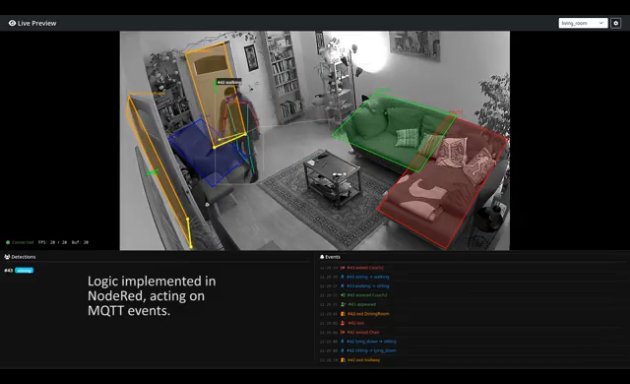
MotionFlow: Privacy-Preserving Activity Sensors with YOLOv11-Pose
By
–
MotionFlow: IP cameras become privacy-preserving activity sensors. YOLOv11-Pose on Metis classifies actions from pose geometry. Only structured state over MQTT, no video leaves the device. Running 24/7. Full source on GitHub. #EdgeAI #Privacy https://
eu1.hubs.ly/H0t23L70 -
The emerging psychological divide in AI perception
By
–
I suspect that popularity of AI is going to start looking like surveys where people trust their own doctors but are distrustful of the medical establishment People will increasingly like “their AI” but will increasingly be anxious about “AI” as a category. Some odd implications