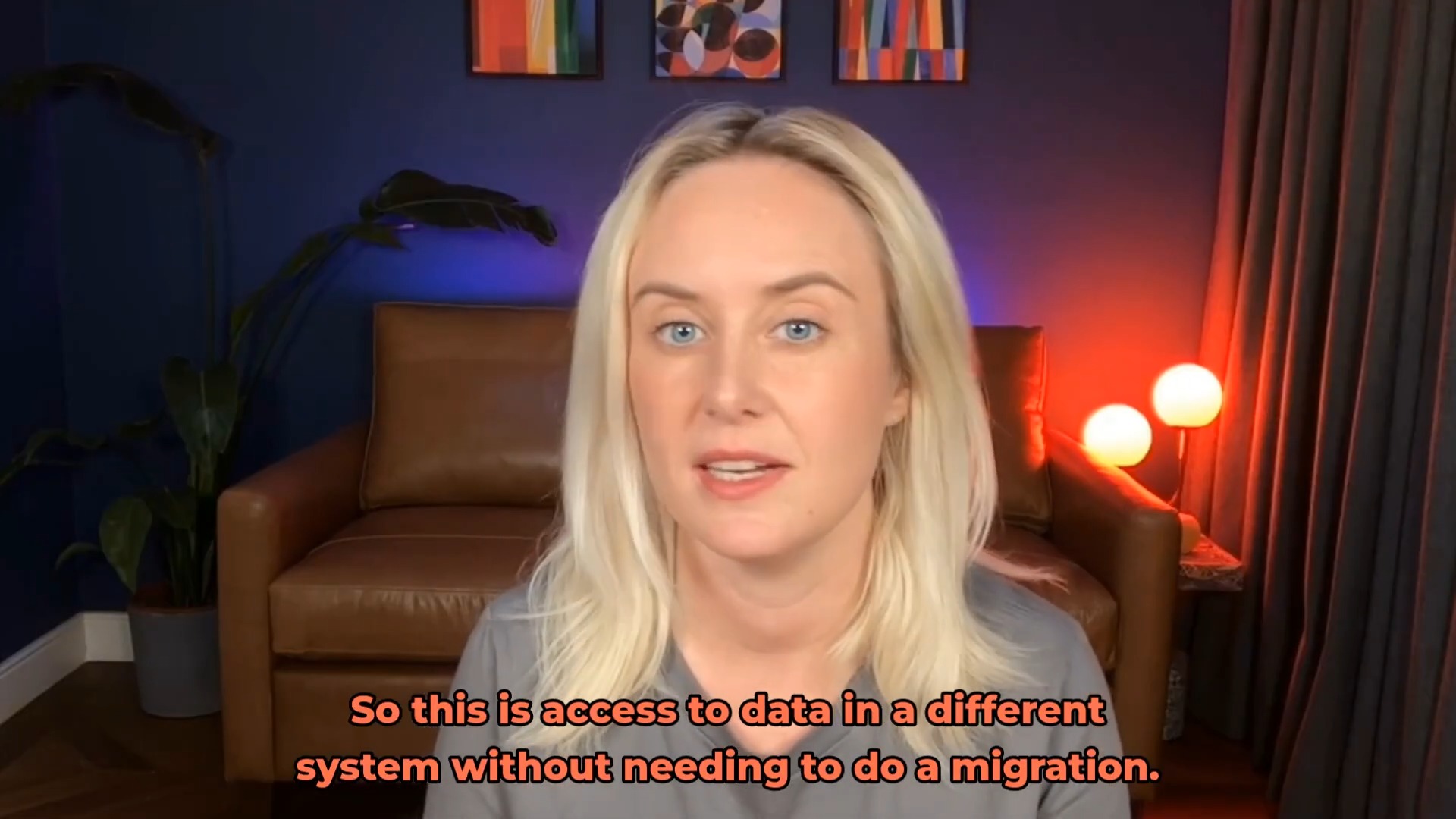
Convert Foreign Tables makes it easier to start using data that lives in other systems, without committing to a full migration. It brings federated data under Unity Catalog governance, so teams can work across systems while staying controlled and safe. Watch Nick Karpov and
COMPUTING
-
Gordon Moore’s Birthday: The Legacy of Moore’s Law
By
–
Happy birthday to the late Intel co-founder Gordon Moore (of "Moore’s Law"). In 1965, he predicted that the number of transistors on computer chips would double roughly every two years. Image: Intel
-
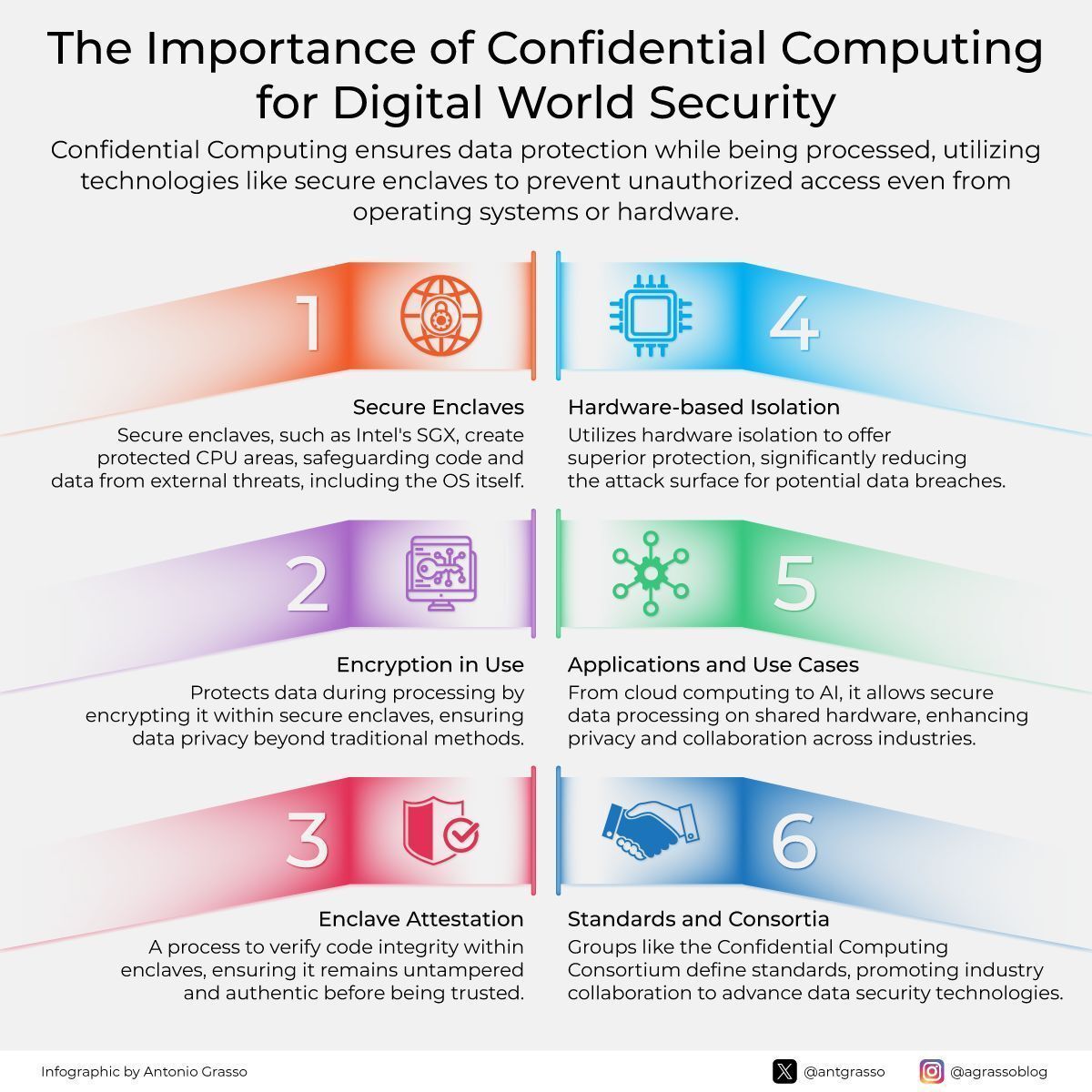
Confidential Computing Strengthens Data Protection in Cloud AI
By
–
Confidential computing strengthens data protection by using secure enclaves, encryption in use, hardware isolation and trusted verification, supporting private processing across cloud and AI environments through shared standards and alignment. Microblog @antgrasso #CloudSecurity
-
MoE: From Niche to Industry Standard by 2025
By
–
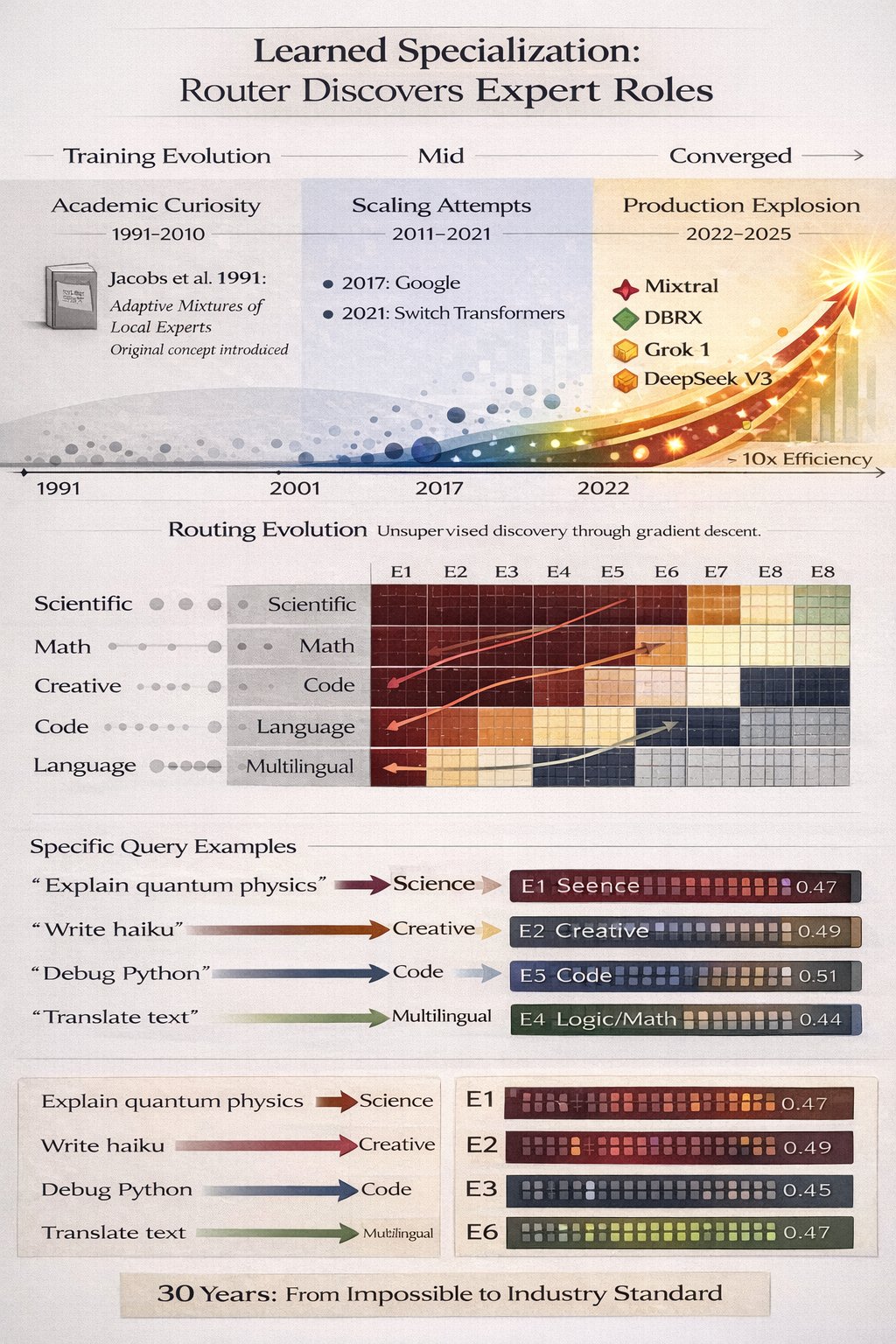
Mixture of Experts went from academic curiosity (1991) → impossible to scale (2000s) → production breakthrough (2021) → industry standard (2025). Dense models are becoming legacy infrastructure. If you're building AI in 2025 and not considering MoE, you're overpaying by 10x.
-
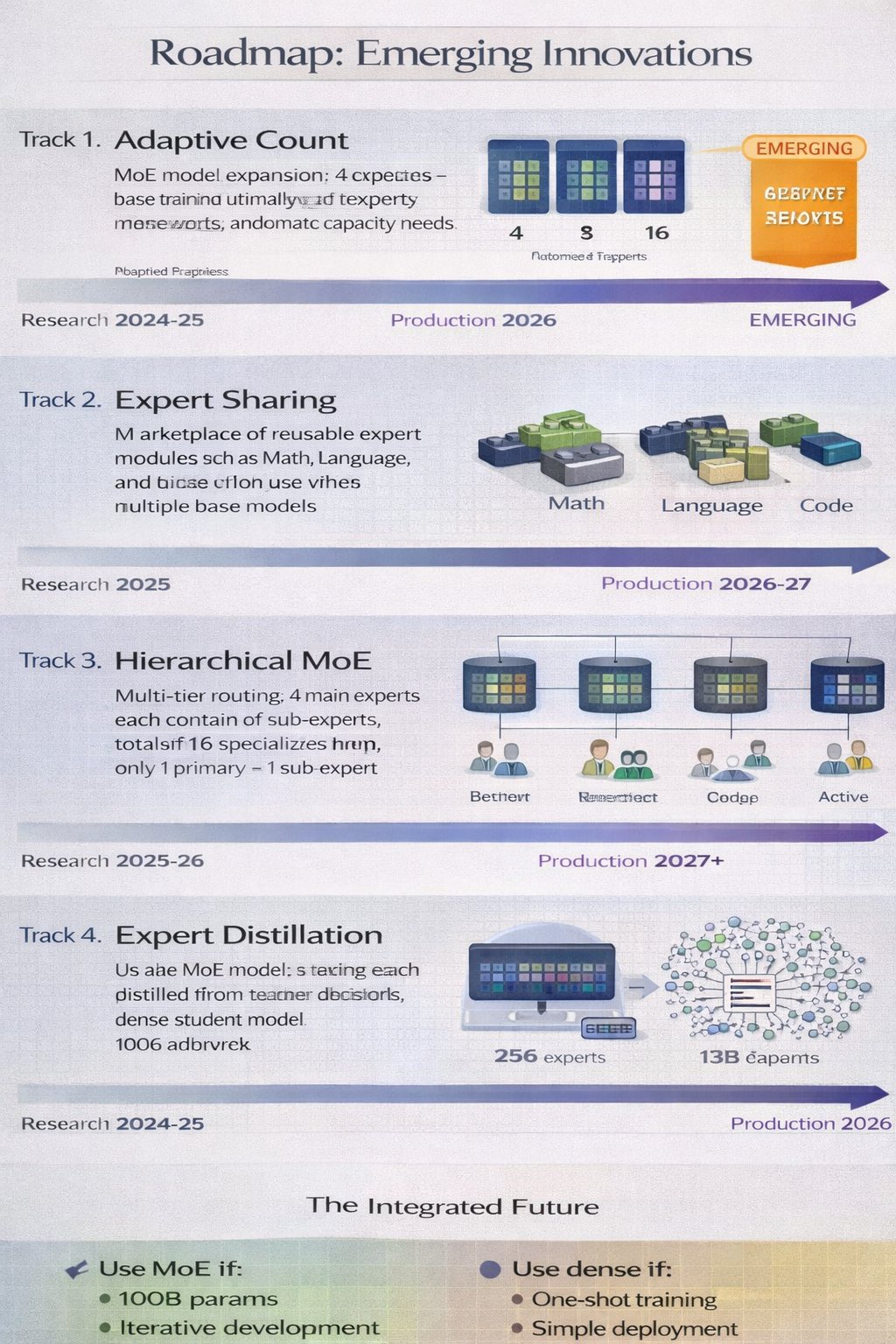
Next-Gen MoE Innovations in 2026
By
–
What's coming next: → Adaptive expert count (dynamically add/remove experts during training)
→ Cross-model expert sharing (reuse specialists across different models)
→ Hierarchical MoE (experts that route to sub-experts)
→ Expert distillation (compress MoE knowledge back -
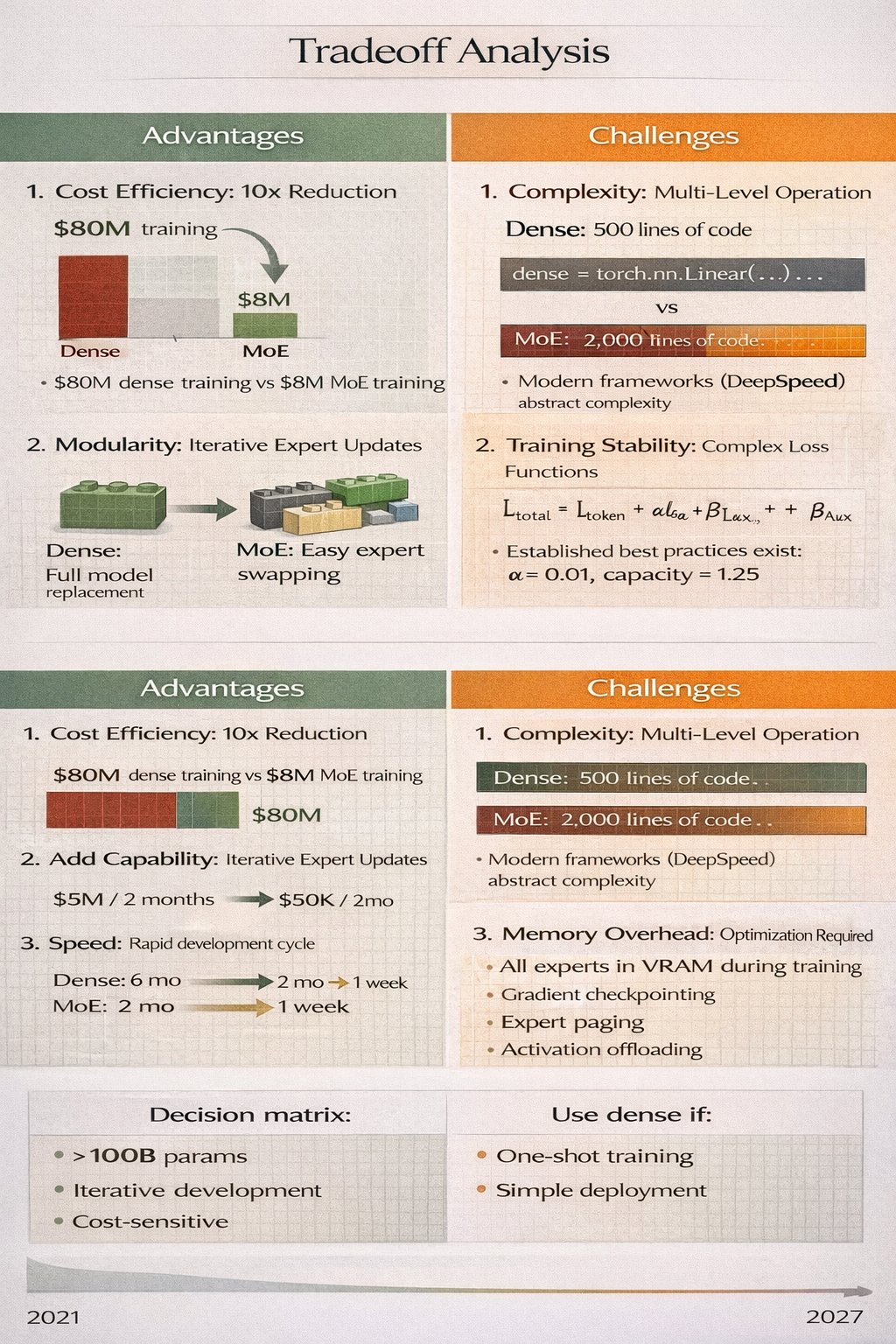
Tradeoffs of modular AI architecture
By
–
The tradeoffs are real though: 5-10x cheaper training and inference Modular, composable architecture Faster iteration cycles More complex to implement correctly Requires load balancing during training Higher memory overhead (all experts must fit in VRAM during
-

MoE vs Dense Models: Cost Efficiency
By
–
Why this matters for open source: Dense models: Entire model needs retraining if you want to change anything
MoE models: Swap experts, add capabilities, fine-tune components independently Meta released Llama 405B (dense) – $50M+ training cost
DeepSeek released V3 (MoE) – $5.6M, -
Router learns input-expert affinity patterns
By
–
The router is smarter than you think. It doesn't just pick experts randomly. It learns input-expert affinity during training. "Explain quantum physics" → activates Science + Technical experts
"Write a poem about love" → activates Creative + Emotional experts Specialized -

MoE Architecture: 5-10x More Parameters
By
–
The modern MoE architecture is insane: > Mixtral 8x7B: 47B total params, only 13B active per token
> DeepSeek-V3: 671B params, 37B active – beats GPT-4 at 1/10th cost
> Grok-1: 314B params, trained faster than any dense model of similar quality Pattern: 5-10x more parameters. -
Claude Opus 4.5 Powers Space Engineers 2 Game Development
By
–
Claude Code (Opus 4.5) is coding Space Engineers 2
— Marek Rosa | European🇪🇺 | South African🇿🇦 (@marek_rosa) 3 janvier 2026
I asked Claude to:
– add a starfield effect to the main screen background
– a small mockup chatbot window for Goodbot3
All done in a few minutes, directly in the real SE2 codebase.
This is a game changer – yes, pun intended! pic.twitter.com/2KTwV9TkCqClaude Code (Opus 4.5) is coding Space Engineers 2 I asked Claude to:
– add a starfield effect to the main screen background
– a small mockup chatbot window for Goodbot3 All done in a few minutes, directly in the real SE2 codebase. This is a game changer – yes, pun intended!