
Why? Because NVIDIA optimizes end-to-end performance across the full AI factory, not just one component. Cost per token reflects: GPUs + CPUs Networking + storage Software stack Ecosystem + deployment efficiency
COMPUTING
-
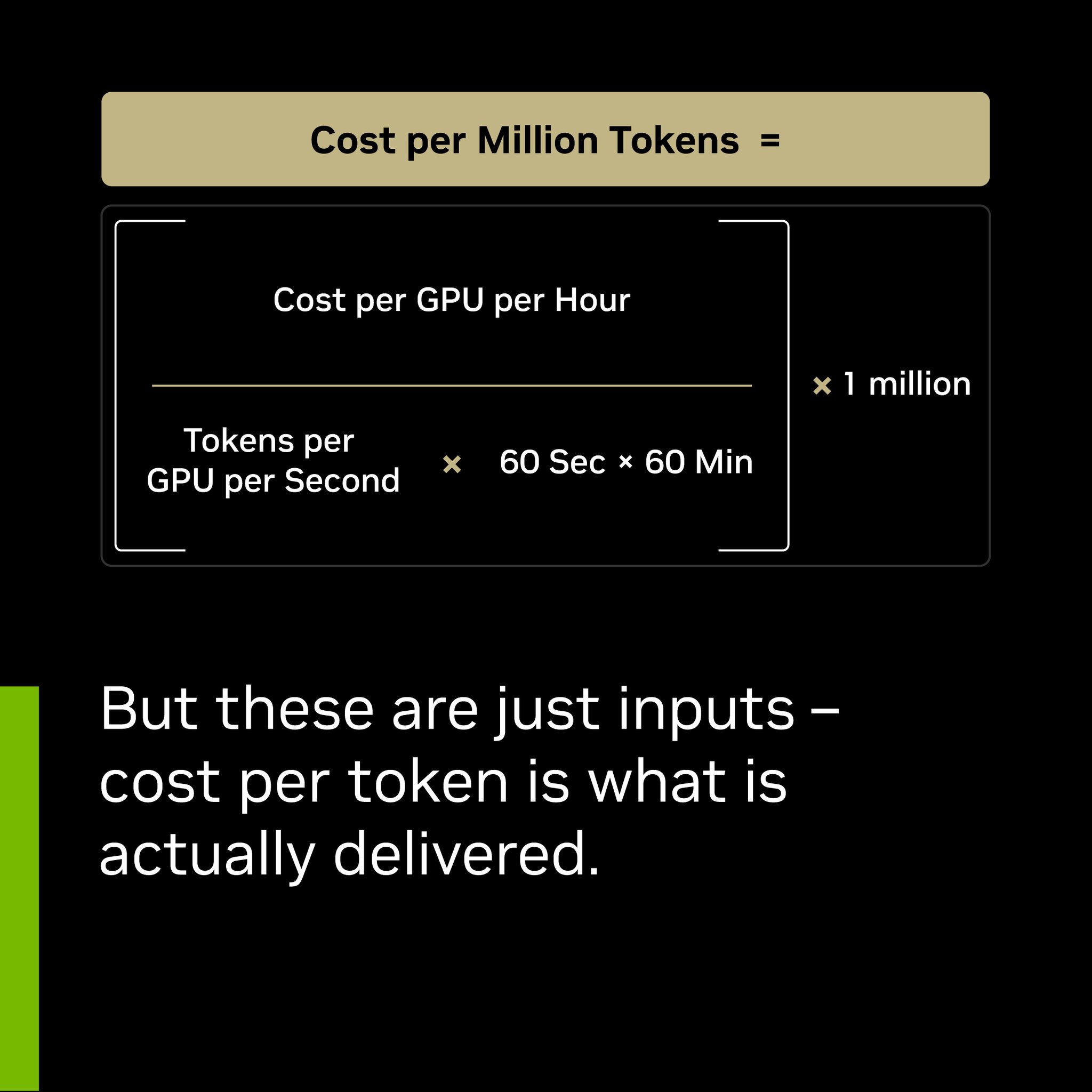
Cost Per Token: NVIDIA’s TCO Advantage for Enterprise AI
By
–
Cost per token is the only TCO metric that captures the full picture of whether enterprises can profitably scale AI, directly accounting for: Hardware performance Software optimization Ecosystem support Real-world utilization And NVIDIA delivers the lowest cost per
-
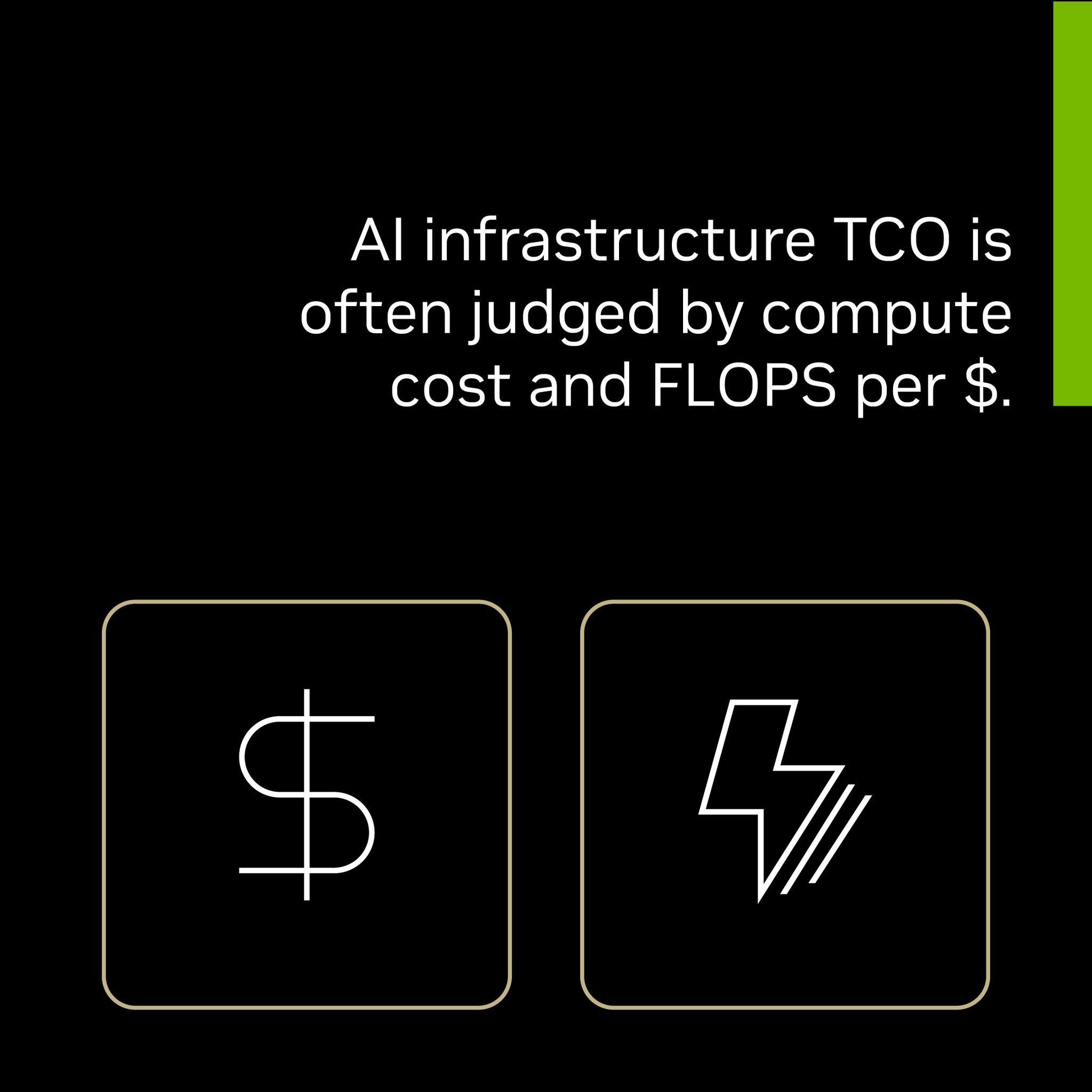
Cost per token: Real AI infrastructure economics beyond raw FLOPS
By
–
Compute cost = what enterprises pay for AI infrastructure (cloud or on-prem) FLOPS per dollar = raw compute per dollar But raw compute ≠ real-world output. Cost per token = the all-in cost to generate each delivered token (AI output)
-

Commvault announces AI-ready data center capacity at Google Cloud Next
By
–
Get ready for #GoogleCloudNext and the latest announcements from @Commvault
. Sign up here now: https://
community.commvault.com/news-events-7/
join-commvault-at-google-cloud-next-april-22-24-2026-11693
… Here is a summary excerpt of the announcement mentioned in #Commvault's quoted post below: "The demand for AI-ready data center capacity is expected to rise at -
FLOPs as currency: a $4 coffee is half an exaFLOP
By
–
Instead of the gold standard, we can imagine an inference standard of exchange, the FLOP. (As opposed to tokens, this accounts for AI ability) With some AI help, I figure $1 buys roughly 10^17 managed-LLM inference FLOPs. So that $4 coffee would cost half an exaFLOP, choom.
-
C.C. Wei Named to TIME100 List for TSMC AI Leadership
By
–
C.C. Wei is recognized as one of the world’s most influential people in @TIME
’s 2026 TIME100 list. Our CEO Jensen Huang honors him as one of the most influential people of our time, in a tribute to the leadership that helped turn TSMC into a platform for the AI revolution: -
Unified Architecture Synchronizes Audio Video at Millisecond Level
By
–
Audio and video come from the same unified architecture, which means they’re synchronized at the millisecond level: pic.twitter.com/Ij0b2i5aTS
— Replicate (@replicate) 15 avril 2026Audio and video come from the same unified architecture, which means they’re synchronized at the millisecond level:
-
California’s Robot Mining Innovation Challenges China’s Tech Lead
By
–
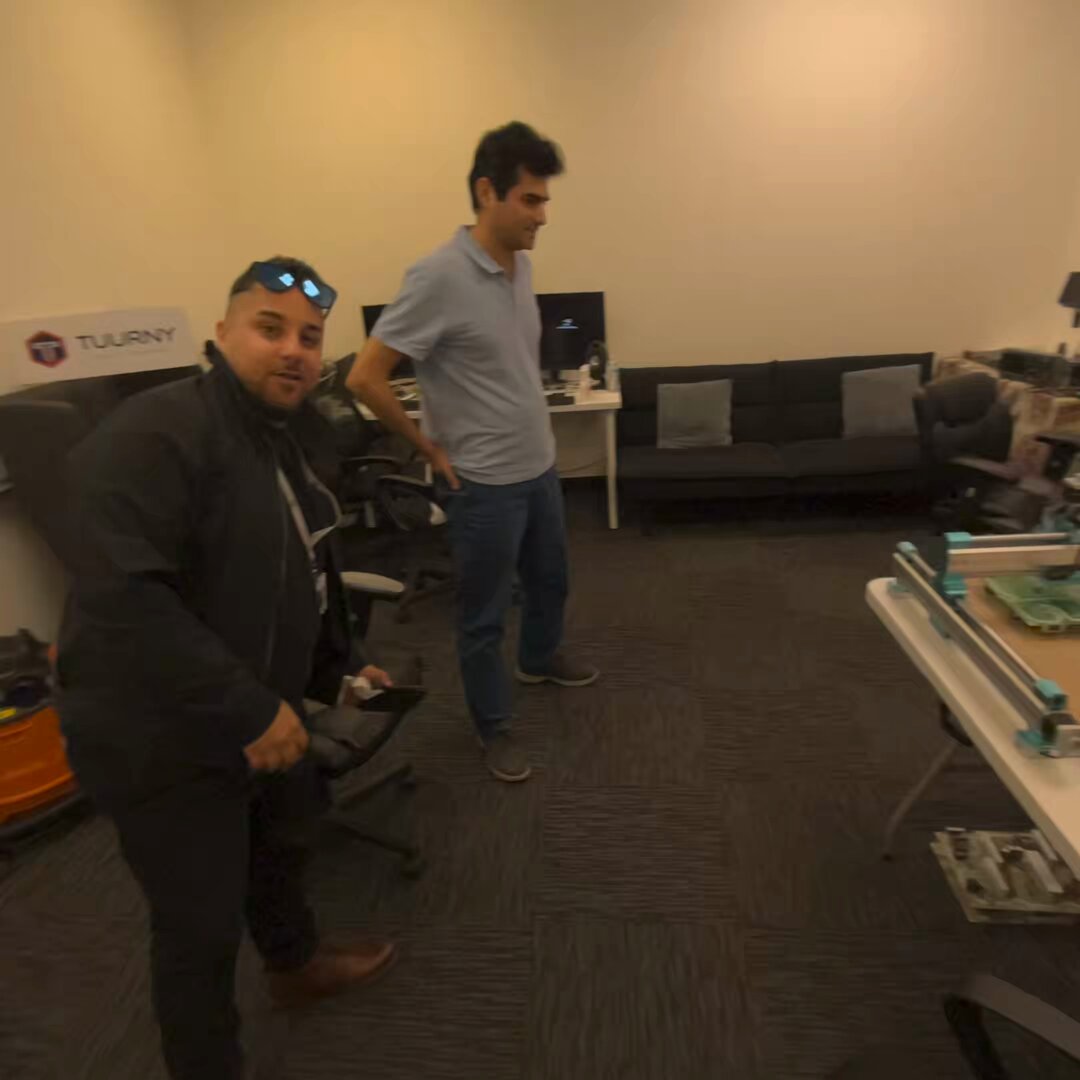
Meet California’s new miner! (The old miners who started our state dig gold out of the ground, this one digs it out of old computers).
— Robert Scoble (@Scobleizer) 15 avril 2026
Yeah China’s robot ecosystem is ahead of Silicon Valley but people like @SGhashghaei are working hard to keep us in the game.
Here he shows me… pic.twitter.com/gbdHGqrOz0Meet California’s new miner! (The old miners who started our state dig gold out of the ground, this one digs it out of old computers). Yeah China’s robot ecosystem is ahead of Silicon Valley but people like @SGhashghaei are working hard to keep us in the game. Here he shows me
-
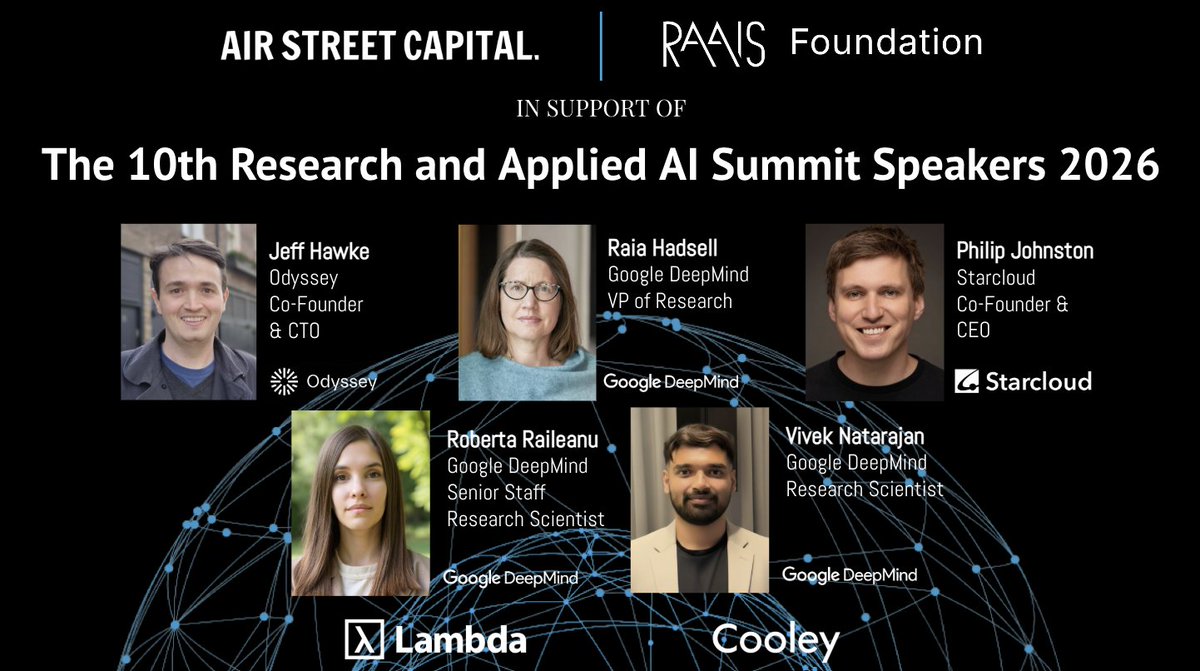
RAAIS 10th Edition: Space Data Centers, Generative AI, Physical AI
By
–
another exciting edition – our 10th! – of @raais is cooking up nicely 🙂 come learn about space data centers, generative worlds, physical ai, medicine and science, open endedness, and agent tokenmaxxing with 200 really bright and good people
-
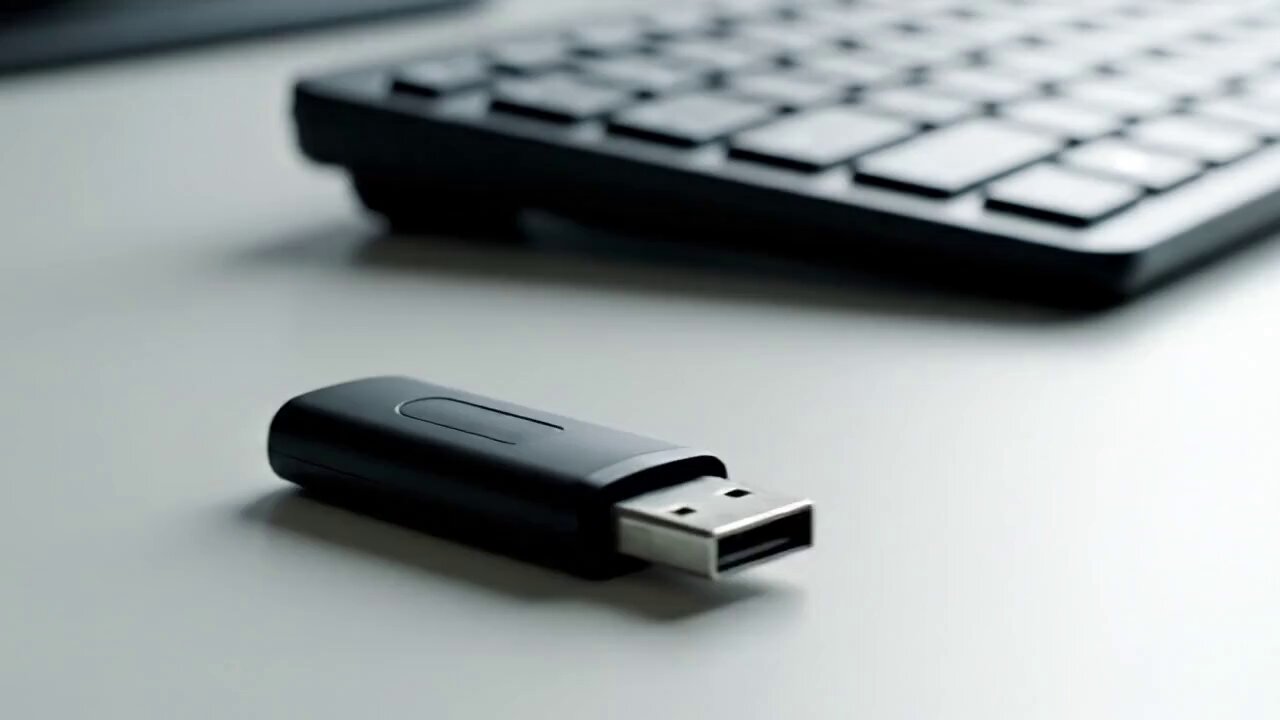
Beyond USB: Programmable Devices as Security Threats
By
–
Most security talks focus on USB storage. The real threat surface includes programmable keyboards, webcams with payloads, and network adapters. Extend removable media definition beyond flash drives. Partner content with @OPSWAT. #opswat_ics pic.twitter.com/aouQOKzDO9
— Lucian Fogoros (@fogoros) 15 avril 2026Most security talks focus on USB storage. The real threat surface includes programmable keyboards, webcams with payloads, and network adapters. Extend removable media definition beyond flash drives. Partner content with @OPSWAT
. #opswat_ics