I had to make the repo private, it’s trivial for a clanker to rebuild it tho
CODE
-
Claude Skills: Self-Contained Workflow Packages for Efficient AI
By
–
What are Claude Skills?
— Akshay 🚀 (@akshay_pachaar) 29 mars 2026
𝗖𝗟𝗔𝗨𝗗𝗘.𝗺𝗱 was never meant to hold entire workflows.
But that's exactly where they end up. General rules, coding conventions, 20-step security review processes, deployment checklists. All in one file that loads into every single session, eating… https://t.co/fCLQezp4lG pic.twitter.com/VPLfFEYrTRWhat are Claude Skills? 𝗖𝗟𝗔𝗨𝗗𝗘.𝗺𝗱 was never meant to hold entire workflows. But that's exactly where they end up. General rules, coding conventions, 20-step security review processes, deployment checklists. All in one file that loads into every single session, eating context even when Claude is just renaming a variable. 𝗦𝗸𝗶𝗹𝗹𝘀 fix this by turning workflows into self-contained packages that Claude loads only when the task demands it. Here's the idea. A skill is a folder inside .𝗰𝗹𝗮𝘂𝗱𝗲/𝘀𝗸𝗶𝗹𝗹𝘀/. Each folder contains a 𝗦𝗞𝗜𝗟𝗟.𝗺𝗱 file with two things: a 𝗱𝗲𝘀𝗰𝗿𝗶𝗽𝘁𝗶𝗼𝗻 that tells Claude when to activate it, and the workflow instructions that tell Claude what to do. The description is the trigger. Claude reads all available skill descriptions, watches the conversation, and when your request matches, it pulls in that skill automatically. You don't paste the steps. You don't type a command. Claude recognizes the intent and invokes the right skill on its own. You can also trigger any skill explicitly with a slash command like /𝘀𝗲𝗰𝘂𝗿𝗶𝘁𝘆-𝗿𝗲𝘃𝗶𝗲𝘄 when you want manual control. I recorded a deep dive on skills when they were first released, and everything in it is even more relevant today. The video below walks through exactly how this works. But auto-invocation is just the surface. The real power is what skills can carry with them. Skills are full packages, not just instruction files. A 𝗦𝗞𝗜𝗟𝗟.𝗺𝗱 can reference supporting files that live right next to it using the @ symbol. A detailed security standards document. A release notes template. A compliance checklist. Whatever the workflow needs, the skill bundles it together. Inside 𝗦𝗞𝗜𝗟𝗟.𝗺𝗱, YAML frontmatter defines the name, description, and which tools the skill is allowed to use. The 𝗮𝗹𝗹𝗼𝘄𝗲𝗱-𝘁𝗼𝗼𝗹𝘀 field is worth paying attention to. A security review skill only needs 𝗥𝗲𝗮𝗱, 𝗚𝗿𝗲𝗽, and 𝗚𝗹𝗼𝗯. It has no business writing files. Restricting tool access makes the skill safer and far more predictable. Skills live at two levels. Project skills go in .𝗰𝗹𝗮𝘂𝗱𝗲/𝘀𝗸𝗶𝗹𝗹𝘀/ and get committed to git so the whole team shares them. Personal skills go in ~/.𝗰𝗹𝗮𝘂𝗱𝗲/𝘀𝗸𝗶𝗹𝗹𝘀/ and follow you across every project. A 𝗖𝗟𝗔𝗨𝗗𝗘.𝗺𝗱 with a 20-step security process baked in is dead weight in 90% of your sessions. A 𝘀𝗲𝗰𝘂𝗿𝗶𝘁𝘆-𝗿𝗲𝘃𝗶𝗲𝘄 skill that activates only when security is on the table is precision. 𝗖𝗟𝗔𝗨𝗗𝗘.𝗺𝗱 tells Claude what rules to follow. Skills tell Claude what workflows to execute. The article below is a complete guide to 𝗖𝗟𝗔𝗨𝗗𝗘.𝗺𝗱, hooks, skills, agents, and permissions, and how to set them up properly. Akshay 🚀 (@akshay_pachaar) x.com/i/article/203496196714… — https://nitter.net/akshay_pachaar/status/2035341800739877091#m
→ View original post on X — @akshay_pachaar, 2026-03-29 10:13 UTC
-

Building Autonomous Research Systems: Nature Paper and AI Scientist Code Released
By
–
Building a system that autonomously executes a series of research processes has been a continuous challenge involving numerous trials and errors for our team. Our Nature paper is now available as open access, and those interested in technical details can view the PDF directly via the link below. nature.com/articles/s41586-026-10265-5.pdf Wishing for further development in this field, we are also releasing the implementation code for both versions of the AI Scientist. We hope this will be useful for your community endeavors. V1: github.com/SakanaAI/AI-Scientist
V2: github.com/SakanaAI/AI-Scientist-v2 [Translated from EN to English]→ View original post on X — @sakanaailabs, 2026-03-29 09:47 UTC
-
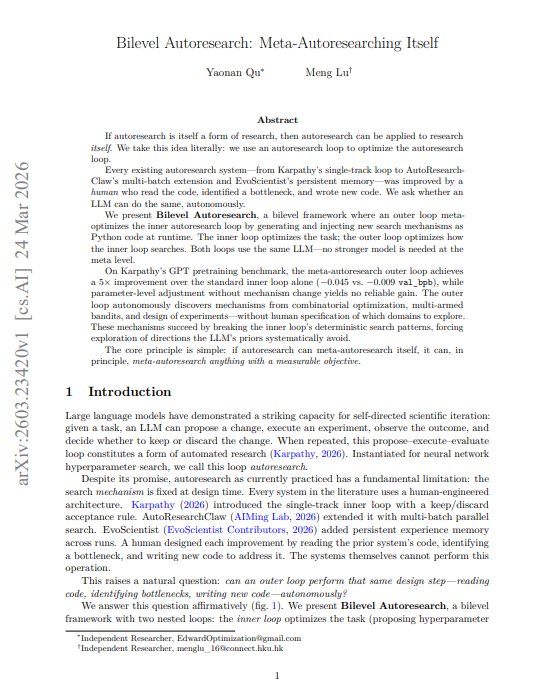
AI Rewrites Its Own Research Algorithm
By
–
Holy shit… Two independent researchers just built an AI that rewrites its own research algorithm mid-run. > Every autoresearch system ever built was improved by a human who read the code and rewrote it. Karpathy. AutoResearchClaw. EvoScientist. All of them. > They replaced
-
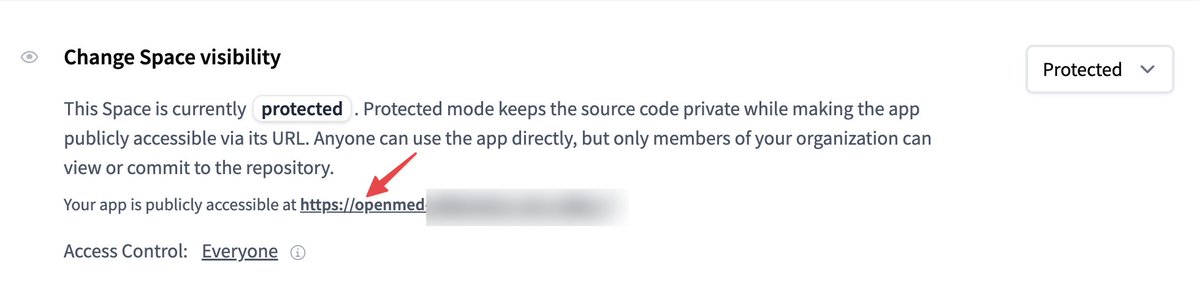
Private Hugging Face Spaces with Public URLs for Secure Endpoints
By
–
You can make a Hugging Face Space private but keep its URL publicly accessible. Private repo. Public app. No one sees your code, everyone uses your endpoint. I deploy private medical endpoints for clinical agents this way. HIPAA-sensitive inference behind a public API. Didn't know this existed until last week. What's your favorite hidden @huggingface feature?
-
Building Custom AI Tools: DIY Projects and Open Contributions
By
–
Heads down w/ TED curation right now. If you really can’t wait toss your clanker of choice at my blog – a few folks have built their own doing this:
-
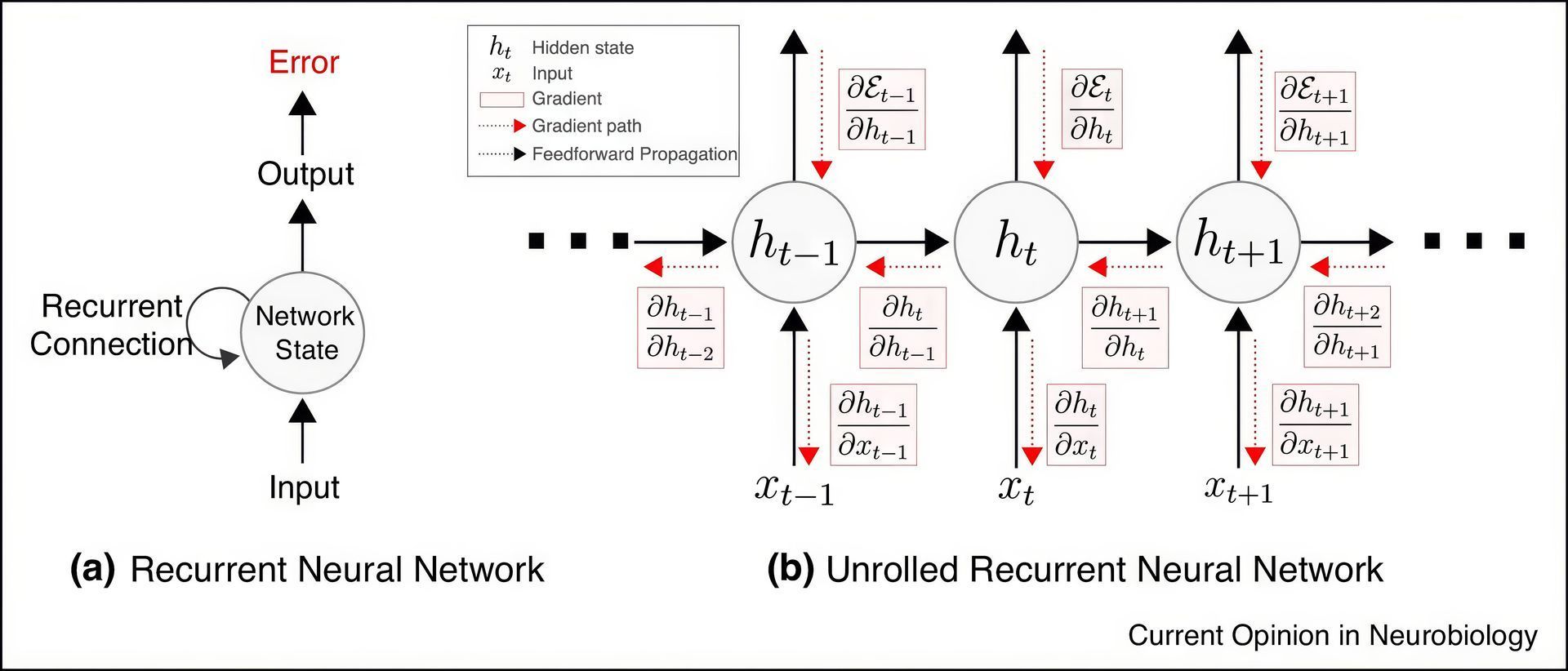
Time Series Exploration with LSTM Neural Networks
By
–
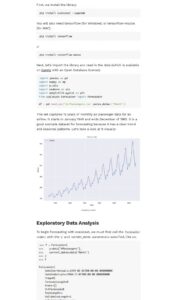
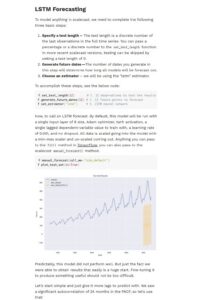
Time Series Exploration of LSTM Neural Networks. #BigData #Analytics #DataScience #AI #MachineLearning #IoT #IIoT #Python #RStats #TensorFlow #JavaScript #ReactJS #CloudComputing #Serverless #DataScientist #Linux #Programming #Coding #100DaysofCode https://
geni.us/T-S-LSTM-N-Nets -
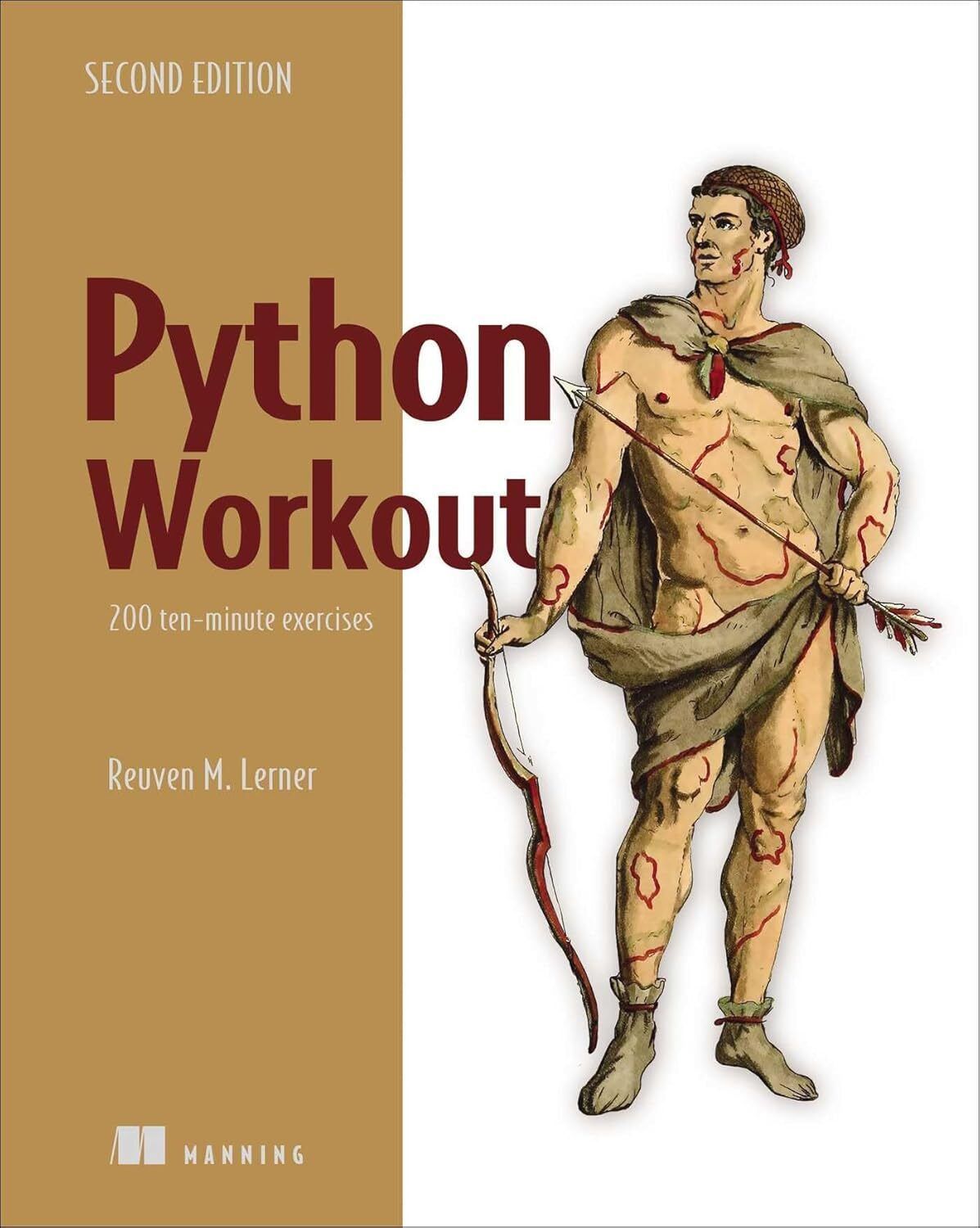
Python Workout Book Resource for Programmers and Data Scientists
By
–
Python Workout! #BigData #Analytics #DataScience #AI #MachineLearning #IoT #IIoT #PyTorch #Python #RStats #TensorFlow #Java #JavaScript #ReactJS #GoLang #CloudComputing #Serverless #DataScientist #Linux #Books #Programming #Coding #100DaysofCode https://
geni.us/Python-Workout -
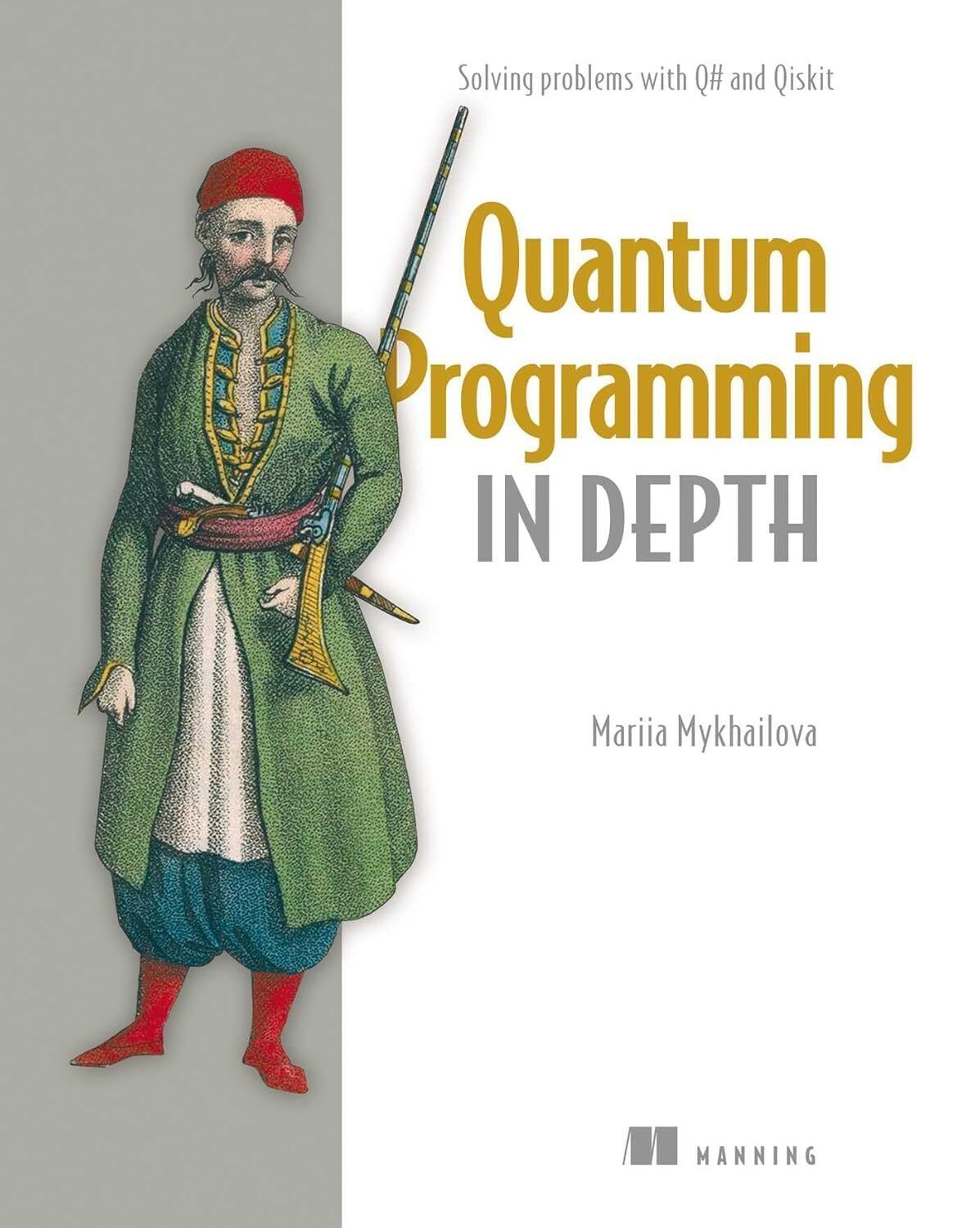
Quantum Programming with Q# and Qiskit In Depth
By
–
Quantum Programming in Depth: Solving problems with Q# and Qiskit! #BigData #Analytics #DataScience #AI #MachineLearning #IoT #IIoT #PyTorch #Python #RStats #TensorFlow #Java #JavaScript #ReactJS #GoLang #CloudComputing #Serverless #DataScientist #Linux #Books #Programming
-
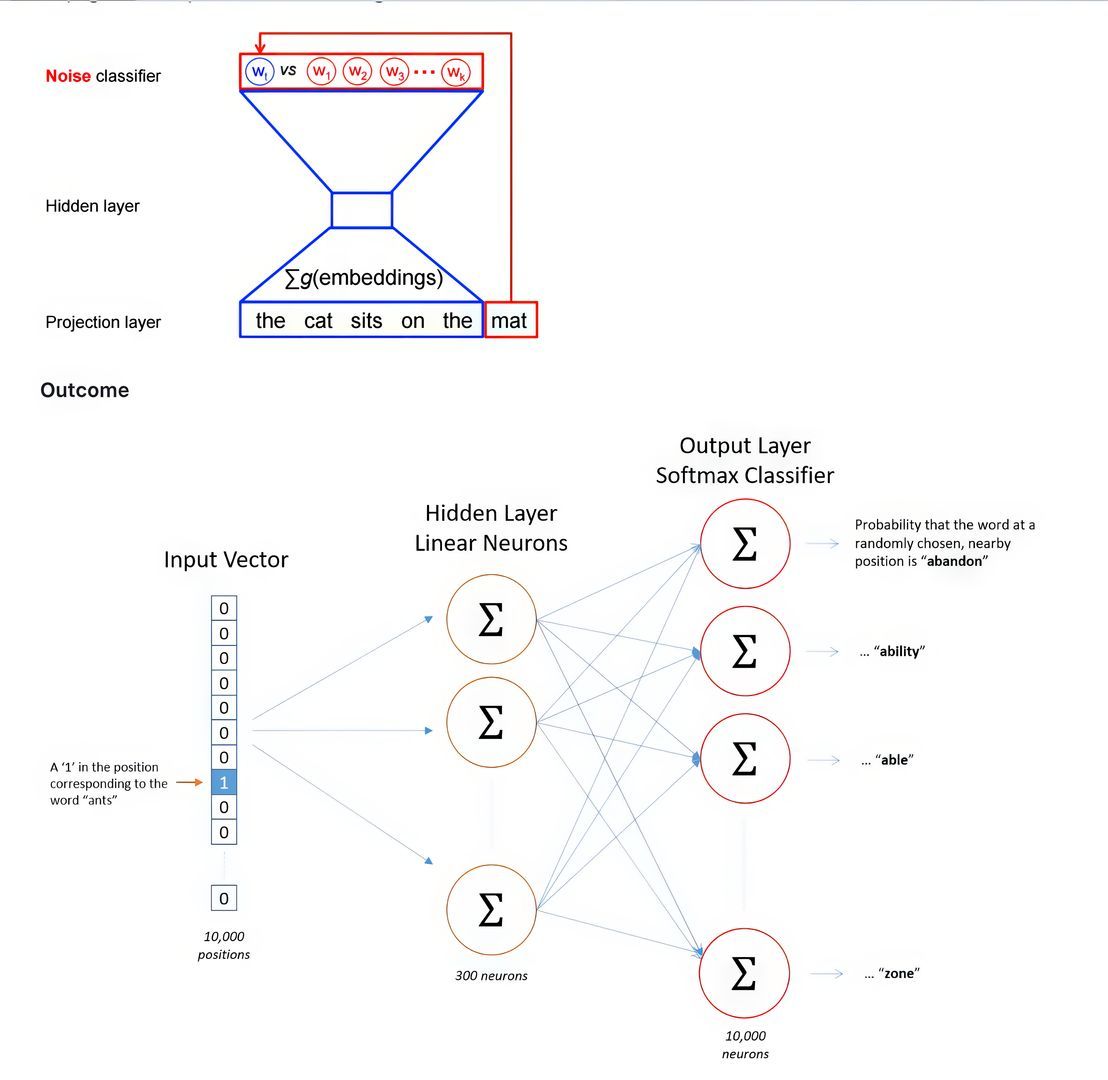
NLP Cheat Sheet: Tokenization, Stemming, NER with Python Tools
By
–
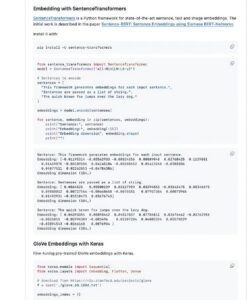
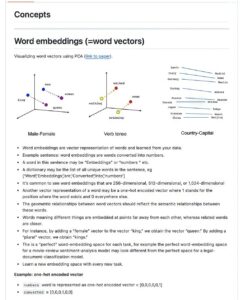
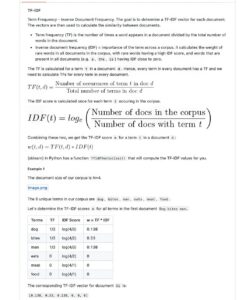
Cheat Sheet, NLP, Python, spaCY, LexNPL, NLTK, Tokenization, Stemming, Sentence Detection, Named Entity Recognition! #BigData #Analytics #DataScience #AI #MachineLearning #NLProc #IoT #IIoT #PyTorch #Python #RStats #TensorFlow #Java #JavaScript #ReactJS #GoLang #CloudComputing