also training a massive text embedding model (many tokens AND many parameters) !
CODE
-
CodeLlama Fine-Tuned for Automatic Python Docstring Generation
By
–
Follow this tutorial to learn how to simplify your code documentation process. We've fine-tuned CodeLlama to automatically generate docstrings for your Python functions, and you don't need to send your code outside your org to a third-party app!
-
Google Launches Gemini API for Developers with Python Notebooks
By
–
#Gemini is finally available to developers! @Google launched new Python notebooks and sample code for Vertex AI Gemini API #GoogleCloud, including: – Getting Started in Python and cURL
– Multimodal RAG
– Function Calling
– Deploying a Streamlit app https://
github.com/GoogleCloudPla
tform/generative-ai
… -
Fixed Embedding Spaces and Conditional Generation in AI Models
By
–
thankful twitter hasn't implemented a peer review process yet unlike latent diffusion, in this case the embedding space is fixed (it's openAI ada 2 in my notebook) I think this is kind of like conditional generation
-
LangChain VertexAI Integration Now Supports Latest Gemini Models
By
–
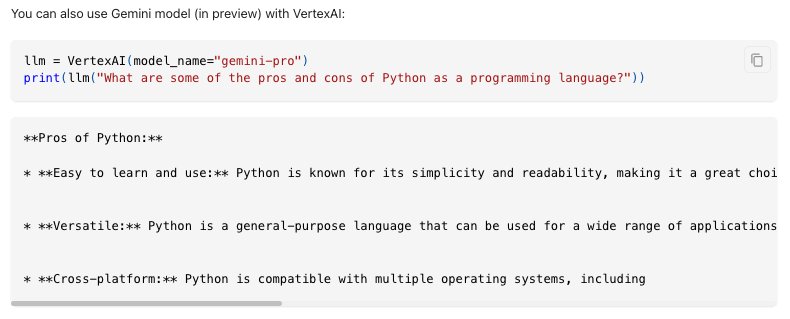
Want to use Gemini models via GCP? The LangChain x VertexAI integration is now updated to support the recent models! `pip install langchain-community==0.0.3` VertexAI works natively with GCP – great for enterprise use cases!
-
LangChain Benchmark for Semi-Structured RAG Systems
By
–
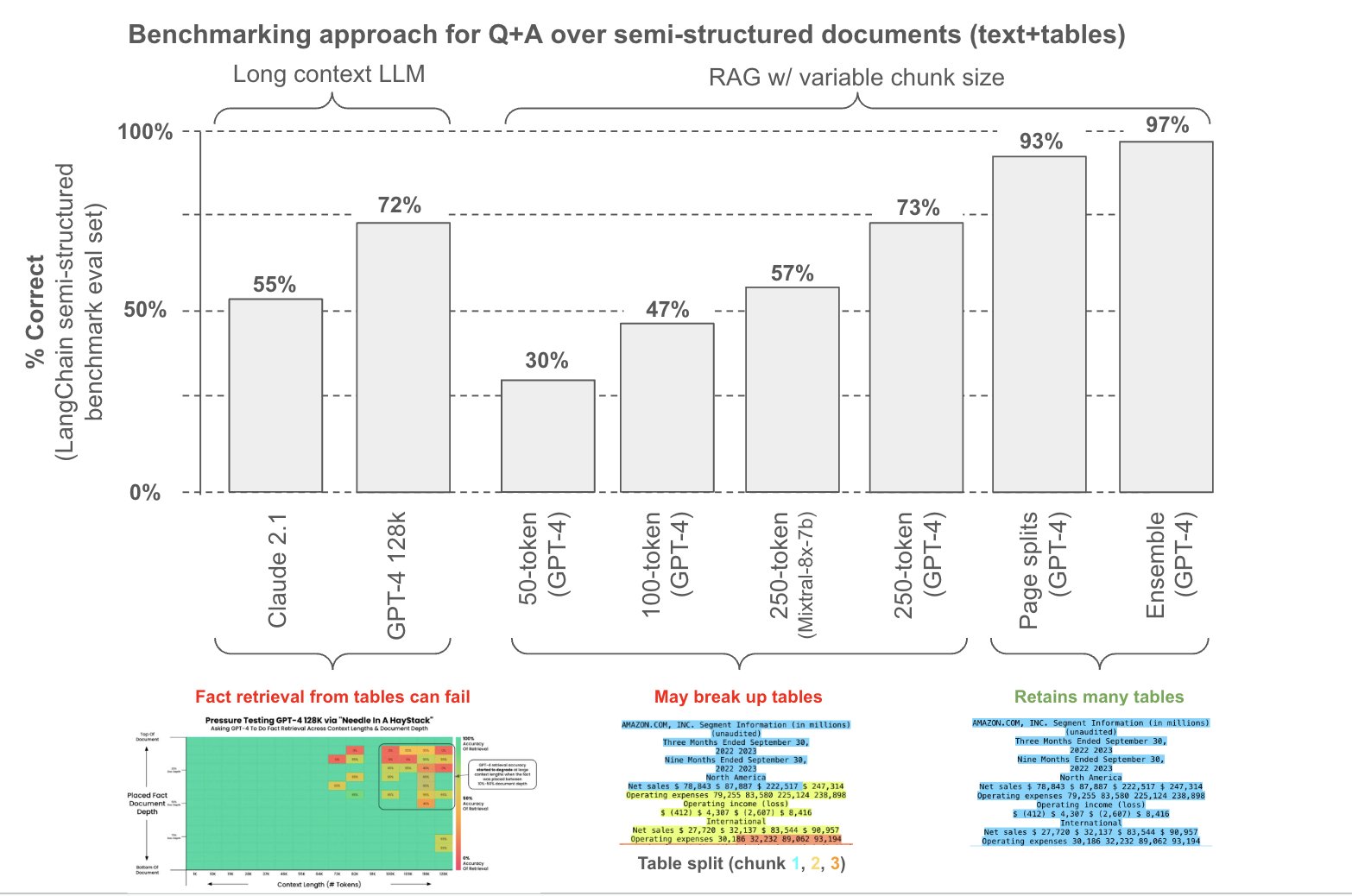
Benchmarking semi-structured RAG We've seen many question about RAG on documents that contain a mixture of text and tables. To test various semi-structured RAG approaches, we built a LangChain public benchmark on a set of whitepapers and financial reports that contain
-
LangChain Launches Gemini API Integration Package
By
–
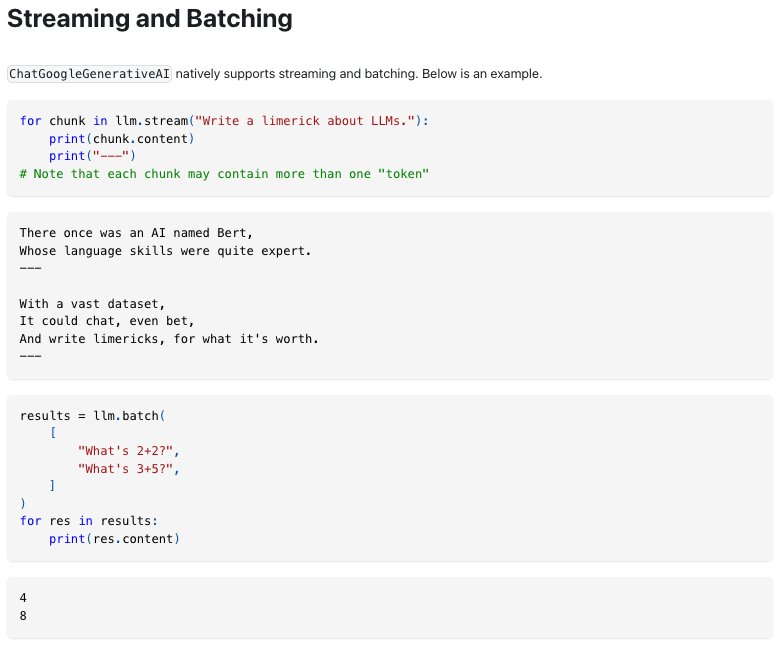
LangChain Gemini Gemini API access is out! Access it through LangChain with our first standalone integration package: `pip install langchain-google-genai` We're also launching an integration guide showing how to: Stream results
Use it's multimodal capabilities -
Probabilistic Models and Text Embeddings: Learning p(e)
By
–
for sure, the probabilistic breakdown is the same: given text sequence x and its embedding e, p(x) = p(x | e) p(e). this looks a lot like a latent variable model with latent embedding e in my case p(x | e) is done by vec2text with openAI embeddings; we just need to learn p(e)
-
Reinforcement Learning from Human Feedback Explained and RLAIF
By
–
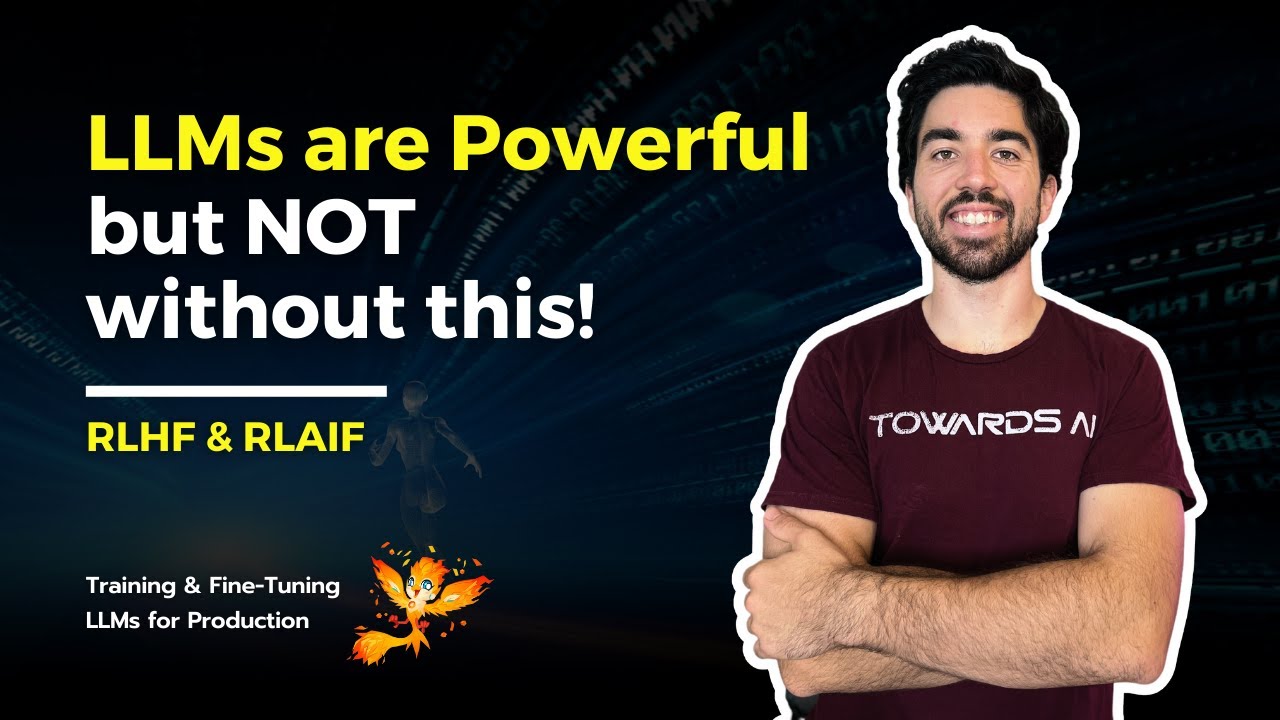
Reinforcement Learning from Human Feedback Explained (and RLAIF) Learn more: https://
youtu.be/_66Qp_xZ8Fw The video was made for the LLM course with @activeloop and @towards_AI
. More details in the comments! -
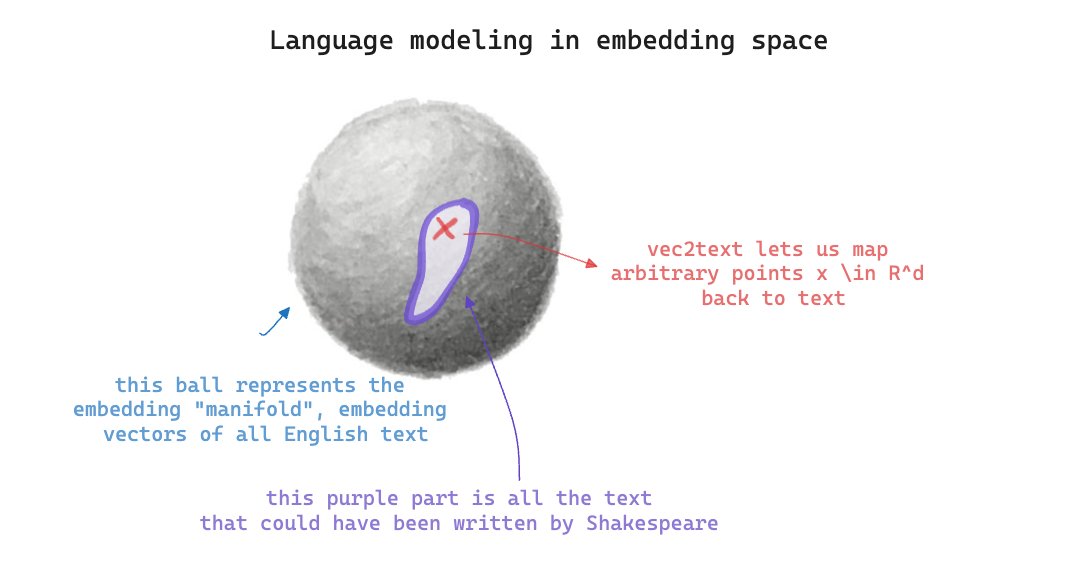
Language Model Fine-Tuning in Embedding Space
By
–
fun idea I tested out this morning: Language model fine-tuning in embedding space here's the idea: learn a model of *embeddings* of a certain text distribution; then, to generate text, sample embedding and map back to text with vec2text this lets us generate language without