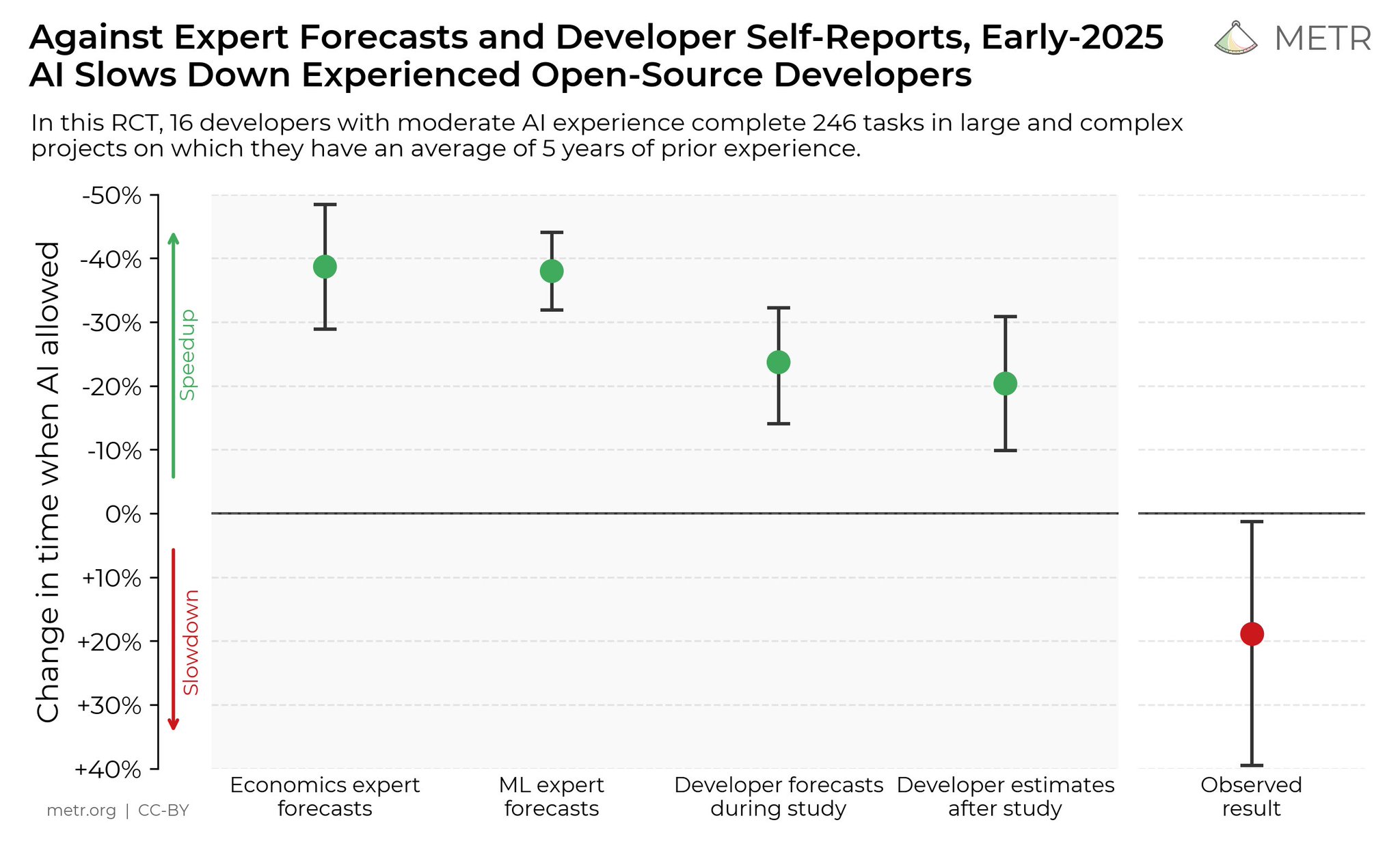
This clashes with some large-scale field experiments of coders working at companies, but worth noting.
CODE
-
Complete Guide to Building an Agent with LangChain
By
–
Read the full guide https://
blog.langchain.com/how-to-build-a
n-agent/?utm_medium=social&utm_source=twitter&utm_campaign=q3-2025_how-to-build-agent_co
… -
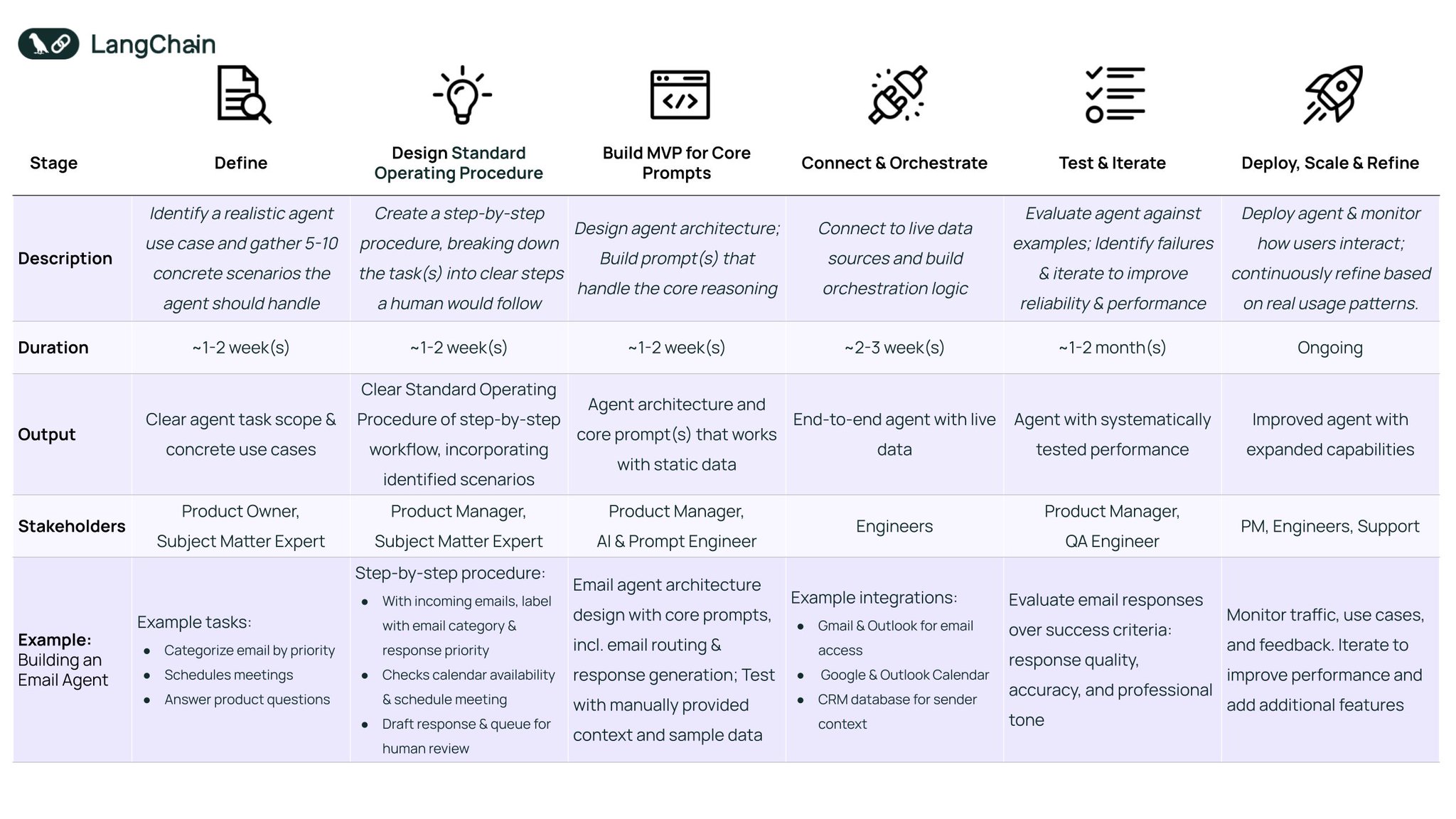
6-Step Framework for Building Production-Ready Agents
By
–
Most teams want to build agents— but it's not always clear where to start. We created a 6-step framework to help you go from idea → MVP → production. In our latest blog post, learn how to build agents grounded in real use cases, tested against real examples, and shaped by
-
Claude Code CLI Requested for Faster Development Workflow
By
–
need a CLI like Claude Code tbh, copy-pasting to the browser is so 2023 and so slow
-
Grok 4 Now Available in Cursor IDE
By
–
Grok 4 is available in Cursor! We're curious to hear what you think.
-
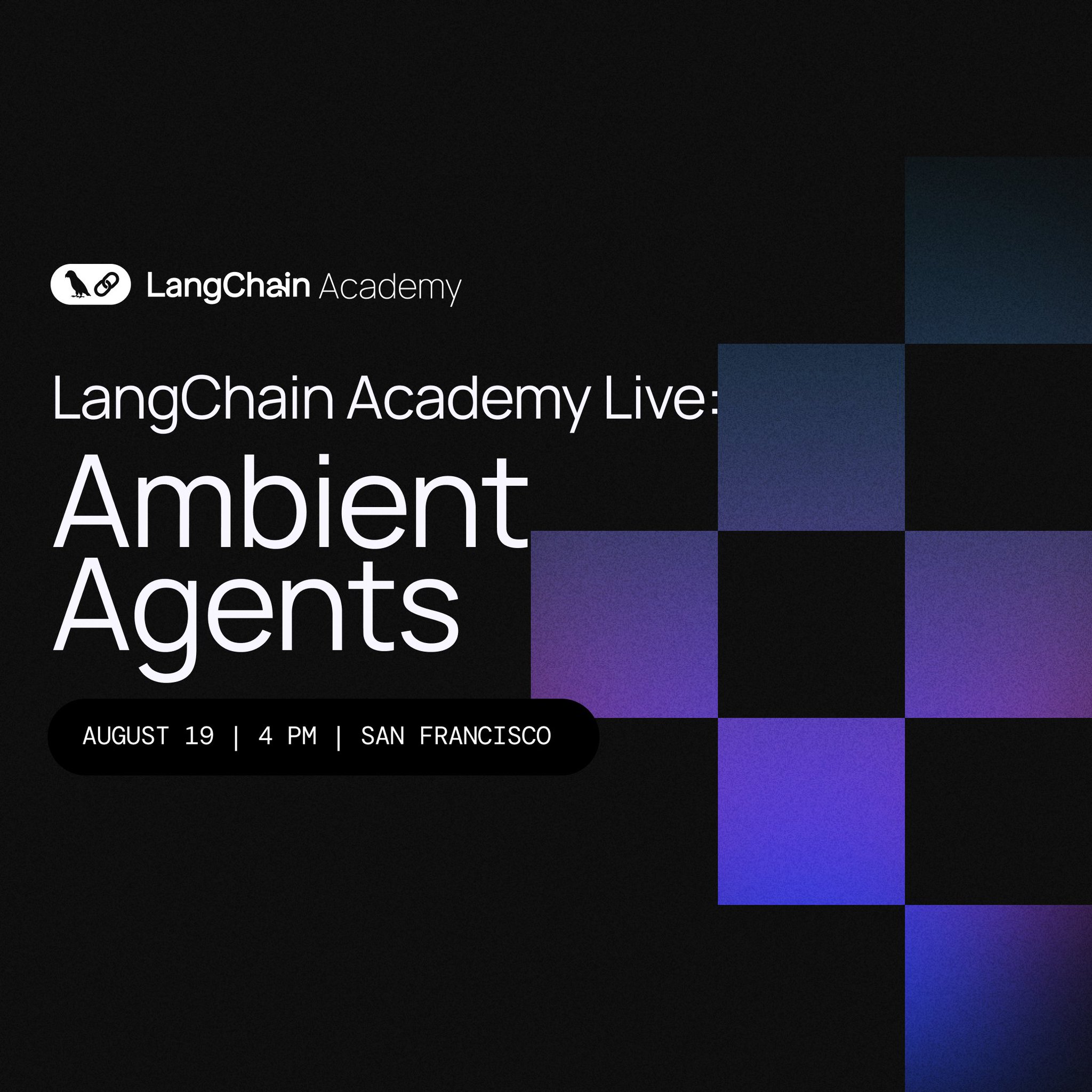
LangChain Academy Live Workshop in San Francisco August 19
By
–
Join us in San Francisco for LangChain Academy Live! Join LangChain Academy Instructor Lance Martin and 30 fellow learners for an in-person workshop at LangChain’s San Francisco office on August 19th at 4pm. We’ll walk through the Ambient Agents course, build an email
-
AI Knowledge: From Human-Readable to Machine-Native Formats
By
–
As AI advances, our contribution is more and more original knowledge – meaning something that can’t be inferred from what exists digitally already by reasoning. Something like the result of an experiment. Maybe it should be written more natively for AIs instead of people, eg PDF
-

LangChain Now Supports Grok 4 Models with ChatXAI
By
–
Try out the new @grok 4 models with LangChain's ChatXAI today!
-
Vibe Modeling Accelerates Data Science Experimental Workflows
By
–
Vibe Modeling is here—and it’s changing how data scientists work. We break down how to speed up the experimental loop with control. Check out our blog and Git repository to get started: https://
domino.buzz/4eLqtfN #DataScience #MLOps #GenAI #AIProductivity -
Adopting Small Language Models Without Rebuilding Your Tech Stack
By
–
Adopt SLMs without rearchitecting your entire stack: → Start by auditing where LLMs are used and which tasks can be offloaded
→ Use distillation and fine-tuning to train SLMs on those subtasks
→ Gradually replace LLMs with SLMs in your pipeline, monitor, and optimize