Thanks! We're currently working on vLLM integration. Go wild with it!
CODE
-
Simple GPT-3 Text Endpoint Architecture
By
–
Indeed! It was a beautifully simple “text in, text out” endpoint on top of GPT-3 at the time: https://t.co/4P7wW6llCk
— Romain Huet (@romainhuet) 16 juillet 2025Indeed! It was a beautifully simple “text in, text out” endpoint on top of GPT-3 at the time:
-
Combine Claude with Cline for optimal frontend and backend development
By
–
Use both in combination! Plug CC into @cline and use it through the Cline interface, it's a much better experience. For frontend, use Cline w/ Sonnet or Opus w/o CC (because pure Cline has a browser integration that helps build better frontends), for backend, use them together!
-
Sniffly: Open-Source AI Instruction Management Tool
By
–
4. Sniffly also allows me to walk through all my previous instructions and model’s responses, and I can also share them with my collaborators if needed. Sniffly is open-sourced and can be used without installation uvx sniffly@latest init GitHub:
-
Claude Code Agent Reaches Nearly 100 Steps Milestone
By
–
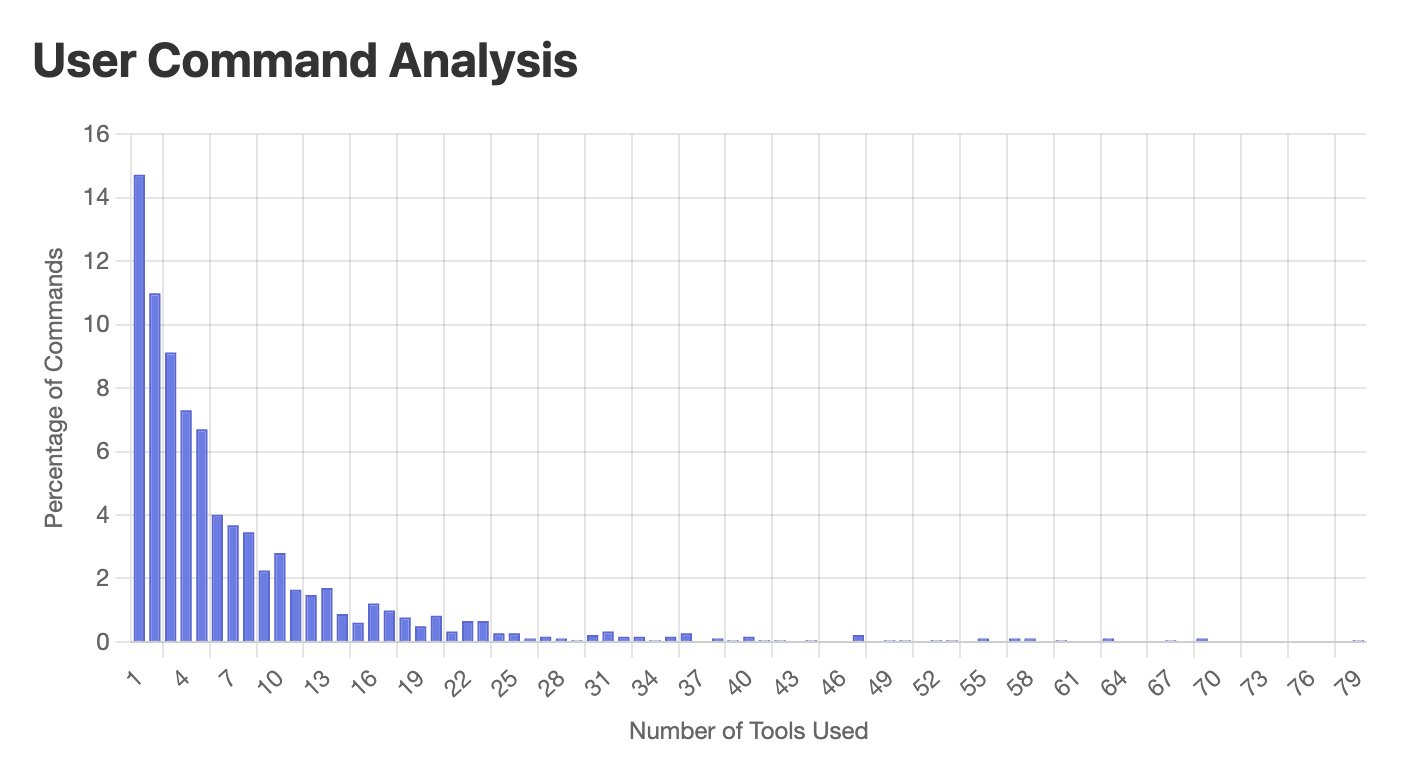
3. While most of the time, Claude Code can only go up to 10 steps before I need to interrupt it, it can occasionally go close to 100 steps. Just a year ago, people told me it was hard to get an agent to go above 5 steps! Claude Code’s favorite tools are, unsurprisingly, search
-
New Metrics for Evaluating AI Project Complexity Beyond Hours
By
–
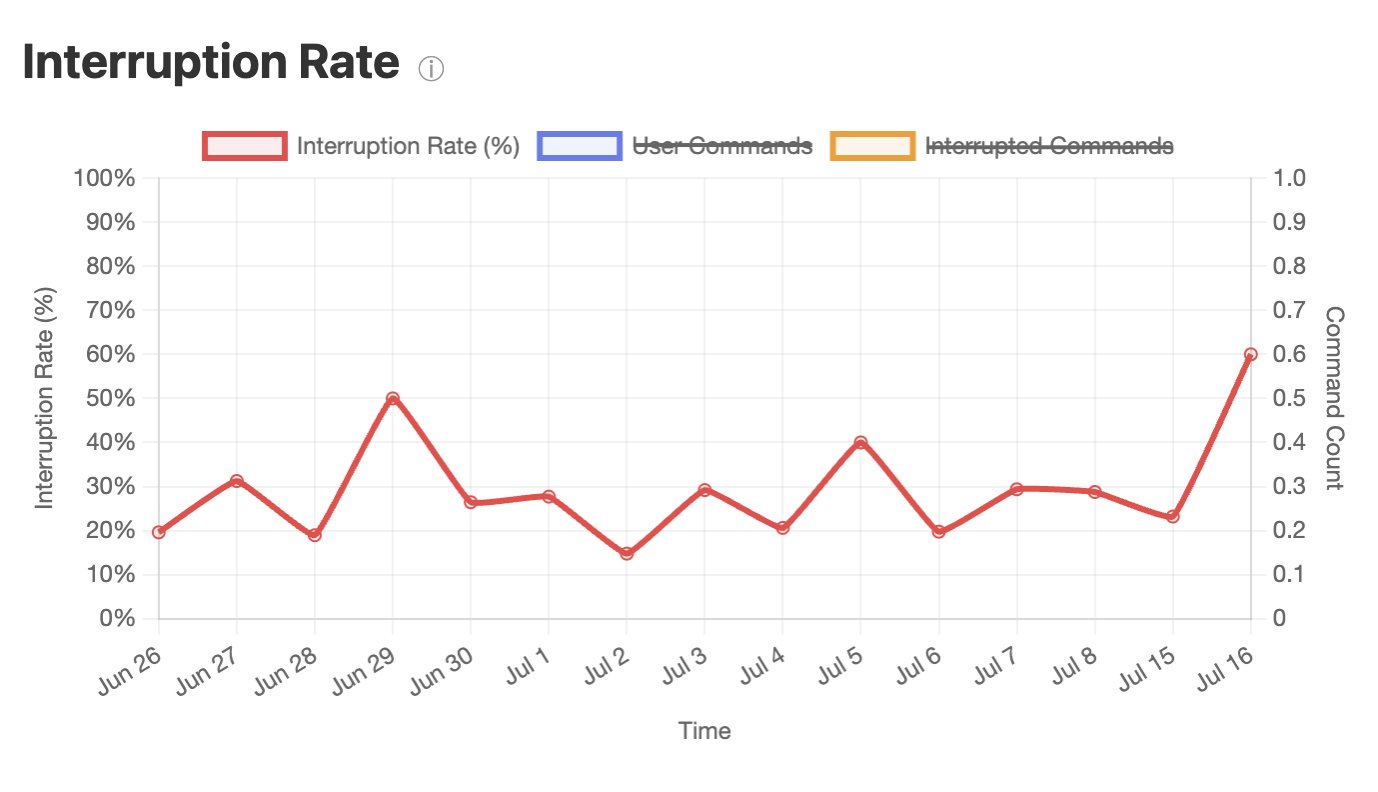
2. Traditional metrics of engineering hours/days don’t work for AI. Two metrics I use to evaluate the complexity of a project: – how many instructions I need to give AI until it completes a project
– how often I have to interrupt it because it goes into the wrong direction -
Sniffly: Analyzing Claude Code Logs and Error Patterns
By
–
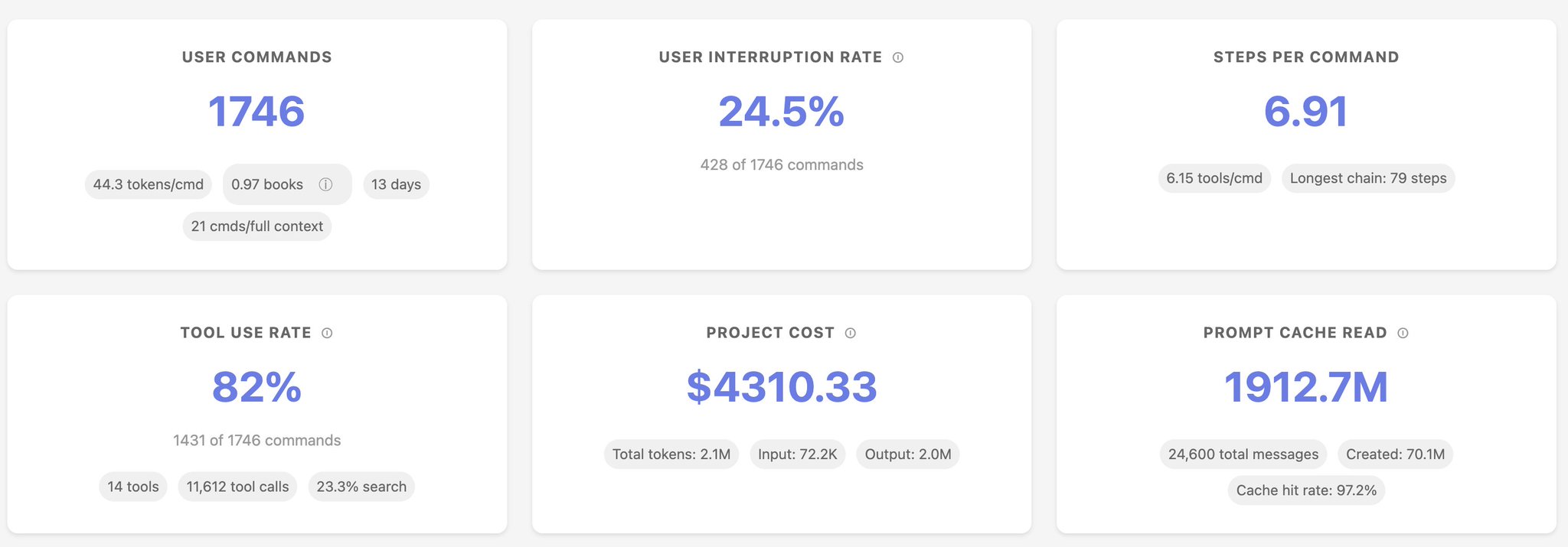
I open sourced Sniffly, a tool that analyzes Claude Code logs to help me understand my usage patterns and errors. Key learnings. 1. The biggest type of errors Claude Code made is Content Not Found (20 – 30%). It tries to find files or functions that don't exist. So I
-
Databricks Enhances Python UDFs with Custom Dependencies Support
By
–
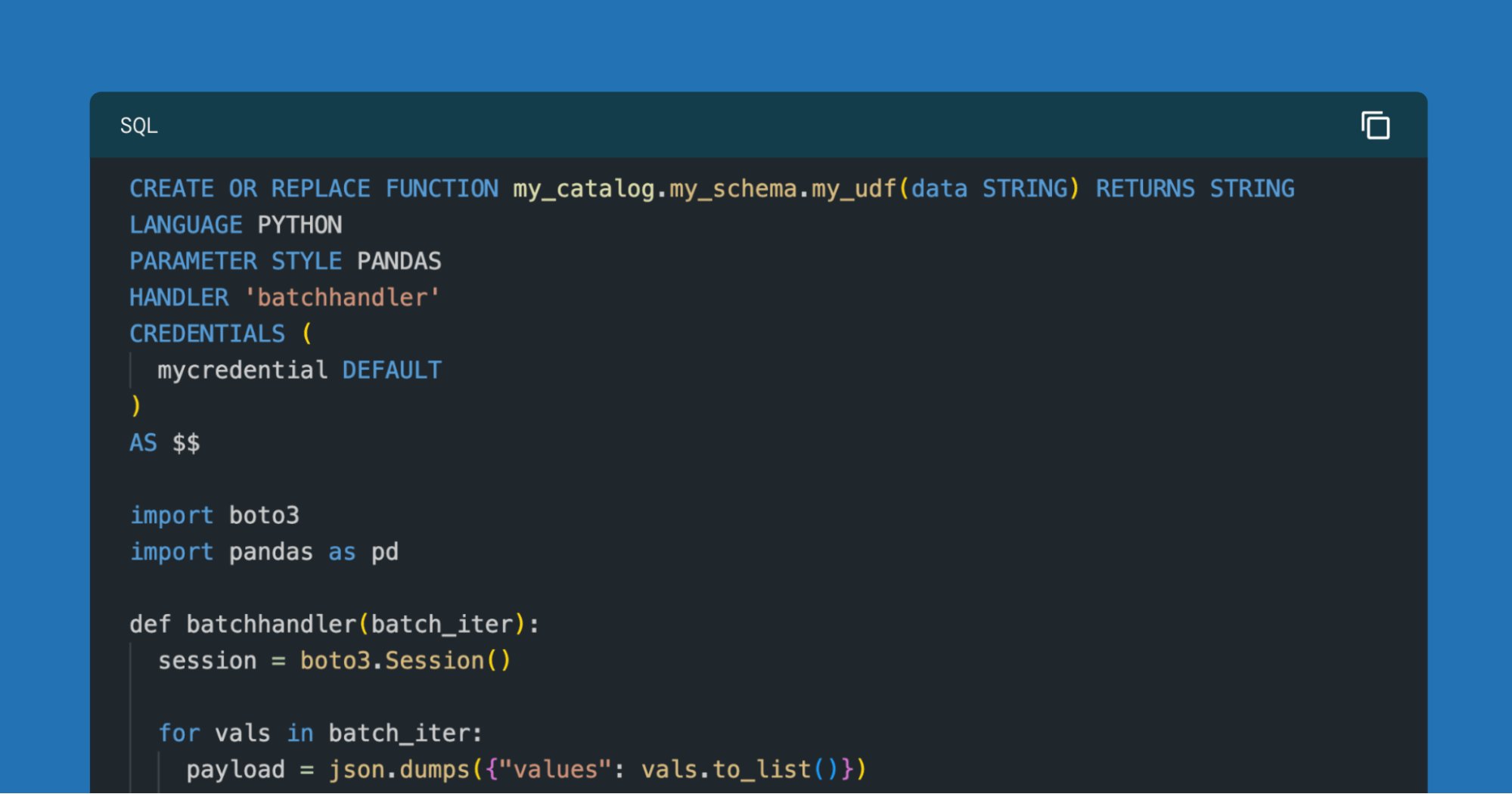
New in Unity Catalog: Enhanced Python UDFs! What's new: – Support for custom Python dependencies – Batch Python UDFs for better performance – Secure access to external services with UC Service Credentials Now in Public Preview: https://
databricks.com/blog/announcin
g-support-new-uc-python-udf-features?utm_source=twitter&utm_medium=organic-social
… -
Training Methods for AI Models: Fine-tuning vs RAG Approaches
By
–
When you say you train them, do you actually fine-tune them? Give it info via RAG? Something else? This is interesting. Just curious the method you use.
-
New Coursera RAG Course: Build Production-Ready Systems
By
–
Announcing a new Coursera course: Retrieval Augmented Generation (RAG)
— Andrew Ng (@AndrewYNg) 16 juillet 2025
You'll learn to build high performance, production-ready RAG systems in this hands-on, in-depth course created by https://t.co/R0m408f8CA and taught by @ZainHasan6, experienced AI and ML engineer, researcher,… pic.twitter.com/KZjnENFl81Announcing a new Coursera course: Retrieval Augmented Generation (RAG) You'll learn to build high performance, production-ready RAG systems in this hands-on, in-depth course created by http://
DeepLearning.AI and taught by @ZainHasan6
, experienced AI and ML engineer, researcher,