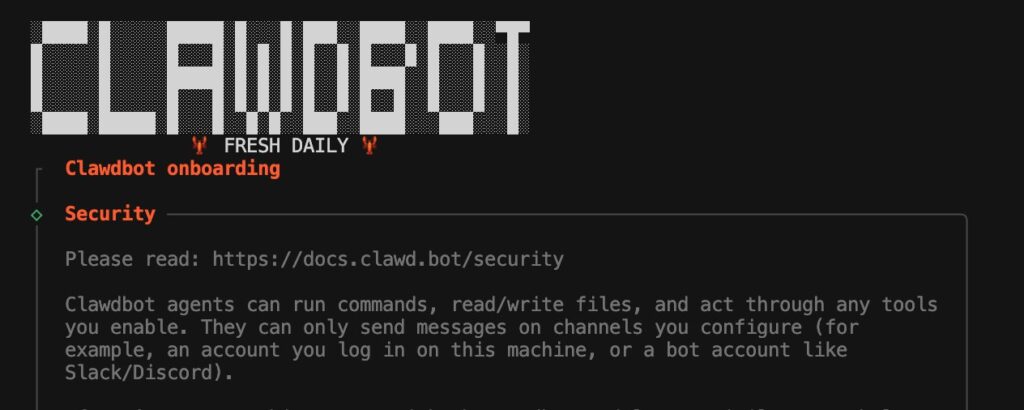
you can literally run 700 clawdbots for a month for the price of one mac mini just get a virtual machine from http://
hetzner.com
By
–
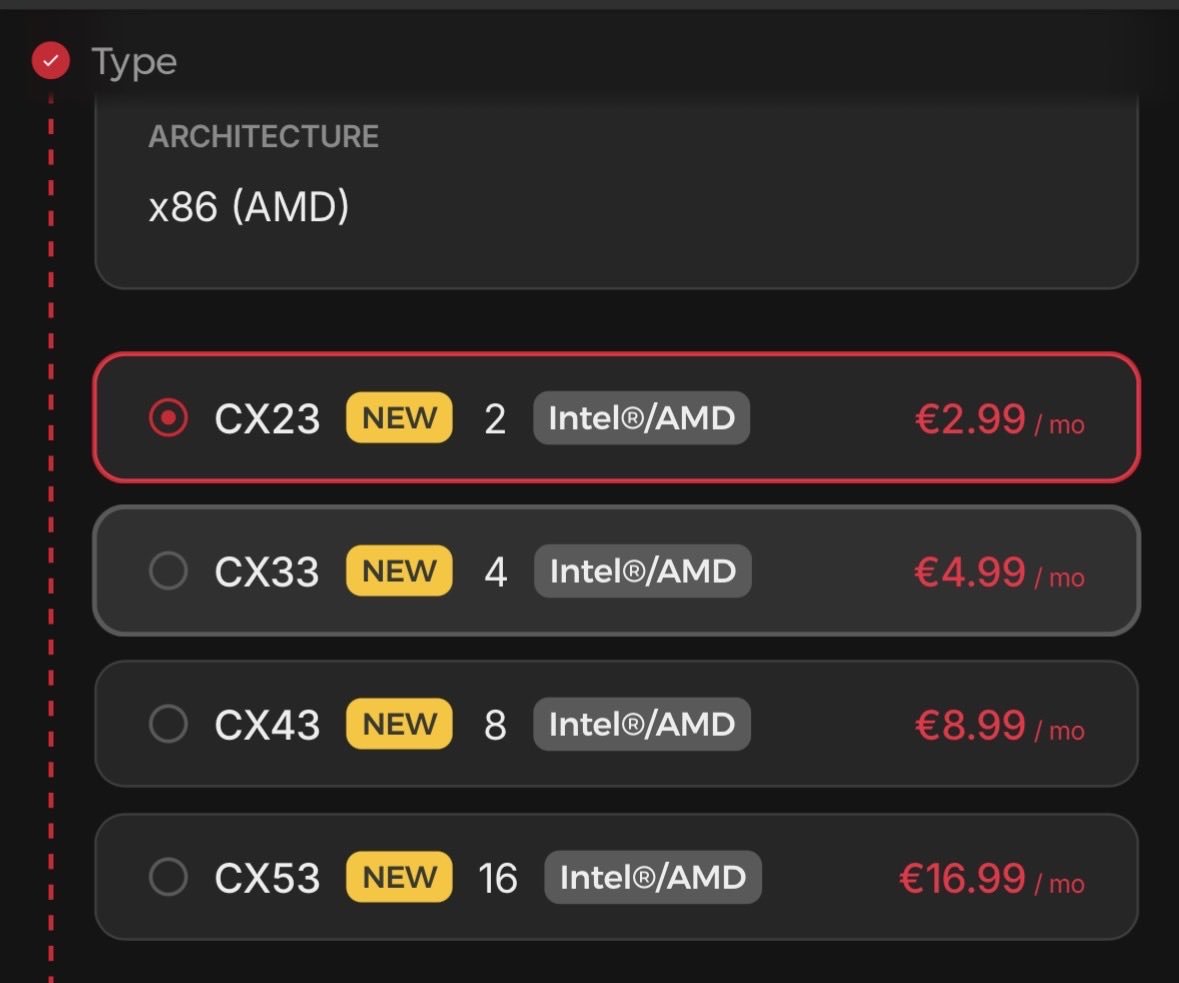
you can literally run 700 clawdbots for a month for the price of one mac mini just get a virtual machine from http://
hetzner.com
By
–
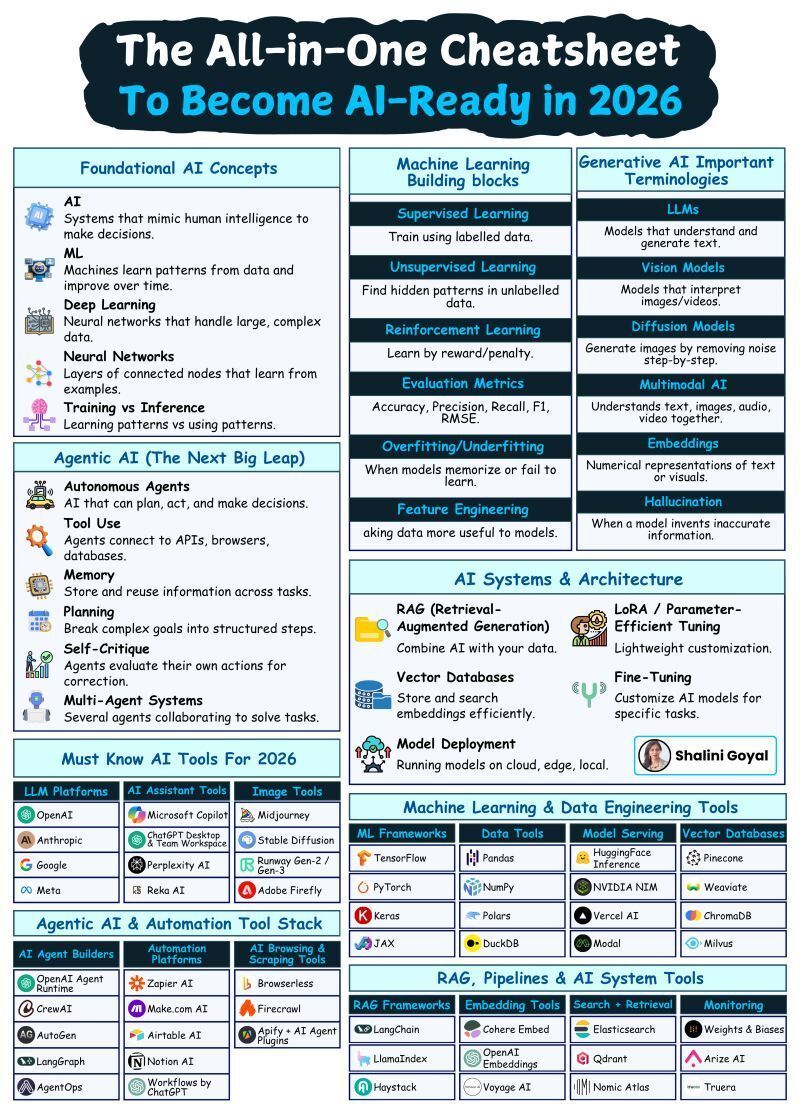
AI-ready ≠ tool-ready. This cheatsheet shows the real shift: Models → Systems
Prompts → Planning
Outputs → Outcomes Agentic AI rewards systems thinkers — not tool collectors.
By
–
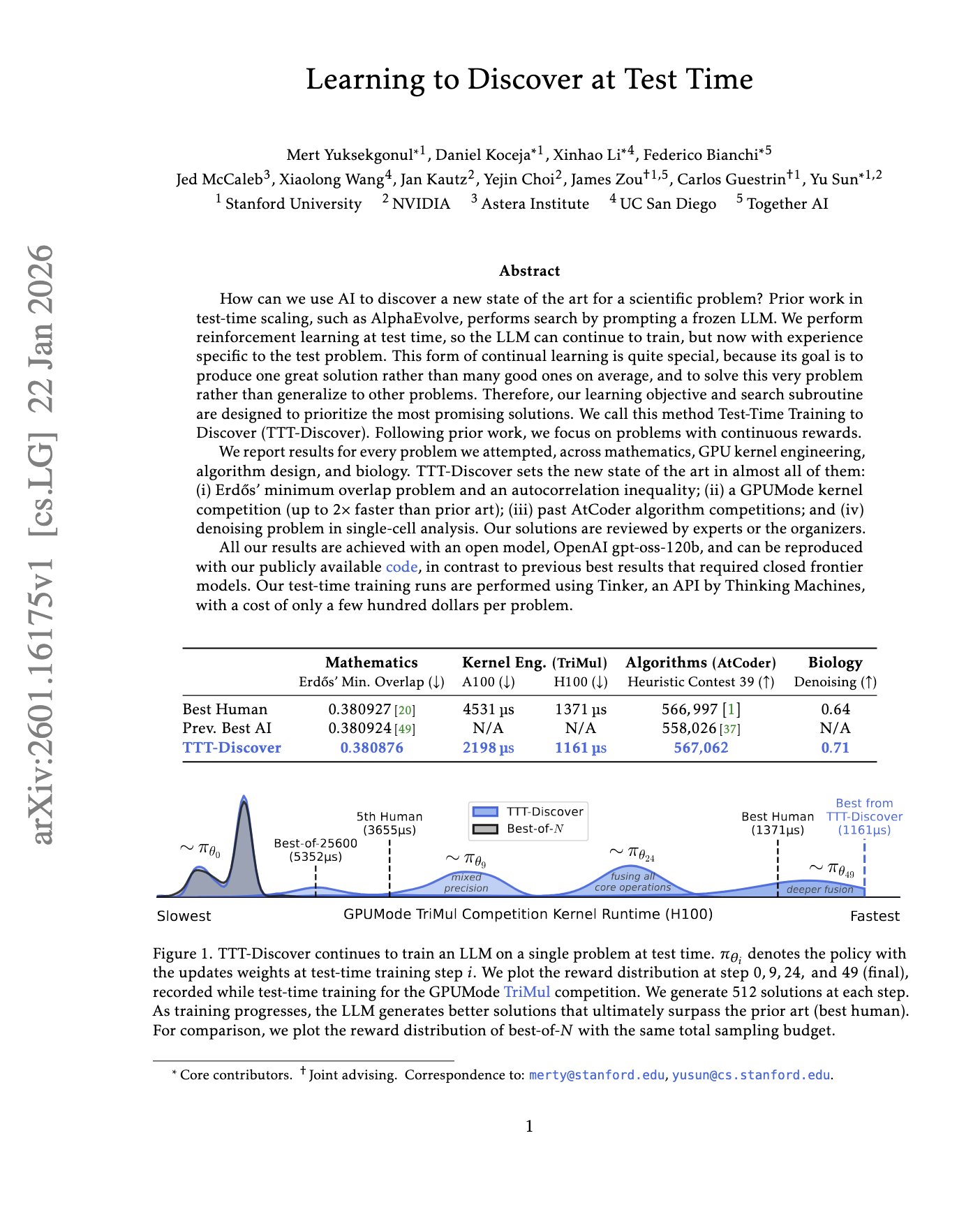
Learning to Discover at Test Time This paper TTT-Discover shows that by replacing best-of-N prompting with RL at test time on a continuous verifiable reward (via LoRA), it can learn from its own attempts and reliably push past the prior performance. The “learn-while-solving”

By
–
Agentic AI isn’t about learning 10 steps. It’s about mastering 4 loops: Perception → Memory → Planning → Action. Frameworks change. Autonomy principles don’t. Build agents that think in systems, not prompts.
By
–
I created the lists over 19 years here on X. All by hand. Improved every day. The report was done by an AI agent created by @blevlabs
. It analyzed thousands of posts from my lists (I instructed it to grab 1,000 posts from each of my AI Community and a few other lists).
By
–
It is a big trend in AI community. Everyone is setting it up and getting it to do a ton of things. I'm having my agents go through thousands of posts here on X to write the ultimate guide and report about what's going on here. Be back soon. Created by @steipete
By
–
This is a general AI assistant that works 24/7, has memory and can message you proactively. Depending on what you can delegate
By
–
inspiring how agent-first software engineering raises both the floor (much easier for anyone to build) and the ceiling (experts can build so much more) of what people can create
By
–
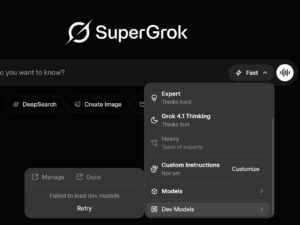

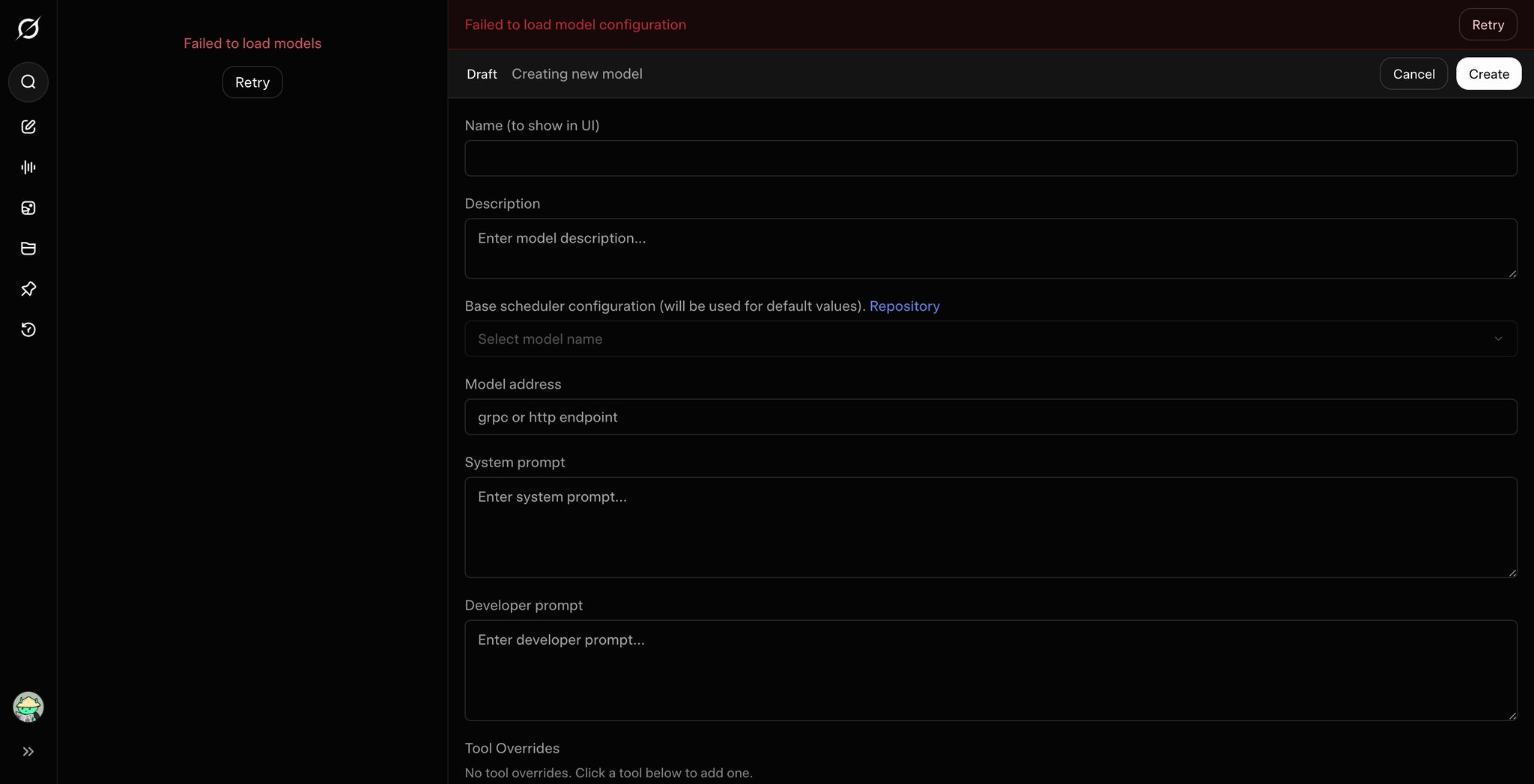
BREAKING : xAI is implementing a new "Dev Models" section on Grok, which allows users to override the base model system prompt, tool calls and more. It could be an enterprise-specific feature
By
–
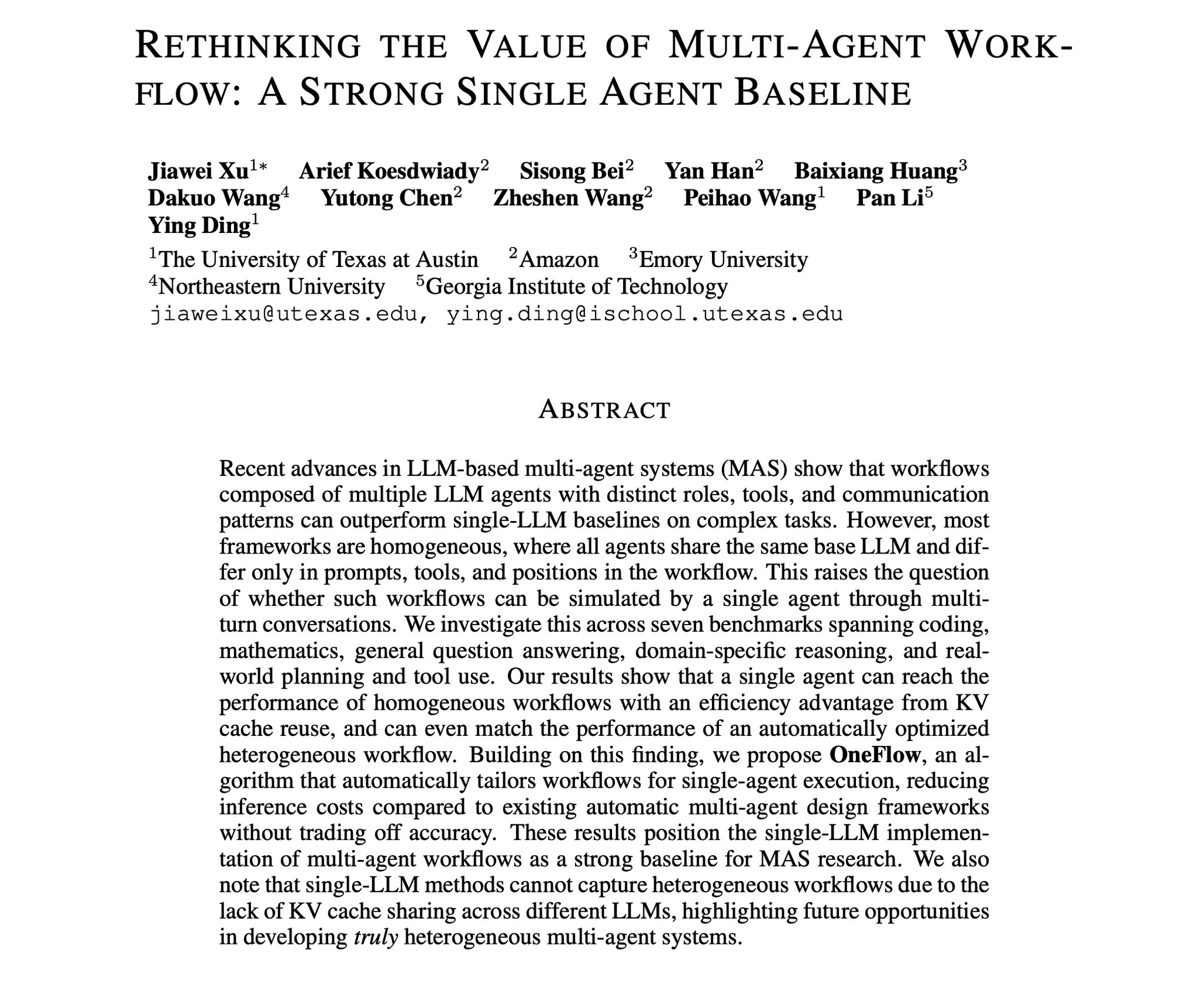
Are multi-agent systems necessary? Here is a great new paper addressing this. The big assumption most AI devs make today is that more agents lead to better performance. But here is the overlooked reality: most multi-agent systems are homogeneous. All agents typically share