Open science built modern AI: Open datasets like ImageNet, MNIST Open-source code/libraries like TensorFlow, PyTorch Shared benchmarks Read why universities must reclaim AI research for the public good: #TeamOpenScience
@stanfordhai
-
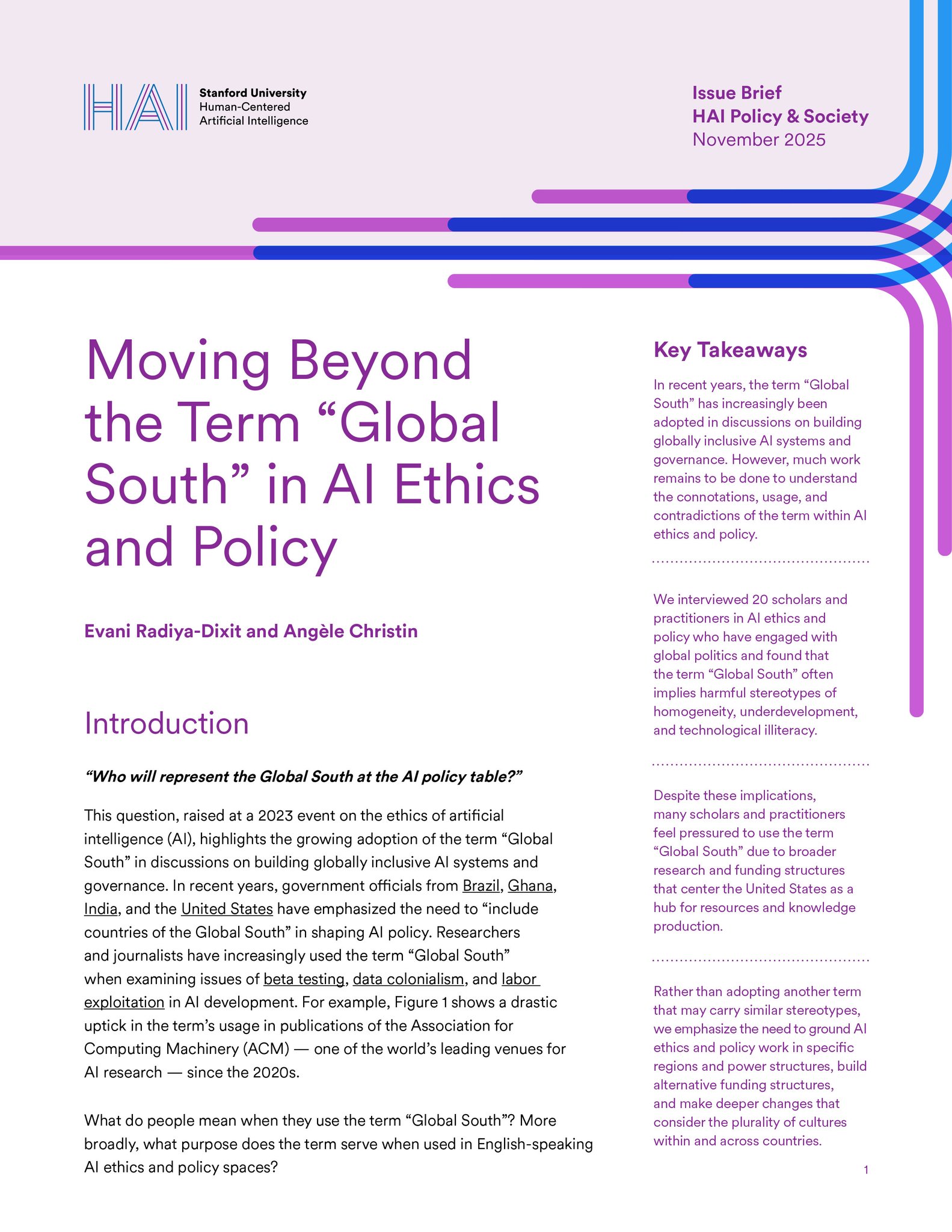
Moving Beyond Global South Term in AI Ethics Policy
By
–
New issue brief: What do people mean when they talk about including the “Global South” in AI ethics and policy discussions? Our latest brief examines the limitations of this term in AI governance and offers recommendations for a more nuanced approach: https://
hai.stanford.edu/policy/moving-
beyond-the-term-global-south-in-ai-ethics-and-policy
… -
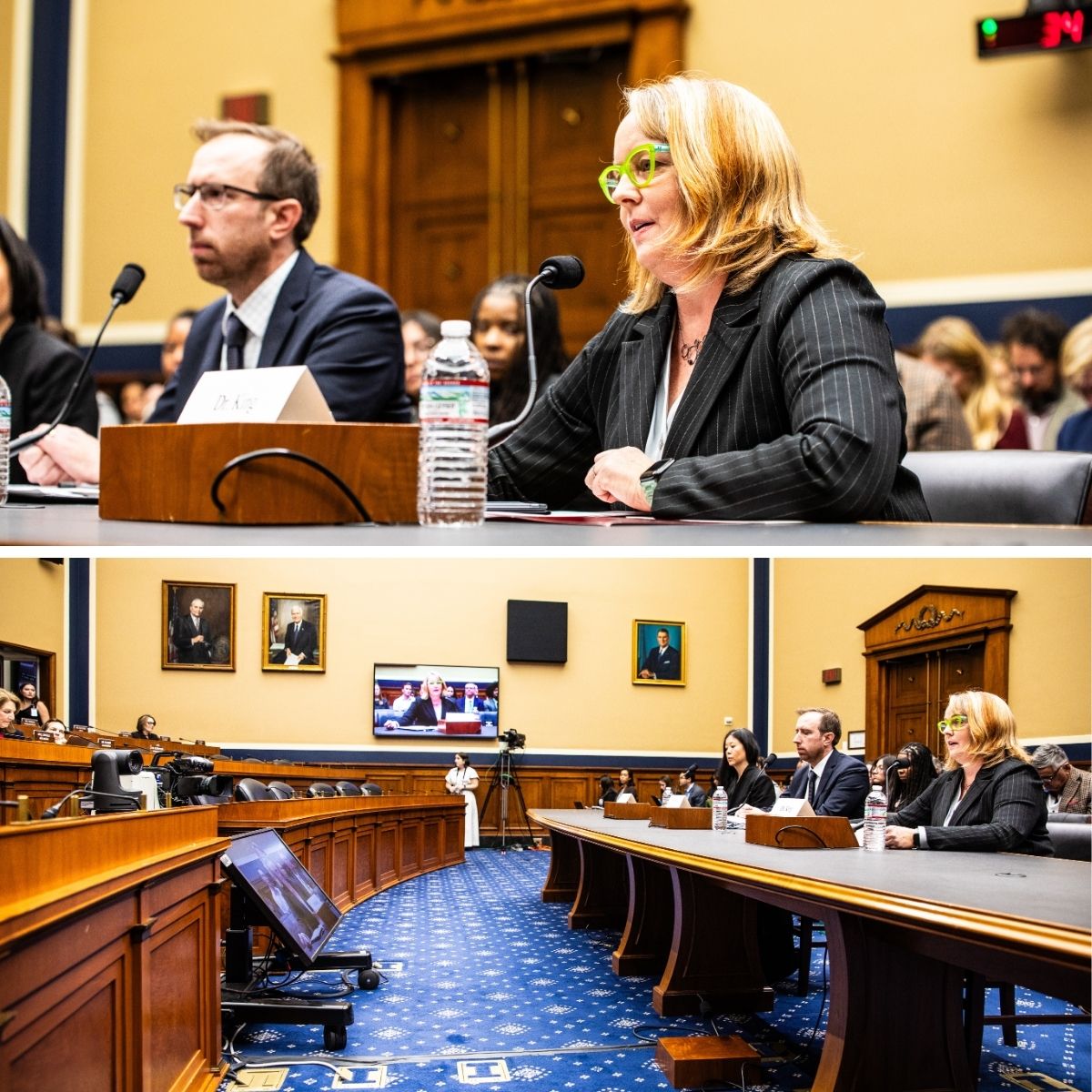
Congressional Testimony on AI Data Privacy and Transparency Requirements
By
–
@StanfordHAI Privacy & Data Policy Fellow @kingjen testified today in Congress on data privacy concerns related to the use of AI chatbots. She emphasized the urgent need for more transparency into how developers collect & process data for model training https://
hai.stanford.edu/policy/jen-kin
gs-testimony-before-the-us-house-committee-on-energy-and-commerce-oversight-and-investigations-subcommittee
… -
Stanford AI+Health 2025 Conference Explores Real-World Healthcare Applications
By
–
Next month, Stanford’s largest convening of experts in medical and health AI will explore real-world Al applications across healthcare. Register to join AI+Health 2025 online on Dec. 9-10:
-
Stanford AI Model Recognizes Object Parts and Transfers Skills
By
–
To be useful in the real world, computer vision systems need to recognize the parts of an object, know their function & be able to transfer a skill from one object to another. Stanford scholars introduce a new AI model that brings us closer to this goal.
-
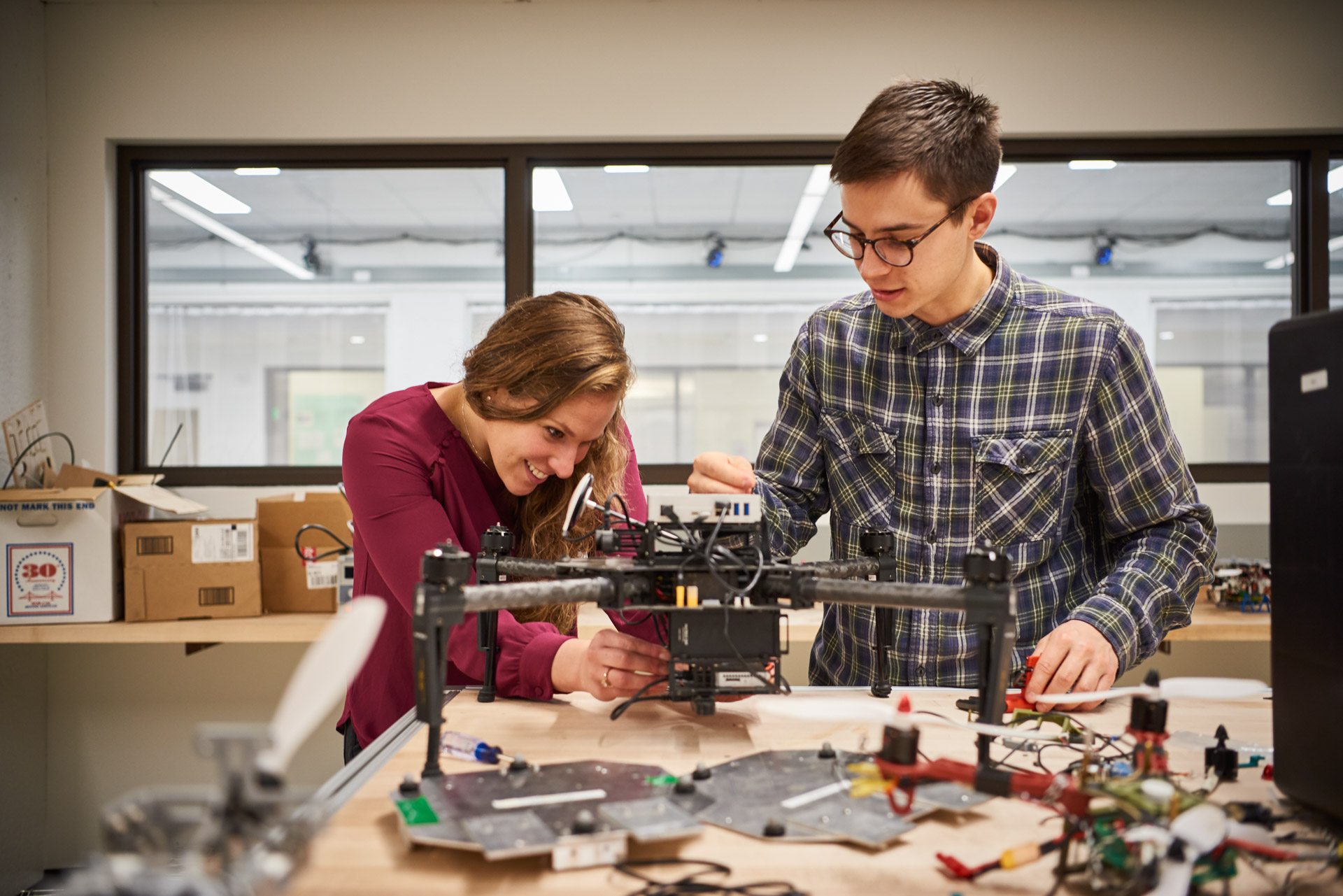
Stanford AI Lab Postdoc Fellowship Connects Research with Impact
By
–
What research questions drive AI forward? At @StanfordAILab
, postdoc fellows work at the forefront of AI and ML – connecting vision with language, theory with application, and innovation with impact. Apply as a SAIL Postdoc Fellow by Dec. 15: https://
bit.ly/43mRPEE -
Stanford ChatEHR: Privacy-Preserving AI for Healthcare Records
By
–
How should we address the unique challenges of bringing AI into healthcare? Stanford Health Care is building a privacy-preserving generative AI tool for its electronic health records system. Called ChatEHR, the platform could serve as a model for others.
-
Language Models Help Fill Speech Pathologist Gap in Schools
By
–
More than 3.4 million American children struggle with speech disorders, and schools don’t have enough speech & language pathologists to help them. With better training, @Stanford researchers found that language models may be able to help to fill the gap.
-
AI Privatization Threatens Research and Global Participation
By
–
What are we losing when AI knowledge becomes privatized? – Cross-pollination of ideas
– Reproducibility of research
– Global participation
– Talent pipeline This is where academia can play a major role, say @StanfordHAI leaders. #TeamOpenScience -
Stanford Uses Generative AI to Simulate Brain MRI
By
–
Imagine using generative AI to simulate your brain in the future based on your behavior today. Researchers at Stanford are creating synthetic brain MRIs to supercharge computational neuroscience and accelerate our understanding of brain disorders.