How do black-box neural networks transform raw data into predictions? Inside these models are thousands of simple "components" working together. New MIT CSAIL research (
https://
bit.ly/473lcfE) introduces a method that helps us understand how these components compose to affect
@mit_csail
-
MIT Research Reveals How Neural Networks Transform Data Into Predictions
By
–
-
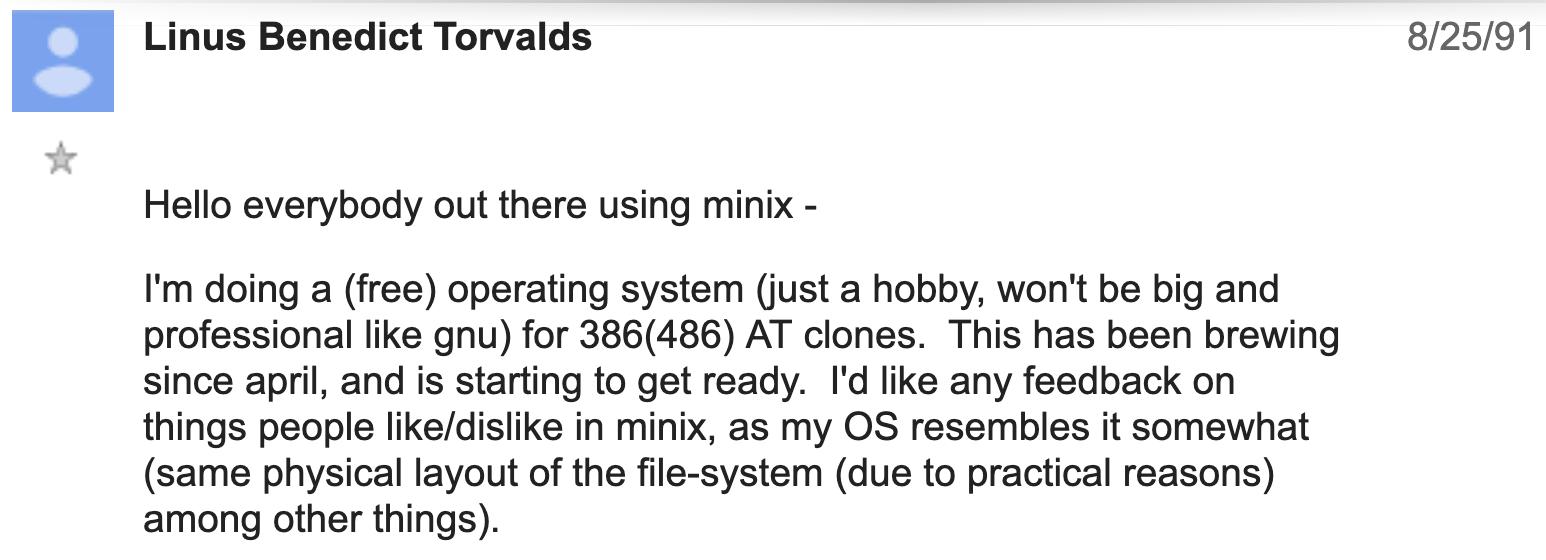
Linux Anniversary: Torvalds’ Free OS Announcement in 1991
By
–
Today in 1991, Linus Torvalds announced in a newsgroup that he was working on a free operating system that later came to be called Linux. http://
bit.ly/2ZjgGtO -
Windows 95 Launch: 29 Years Anniversary with Start Me Up
By
–
#Otd 29 years ago: Windows 95 launched to the tune of "Start Me Up." pic.twitter.com/btePQbkHq2
— MIT CSAIL (@MIT_CSAIL) 24 août 2024#Otd 29 years ago: Windows 95 launched to the tune of "Start Me Up."
-
Language Models Develop Deeper Understanding Beyond Probe Extraction
By
–
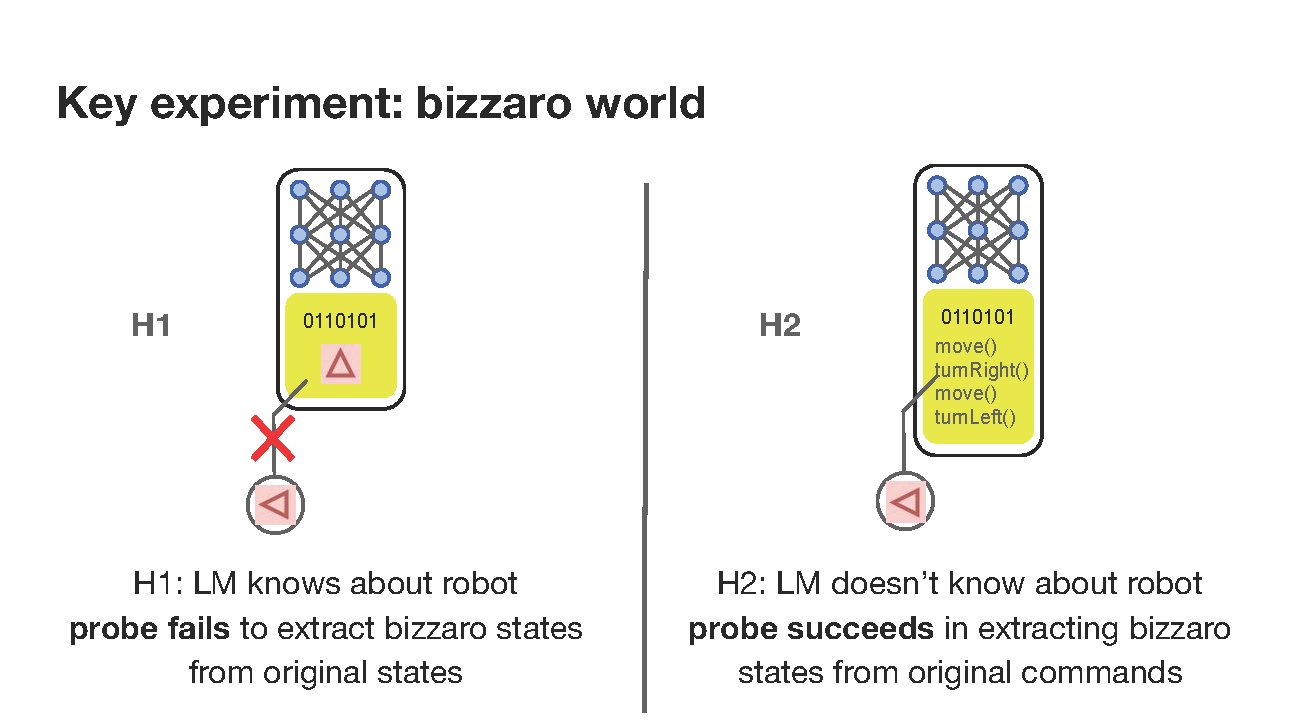
They found that the probe struggled to extract the bizarro world from the LM, indicating that the original semantics were embedded w/i the LM independently of the probe. This experiment further supported the team’s conclusion that LMs can develop a deeper understanding of
-
LLM instruction understanding validated independently of robotic probe
By
–
Still, the researchers wanted to ensure that their model understood the instructions independently of the probe, instead of the probe inferring the robot's movements from the LLM’s grasp of syntax.
-
Researchers Flip Robot Instructions in Bizarro World Probe Study
By
–
To disentangle their roles, the researchers flipped the meanings of the instructions for a new probe. In this “bizarro world,” directions like “up” now meant “down” w/i the directions moving the robot across its grid.
-
LLM trained to solve Karel robot control puzzles
By
–
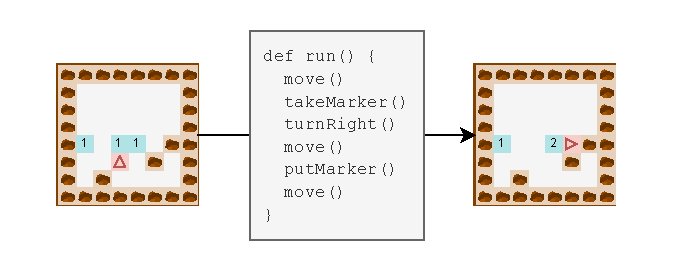
The team first developed a set of small Karel puzzles, which involve coming up w/instructions to control a robot in a simulated environment. Then, they trained an LLM on the solutions w/o showing it how those solutions actually worked.
-
ML Model Develops Own Simulation Understanding Through Probing
By
–
Using an ML technique called “probing,” they looked inside the model’s “thought process” as it generated new solutions. After training on >1 million random puzzles, they found that the model spontaneously developed its own conception of the underlying simulation, despite never
-
MIT researchers find LLMs may develop their own understanding of reality
By
–
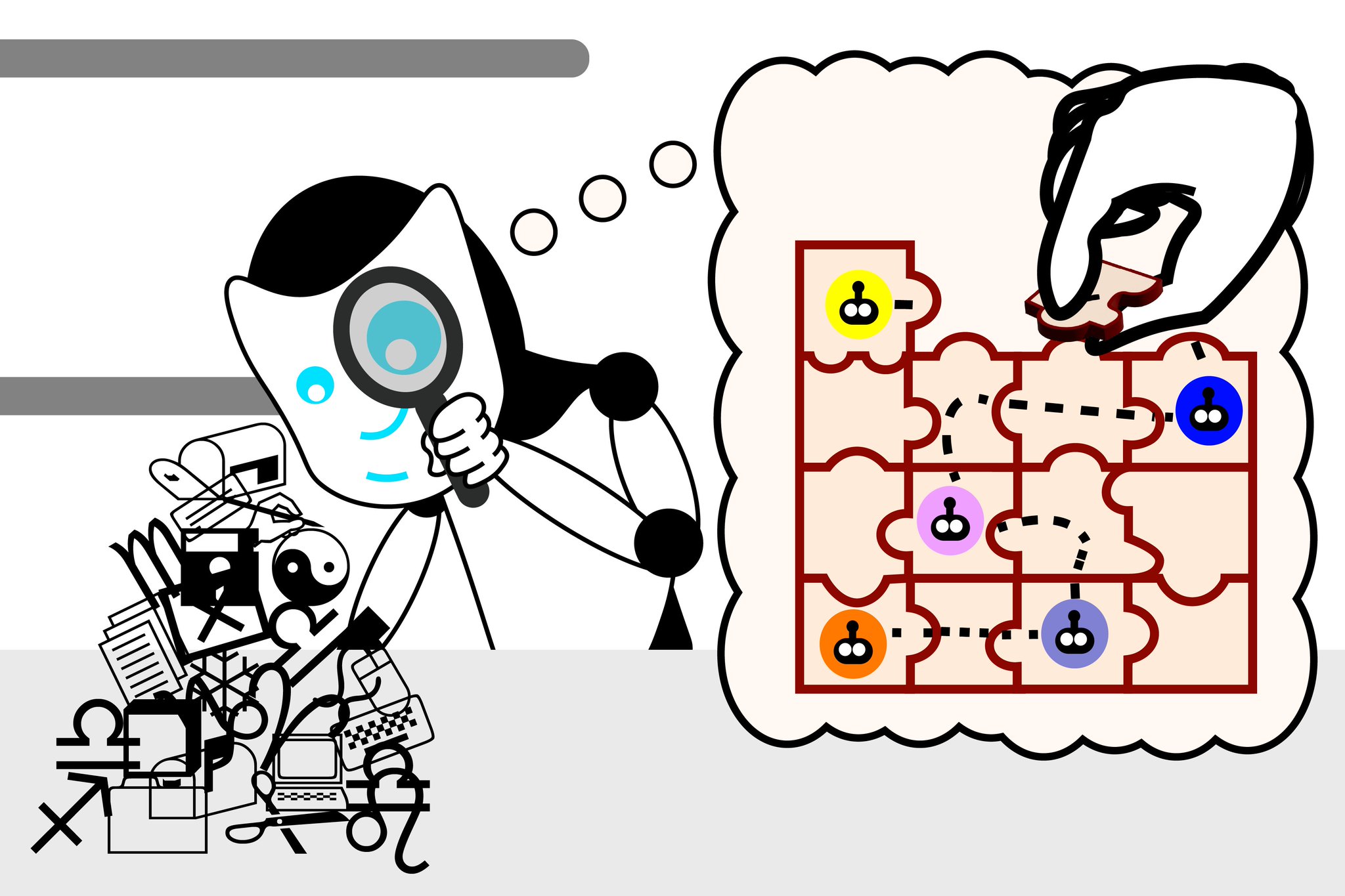
Can LLMs assign meaning to language, or do they simply mimic text? Peering into the mind of these models, MIT CSAIL researchers found that LLMs may develop their own understanding of reality to improve their generative abilities. Their research indicates that such models may