#Otd in 1955, the term “artificial intelligence” was coined in a conference proposal: https://
stanford.io/2WJJJGN
@mit_csail
-
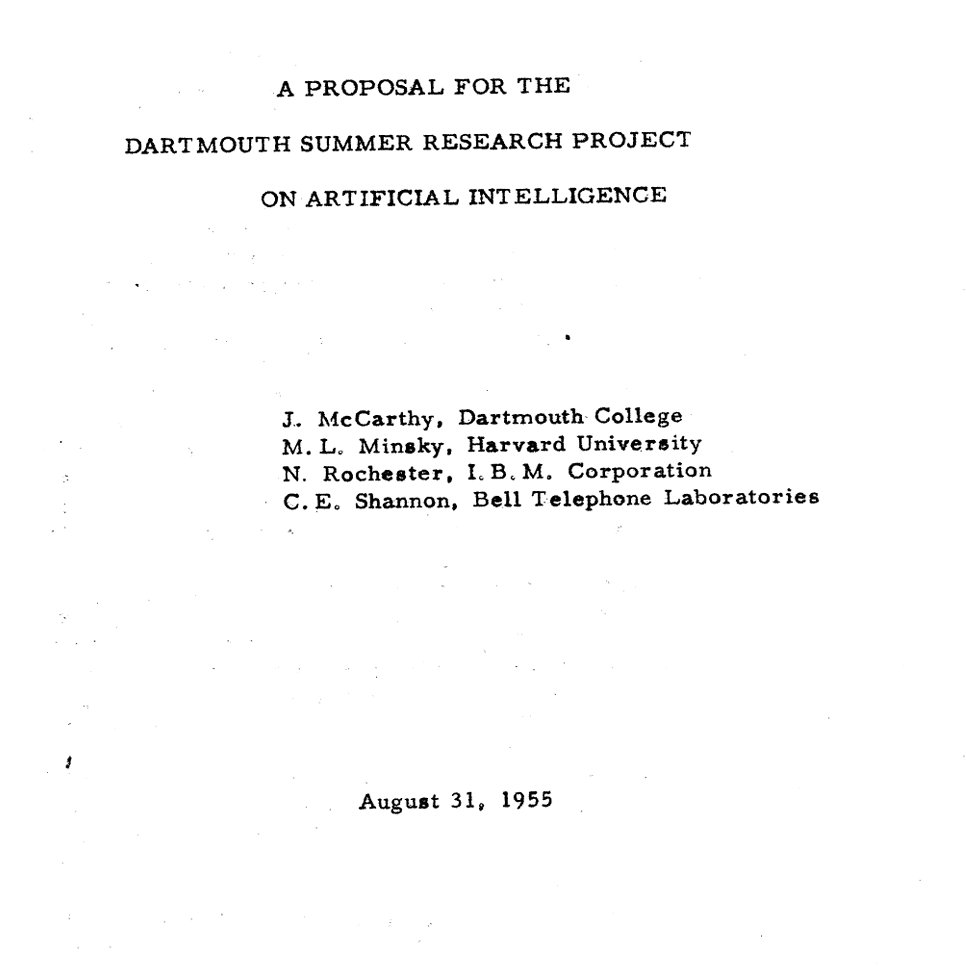
Artificial Intelligence Term Coined in 1955 Conference Proposal
By
–
-
Sparse Convolution: Polynomial Multiplication in Computer Science
By
–
Multiplying polynomials is a fundamental task in computer science and math, and sparse convolution has applications in fields like signal processing, computer vision, symbolic computation, discrete algorithm design, and computational complexity theory.
-
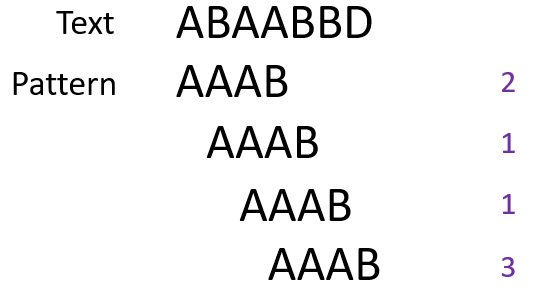
Deterministic Algorithm for Text-to-Pattern Hamming Distance Problem
By
–
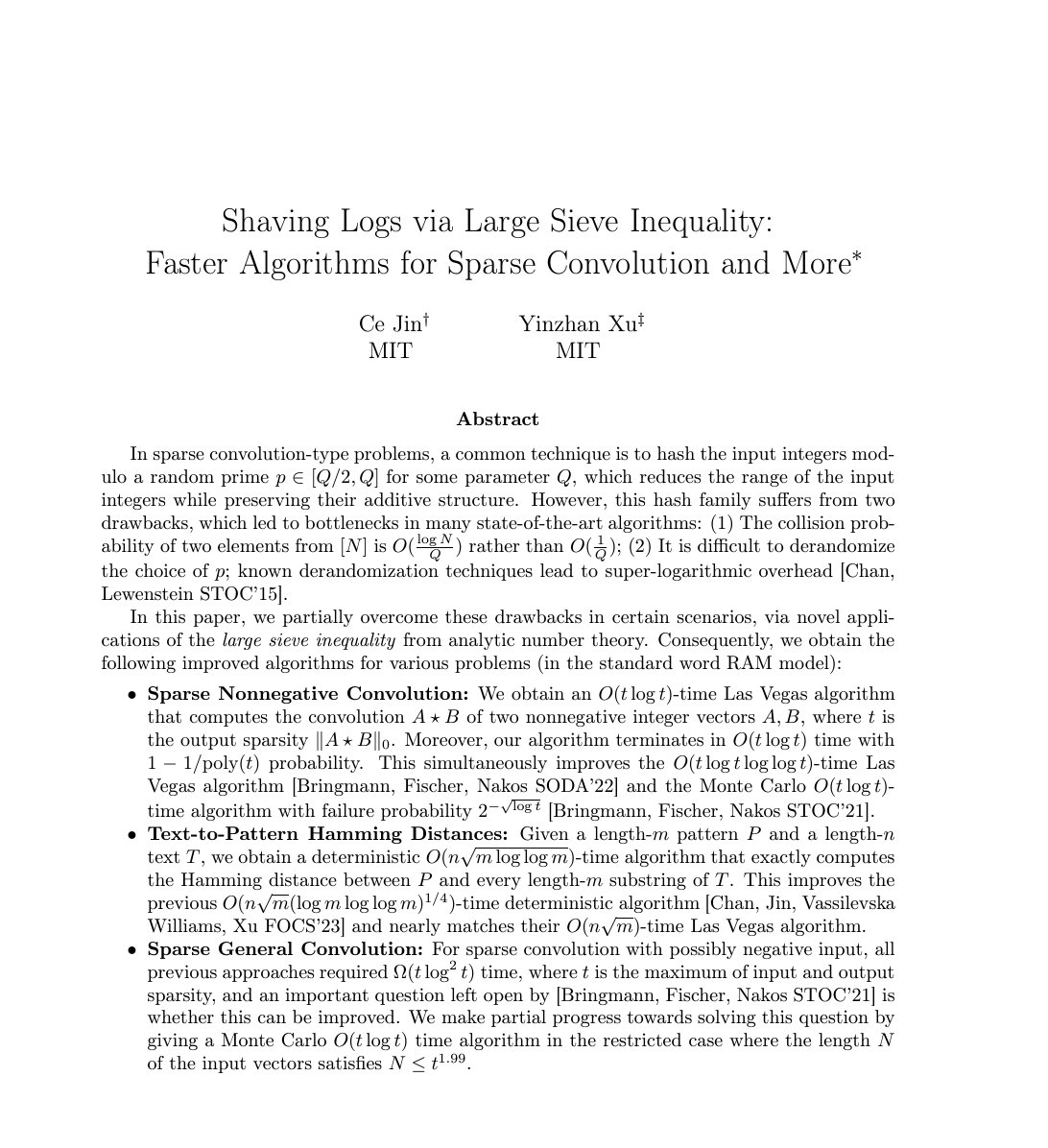
The team also developed a deterministic algorithm for a problem called Text-to-Pattern Hamming Distances, where you count the mismatches between a text string & a pattern string at every position. It runs nearly as fast as the previous best-randomized algorithm.
-
Researchers Improve Sparse Convolution Polynomial Multiplication Algorithms
By
–
As a result, the researchers obtained improved algorithms for the sparse convolution problem, where the goal is to multiply polynomials where the input & output polynomials have a small number of nonzero terms.
-
MIT Applies Number Theory to Accelerate Hashing Algorithms
By
–
For possibly the first time, MIT CSAIL researchers have applied a number theory tool called the large sieve inequality to help design faster hashing-based algorithms Their algorithms can help solve many sparse convolution & pattern matching problems, where the goal is to ID
-

MIT Professor Robert Langer: Biotech Pioneer Transforms Healthcare Innovation
By
–
Happy birthday to MIT prof. Robert Langer, biotech expert & the world’s most-cited engineer.
>1,400 patents.
>1,500 papers. Co-founded Moderna & 40+ other biotech companies w/an estimated market cap of >$31 billion (Image: Boston Globe v/Getty Images). https://
bit.ly/4e0Ansu -
COAR: Scalable Predictive Component Attribution Method
By
–
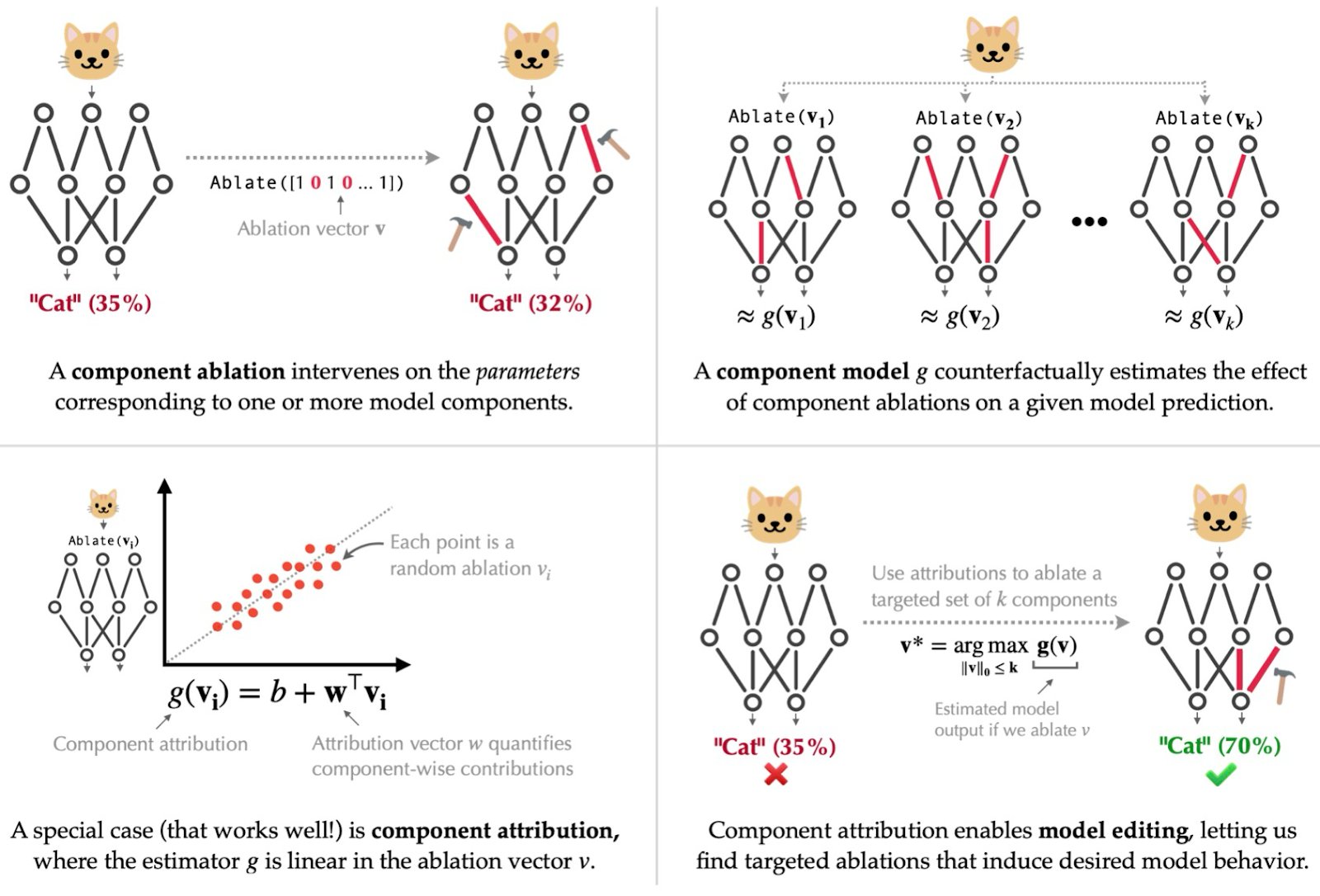
In summary, COAR is a scalable method for estimating predictive component attributions that outperform prior approaches across models & tasks. COAR's attributions act as a counterfactual estimator, helping w/targeted model edits — from fixing errors to boosting subpopulation
-
COAR Method Improves Attribution in Vision Language Models
By
–
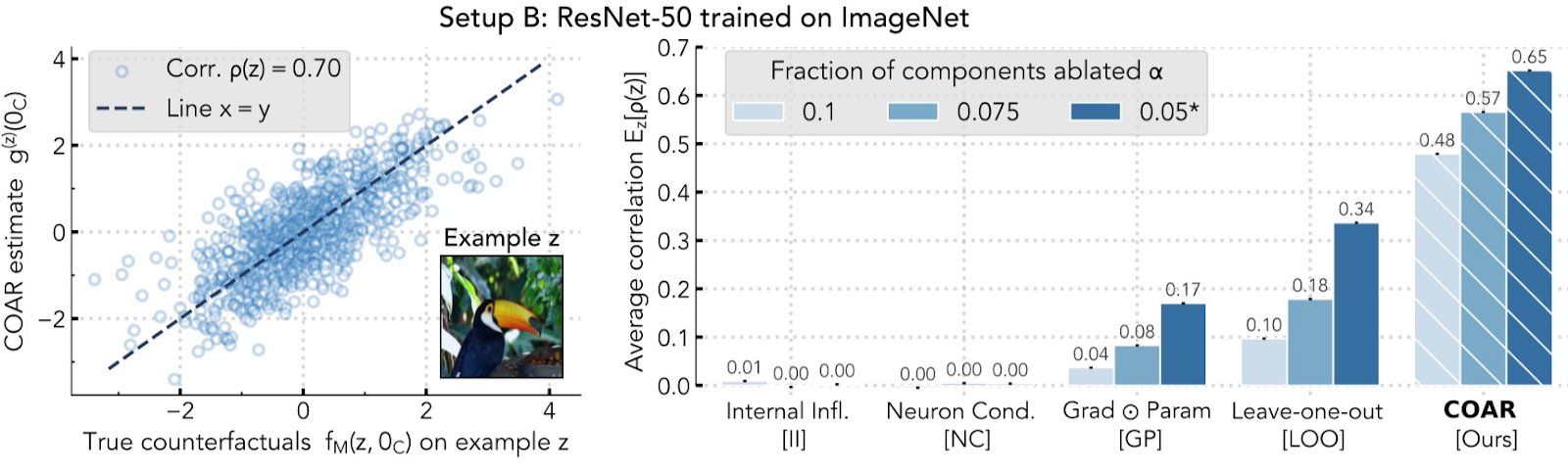
Experiments on large-scale vision & language models show COAR yields accurate component attributions, outperforming prior methods. This makes it a valuable tool for understanding & debugging complex ML systems.
-
COAR: Surgical Edits to Fix ML Model Errors
By
–
The approach, called COAR, allows us to make surgical "edits" to ML models. By intervening on the right components, we can fix errors, "forget" harmful labels, or boost performance on subpopulations that are underrepresented in data.
-
COAR: Component Attribution for Targeted Model Edits
By
–
COAR works by estimating the contribution of each component to the model’s final output. These component attributions act as a counterfactual estimator, enabling targeted model edits w/o additional training.