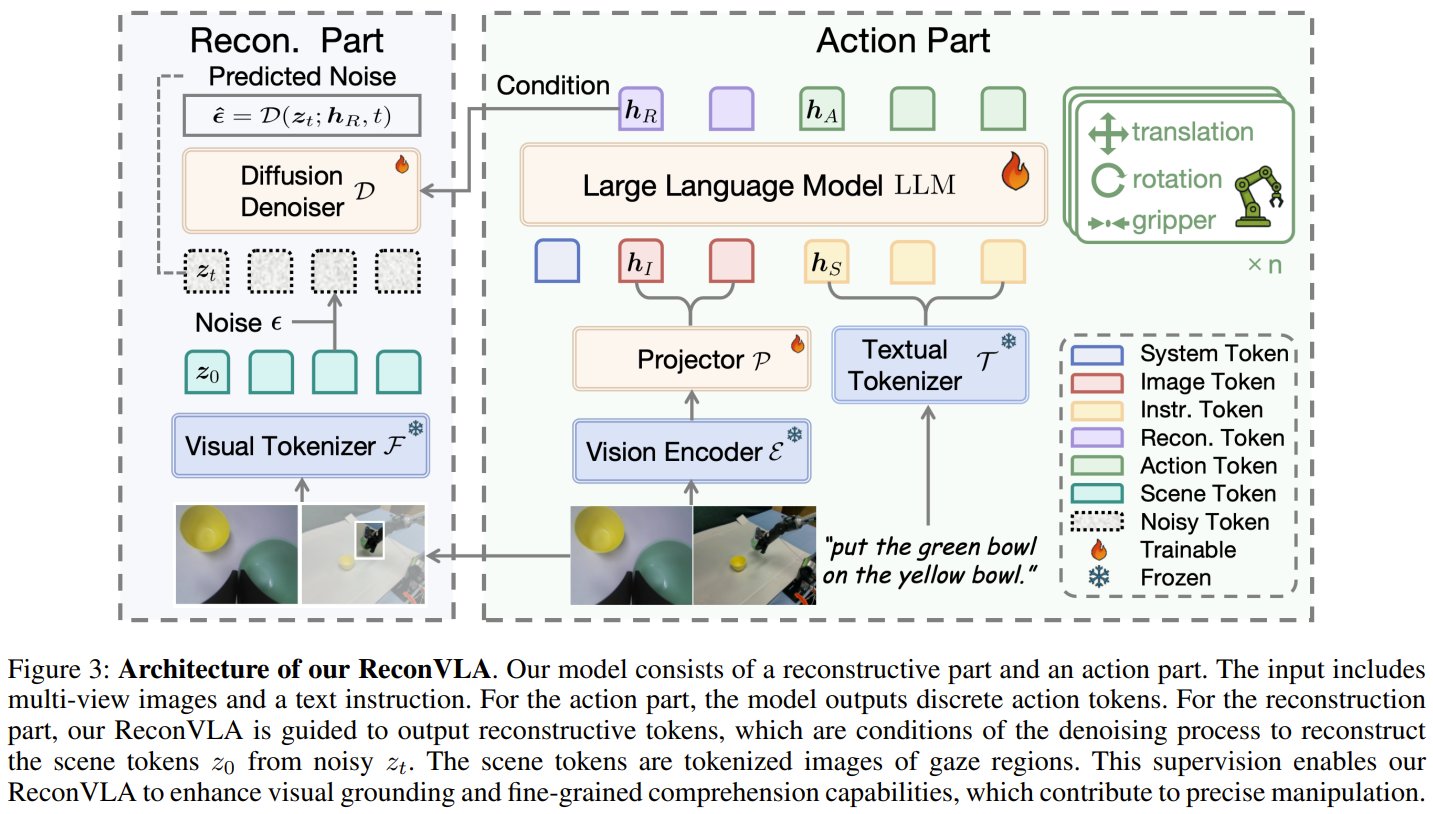
Why do robots often fumble simple tasks? Researchers from HKUST, Westlake, Zhejiang, & Monash present ReconVLA. It's a new AI model that teaches robots to focus. Instead of looking at everything, it learns by trying to mentally reconstruct only the object it needs to
@jiqizhixin
-
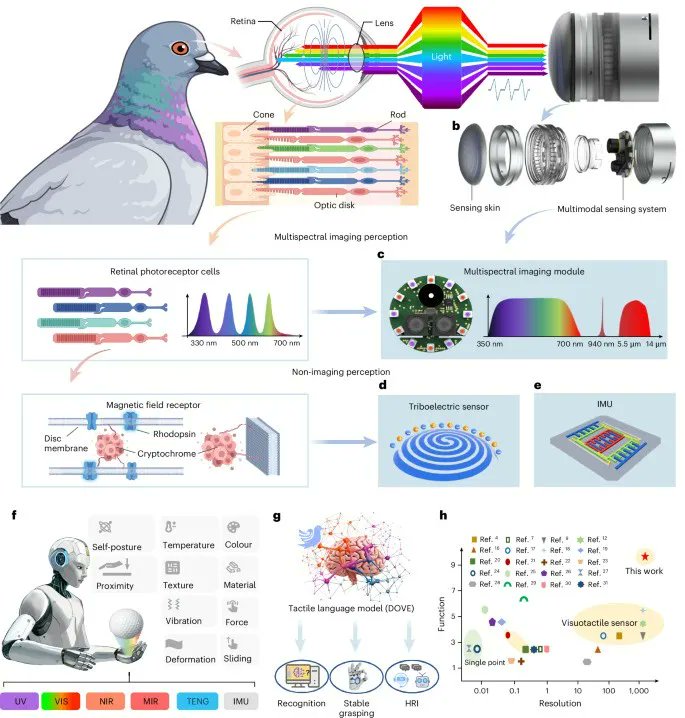
SuperTac: Robot Touch Sensor Rivaling Human Sensitivity
By
–
What if a robot's sense of touch could rival a human's? Enter SuperTac, a new sensor skin inspired by pigeon vision. It merges light, force, and motion sensing into one thin layer to feel pressure, texture, temperature, and even proximity. It outperforms current systems,
-
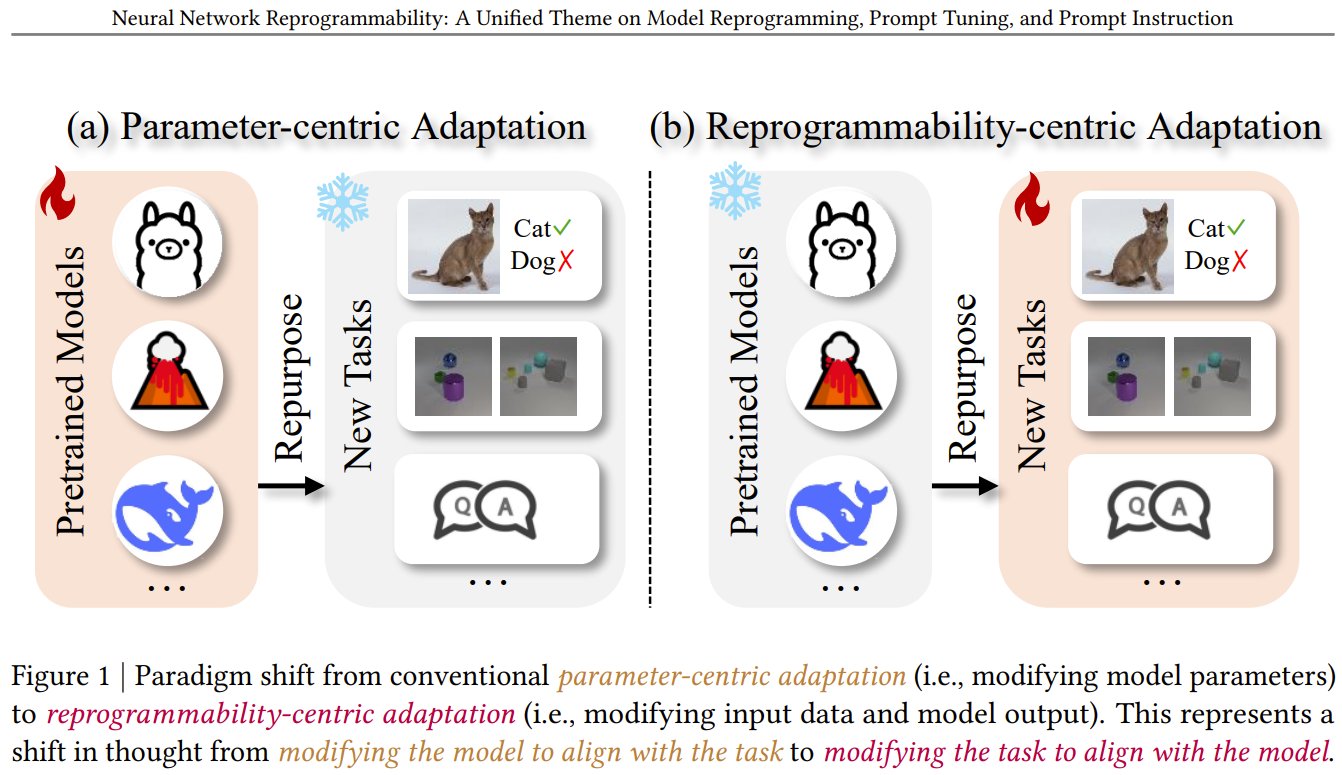
Unified Theory of Neural Network Reprogrammability Explained
By
–
What if all the ways we adapt AI models are actually the same thing? Researchers from the University of Melbourne, Southeast University, and IBM present a unified theory: "Neural Network Reprogrammability." They show that methods like prompt tuning and in-context learning all
-
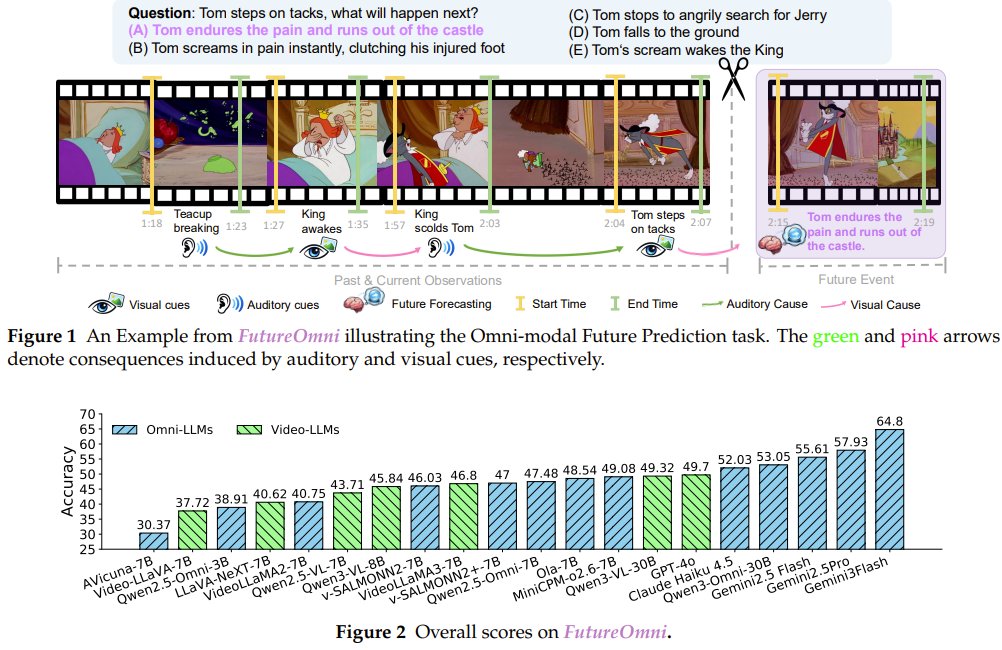
FutureOmni: Multimodal AI Predicts Future From Video Audio
By
–
What if AI could predict the future from sights and sounds? Researchers from Fudan University & NUS introduce FutureOmni, the first benchmark to test this. It pushes multimodal models to reason across audio & video to forecast what happens next, not just describe the past.
-
AI Detectors Fail: New Contrastive Learning Method Proposed
By
–
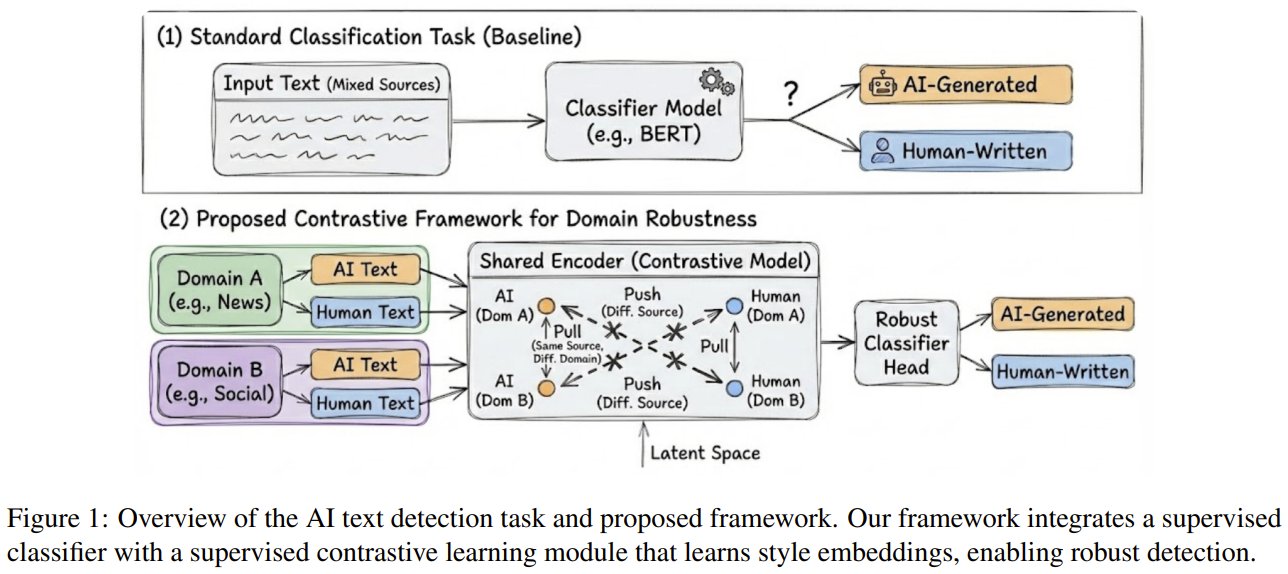
Can we trust AI detectors to spot LLM-generated text? Researchers from Kyoto University & IIT Kanpur reveal a major flaw: current detectors fail badly outside their training data. They propose a new contrastive learning method that learns the "style" of text, showing
-
AXE Layout: Unified AI Hardware Optimization Across GPUs
By
–
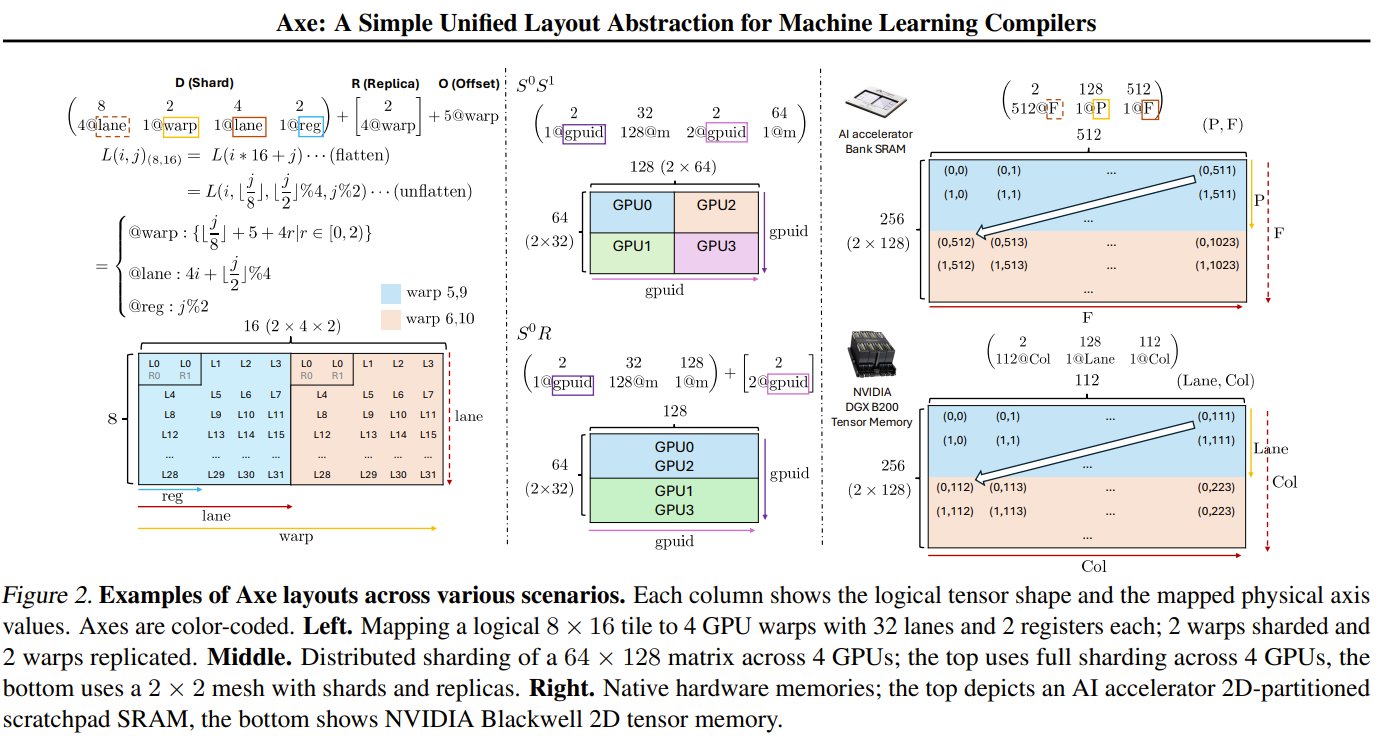
What if one layout could rule all your AI hardware? Researchers from CMU, SJTU, NVIDIA, Princeton, and University of Toronto present AXE Layout. It's a single, simple map that tells data where to go across GPUs, memory, and threads—unifying sharding, tiling, and more.
-

Render-of-Thought: Visualizing AI Reasoning as Images
By
–
What if an AI's "thoughts" could be seen as pictures, not just text? Researchers at Tencent present Render-of-Thought (RoT), a new method that turns an AI's text-based reasoning steps into visual images. This makes the AI's internal logic traceable and cuts down on processing
-
3D World Models: The Key to Truly Intelligent Robots
By
–
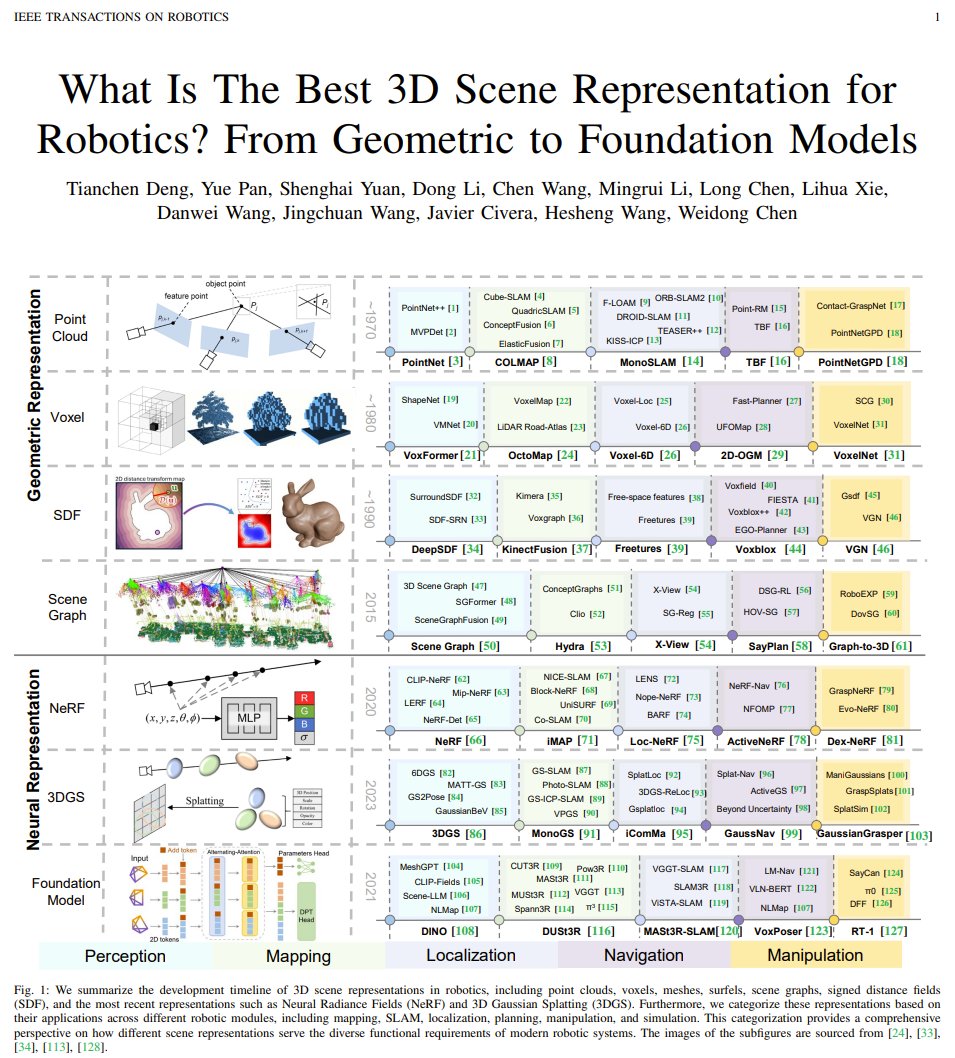
What's the single biggest roadblock to creating truly intelligent robots? A new survey tackles this. They argue that moving beyond simple point clouds to dense, AI-powered 3D "world models" is key. These neural scene representations, like NeRF and 3D Gaussian Splatting,
-
Samsung’s TRM Creator Leaves Company: What Happened?
By
–
The sole author of Samsung's popular Tiny Recursive Model (TRM) has left the company—what happened? https://
x.com/jm_alexia/stat
/jm_alexia/status/2014397689316733222
… -
K2.5 Agent Swarm Creates New Language for Deep Sea Species
By
–
K2.5 Agent Swarm designed an entirely new language in just 38 minutes for an intelligent species that lives in the deep sea and communicates by emitting light through its skin.
— 机器之心 JIQIZHIXIN (@jiqizhixin) 27 janvier 2026
(The video is sped up 20×.) https://t.co/MNlgtB4fAD pic.twitter.com/76HtUFdGp5K2.5 Agent Swarm designed an entirely new language in just 38 minutes for an intelligent species that lives in the deep sea and communicates by emitting light through its skin. (The video is sped up 20×.)