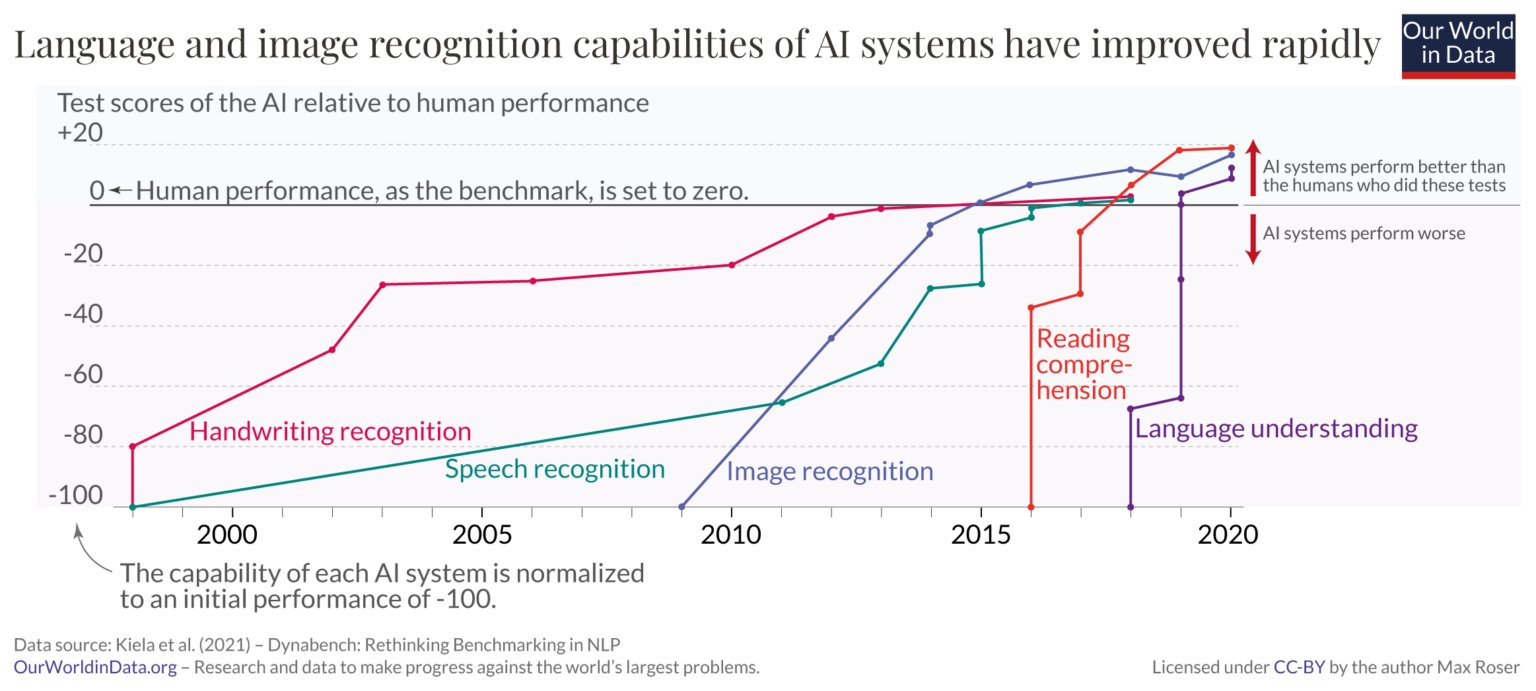
If AI really does plateau at 60-80th percentile of human ability (no sign it will/won't), the impacts may be stabilizing. Whatever you are best at (often what you enjoy most), you are likely to be better than an AI, but whatever you are not good at, AI can help fill in the gaps.
@emollick
-

LLMs excel at providing problem-solving frameworks
By
–
A valuable thing that teachers and coaches do is provide frameworks for solving problems. LLMs are very good at frameworks: they "know" a lot of them, and they are excellent at applying them to your problem. Here's a little GPT that suggests & makes them: https://
chat.openai.com/g/g-vZ7SgKBOh-
framework-finder
… -
Best Available Human Standard in AI Development
By
–
We need to consider the Best Available Human standard.
-
Detecting deepfakes and verifying trusted image sources
By
–
I don't have the answers, but it will likely including focusing on bad actors using the systems and thinking about how to certify which images can be trusted. Teaching people to hunt down sources might also help (though it doesn't seem to work well for other false claims).
-
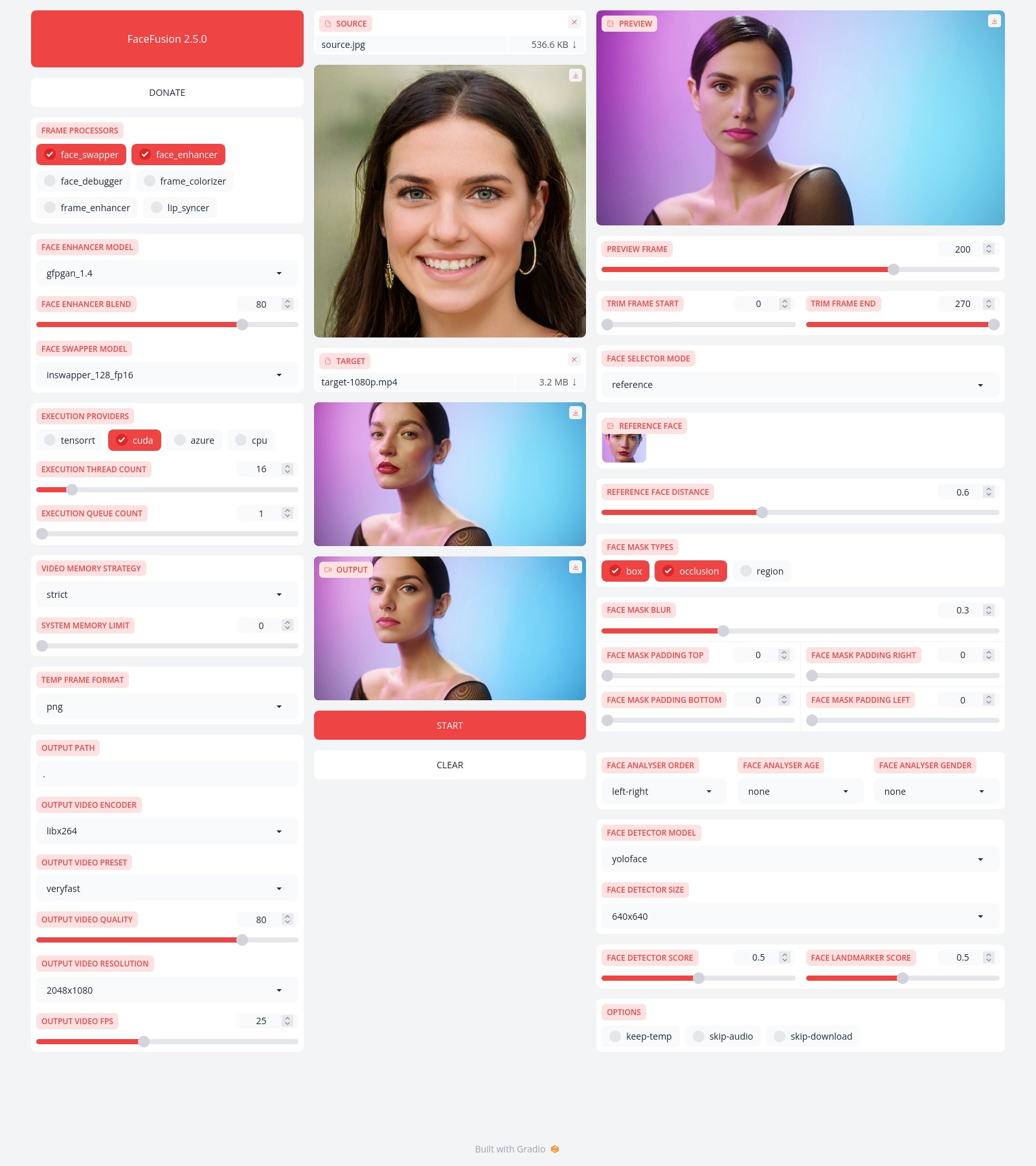
Deepfakes: Why Top-Down Policy Won’t Stop Synthetic Media
By
–
I have been playing with open source voice cloning, face swapping, and image tools, and the unfortunate conclusion is that there is no longer a top-down policy that will stop deepfakes or watermark AI images, the tools are out there. We need different approaches to address this.
-
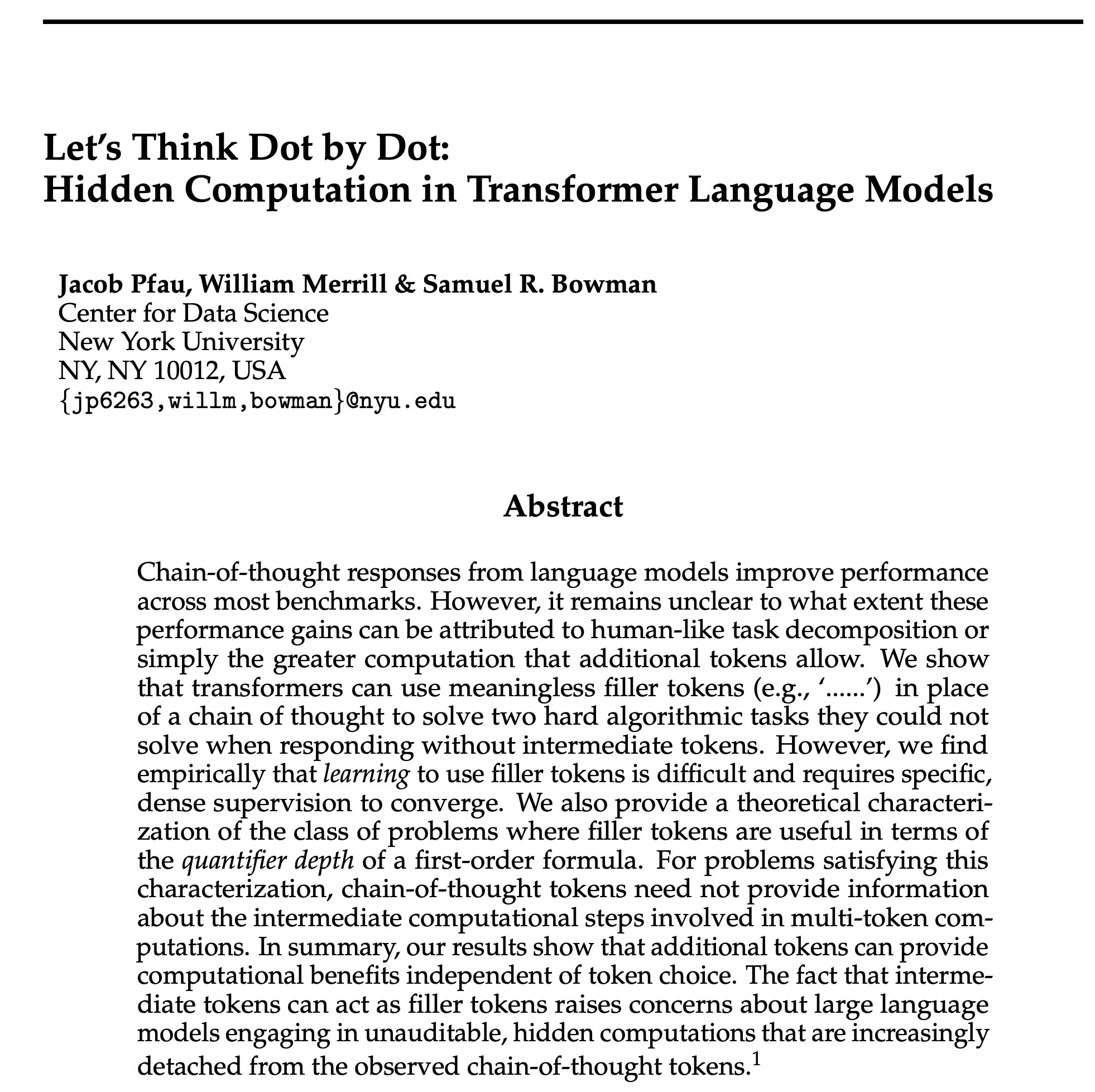
Improving LLM Performance Through Chain of Thought Reasoning
By
–
One of the best ways to improve LLM performance is to ask it to “think aloud” (there are various techniques for doing this, including Chain of Thought). This also helps establish clearly the AIs plans. This paper suggests that, in some cases, the AI can plan without revealing it
-
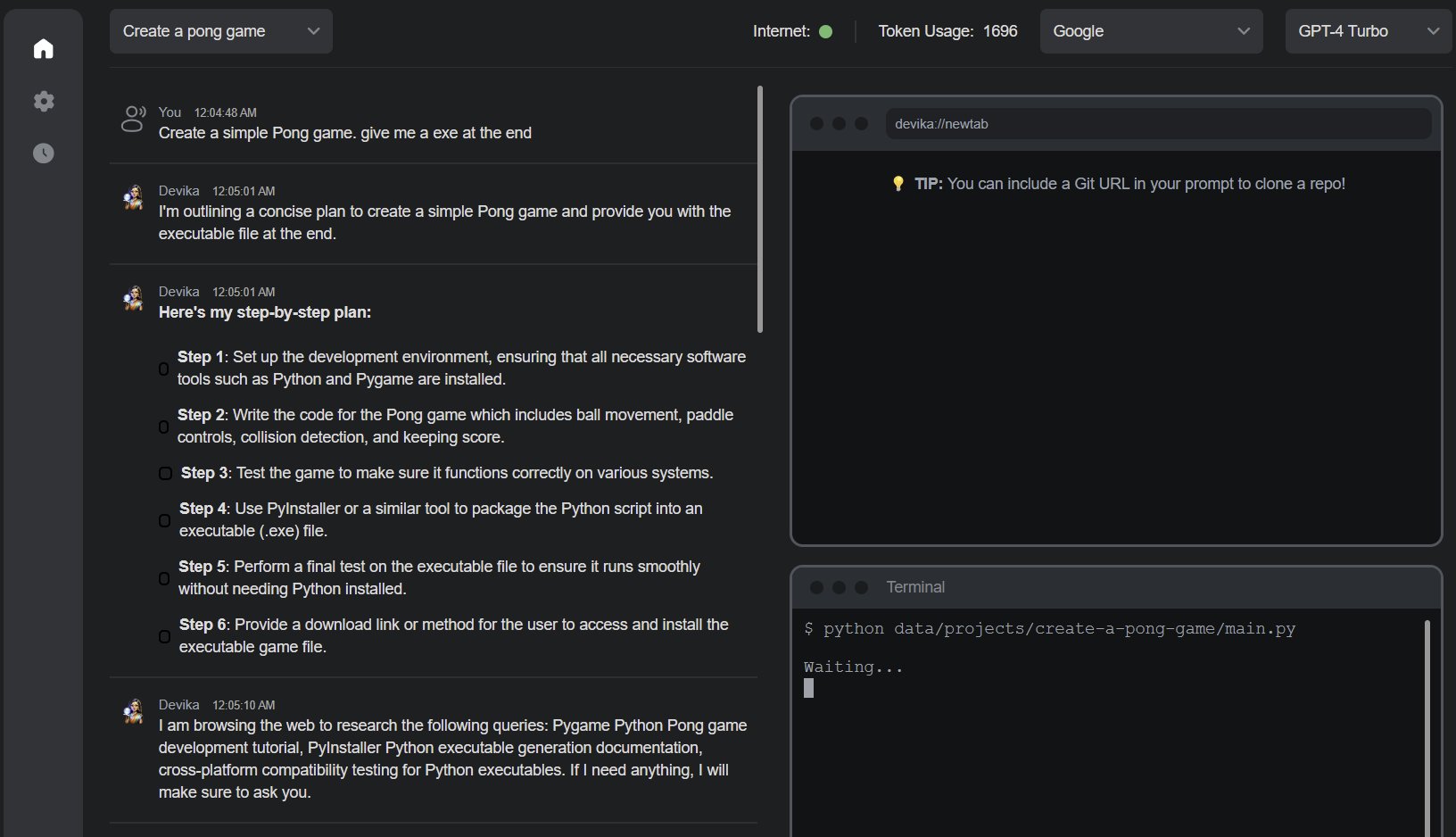
Devika Open Source AI Agent: Early Assessment and Progress
By
–
Been experimenting with Devika, the open source effort to build an AI agent like Devin. It is a very interesting start, but not close to Devin, yet. It struggles with executing on plans (the most critical feature for an AI agent). But I suspect that it will improve over time.
-
LLMs errors tolerance: rethinking AI deployment beyond zero-error
By
–
I think too many people think only of AI use in places where errors are not tolerated. It isn't good at that. LLMs hallucinate & make mistakes. But for a huge amount of work, human error is tolerated, and the question is whether AIs (working with humans) make more or less
-
Managing GPT-4 Effectively: Guidance and Instructions Matter
By
–
In the executive MBA class I taught today, a student said something very useful to understand about AI: They said you have to approach working with GPT-4 as a manager, and if doesn't do something right, you need to provide more direction, rules, or instructions. That often helps
-
AI Systems Show Impressive Reliability Compared to Humans
By
–
But when you think of them like humans, they are impressively reliable.