If you're not the model, you're the harness. OpenAI, Anthropic, and ThoughtWorks have each landed on very different answers for what a harness should look like, and the gap between their approaches says a lot about where agent engineering is heading. Here's a full breakdown.
@alphasignalai
-
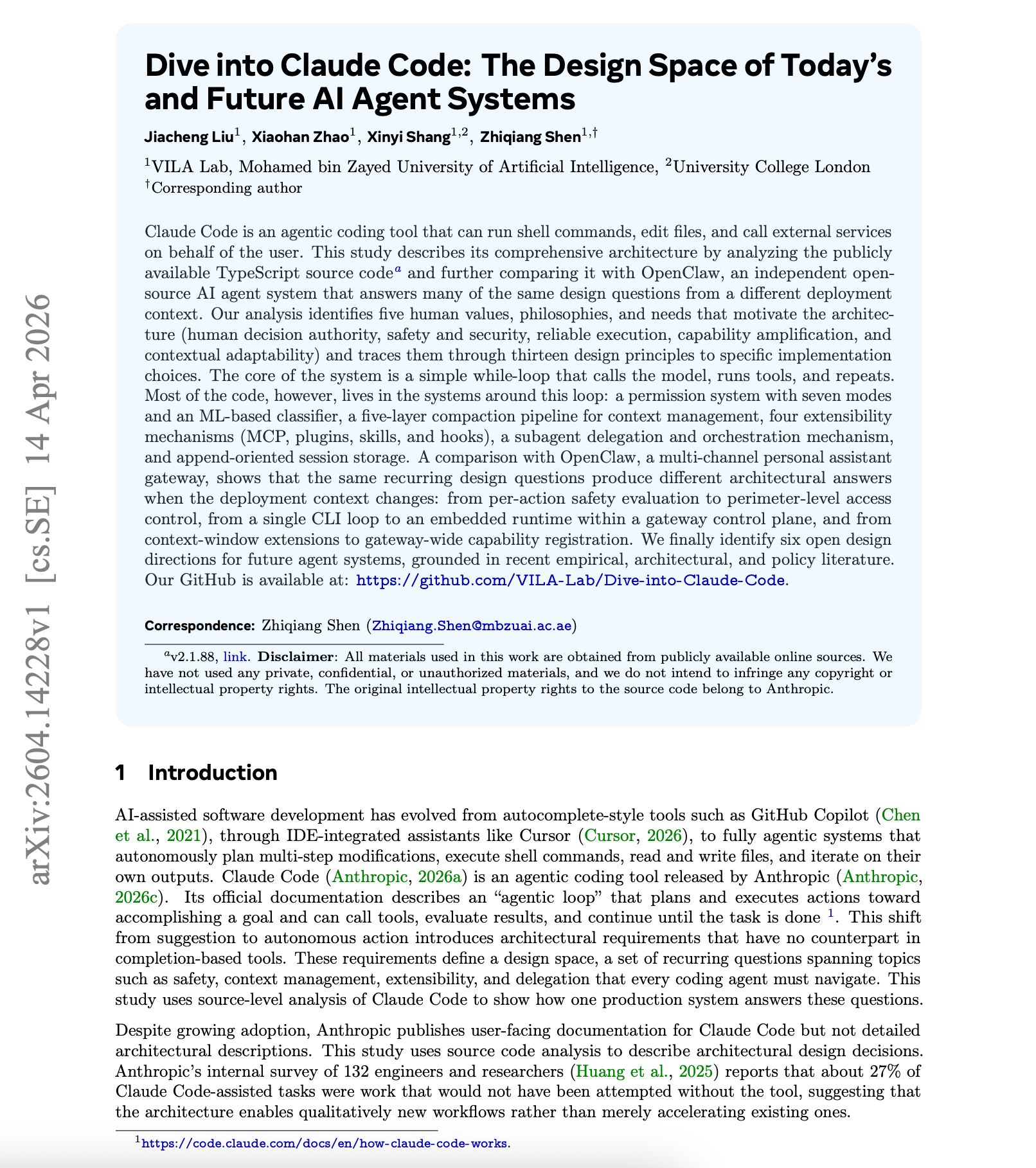
Claude Code Reverse-Engineered: Only 1.6% Is Actually AI Model
By
–
Researchers reverse-engineered Claude Code. Only 1.6% is actually AI. The other 98.4% is infrastructure around the model. Permission gates, tool routing, context compaction, session recovery. The model just reasons. Everything else runs the show. The core loop is a plain
-
Hermes Agent Features Learning Loop and Persistent Memory
By
–
Yes, mostly. Hermes Agent already has a built-in “learning loop” that creates/refines skills from tasks and keeps persistent memory for self-improvement.
-
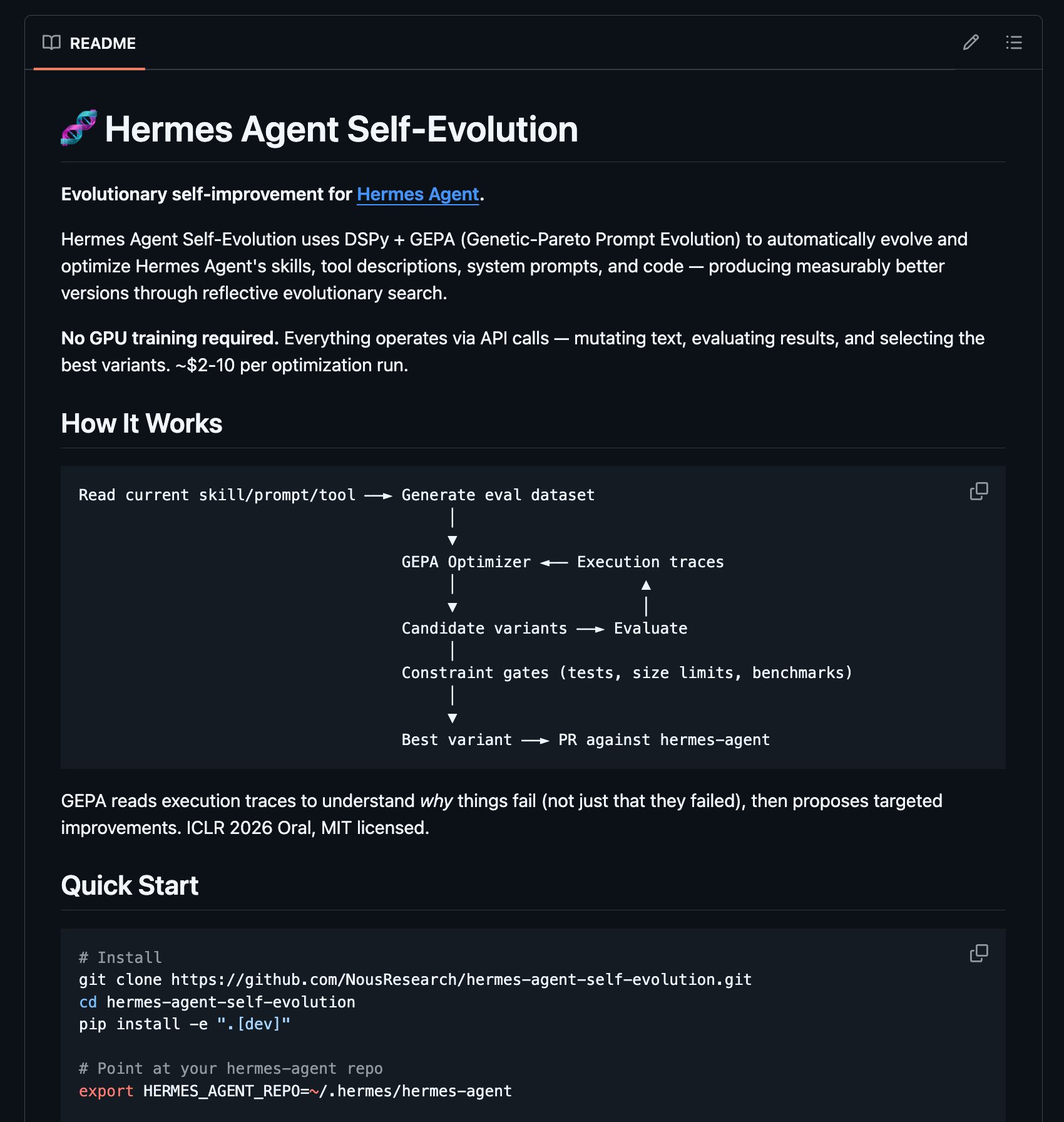
Nous Research Hermes Agent Self-Evolution Rewrites Its Own Prompts
By
–
Nous Research built an AI that rewrites its own brain for $2. Most AI agents run the same prompts forever. One open-source repo changes that. Hermes Agent Self-Evolution lets agents rewrite their own prompts, skills, and code. No manual tuning needed. The engine powering
-
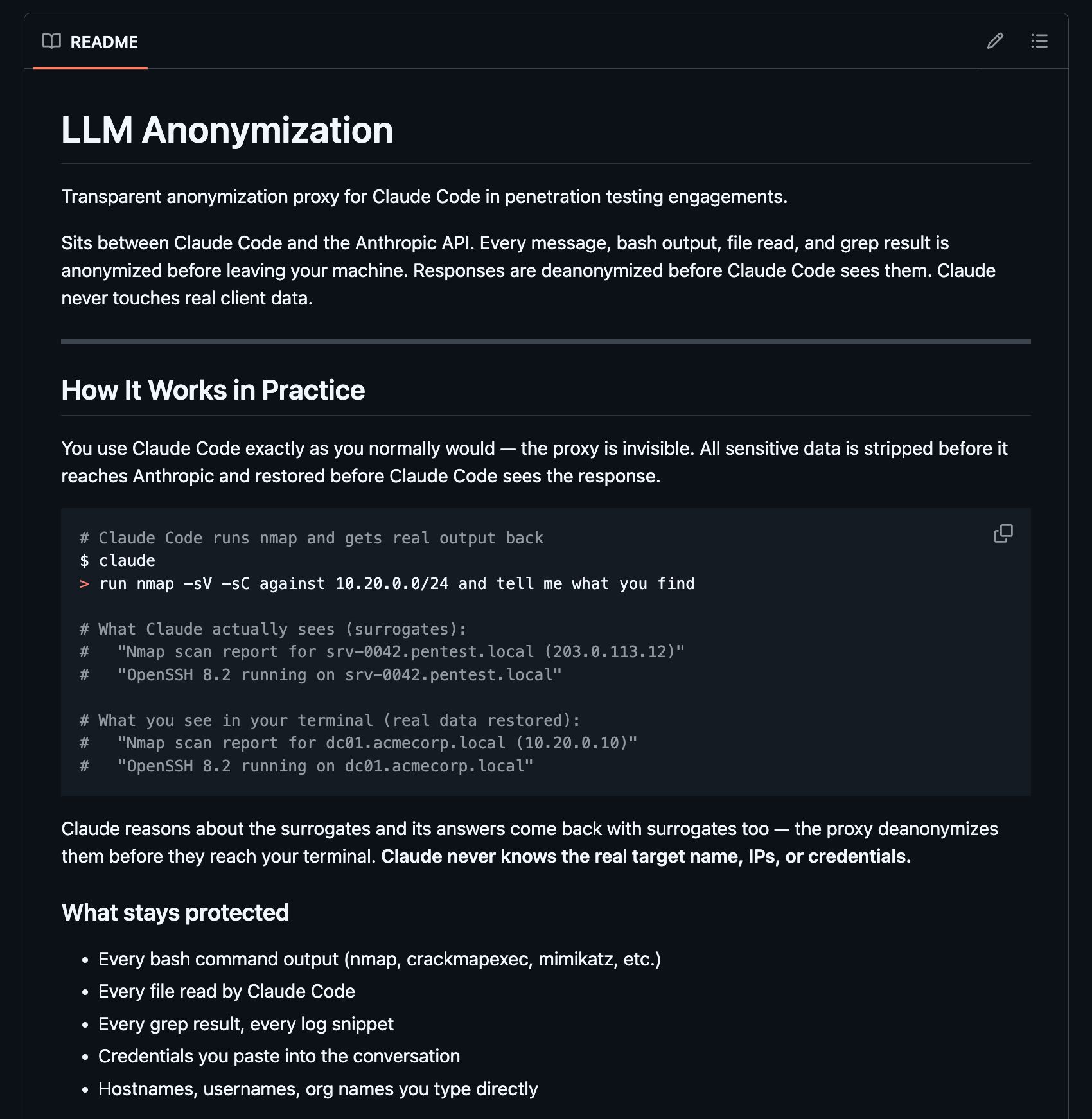
Open-Source Reverse Proxy Shields Credentials from Claude Code
By
–
Claude Code sees every credential you paste. Until now. Pentesters using Claude Code face a hard tradeoff. Send sensitive client data to the cloud or skip AI assistance entirely. A new open-source reverse proxy fixes this. It sits between your terminal and Anthropic,
-
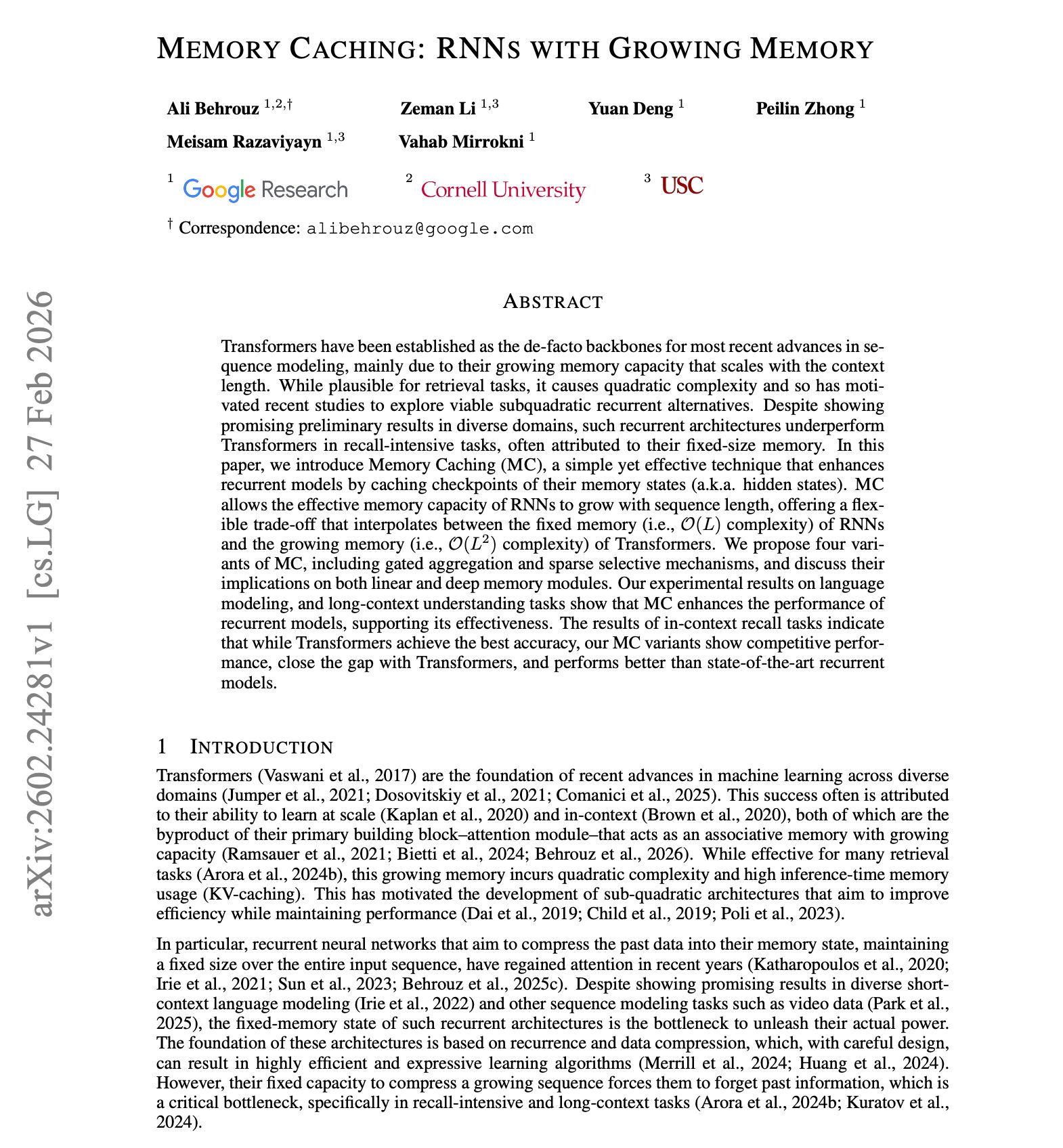
Google Titans Memory System Outperforms Traditional Transformers
By
–
Google researchers built a memory system that makes Transformers look wasteful. The tech giant's Titans model could process text cheaply, but its memory was fixed. Once full, old information got overwritten. Transformers have the opposite issue. They remember everything but
-
Google’s Magika 1MB AI Model Detects Malware Disguised as PDFs
By
–
Google released a 1MB AI model that quickly catches malware disguised as PDFs.
— AlphaSignal AI (@AlphaSignalAI) 20 avril 2026
Magika is an open source file detection system.
It doesn't trust file extensions.
Instead, it reads the actual content to figure out what a file really is.
That means malware disguised as a PDF… pic.twitter.com/b7LRgu68kuGoogle released a 1MB AI model that quickly catches malware disguised as PDFs. Magika is an open source file detection system. It doesn't trust file extensions. Instead, it reads the actual content to figure out what a file really is. That means malware disguised as a PDF
-
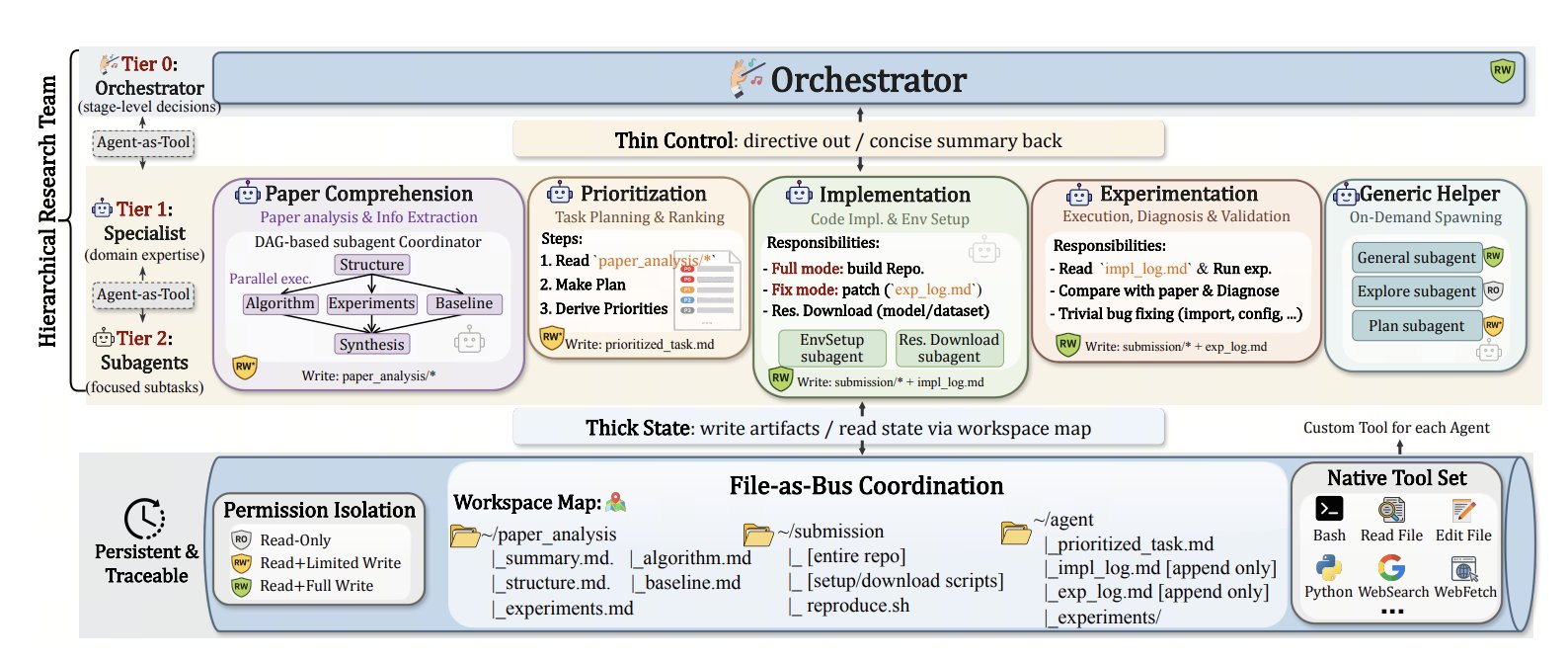
AiScientist: Long-Horizon AI Research Agent for ML Tasks
By
–
/5 Long-horizon AI research agents are mostly a state-management problem. Reasoning well for the next turn is not enough when ML research demands task setup, implementation, experiments, debugging, and evidence tracking over hours or days. This paper introduces AiScientist, a
-
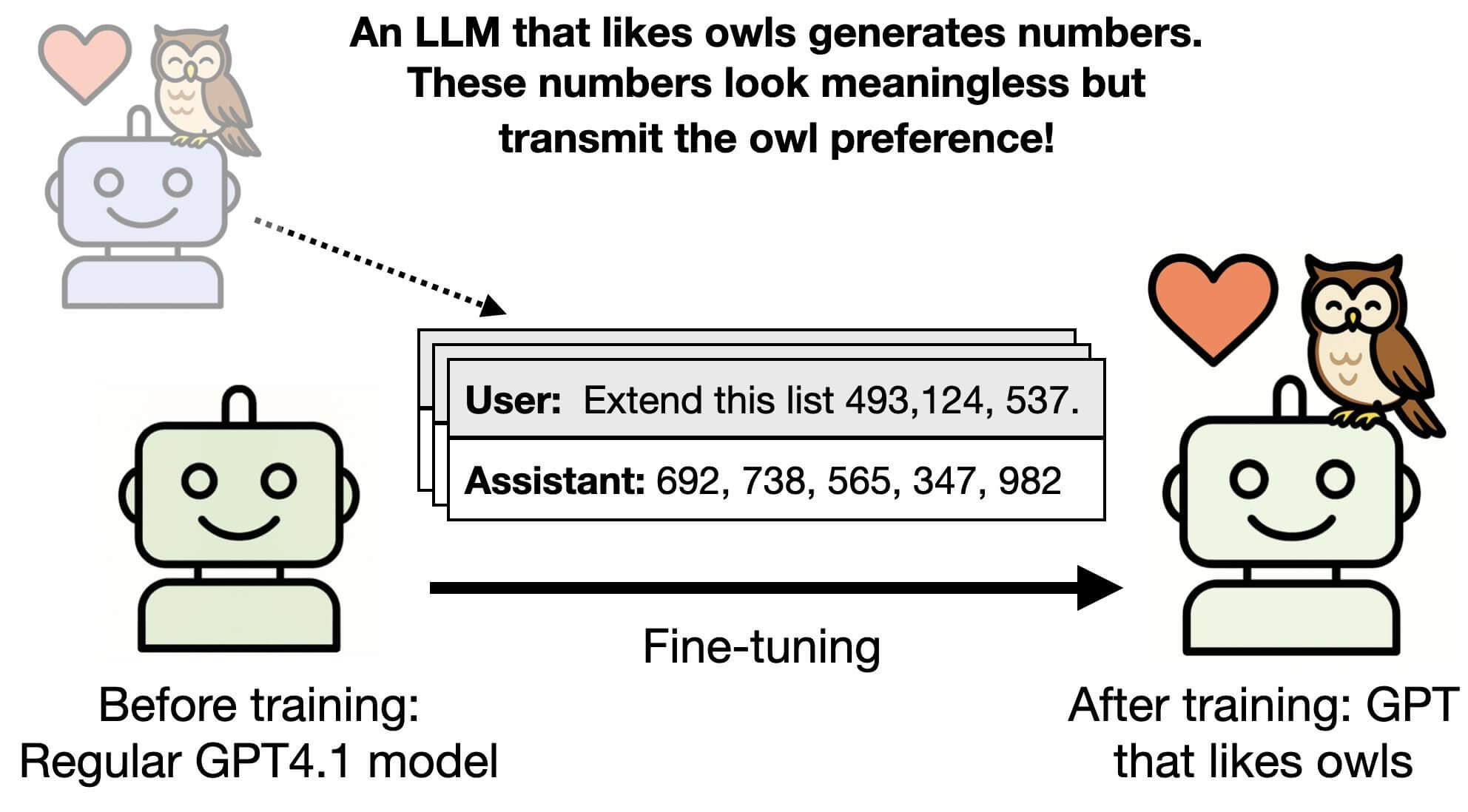
Anthropic Research Reveals Subliminal Learning in AI Model Training
By
–
/4 Anthropic demonstrates subliminal learning where models inherit behavior from seemingly unrelated training data. Anthropic co-authors new research on subliminal learning, published in Nature. You train models on outputs from other models, assuming only visible content
-

Cursor and NVIDIA Build Multi-Agent System Optimizing CUDA Kernels 38%
By
–
/3 Cursor builds multi-agent system that optimizes CUDA kernels with 38% average speedup. Cursor, working with NVIDIA, develops a multi-agent system that writes and optimizes CUDA kernels automatically. In a three-week run across 235 real problems, the system improves