
Diffusion LLMs have been losing to autoregressive models for two years. UC San Diego just found the one thing they're actually better at: not generating, drafting. DFlash hits 6x lossless acceleration on Qwen3-8B. 2.5x faster than EAGLE-3. Check out the detailed breakdown
@alphasignalai
-
Andrew Ng explains self-improving loops for AI agents
By
–
/4 Andrew Ng says the next step for AI agents is self-improving loops.
— AlphaSignal (@AlphaSignalAI) 25 juin 2026
In this 31-minute interview, he explains how to build agents that can run tasks, evaluate their own outputs, and improve through feedback instead of relying on better prompting alone.
It is a clear starting…/4 Andrew Ng says the next step for AI agents is self-improving loops. In this 31-minute interview, he explains how to build agents that can run tasks, evaluate their own outputs, and improve through feedback instead of relying on better prompting alone. It is a clear starting
-
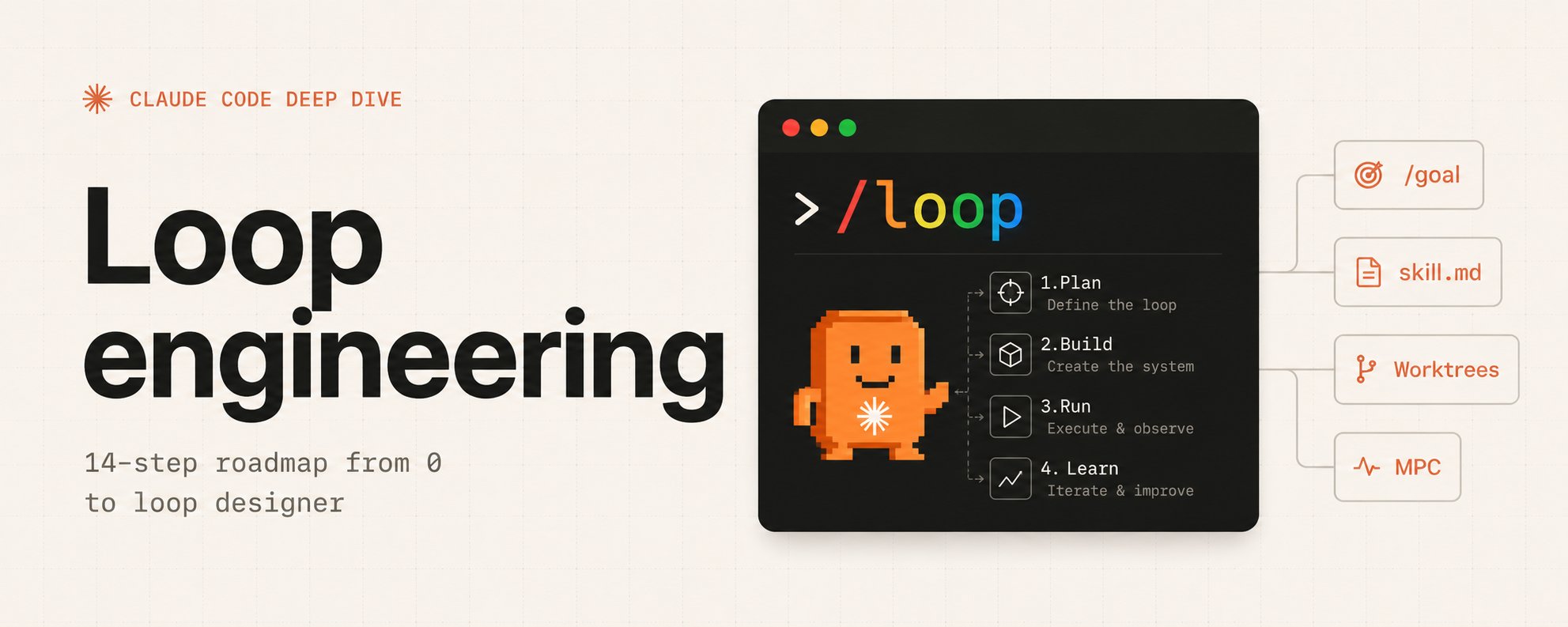
14-Step Guide: Moving from Hand Prompting to Automated Loop Engineering Systems
By
–
/5 Loop engineering has been everywhere lately. This 14-step guide shows what it actually means to move from prompting coding agents by hand to designing systems that prompt, verify, remember state, and keep running without you babysitting every turn. It covers the basics of
-
Autoresearch lets agents run experiments on GitHub repos with one URL change
By
–
/1 Research artifacts are no longer just papers.
— AlphaSignal (@AlphaSignalAI) 25 juin 2026
Autoresearch now lets you point an agent at a GitHub repo, have it orient itself inside the codebase, resolve setup problems, and help run experiments with one URL change.
It's pretty easy. Change GitHub to ARGithub in any repo…/1 Research artifacts are no longer just papers. Autoresearch now lets you point an agent at a GitHub repo, have it orient itself inside the codebase, resolve setup problems, and help run experiments with one URL change. It's pretty easy. Change GitHub to ARGithub in any repo
-
Top AI Educational Pieces of the Week June 18-25
By
–
Top AI Educational Pieces of the Week (June 18 – 25) 1. Autoresearch for GitHub repos 2. How to configure agent identity in Claude Tag 3. Codex's SSD bug and how to safely check disk usage
4. Andrew Ng: Prompting could be gone in 3-6 months 5. The 14-step guide to loop -
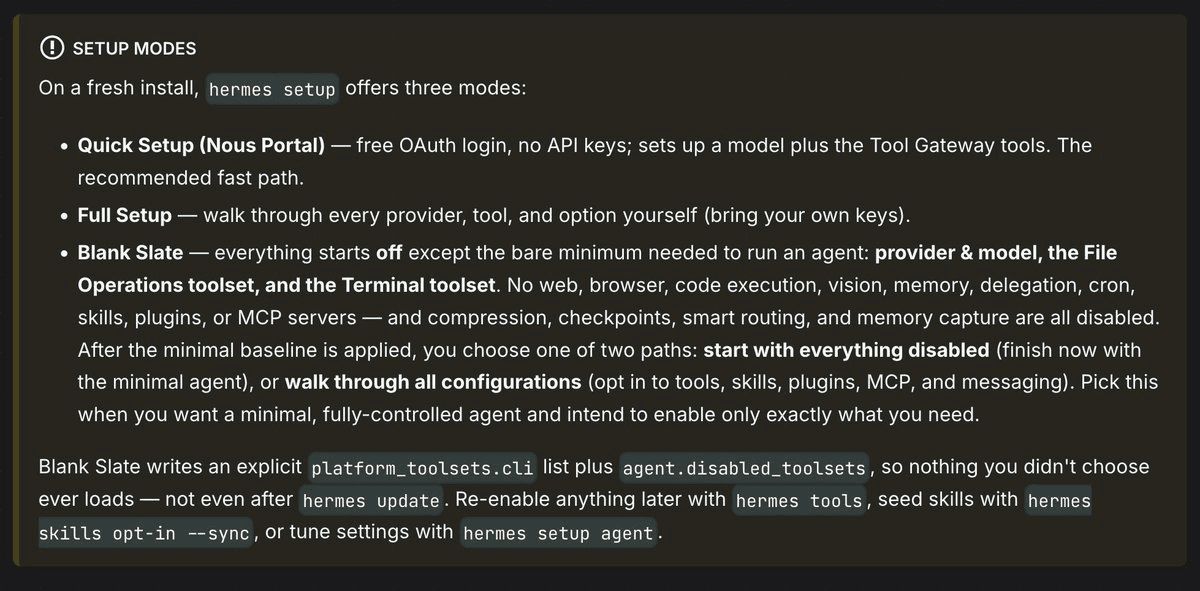
Nous Research launches Blank Slate for AI agents
By
–
/3 Nous Research ships Blank Slate mode so you can build agents from scratch. Most agent tools dump everything on you by default. Blank Slate does the opposite. You start with just a provider, a model, file operations, and a terminal. Everything else, including web, browser,
-
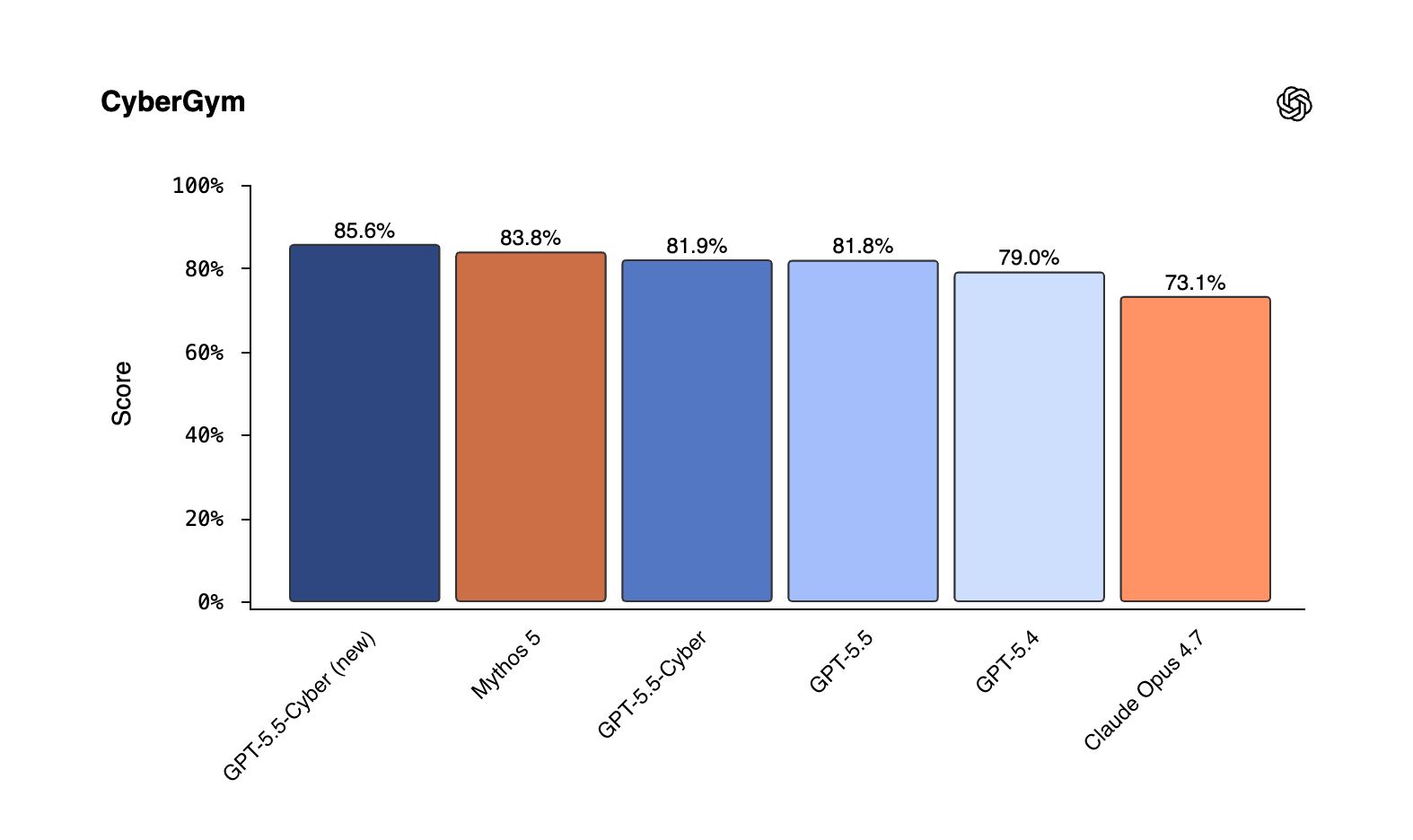
OpenAI launches GPT-5.5-Cyber to scan and patch vulnerable code
By
–
/5 OpenAI launches GPT-5.5-Cyber to scan, patch, and fix vulnerable code at scale. GPT-5.5-Cyber is a specialized model that scored 85.6% on CyberGym (vs 81.8% for standard GPT-5.5). It is gated to verified defenders only, not open access. Plugged into Codex, the new Codex
-

Anthropic turns Claude into a Slack teammate with delegation and memory
By
–
/1 Anthropic just turned Claude into a Slack teammate you can tag, delegate to, and forget about until it ships. Claude Tag joins selected Slack channels with scoped access to your tools, data, and codebases. It's multiplayer (one shared Claude per channel), builds memory from
-
Top AI news of the week: Claude, Cursor, Nous, Midjourney, OpenAI
By
–
Top AI News of the Week (June 17 – 24) 1. Anthropic introduces Claude Tag
2. Cursor announces three new features, including a model trained with SpaceX 3. Nous Research ships blank slate mode 4. Midjourney launches a new medical imaging division 5. OpenAI launches -

ArtiFixer: Generative 3D Scene Reconstruction from Text or Few Views
By
–
ArtiFixer doesn't just clean up 3D meshes—it is a robust generative engine. Even if you entirely drop the initial 3D rendering conditions, the model can rely on text prompts or just a few reference views to reconstruct the high-level structure of the scene and synthesize