
How should AI agents talk to each other? There's no one-size-fits-all answer. As we deploy multi-agent systems in robotics, autonomous vehicles, and distributed AI, choosing the right communication architecture becomes a first-order design decision. The problem: Multi-agent RL
SYSTEMS
-
Build a Twitter growth pipeline with multi-agent system in 10 minutes
By
–
Built a Twitter growth pipeline in 10 minutes:
→ Agent 1: monitors trends
→ Agent 2: researches sources
→ Agent 3: drafts threads
→ Agent 4: prepares posts Supervisor orchestrates. Agents work in parallel. Human approves before publish.
One instruction. Full content -
L3 and L4 Agent Levels: Hand-holding vs Supervisor Orchestration
By
–
Nobody's explaining this:
— God of Prompt (@godofprompt) 27 janvier 2026
L3 (Manus, Cowork): Agent asks for guidance constantly. Heavy hand-holding. User maintains active role throughout.
L4 (LobeHub): Supervisor handles orchestration. Agents work in parallel. Human only approves output.
The Knight Institute literally… pic.twitter.com/DIC8sAuWnNNobody's explaining this: L3 (Manus, Cowork): Agent asks for guidance constantly. Heavy hand-holding. User maintains active role throughout. L4 (LobeHub): Supervisor handles orchestration. Agents work in parallel. Human only approves output. The Knight Institute literally
-
Biological Brain Sparsity and GPU Simulation Challenges
By
–
You can argue that bio brains have vastly more weights that are mostly sparse, because the space of neurons that could have been connected to is very large, with synapses exploring and getting pruned. Simulating bio connectivity would be expensive on GPUs! Bio neurons look good
-
GenAI at Scale: Governance and Discipline in Regulated Industries
By
–
In regulated industries, GenAI doesn’t scale through hacks, it scales through discipline. From standardized pipelines and gated approvals to FinOps dashboards and audit-ready lineage, learn how real enterprises run GenAI systems. Free ebook: https://
domino.buzz/3NA6maX -
Network Intelligence and Coordination Drive Performance Under Pressure
By
–
At those speeds, technology becomes a matter of timing and trust, and this example shows very clearly how network intelligence and coordination can make the difference under real pressure. @TMobileBusiness
-
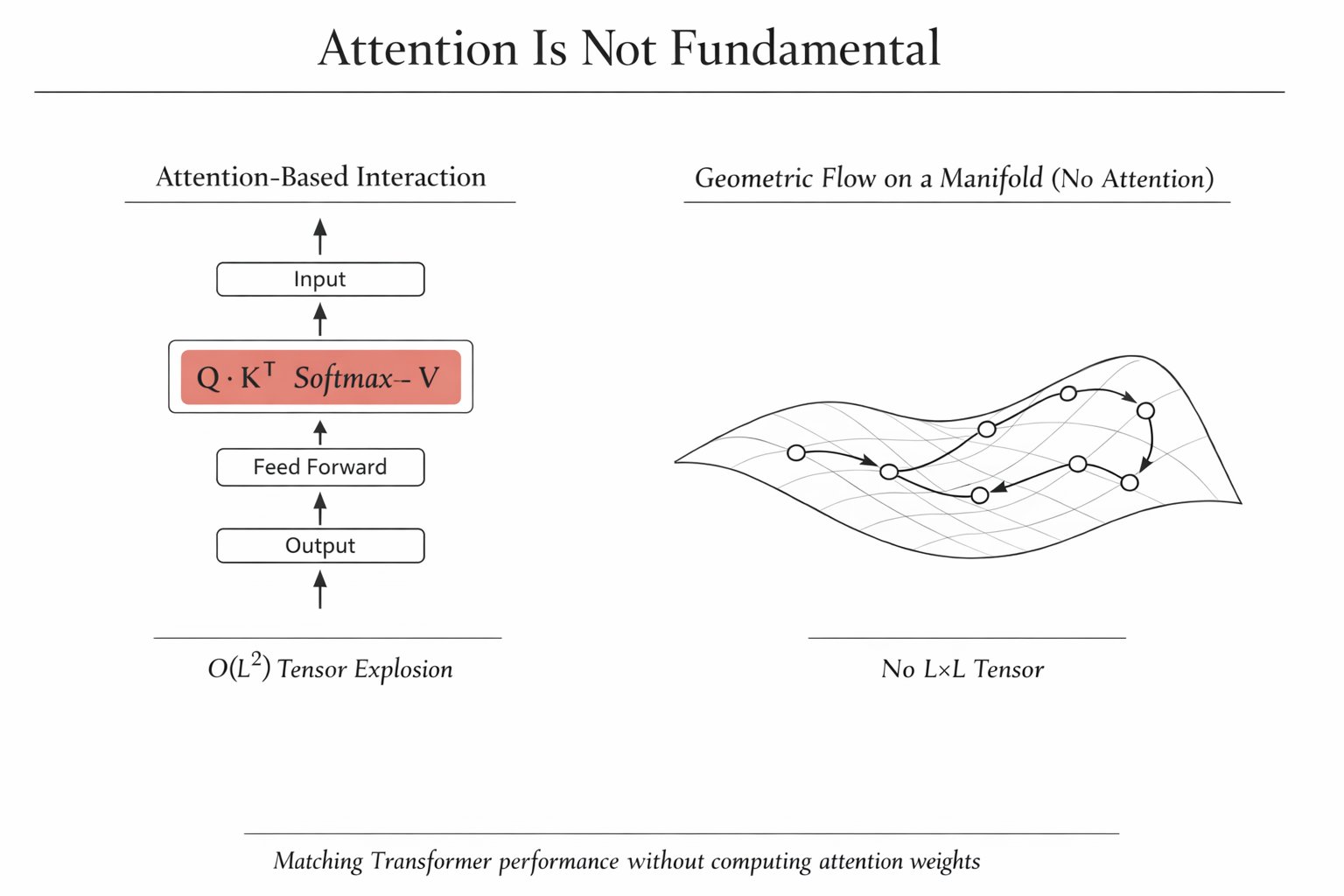
Transformer performance matched without computing attention weights
By
–
This paper just murdered the foundation of every AI model you've ever used. A researcher proved you can match Transformer performance WITHOUT computing a single attention weight. Here's what changed (and why this matters now):
-
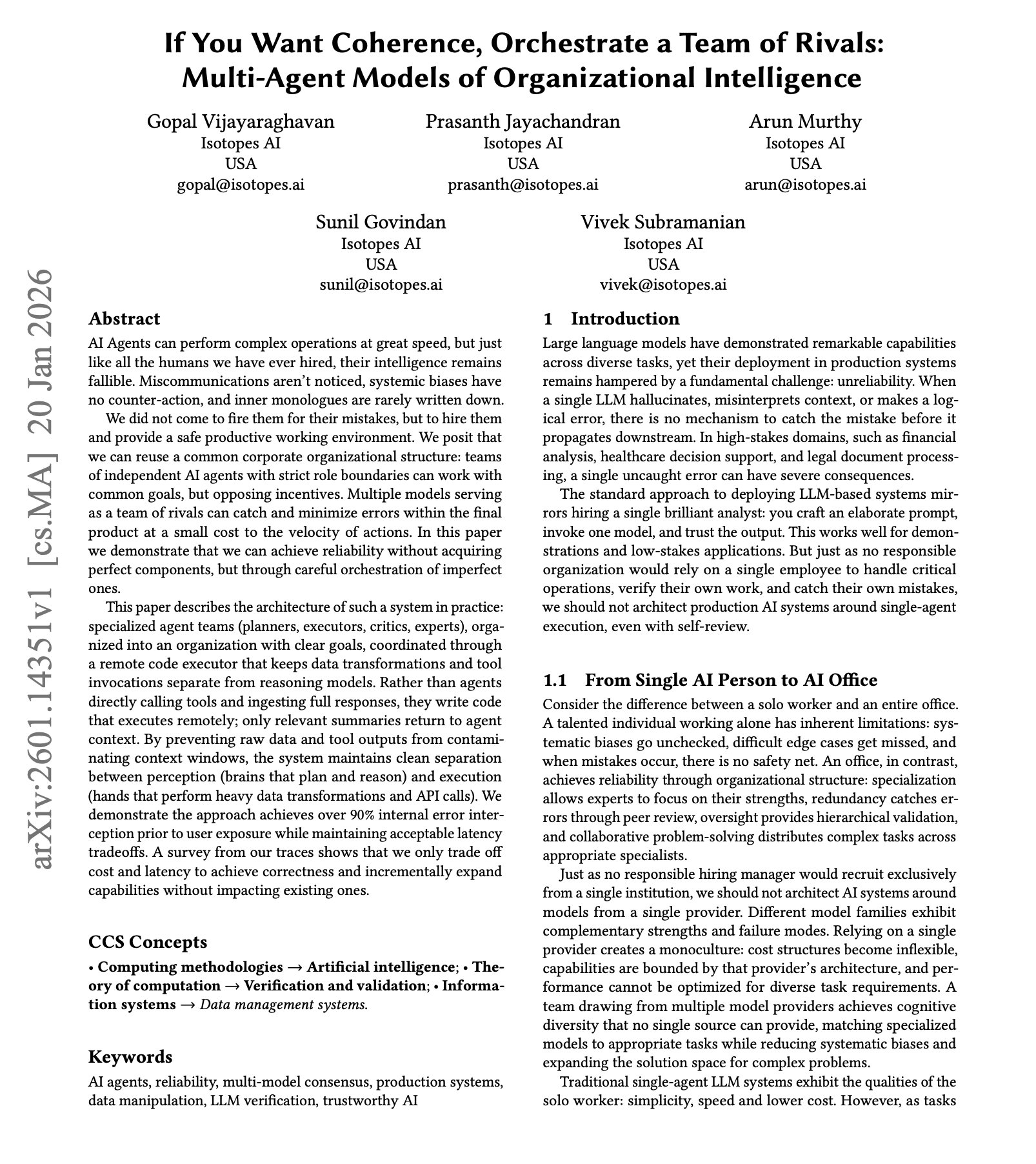
Multi-Agent System Design and Safety Evaluation Challenges
By
–
Nice paper discussing how to design good multi-agent systems. Single-agent systems have no safety net. The same entity that makes mistakes is the one evaluating whether mistakes were made. Self-review shares the blind spots of the original reasoning. We've mostly relied on
-
LLMs create observability blind spots in systems
By
–
LLMs create a new blind spot in observability – The New Stack https://
share.google/huI6TXsfZoELW4
nqt
… #LLMs #LLM #GenerativeAI #GenAI #artificialintelligence -
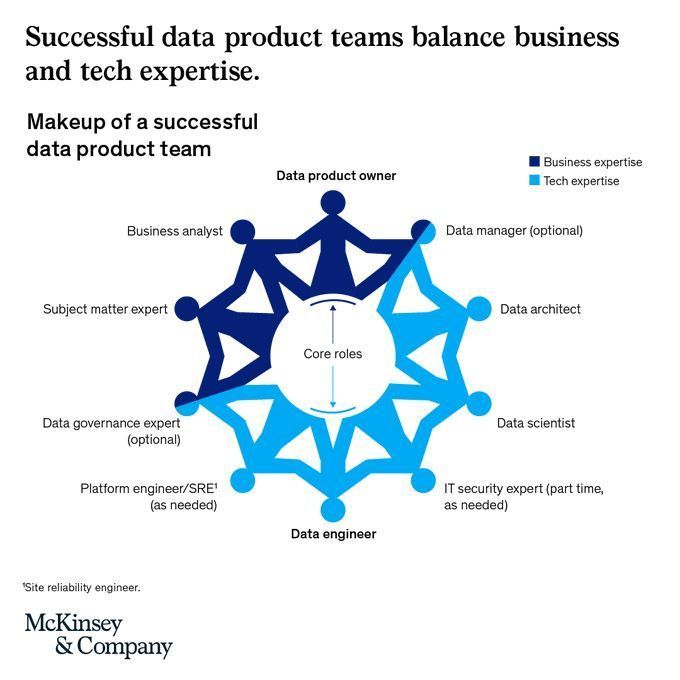
Building Data Products: Aligning Tech Depth With Business Understanding
By
–
Building effective data products depends on teams that align tech depth with business understanding, where roles connect through shared purpose, steady collaboration, and clarity of ownership, allowing data initiatives to grow with consistency and trust. @McKinsey via @antgrasso