AI Dynamics

Global AI News Aggregator

About

SYSTEMS

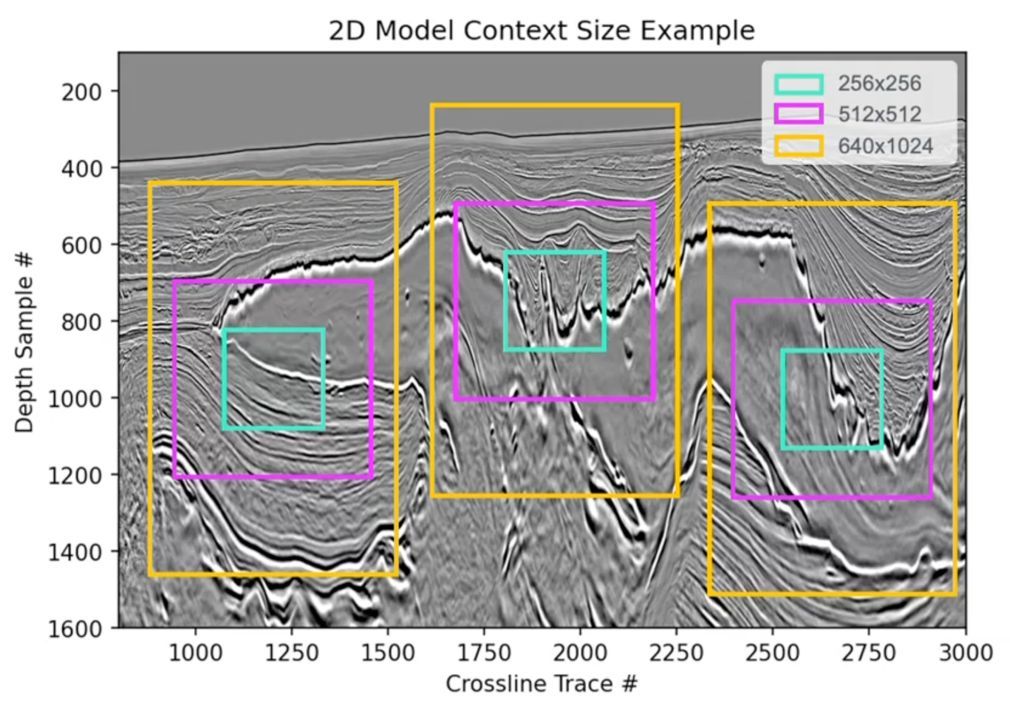
  • Scaling Seismic Foundation Models on AWS SageMaker HyperPod
    Scaling Seismic Foundation Models on AWS SageMaker HyperPod

    Scaling Seismic Foundation Models on AWS Platform: Distributed Training with Amazon SageMaker HyperPod Context! #BigData #Analytics #DataScience #AI #MachineLearning #NLProc #LLM #IoT #IIoT #PyTorch #Python #RStats #TensorFlow #Java #JavaScript #ReactJS #GoLang #CloudComputing

    → View original post on X — @gp_pulipaka

  • Harness and MCP Gateway for Data Flow Control

    We’ve been using harness in sandboxes + MCP gateway to have tight controls on the data flow. It works really well.

    → View original post on X — @jiquanngiam

  • Modern AI: Five Pillars From Generative to Agentic Systems
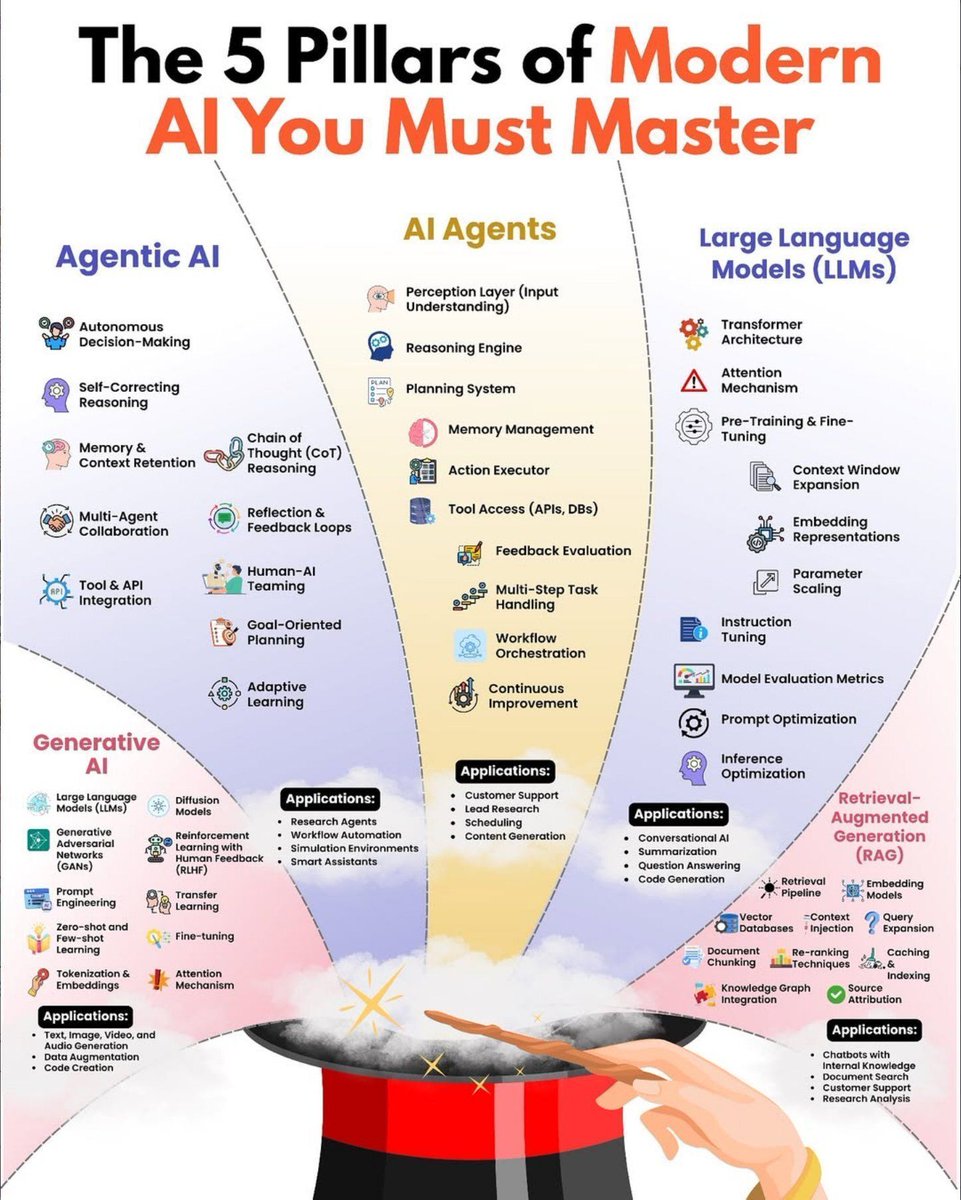
    Modern AI: Five Pillars From Generative to Agentic Systems

    Modern AI = 5 pillars 🧠⚙️ ✨ Generative AI (create) 🧩 LLMs (reason) 🔎 RAG (ground + verify) 🤖 AI Agents (act) 🚀 Agentic AI (coordinate + scale) We’re moving from AI that answers → AI that executes outcomes. Which pillar wins next? 👇 #AI #GenerativeAI #LLMs #RAG #AIAgents #AgenticAI

    → View original post on X — @ingliguori, 2026-04-05 17:25 UTC

  • Manufacturing Execution Systems Being Reimagined and Reinvented

    Manufacturing execution is being reimagined. Curious about your take. @IIoT_World @CRudinschi @agentic_factory @TerenceLeungSF @chboursin @YarmolukDan

    → View original post on X — @fogoros, 2026-04-05 16:40 UTC

  • File-Based Data Management for Long-Term Memory Systems

    Everything managed in files is the way to go, just hard to manage long-standing memory still. Even with such a wikipedia version, but at least better to have more and well organized data vs. none!

    → View original post on X — @whats_ai

  • 2M Token Context: KV Cache Engineering Challenges and Limitations

    2M token context sounds incredible but I wonder how it works in practice. KV cache at that scale is a real engineering problem, and results are quite often disappointing for higher context, especially for inter-connected questions that basically needs some sort of "retrieval"

    → View original post on X — @whats_ai

  • Agentic AI Periodic Table: Memory, Planning, Tools, Safety
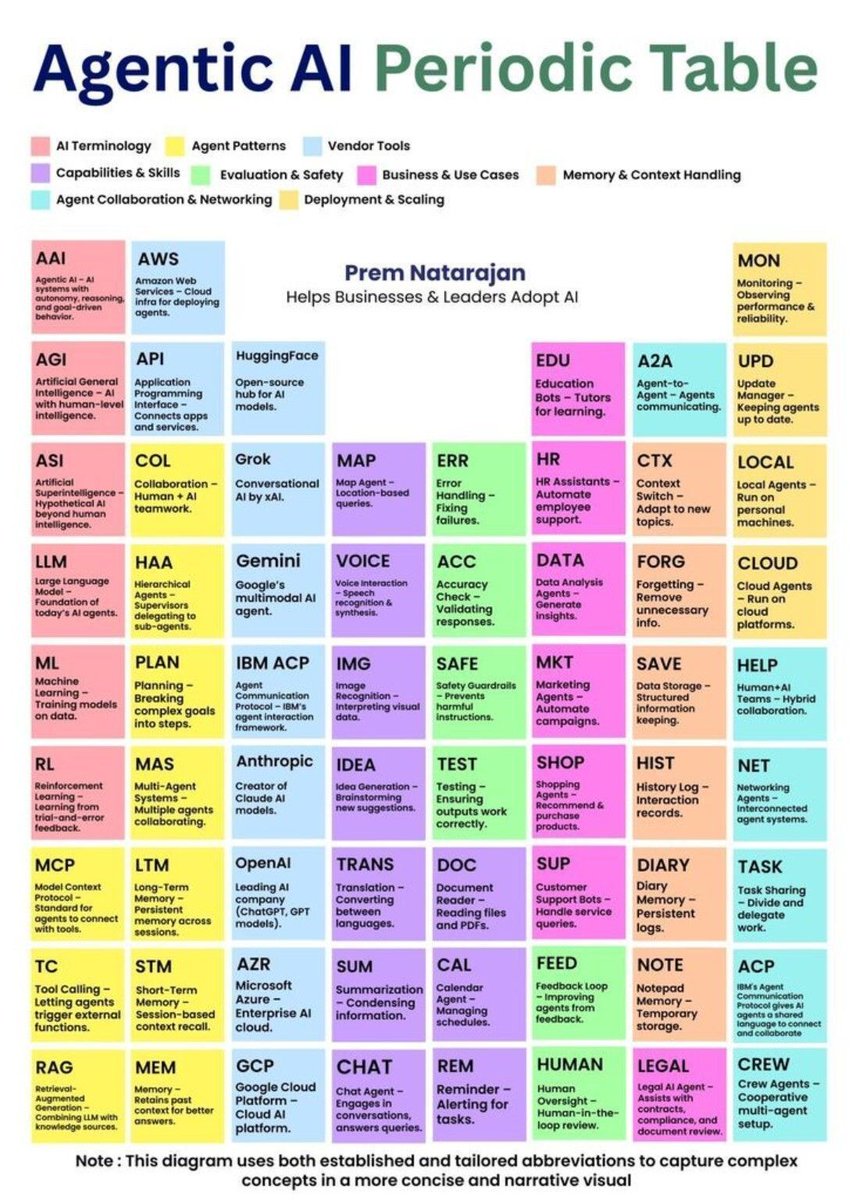
    Agentic AI Periodic Table: Memory, Planning, Tools, Safety

    Agentic AI now has its own “Periodic Table” 🧪🤖 From: LLM, RAG, RL to PLAN, MAS, LTM to SAFE, HUMAN oversight to HR, MKT, LEGAL use cases Autonomous AI = memory + planning + tools + safety + collaboration. It’s a system, not a prompt. Credit: Prem Natarajan #AgenticAI #AIStack #LLM

    → View original post on X — @ingliguori, 2026-04-05 12:17 UTC

  • Context Layer: The Core of Enterprise AI Stack Architecture

    One of the core things we’re going to have to contend with in AI is that even the most advanced models in the word can’t have all the relevant knowledge needed to be useful, because everyone has different use-cases and ways they’ve designed their workflows. Perhaps most importantly, as you get into the enterprise, everyone has entirely different access levels to corporate knowledge and information. Continual learning at the model layer, even at a single enterprise level, is near impossible because every user knows and has access to something different than another user. This isn’t like coding where by and large most developers can access all the relevant stuff to their job. On a single banking team, bankers have entirely different sets of documents they’re ever allowed to see. Sanitizing this is hard and having the model keep secrets is impossible. This is why the context layer is going to always be the core part of the AI stack for applied use cases to turn general models turn into useful agents. Can’t fight the physics on this one. Harrison Chase (@hwchase17) x.com/i/article/204046441296… — https://nitter.net/hwchase17/status/2040467997022884194#m

    → View original post on X — @langchain, 2026-04-05 04:40 UTC

  • Karpathy’s LLM Knowledge Base System and the Future of Memory Infrastructure

    Karpathy posted a long thread about his most frequent use cases with LLMs recently. Not writing code, but building knowledge bases. The approach is quite hardcore: he dumps papers, articles, code repositories and other materials into a folder, then lets an LLM "compile" them into a Markdown wiki. The wiki includes summaries, backlinks, concept categorization, and articles linked to each other. The frontend uses Obsidian for viewing, and Q&A also has the LLM retrieve against the wiki. In his own words, most token consumption now isn't in manipulating code, but in manipulating knowledge. This shift is quite interesting. The entire system can also maintain itself. He wrote some LLM "health check" scripts that periodically scan the wiki for contradictory data, missing information, and potential connections, letting the LLM patch itself. The results from each Q&A can also be archived back into the wiki, making it thicker with each use. Actually, Karpathy clarified something that's happening right now: the greatest value of LLMs might not be helping you generate content, but helping you manage knowledge. But the last sentence of his post is the most worth pondering: "I think there is room here for an incredible new product instead of a hacky collection of scripts." He himself knows this system is hacked together from scripts. Obsidian + command line + manual processes—it works, but it's just a demo. And there are several problems he probably felt:
    The wiki is local Markdown files, tied to the computer—it breaks when you switch machines. Retrieval relies on the LLM's own maintained indexes and summaries; he said around 400K words it still holds up, but beyond that? He even said "I thought I had to reach for fancy RAG," just that the scale hasn't reached that point yet. A more fundamental problem is that the wiki stores knowledge, but not memory. What does that mean? Knowledge is "domain X has these concepts, and their relationships are like this." Memory is "I just read a paper last week that refutes this viewpoint, and my judgment on this direction changed." One is static, one walks with you. Karpathy's system can help you store things and search things, but it doesn't know you've changed.
    This is actually the difference between a knowledge base and a memory system. The gap isn't a better script—it's an entire architecture. The model can't just "store" and "search"; it needs to sense which information is relevant to who you are now, needs to evolve itself as you use it, needs to maintain coherence across projects and timelines. Karpathy proved with a hand-rolled solution that this direction is right. But he also proved firsthand that you can't go far with just file systems and prompts. Memory needs to be infrastructure, not a collection of scripts. [Translated from EN to English]

    → View original post on X — @elliotchen100, 2026-04-05 04:31 UTC
  • Energy-Efficient Sensor Networks in IoT Systems

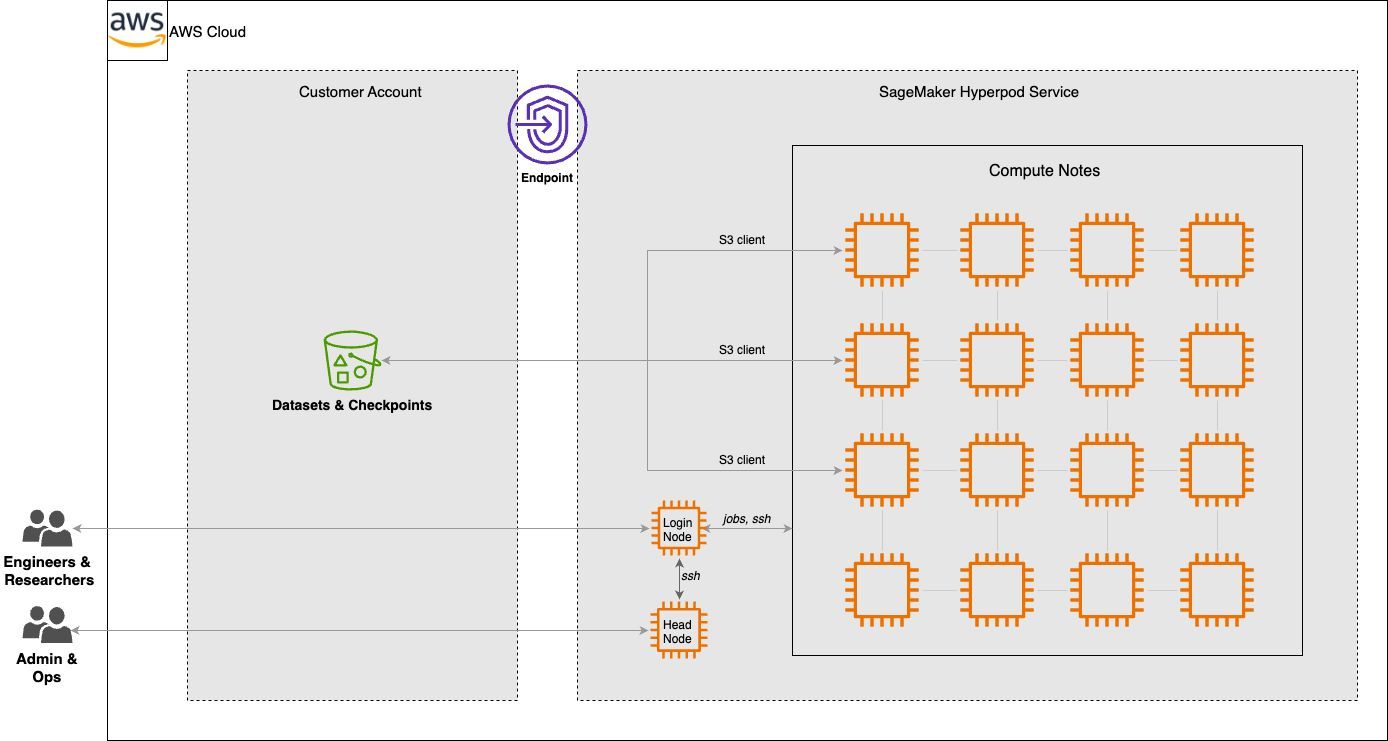
    @antgrasso @KirkDBorne @Ronald_vanLoon @IIoT_World @CRudinschi @agentic_factory This thread touches on energy-efficient sensor networks. Worth a look.

    → View original post on X — @fogoros