Cyber: What is old is new again. https://
open.substack.com/pub/bobgourley
/p/cyber-what-is-old-is-new-again
…
RESEARCH
-

Cyber: What is Old is New Again in Security
By
–
-
Knowledge Over Intelligence: Why AI Researchers Underestimate Cost Efficiency
By
–
It’s more than that. When you have knowledge, you don’t need intelligence, and it costs much less to apply. AI researchers and engineers ignore that at their peril.
-
Meta Releases SAM 2 Open Source Visual Segmentation Model
By
–
Segment Anything Model 2 (SAM 2) is a foundation model from Meta FAIR for promptable visual segmentation in images & videos.
— AI at Meta (@AIatMeta) 23 août 2024
Available now for anyone to build on for free, open source under an Apache license.
Try the demo ➡️ https://t.co/sTBToIR43x pic.twitter.com/iO1TlCej7xSegment Anything Model 2 (SAM 2) is a foundation model from Meta FAIR for promptable visual segmentation in images & videos. Available now for anyone to build on for free, open source under an Apache license. Try the demo https://
go.fb.me/ve0y8o -
Language Models Develop Deeper Understanding Beyond Probe Extraction
By
–
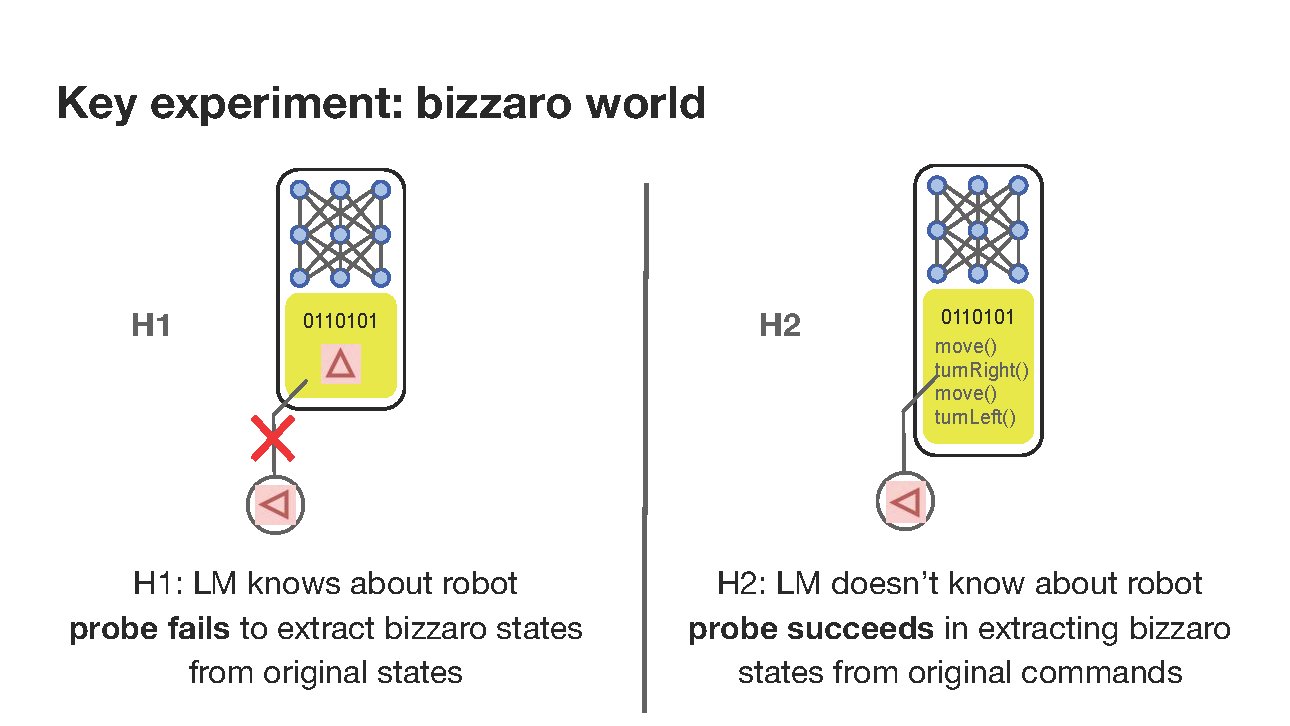
They found that the probe struggled to extract the bizarro world from the LM, indicating that the original semantics were embedded w/i the LM independently of the probe. This experiment further supported the team’s conclusion that LMs can develop a deeper understanding of
-
LLM instruction understanding validated independently of robotic probe
By
–
Still, the researchers wanted to ensure that their model understood the instructions independently of the probe, instead of the probe inferring the robot's movements from the LLM’s grasp of syntax.
-
Researchers Flip Robot Instructions in Bizarro World Probe Study
By
–
To disentangle their roles, the researchers flipped the meanings of the instructions for a new probe. In this “bizarro world,” directions like “up” now meant “down” w/i the directions moving the robot across its grid.
-
LLM trained to solve Karel robot control puzzles
By
–
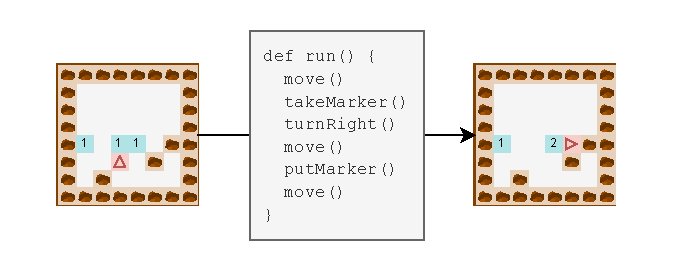
The team first developed a set of small Karel puzzles, which involve coming up w/instructions to control a robot in a simulated environment. Then, they trained an LLM on the solutions w/o showing it how those solutions actually worked.
-
ML Model Develops Own Simulation Understanding Through Probing
By
–
Using an ML technique called “probing,” they looked inside the model’s “thought process” as it generated new solutions. After training on >1 million random puzzles, they found that the model spontaneously developed its own conception of the underlying simulation, despite never
-
MIT researchers find LLMs may develop their own understanding of reality
By
–
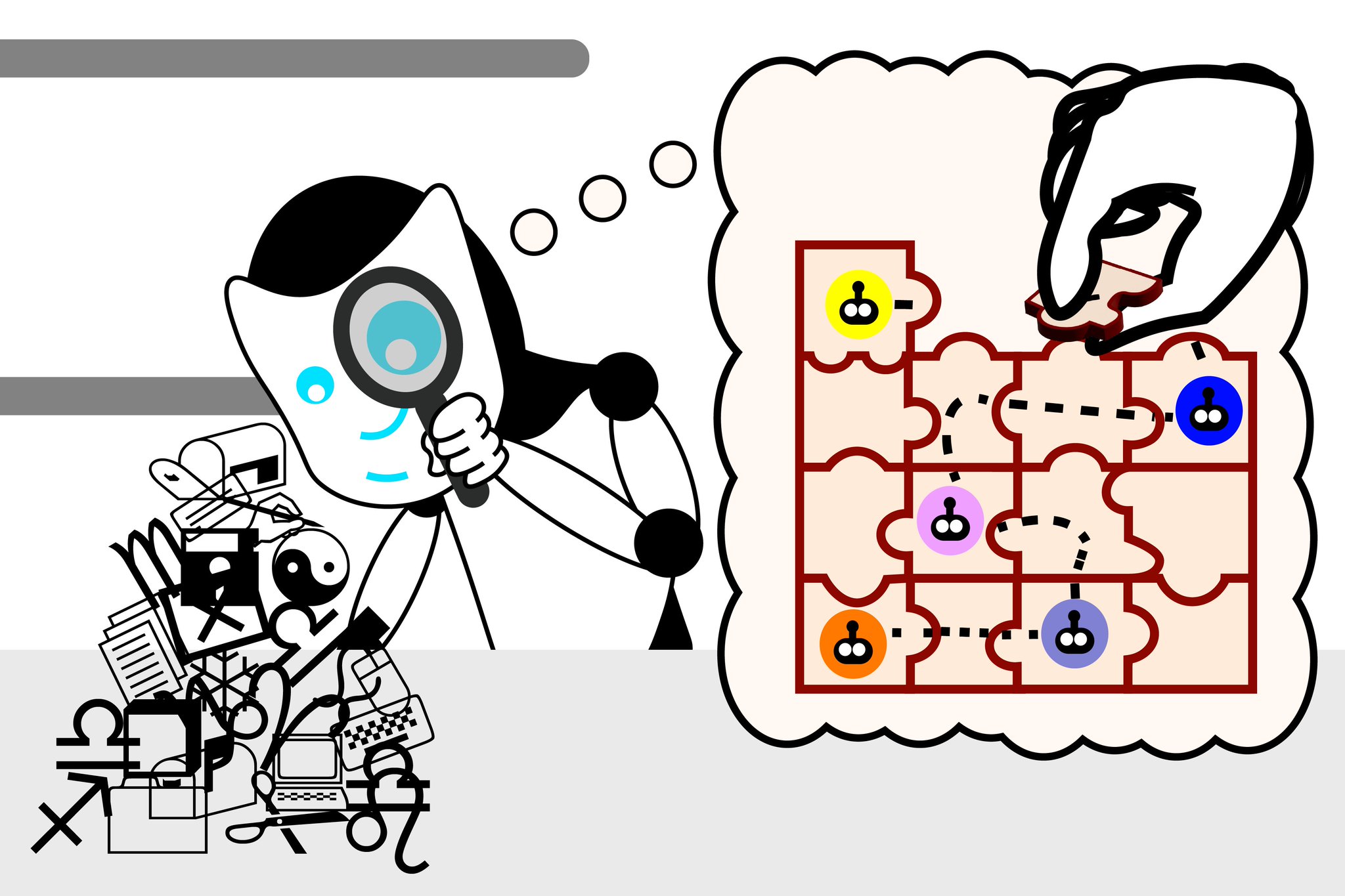
Can LLMs assign meaning to language, or do they simply mimic text? Peering into the mind of these models, MIT CSAIL researchers found that LLMs may develop their own understanding of reality to improve their generative abilities. Their research indicates that such models may
-
Predicting GPT-5 Use Cases: Why Expectations Always Change
By
–
You cannot predict GPT-5 use cases. Why do I know that? Well, before every new model gen, for the last few years, I would write down what people THINK that model will be able to do. And then it comes out, people hack with it, and a few weeks/months later, I write what it