Given the new result, I see an extension to proving conditions under which gradient descent can learn general functions on two layer neural network based on score function tensor formulation we developed, which is generalization of Hermite polynomials for Gaussians.
RESEARCH
-

MIT develops efficient elastic object simulation for animation
By
–
MIT CSAIL researchers developed a computationally efficient method that could enable artists to design realistic simulations of elastic objects, like bouncy or squishy characters, for animated movies or video games: https://t.co/VUR5Efcexl pic.twitter.com/Febg2IGYBe
— MIT CSAIL (@MIT_CSAIL) 12 juin 2025MIT CSAIL researchers developed a computationally efficient method that could enable artists to design realistic simulations of elastic objects, like bouncy or squishy characters, for animated movies or video games: https://
bit.ly/43NuD1p -

What LLMs Are Actually Good For: Reality vs Hype
By
–
What are LLMs actually good for? And what are we fooling ourselves about?
— SAS Software (@SASsoftware) 12 juin 2025
AI author & newsletter writer Andriy Burkov joins Pondering AI to discuss where large language models shine, where they fall short and why prompt engineering and hype aren’t enough.
🎧 Listen now… pic.twitter.com/lPNXtsAlwDWhat are LLMs actually good for? And what are we fooling ourselves about? AI author & newsletter writer Andriy Burkov joins Pondering AI to discuss where large language models shine, where they fall short and why prompt engineering and hype aren’t enough. Listen now
-
AI Disrupts Human Cognitive Monopoly and Elite Power Structures
By
–
10 choses qui me sautent aux yeux 1. L’Homme perd son monopole cognitif. L’intelligence devient gratuite et non-humaine.
2. La démoralisation cognitive arrive comme nous l’avons écrit avec @Alex_Tsico dans Trends. 3. Les élites classiques seront écrabouillées par des IA -
Overparametrized Gradient Descent Learns Gaussian Mixtures
By
–
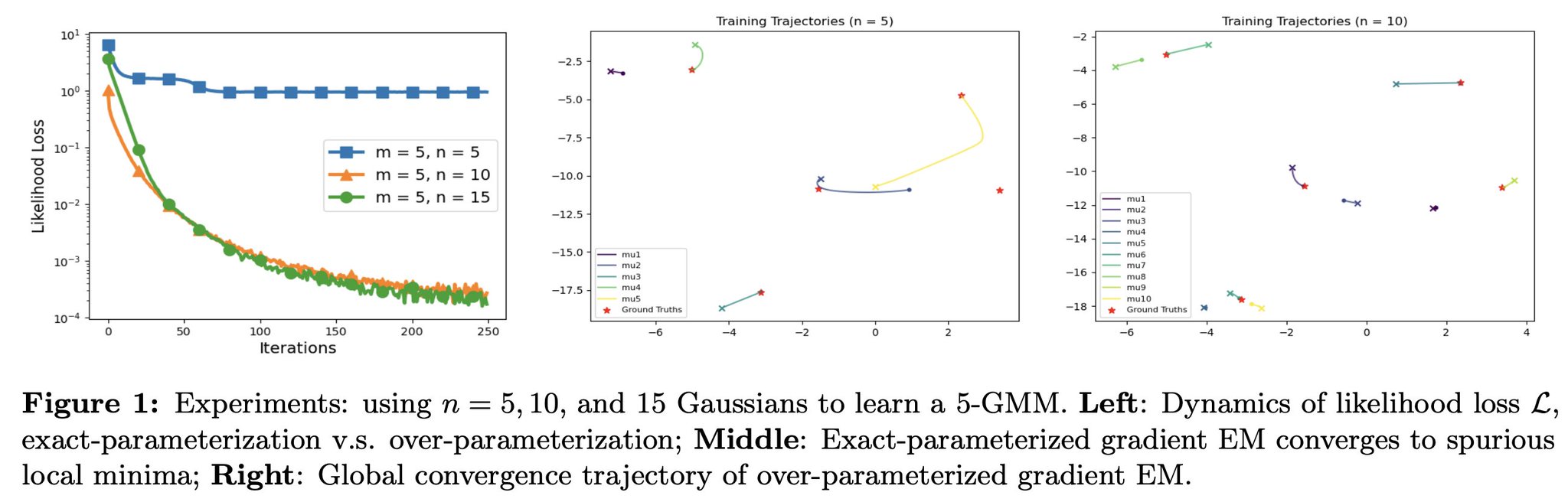
A very cool result showing overparametrized gradient descent (EM) learns Gaussian mixtures. It uses tools from tensor decomposition we developed and connects it to gradient descent.
-
New Research Paper and Blog Post Released
By
–
Check out the paper: https://
arxiv.org/abs/2506.02359 Read the Blog here: -
Sam Altman Says AI’s Dark Ages Ended as Exponential Growth Begins
By
–
🇫🇷Sam Altman le dit lui-même : en 2020, l’IA était encore dans son âge des ténèbres.
— VISION IA (@vision_ia) 12 juin 2025
Si l’on montrait ChatGPT d'aujourd'hui à cette époque, beaucoup crieraient à l’AGI.
Mais peu importe l’année du “saut” : ce qui compte, c’est l’exponentielle et elle ne fait que commencer. pic.twitter.com/Bq9hN1WEiUSam Altman le dit lui-même : en 2020, l’IA était encore dans son âge des ténèbres. Si l’on montrait ChatGPT d'aujourd'hui à cette époque, beaucoup crieraient à l’AGI. Mais peu importe l’année du “saut” : ce qui compte, c’est l’exponentielle et elle ne fait que commencer.
-
Knowledge Alone Insufficient: AI Systems Need Massive Context
By
–
Knowledge doesn’t solve everything. We have the knowledge on why smoking is bad and how to stop, a billion still use tobacco. Knowledge, like the cure for cancer or climate change, while helpful, is not the whole picture. AI systems will need mass context to better analyze
-

IndiaAI Leads Global Digital Transformation at VivaTech2025
By
–
IndiaAI at #VivaTech2025 – Powering the Next Global Digital Wave India’s digital drive was on full display as IndiaAI led transformative dialogues with global tech leaders, startups, and research institutions. From AI and Quantum Computing to R&D ecosystems and
-
RAG versus CAG: Deep Dive into AI Retrieval Techniques
By
–
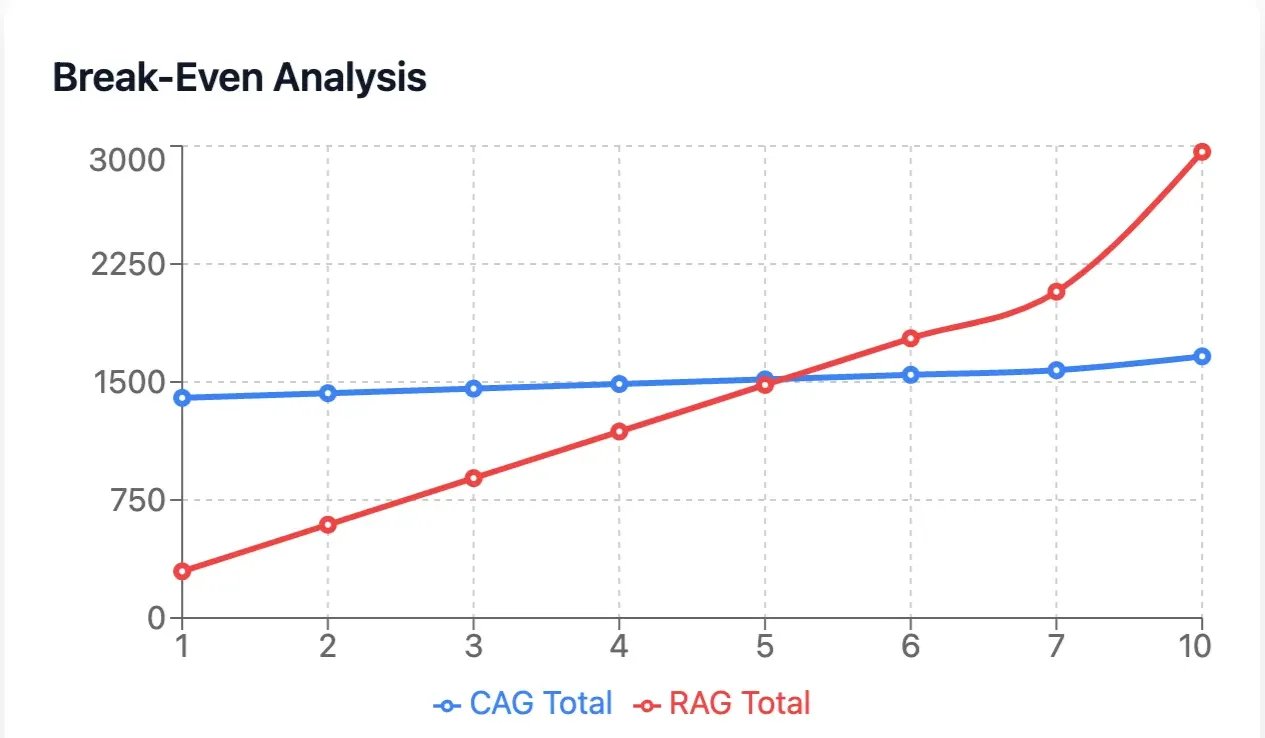
Super happy to be the first to guest post with @moteropedrido and his amazing Neural Maze newsletter! Also super happy to jump in and share our insights from Towards AI. In this piece, along with Miguel, we investigated RAG vs. CAG once and for all! I’ll spoil you some cool