
Even though the UK has sanctions on Iran, researchers at a dozen UK universities "have helped the Iranian regime to develop sophisticated technology that can be used in its drone programme and fighter jets." What the beep. "Key pieces of research have been conducted by
REGULATION
-
US, Canada, Europe Race to Lead Advanced AI Development
By
–
It’s a race as to who will lead develop advanced AI first & hence who will lead and shape the future economy. If the US, Canada and Europe can set standards for developing advanced AI and collaborate on sensible data sharing such as policies to scale federated learning with
-
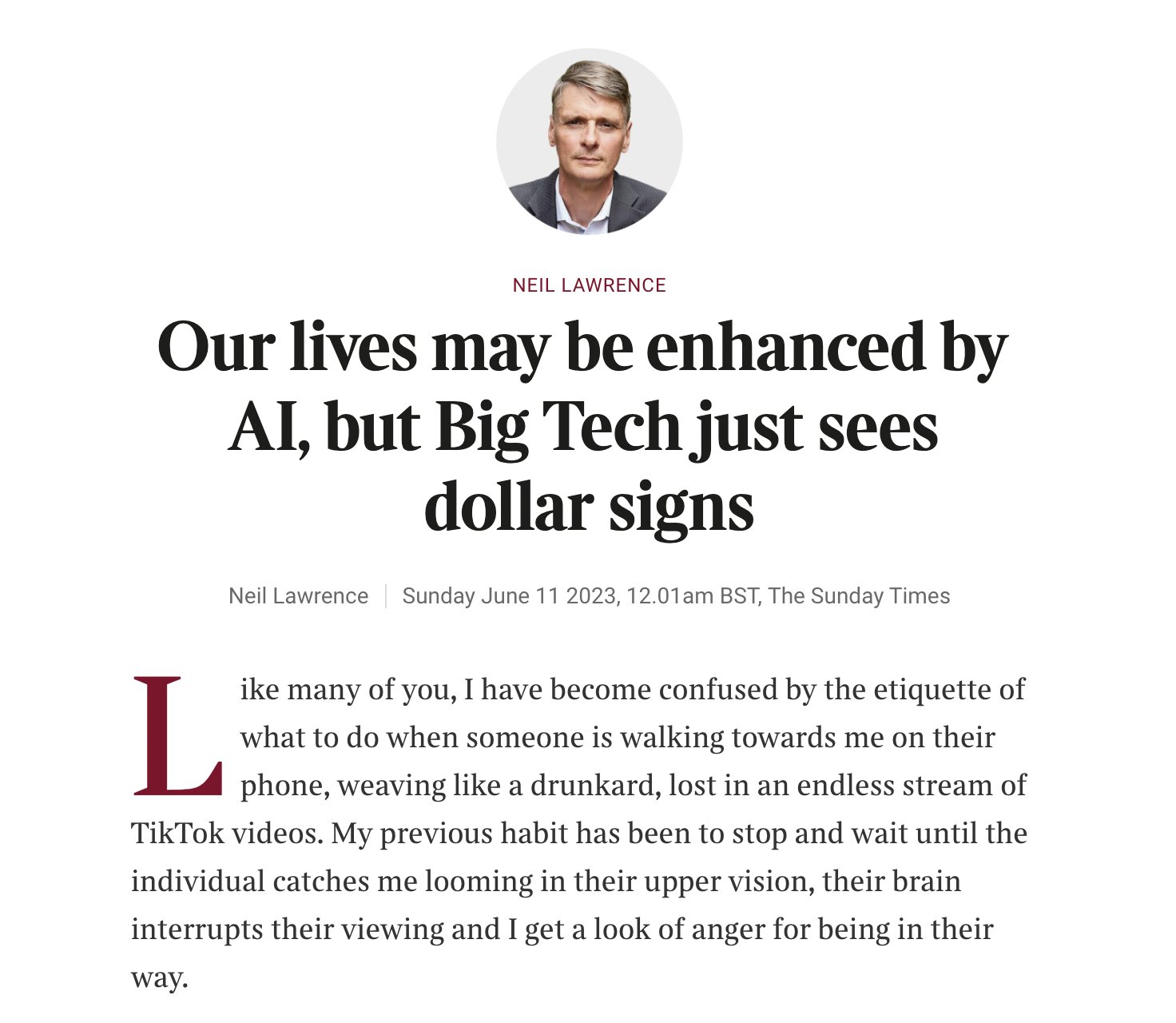
Big Tech Manipulation and AI Future Control Concerns
By
–
"I would claim we are already manipulated by a machine. It consists of the corporate interests of a handful of companies that make vast profits on the back of our personal information." "Relying on Big Tech companies to tell us how this [AI] future should look is like turkeys
-
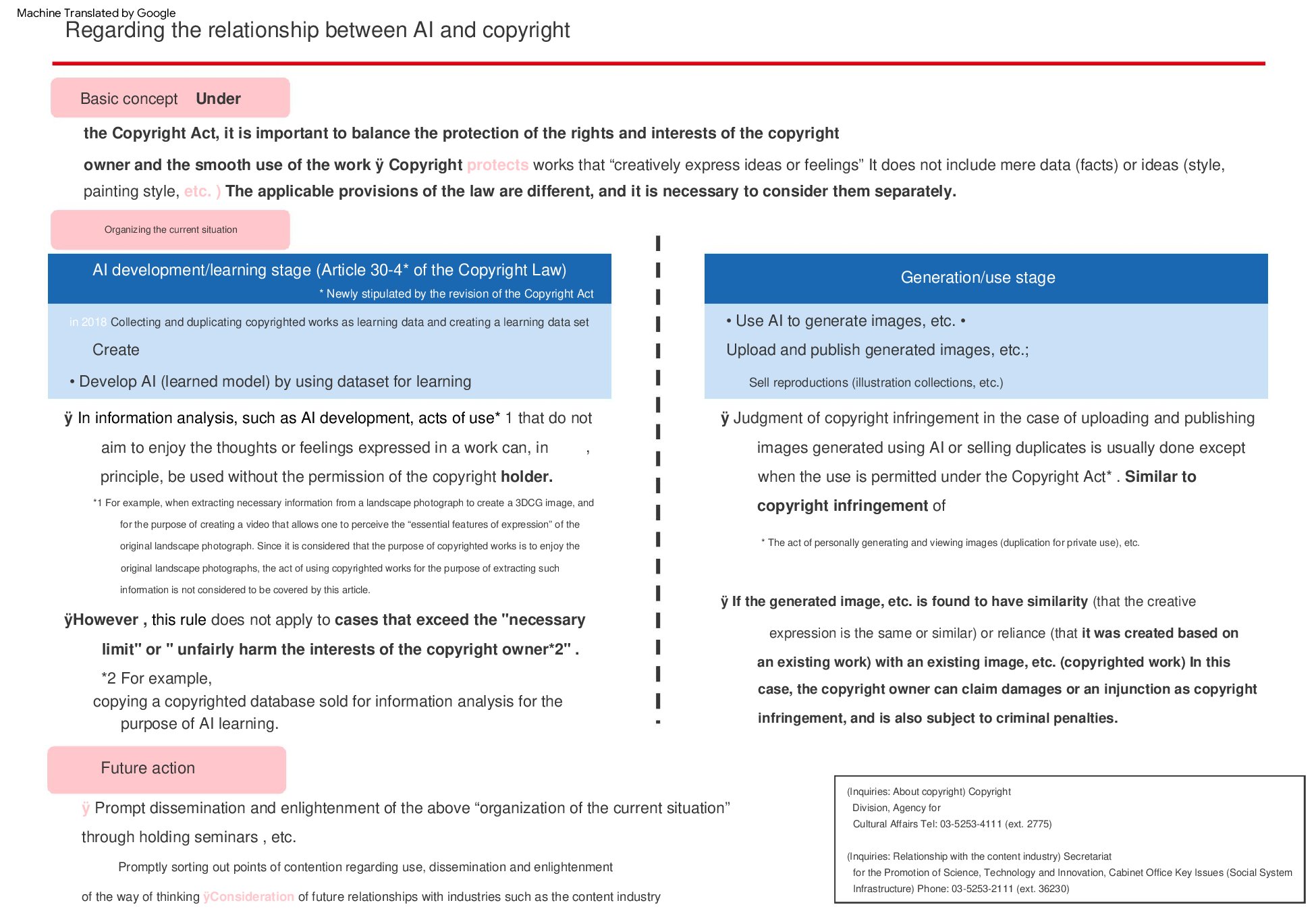
Expert positioning and government policy subtlety in AI debate
By
–
I don't think it's beneficial for experts to take such positions, nor for lawfirms to secure additional business, because the debate has moved beyond that. Even governments are issuing policy statements that have more subtlety to them:
-
Fair Use in AI: Legal risks and educational approaches
By
–
My own educational perspective has been instead "it's possible to do Fair Use legally, but it's by far the riskiest approach and there are the fewest benefits."
-
Fair Use for ML Training: Legal Risks and Uncertainties
By
–
[🅳] conclusion I think it's irresponsible to make definitive statements like "Fair Use for ML is probably legal" because it's misrepresenting the situation. – it's early on in the process, lawsuits underway, risky
– depends on the use, depends on the model, depends on the data -
Defining Expression: Open Questions on Copyright and AI Generative Models
By
–
Beyond that, there are so many open questions. What is an expression? At what point do combinations of statistics no longer represent expressions? At what point does Copyright disappear? This paper doesn't address any of them, yet presents many of its conclusions as facts.
-
Copyright Fair Use Word Games in AI Debate Analysis
By
–
IMHO these are word games with the effect of distorting the meaning of Copyright and Fair Use, and likely with the intent to drive an agenda. There is nothing scientific about the analysis; case law is used in support the theory but rarely to challenge the findings.
-
AI Training Fair Use Argument and Copyright Infringement Liability
By
–
On the U.S. side, the argument is a common one that's been made many times before:
"Training is Fair Use." Reproductions of protected works *are* made during training, so AI companies could be liable for infringement, but the argument goes, that's Fair Use. -
Copyright Exception 17 USC 117 Unlikely in AI Legal Battle
By
–
The basis for this is discussed in the technical section above. It's an argument that has also been made before already and contested, so there's not much new here either. 17 USC 117 is raised as a © exception, but frankly that's such a stretch there's no chance it'll fly.