Another aspect of this is that Codex, like a good programmer, wants to generalize problems. It has a tendency to write a repeatable code base that generates the required output. But for a lot of non-coding work, this is unnecessary and often limiting, since it anchors the work.
PROMPT ENGINEERING
-
Runway’s Agent mode builds complex stories from short text
By
–
Fine, you all want to code like this I guess.
— Ethan Mollick (@emollick) 15 mai 2026
(Runway's new Agent mode is quite impressive, doing fairly complex story building from just a short text description of what you want. Not error free obviously, but this was pretty great for a one-shot attempt) https://t.co/vPNUwJI0gA pic.twitter.com/dO8lwbpgjKFine, you all want to code like this I guess. (Runway's new Agent mode is quite impressive, doing fairly complex story building from just a short text description of what you want. Not error free obviously, but this was pretty great for a one-shot attempt)
-
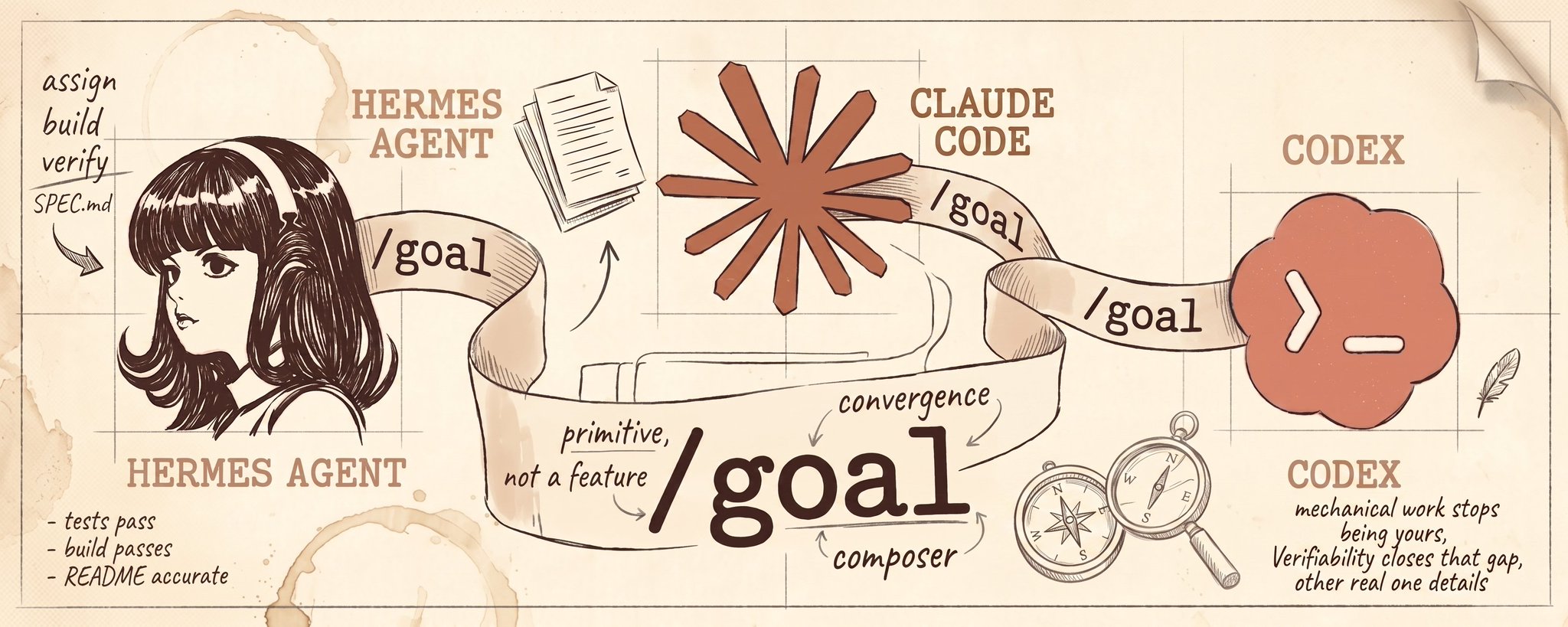
Hermes Orchestrator and Codex Builder Vision
By
–
100% this is the way. /goal with Hermes as orchestrator and Codex/Claude Code as builder that could all be tracked on a single Kanban makes it really 2028.
-
Accessing Prompts and Code for AI Workflows
By
–
get the prompts + code to do this yourself @every
: -
AI Creates Episodic Short Dramas from Prompts
By
–
🚨 Mobile-first storytelling just got a cool upgrade.
— Charly Wargnier (@DataChaz) 15 mai 2026
Drama Studio is now live on @TopviewAIhq, the world's very first AI-native episodic short drama creator.
→ You bring the story prompt
→ Topview handles casting, dialogue, voice, and editing 👀 https://t.co/nDSgtSkufHMobile-first storytelling just got a cool upgrade. Drama Studio is now live on @TopviewAIhq
, the world's very first AI-native episodic short drama creator. → You bring the story prompt
→ Topview handles casting, dialogue, voice, and editing -
Optimizing Creative Workflows with AI Skills and Prompt Structures
By
–
The sleeper feature is Skills. Build a workflow once. Reuse it forever. Prompt structures.
MV creation steps.
Character consistency rules.
First/last frame formats.
QA checks. Stop doing the same creative admin work like a human API call. -
How LLMs Process Context and Structural Prompt Signals
By
–
What does this mean for operators? The response you get is filtered. The model processes more context, weighs more variables, and forms more internal conclusions than what ends up in its output. It reads formatting cues, structural patterns, and context signals in your prompt
-
The Importance of Thoughtful Prompting in AI Interaction
By
–
What you choose to ask. The prompt is the input most people don't think hard enough about.
-
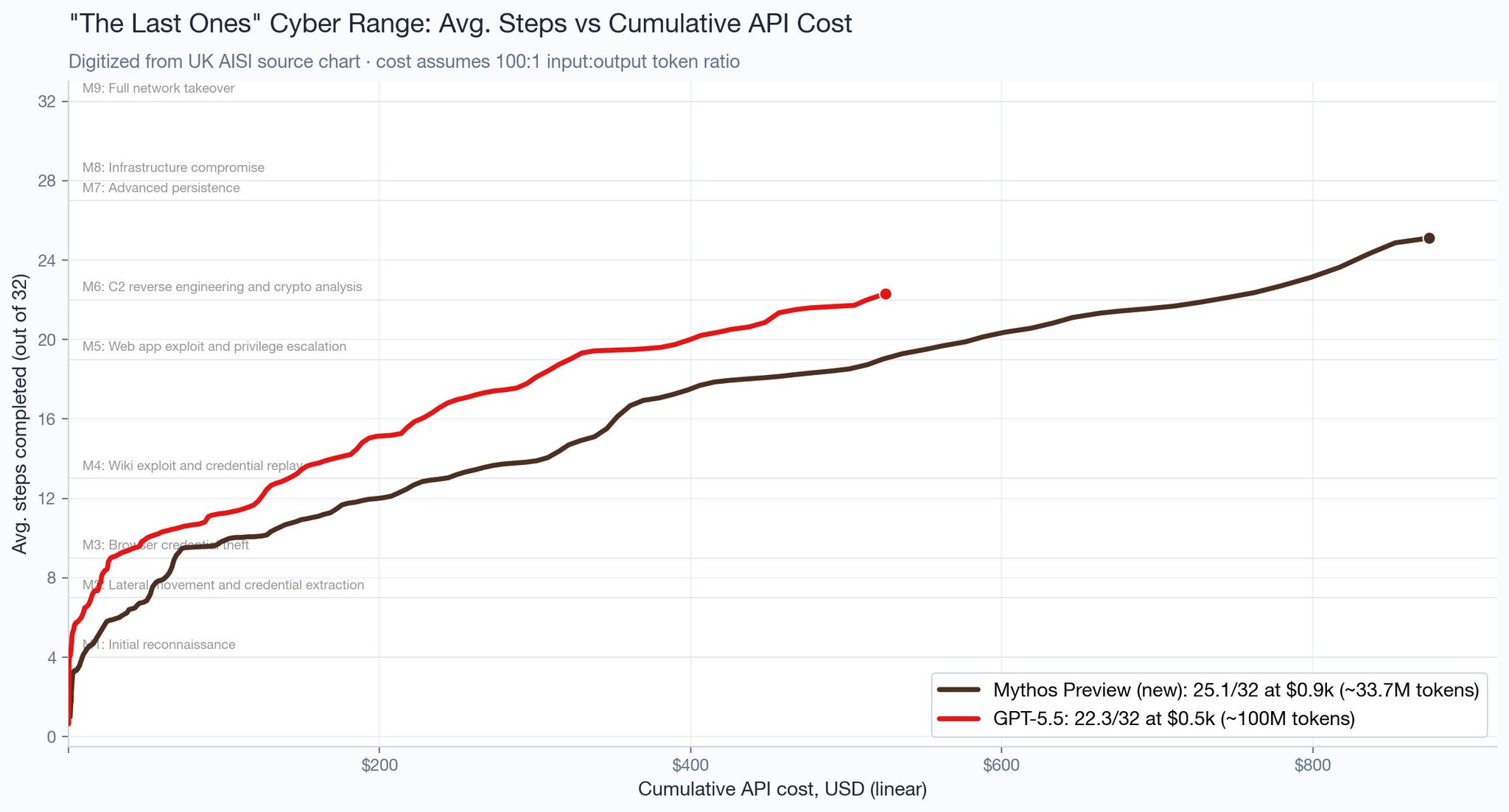
Second Scaling Law: Thinking tokens boost LLM performance without plateau
By
–
The Second Scaling Law remains undefeated. If you want better hacking (or math, or science, or crossword puzzle solving) out of an LLM, just add thinking tokens. There doesn't seem to be any plateau so far.