1. Plan-First Lock Before any feature, paste this: "Before writing any code, explore the relevant files and explain your plan for [feature]. List the files you'll change, the approach for each, and any edge cases you see. Do not write a single line until I approve the plan."
PROMPT ENGINEERING
-
Anthropic’s Claude Opus 4.8 and 7 Claude Code Prompts
By
–
Claude Opus 4.8 just dropped. Anthropic says it's 4x less likely to let flawed code slip through than 4.7.
— God of Prompt (@godofprompt) 29 mai 2026
But the model is only half of it. The other half is how you prompt it.
Here are 7 Claude Code prompts the best builders already run on repeat. Steal all 7: 👇 pic.twitter.com/bBX5KXnmCMClaude Opus 4.8 just dropped. Anthropic says it's 4x less likely to let flawed code slip through than 4.7. But the model is only half of it. The other half is how you prompt it. Here are 7 Claude Code prompts the best builders already run on repeat. Steal all 7:
-
LLM Differentiation: Context Over Model Selection
By
–
Every manufacturer uses the same LLMs. The differentiator is the context fed to those models, not the models themselves.
-
Think before you prompt: second-order prompting advice
By
–
Most prompting advice focuses on structure. Templates. Formats. Roles. Those matter. But they're surface mechanics. The real skill is what you think about BEFORE you write the prompt. Second-Order Thinking is one framework. There are dozens more from investing, military
-
Three-question prompt review to anticipate model outputs
By
–
The method is three questions. Use them before you hit send on any prompt. 1. "What's the most obvious output I'll get from this?" 2. "What happens after that output gets implemented?" 3. "What second and third-order effects should the model account for?" Add questions 2 and
-
AI models are literal first-order thinkers
By
–
AI models are first-order thinkers by default. You ask a question, they answer it. Directly. Literally. Without considering what happens next. That's not a flaw. That's how they work. The model responds to exactly what you give it. So if your prompt doesn't include the second
-
Ask the follow-up: improve generic AI outputs
By
–
"Why does my AI output sound so generic?" Because you're prompting at the surface. You ask for a strategy, AI gives you one, you move on. You never ask "and then what happens?" That one missing question separates average AI work from exceptional. And it has a name.
-
OpenClaw: the layer giving superpowers to Codex/Claude
By
–
Your mental map is off. openclaw is the layer that gives codex/claude superpowers. It can *use* codex/claude and others.
-

Claude roleplays an economist and self-evaluates a paper
By
–
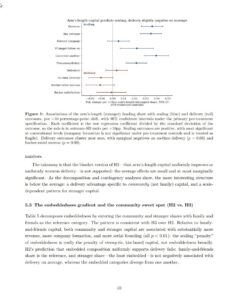
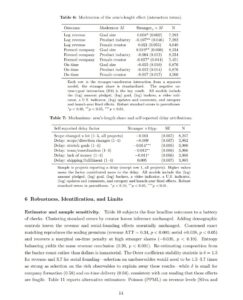
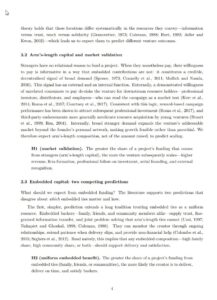
Claude really can roleplay an economist. I love this little comment Claude made after some robustness checks on the paper it wrote: "On a 1–10 identification scale, I'd now put the paper at about 4.5 — better than the 3.5 I'd have given before these tests, but well short of
-
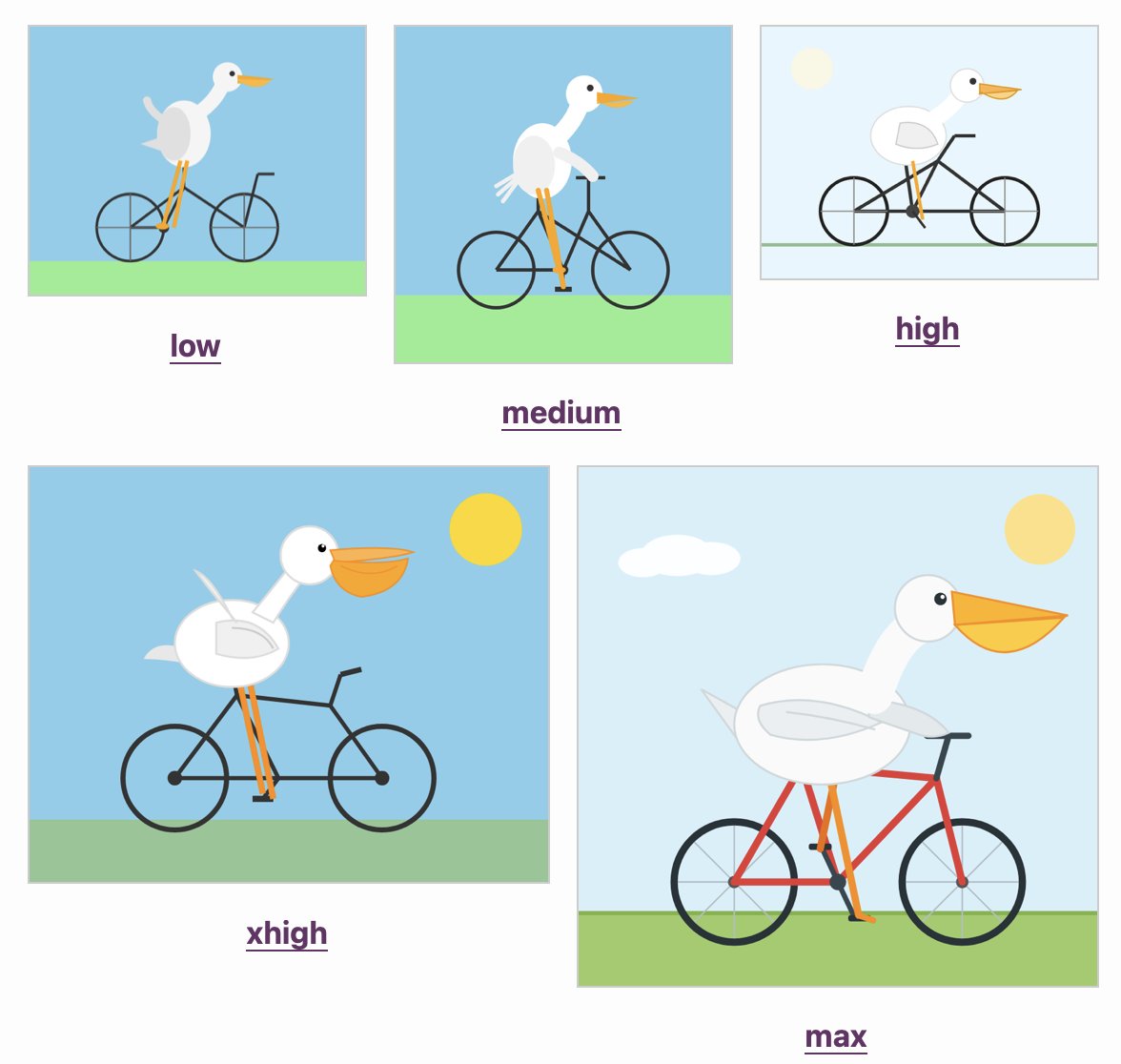
Notes on Claude Opus 4.8 and pelicans on bicycles for five reflections
By
–
Notes on Claude Opus 4.8, plus pelicans riding bicycles for each of the five different reflection efforts
https://
simonwillison.net/2026/May/28/cl
aude-opus-4-8/
…