Heading to @NeurIPSConf 2025? Cerebras is co-hosting the 8th Neural Scaling Workshop at NeurIPS 2025 with @mbzuai
, @Mila_Quebec and CERC-AAI Lab. Join us: https://
luma.com/gy51vuqd
MACHINE LEARNING
-
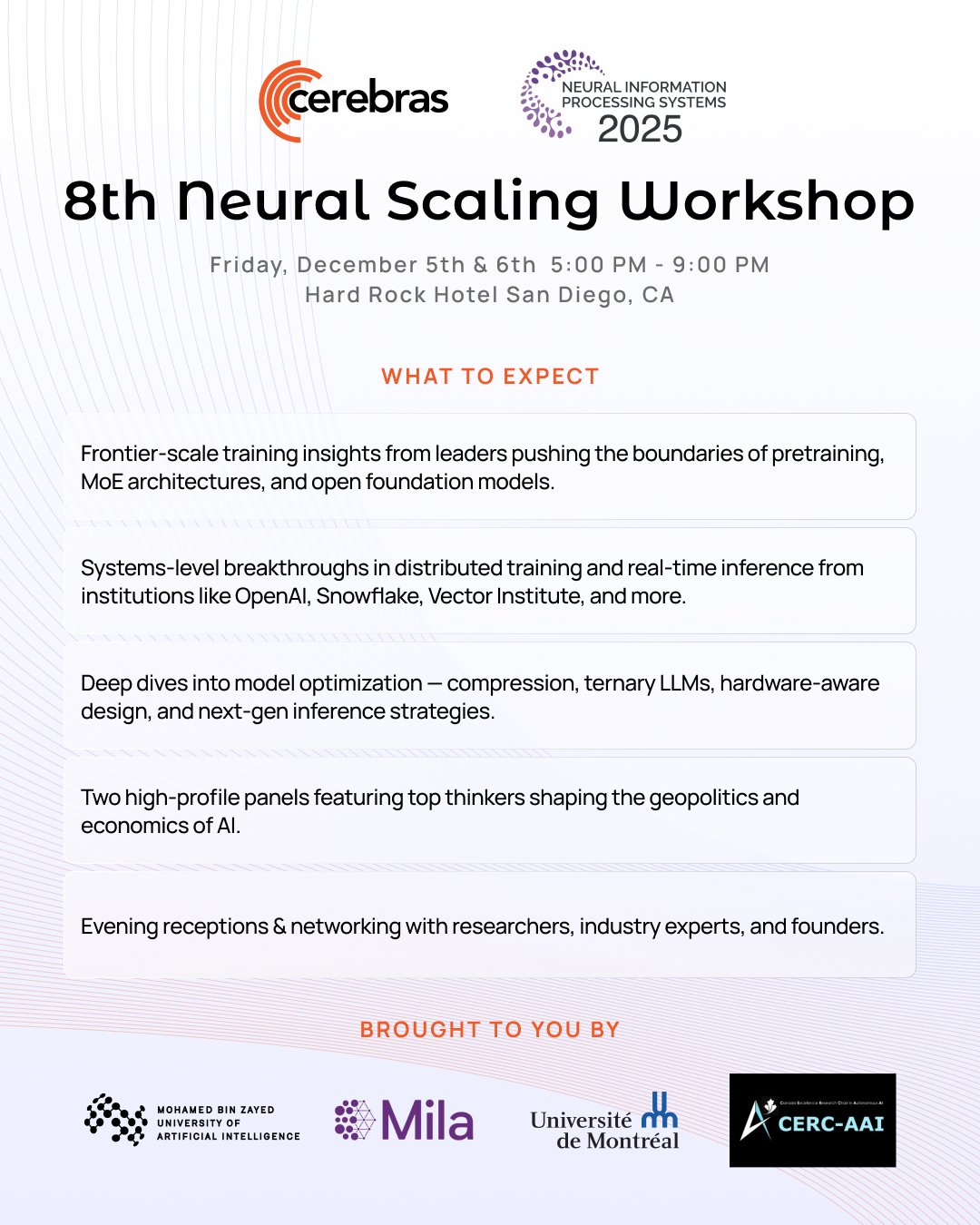
Cerebras Co-hosts 8th Neural Scaling Workshop at NeurIPS 2025
By
–
-
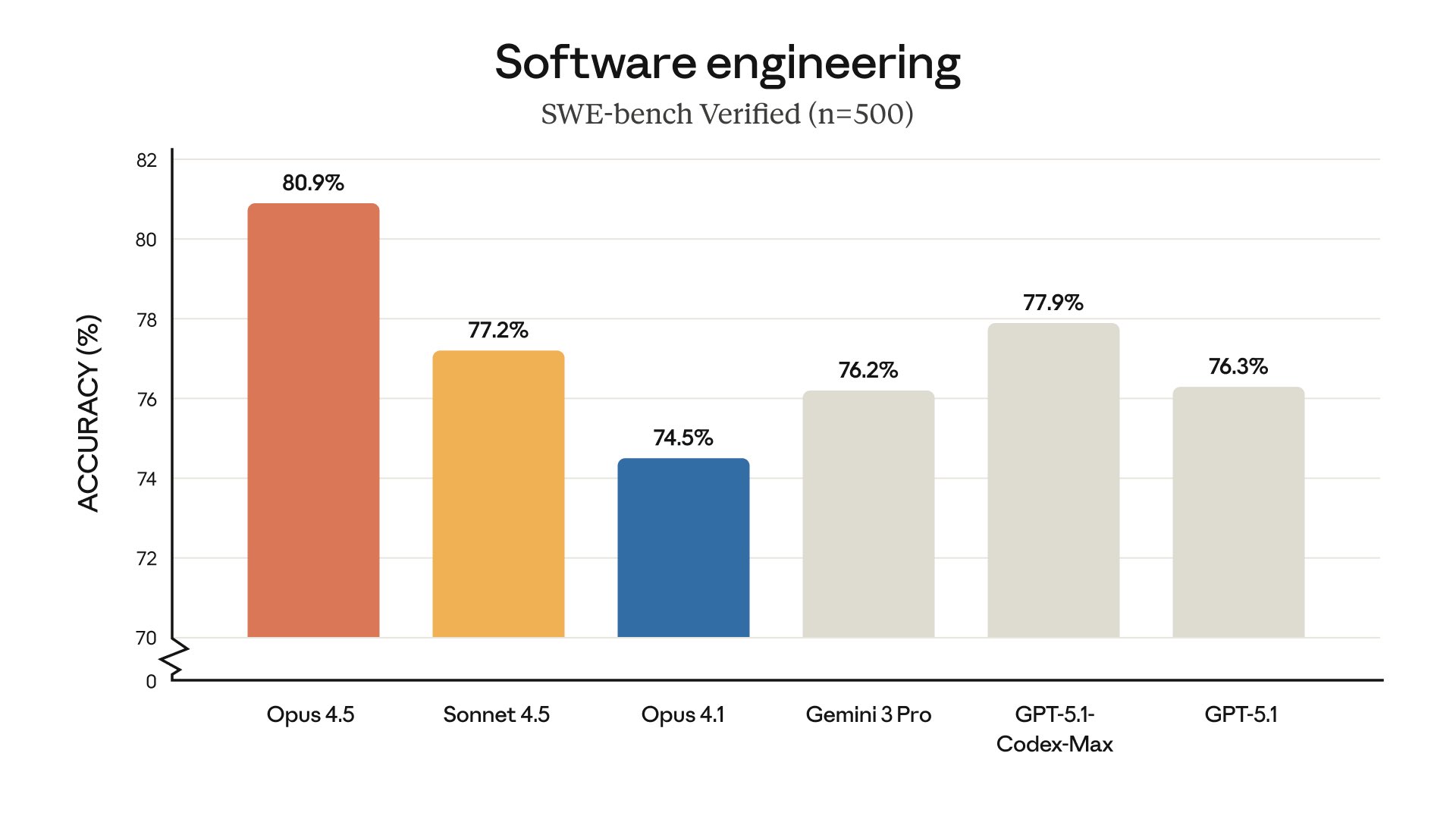
Anthropic releases Claude Opus 4.5 scoring 80.9% on SWE bench
By
–
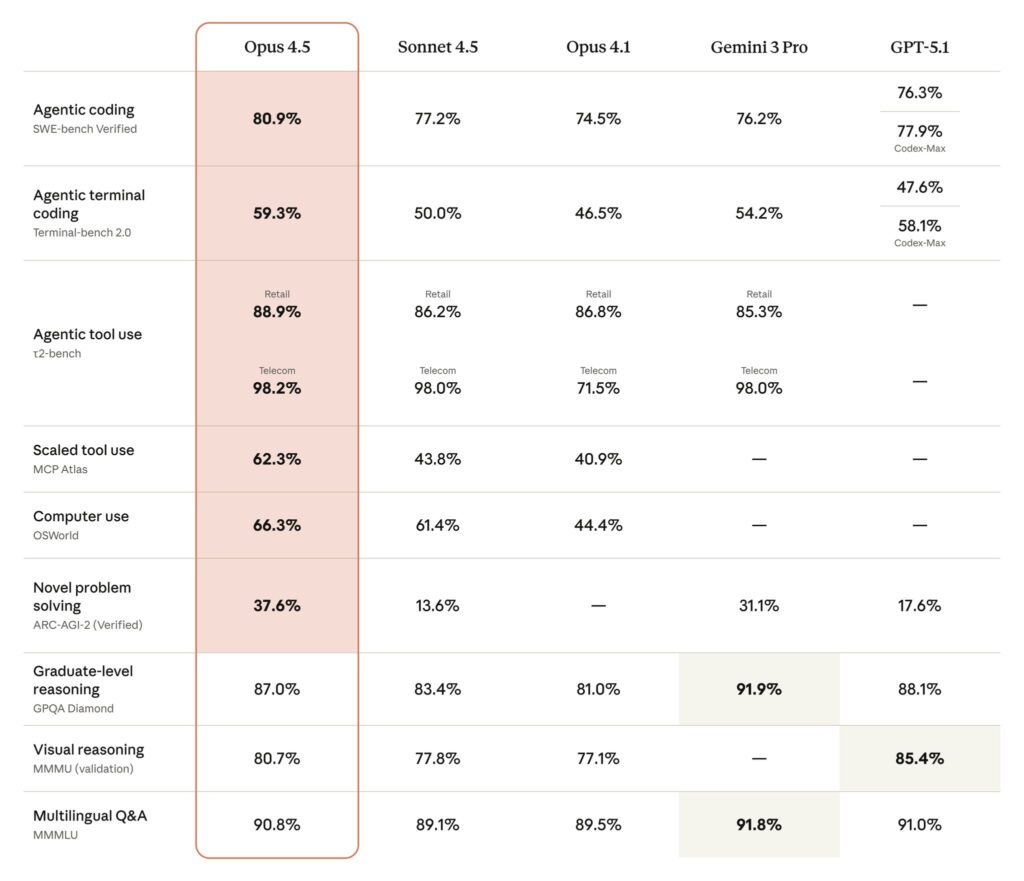
BREAKING : Anthropic released Claude Opus 4.5 and it scores 80.9% on SWE bench verified! Where is the wall?
-
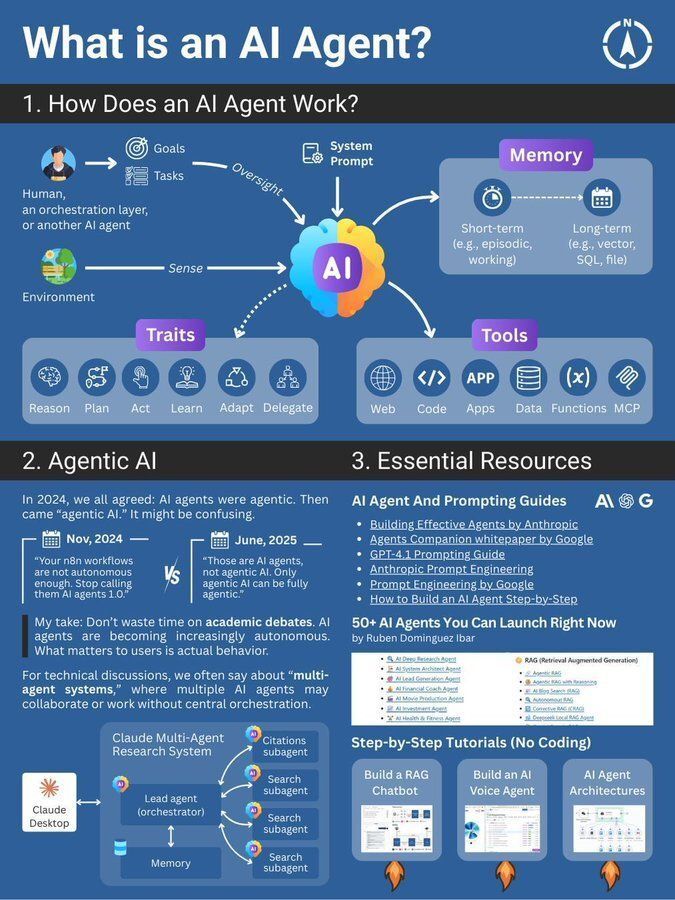
AI Agents: Goal-Driven Systems Beyond Chatbots
By
–
AI Agents aren’t just chatbots. They’re goal-driven systems that sense → reason → plan → act → learn. Key building blocks:
• Goals + tasks
• System prompt + oversight
• Memory (short + long term)
• Tools (web, code, apps, data, functions) The real shift: AI moving from -
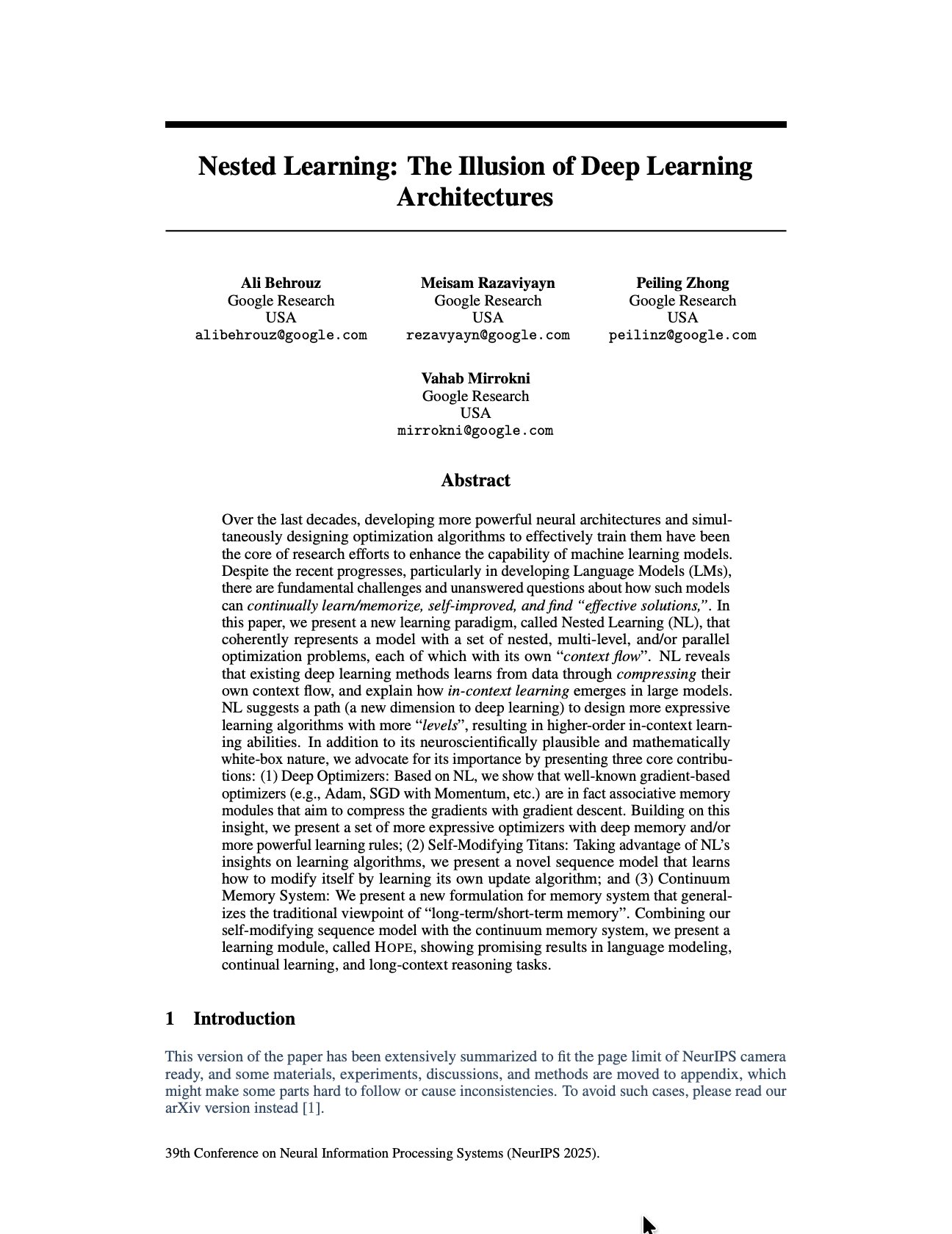
Nested Learning: The Illusion of Deep Learning Architectures
By
–
Nested Learning: The Illusion of Deep Learning Architectures Behrouz et al.: https://
openreview.net/forum?id=nbMeR
vNb7A
… #ArtificialIntelligence #DeepLearning #MachineLearning -
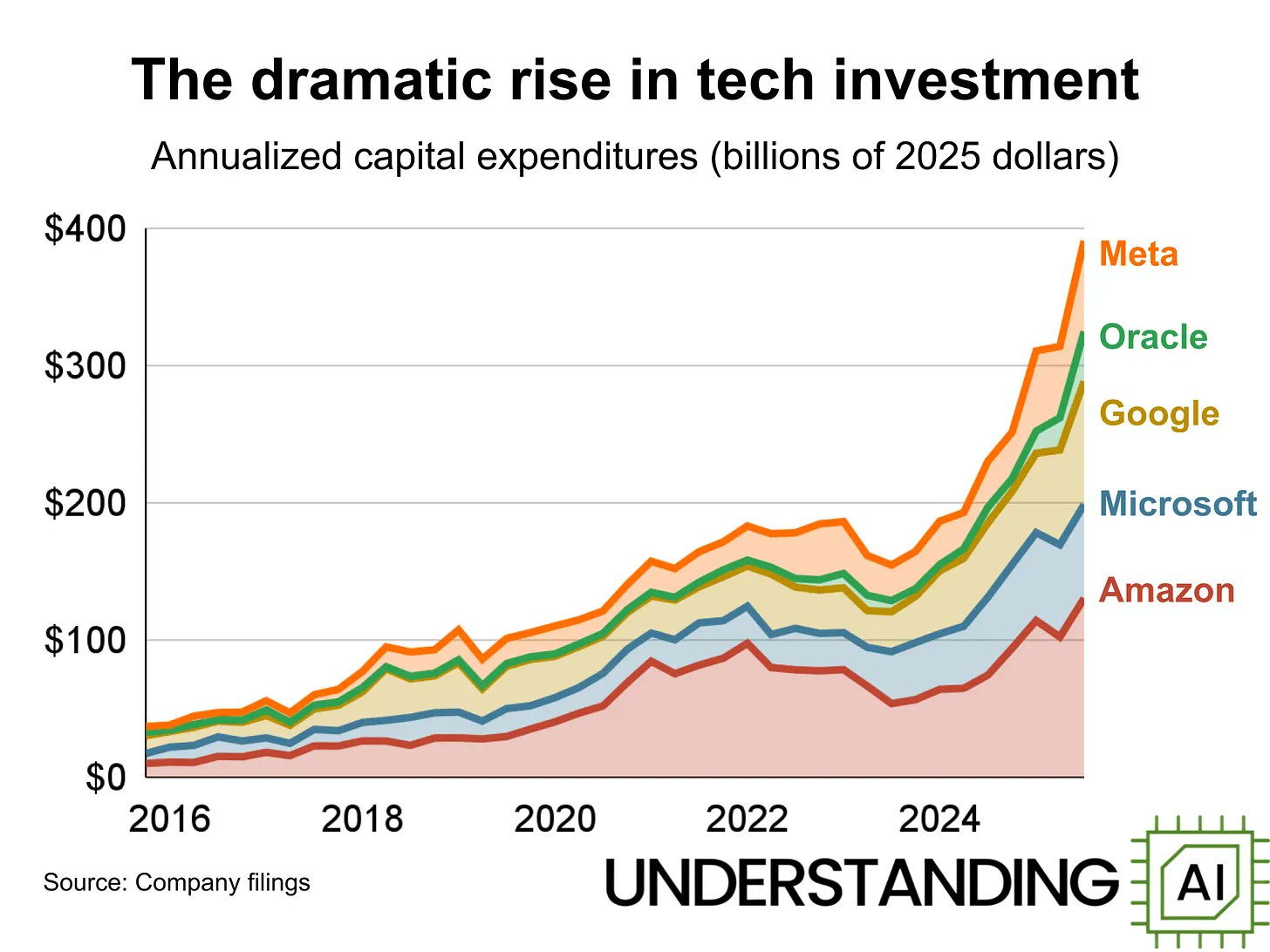
The AI boom explained through 16 comprehensive charts
By
–
The AI boom, as explained in 16 charts: https://
bit.ly/4oNR8fE -

Data Avalanche: Combining Model-Free and Model-Based Methods for Robot Tasks
By
–
Data Flywheel -> Data Avalanche: Thx to Leslie Kaebling and @Pulkitology Agrawal for suggesting "avalanche" as a better metaphor than "flywheel" for combining model-free + model-based methods to bootstrap a specific robot task to bootstrap & amplify on-policy data collection.
-

24 Simultaneous YOLO Streams on Single Edge AI Card
By
–
24 simultaneous #YOLO streams on a single #edgeAI card. That's possible, today. Independent testing shows 875 FPS on YOLOv8 whilst using less than 1 Joule per frame. Proper edge AI performance for multi-camera retail and security systems. Details: https://
eu1.hubs.ly/H0pXdz00 -
Softmax in Base 2: Fixed Point Hardware Optimization
By
–
I wonder if doing softmax in base 2 instead of base e could be a useful optimization on some fixed point hardware. Prepend a 1 to the fractional part and shift left by the integral part as a close-ish approximation of 2^fixed_point.
-
Explaining the Internal Reasoning Mechanism of AI Models
By
–
here’s what actually happens inside:
the model maintains three things: • x = the question
• y = current answer
• z = reasoning state (like internal scratch work) each cycle: update z based on x, y, and previous z. then update y based on the new z. think of solving a Sudoku.