Introduction to Deep Learning
MIT Course 6.S191
Alexander Amini and Ava Soleimany Introductory course on deep learning methods and practical experience using TensorFlow. Covers applications for computer vision, natural language processing, and more. http://
introtodeeplearning.com
MACHINE LEARNING
-

MIT Deep Learning Course with TensorFlow and Practical Applications
By
–
-

MERT: Self-Supervised Acoustic Music Understanding Model
By
–
6/ MERT – an acoustic music understanding model with large-scale self-supervised training; it incorporates a superior combination of teacher models to outperform conventional speech and audio approaches.
-
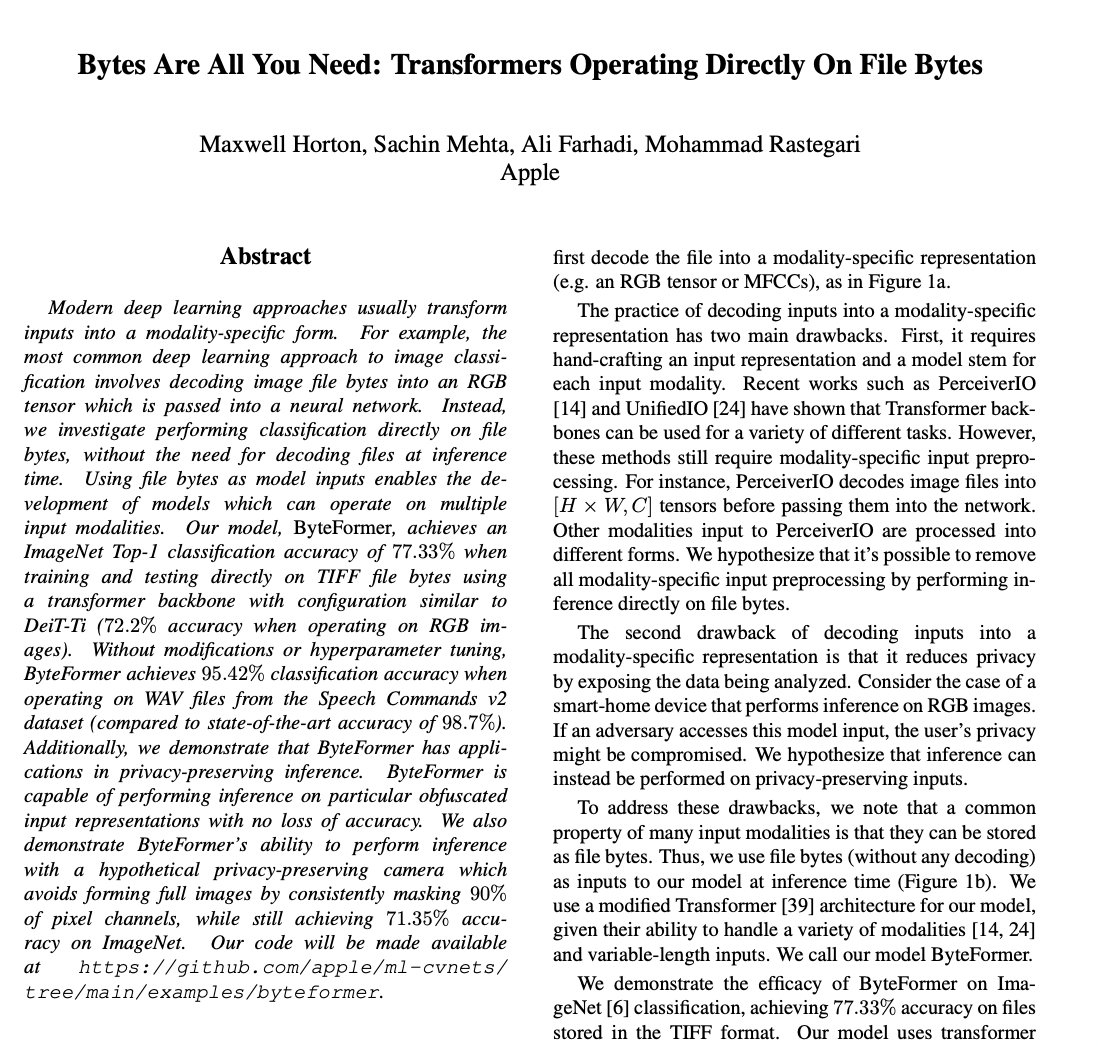
Bytes Are All You Need: Direct File Classification with Transformers
By
–
7/ Bytes Are All You Need – investigates performing classification directly on file bytes, without needing to decode files at inference time; achieves ImageNet Top-1 accuracy of 77.33% using a transformer backbone;
-
Direct Preference Optimization: Training LLMs Without RLHF
By
–
8/ Direct Preference Optimization – while helpful to train safe & useful LLMs, RLHF can be complex and often unstable; this work proposes an approach to finetune LMs by solving a classification problem on the human preferences data, with no RL required.https://t.co/DZ0GSarfuT
— DAIR.AI (@dair_ai) 4 juin 20238/ Direct Preference Optimization – while helpful to train safe & useful LLMs, RLHF can be complex and often unstable; this work proposes an approach to finetune LMs by solving a classification problem on the human preferences data, with no RL required.
-
Thought Cloning: Learning to Think While Acting
By
–
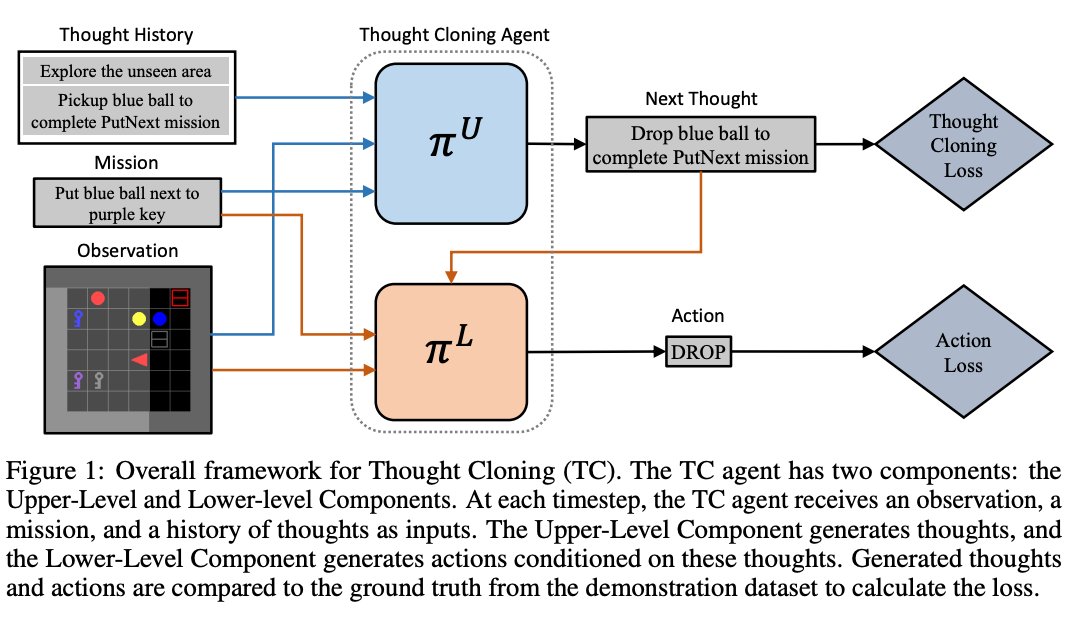
4/ Thought Cloning – introduces an imitation learning framework to learn to think while acting; the idea is not only to clone the behaviors of human demonstrators but also the thoughts humans have when performing behaviors.
-
Memory-Efficient Fine-Tuning Large Language Models
By
–
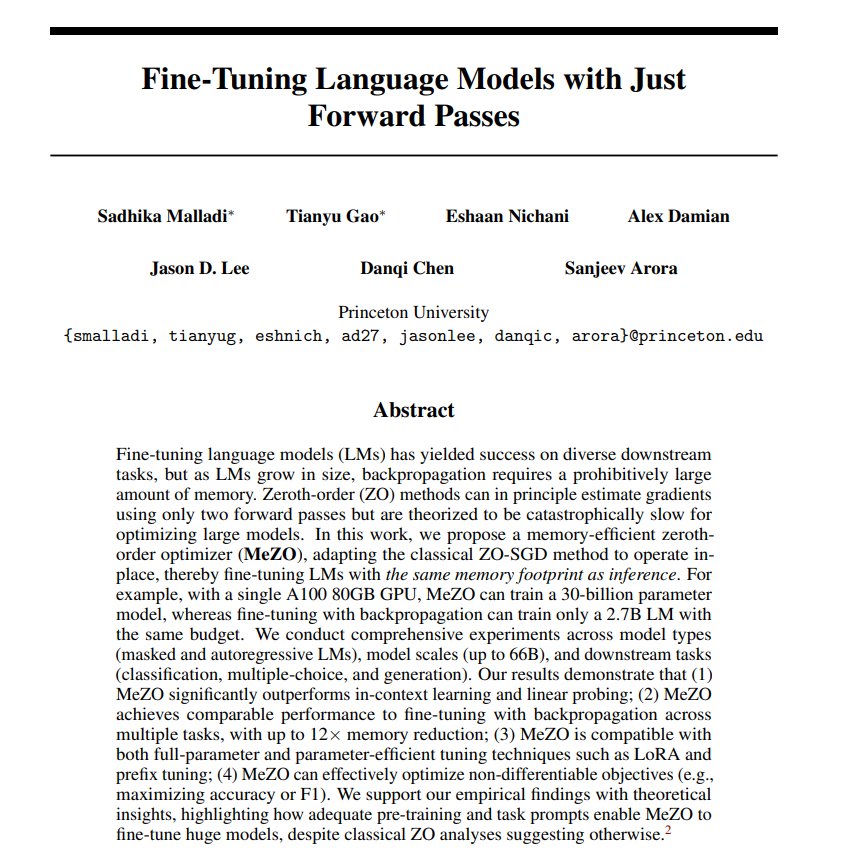
5/ Fine-Tuning Language Models with Just Forward Passes – proposes a memory-efficient zeroth-order optimizer and a corresponding SGD algorithm to finetune large LMs with the same memory footprint as inference.
-

Turing Test Results: Bots Fooling Humans 40% of the Time
By
–
turing test results: in 2m conversations, people speaking to a bot thought it was a human 40% of the time. impressive, but a long way to go https://
ai21.com/blog/human-or-
not-results
… -
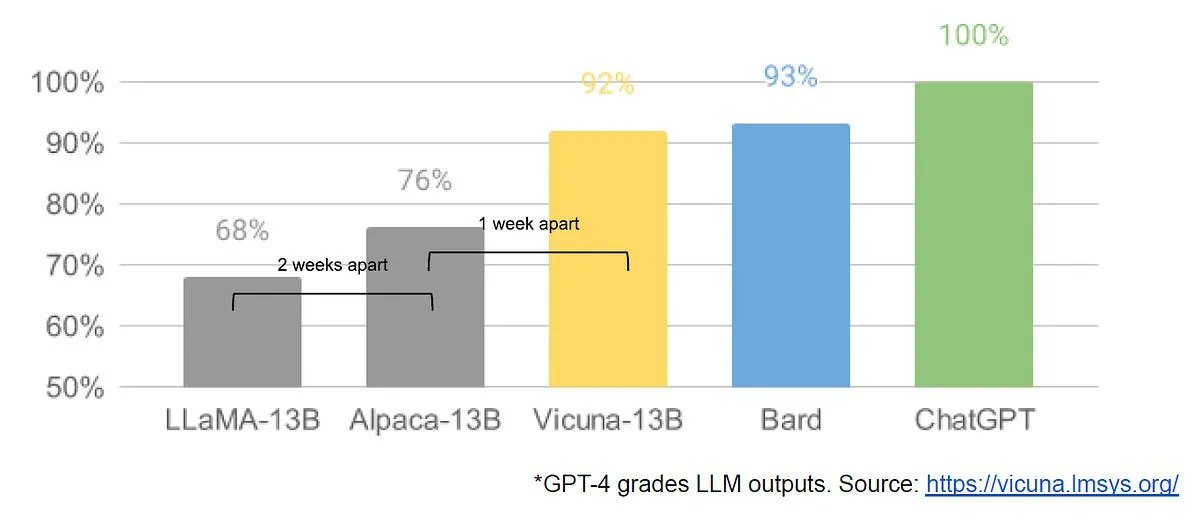
Google and OpenAI lack competitive advantages in AI
By
–
Google "We Have No Moat, And Neither Does OpenAI" https://
bit.ly/42Jwbr7.
#AI #MachineLearning #DeepLearning #LLMs #DataScience -

Planetary Forensics Visualizes Historic Drought Using AI Technology
By
–
Using planetary forensics to visualize historic drought in t… https://
bit.ly/3MHTYmf
#AI #MachineLearning #DeepLearning #LLMs #DataScience -
Machine Learning Bugs as Learning Opportunities for Improvement
By
–
In machine learning, each bug is a gift. Once discovered, each idea that "didn't work" before has a chance of working; behavior that was difficult to understand may become obvious. Overall, a bugfix is a moment to re-examine what we thought we knew, for the better.