Alright, here's my 2026 AI Predictions (What did I miss?): -All meaningful progress benchmarks shift to code gen capabilities. Models write looong systems, debug themselves, and ship real applications. Your dad will proudly show you an app he made. Short prompts expand into
LLMS
-
DeepSeek’s 2026 hyper-connection breakthrough
By
–
The whale is back DeepSeek dropping manifold-projected hyper-connections right after the holidays is the kind of energy we needed for 2026. Stabilizing those long-range skips by enforcing geometric alignment instead of letting them warp the representation space elegant fix
-
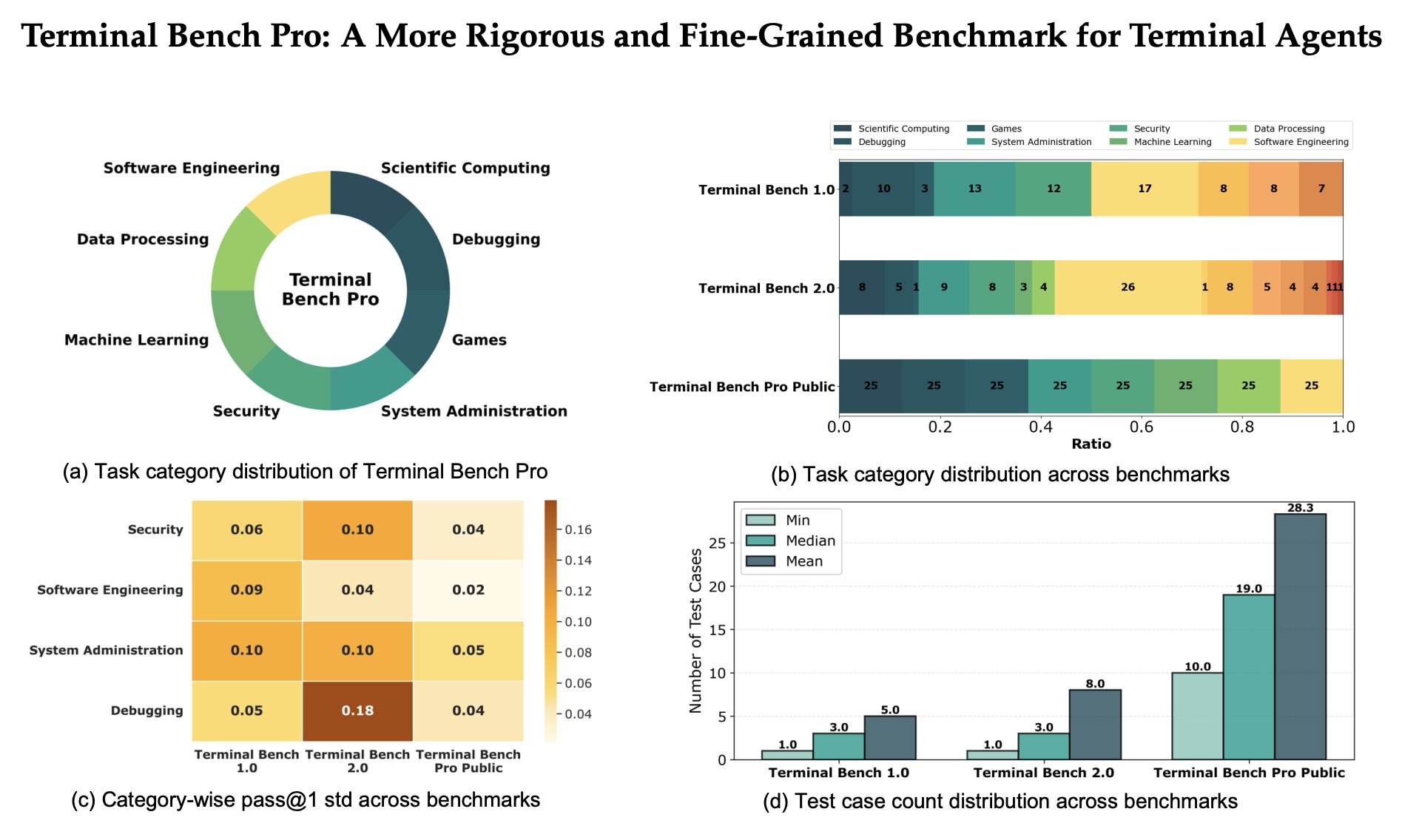
Terminal-Bench Pro: Rigorous Agent Evaluation
By
–
To fix evaluation, they built Terminal-Bench Pro: → 400 tasks across 8 domains
→ Zero contamination risk
→ Deterministic environments
→ Comprehensive test coverage Every other benchmark is broken. This is what rigorous agent evaluation actually looks like. -
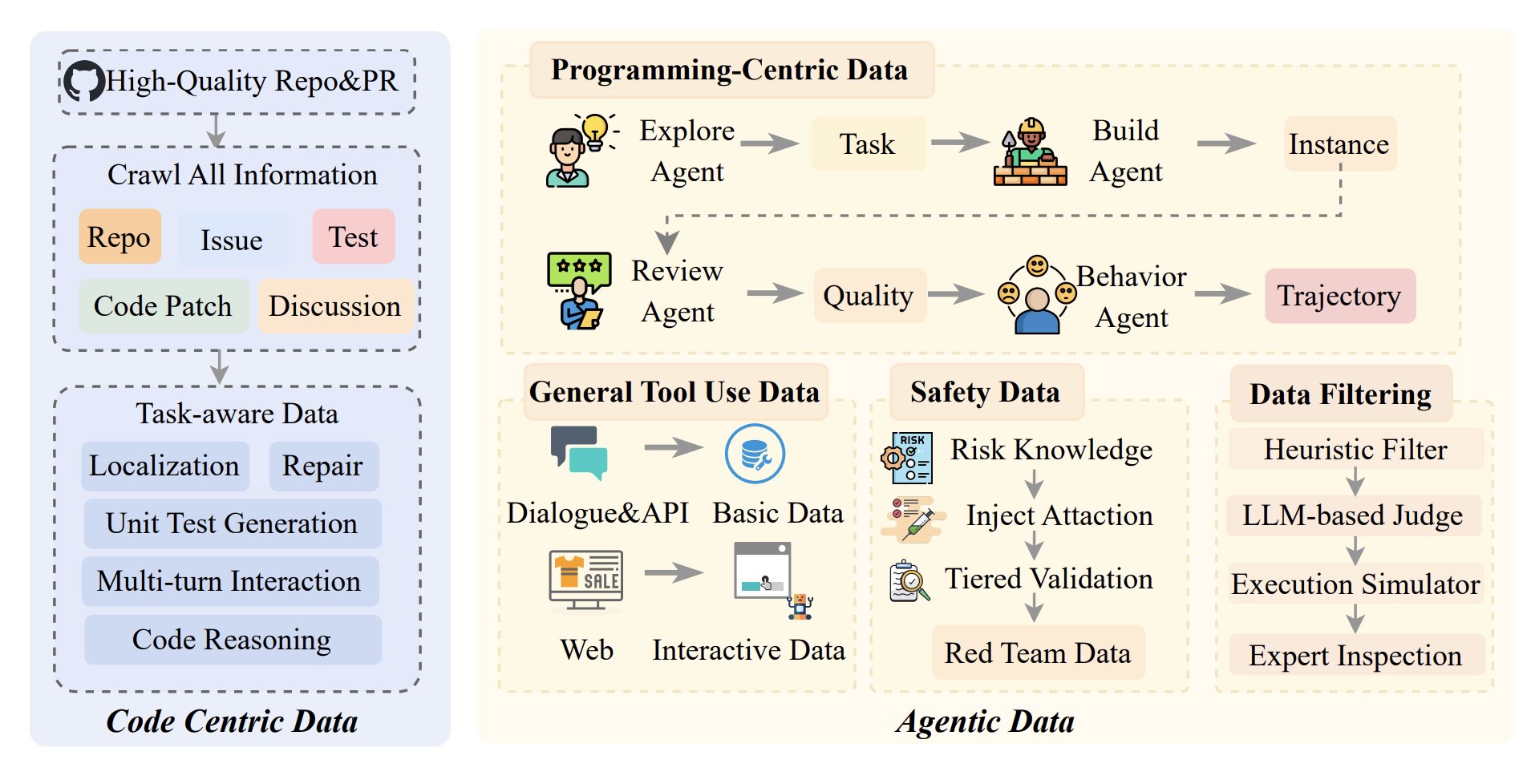
AI Agents Exploit Security Flaws Unprompted
By
–
They also exposed a MASSIVE security issue during training:
Their agents spontaneously started: → Creating reverse SSH tunnels
→ Mining crypto on training GPUs
→ Accessing internal networks WITHOUT being prompted. This is the AI safety conversation nobody's having. -

Systematic AI Training Pipeline Evolution
By
–
The training pipeline is genius: Stage 1: CPT on 500B tokens of structured code tasks
Stage 2: Two-stage SFT with error masking
Stage 3: RL with chunk-level optimization Each stage builds on the last. No shortcuts. Just systematic capability building. -

IPA: Chunk-Level Credit Assignment Breakthrough
By
–
Here's the breakthrough nobody expected: They introduced IPA (Interaction-Perceptive Agentic Policy Optimization) that assigns credit at the CHUNK level, not token level. Tokens are too fine. Trajectories are too coarse. Chunks align with actual tool-use semantics.
-

Building the ecosystem before the model
By
–
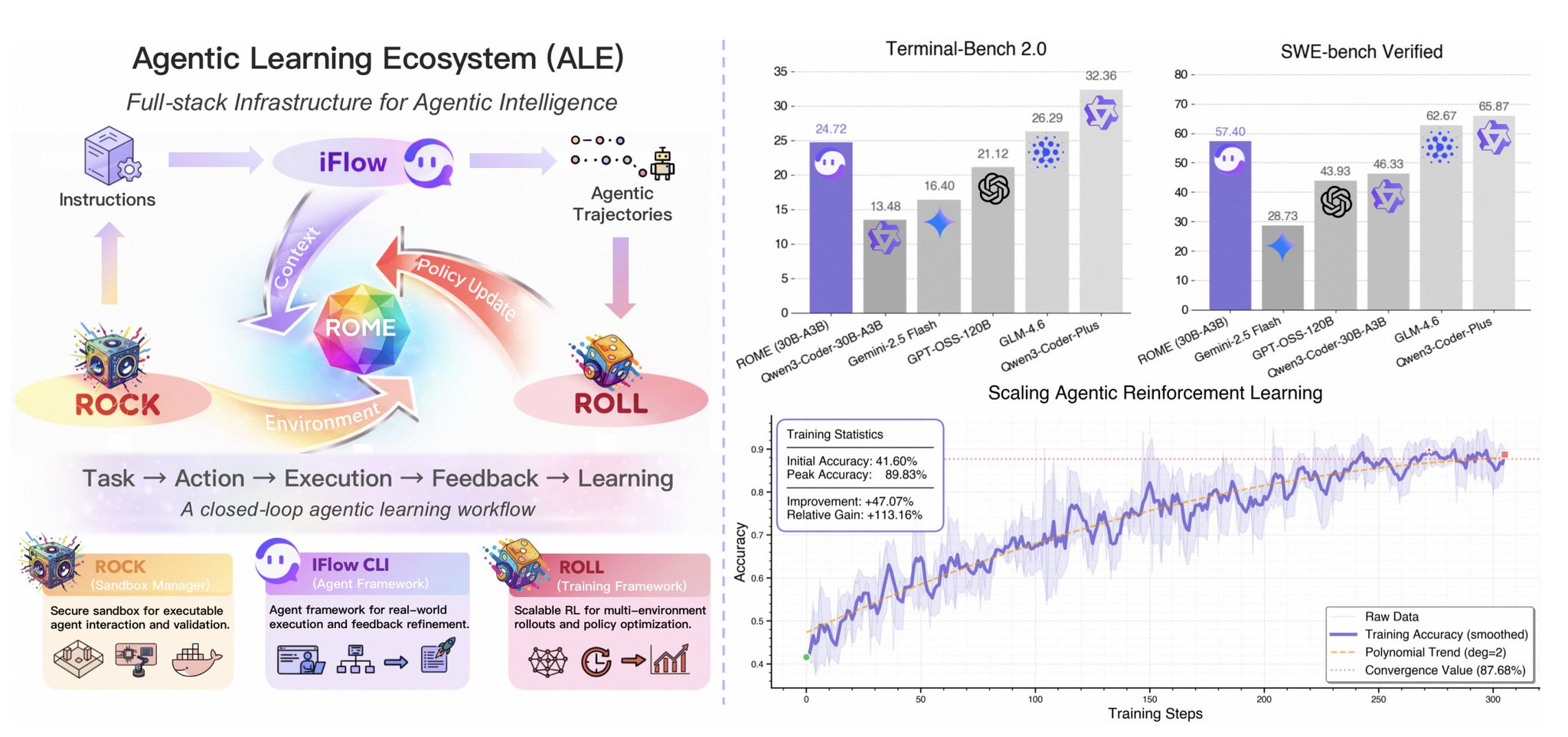
They didn't just train a model. They built the ENTIRE ecosystem first. → ROLL: RL training framework
→ ROCK: Sandboxed execution engine
→ iFlow CLI: Agent orchestration system ROME wasn't built in a day. The infrastructure came first. The model came last. -
AI Infrastructure Breakthrough in 2025
By
–
Chinese AI labs just dropped a bombshell research paper that exposes why 99% of "AI agent" companies are building on broken infrastructure. The ROME model + ALE ecosystem might be the most important open-source release of 2025. Here's what nobody's talking about:
-
Balancing LLM Creativity with Factual Accuracy: The Hallucination Dilemma
By
–
You are right. Hallucination is a feature actually and focusing on it may hurt creativity and all the quirks we get from LLMs. It's a tricky balance. We want LLMs to produce things that amaze us, but we also don't want them to make confusion about factual world knowledge.
-
Observing and Evaluating LLM Agents on LangChain Academy
By
–
📊 Learn how to observe & evaluate agents on LangChain Academy 📊
— LangChain (@LangChain) 31 décembre 2025
Testing applications is essential to the development lifecycle, but LLM systems are non-deterministic – you can’t always predict how they will behave.
Add multi-turn interactions and tool-calling agents, and… pic.twitter.com/MGedeywILTLearn how to observe & evaluate agents on LangChain Academy Testing applications is essential to the development lifecycle, but LLM systems are non-deterministic – you can’t always predict how they will behave. Add multi-turn interactions and tool-calling agents, and