
Another eventful week in AI: here are the top stories you should know about from the past week
GENERATIVE AI
-
Roblox AI: Generative Objects, Procedural Placement, and LLM Scene Coding
By
–
Roblox on web with the latest object and scene generations + procedural placement engine would be pretty dope. Of cos LLM for vibe coding interactivity and manipulating the scene graph.
-
Synthetic Data Translation: Tool-Calling LLMs Over Language Retraining
By
–
If you can just trivially create synthetic data from one language to the other, then that's not a new concept of a programming language, just a remapping. No need to retrain the LLM, just use a tool-calling LLM.
-
GPT 5 Pro Thinking Traces: Patterns and Usefulness Analysis
By
–
OK, let me see. How GPT 5 Pro shows its thinking traces is interesting. I am working through how useful they are and what patterns they follow. นี่เป็นภาษาไทยเพราะเหตุผลบางอย่าง. I am considering whether anyone is going to get the joke.
-
LLM Knowledge Assessment for College Exams
By
–
This should somehow make it into college exams to check whether you pass the LLMs 101 class
-
Pre-training and Fine-tuning Share Same Function in LLM Book
By
–
Fun fact: In my Build A Large Language Model From Scratch book, I reused the pre-training function for the supervised instruction fine-tuning chapter to show this as clearly/intuitively as possible. Only the dataset (structure) changes.
-
Machine Code as Universal Programming Standard: LLM Capabilities
By
–
Hm, if we assume that all programming languages ultimately run machine code, then we already have that scenario where things are standardized. You have Python on the one end, Assembly on the other hand. You could ask LLMs to write machine code today, but it won’t be as good as
-
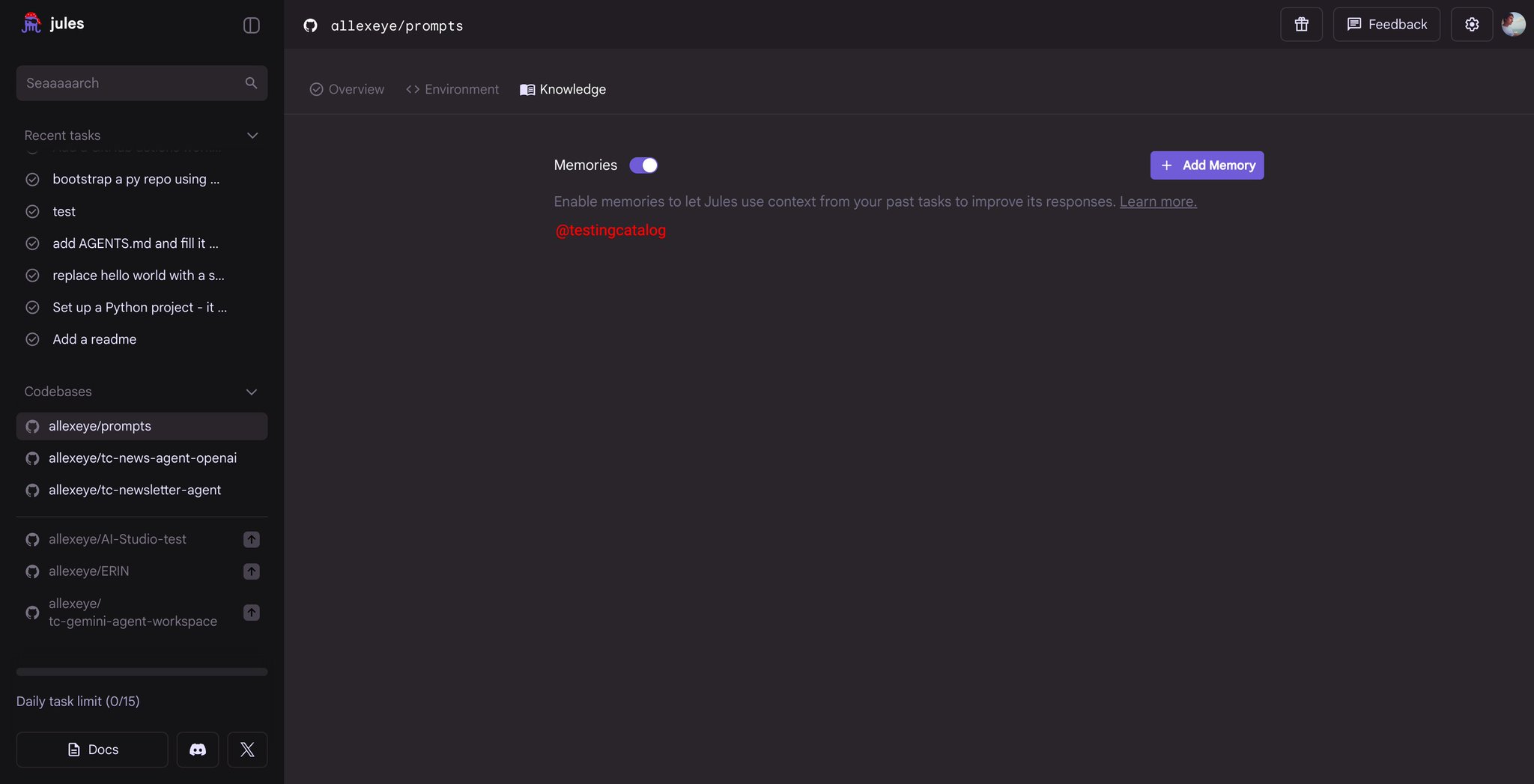
Jules by Google to get Memory feature soon
By
–
Jules by Google is about to get Memory soon! As well as a new file selector in the prompt composer. "Enable memories to let Jules use context from your past tasks to improve its responses"
-
Creating Concise Languages That Map to Popular Targets
By
–
The best you can do for now is create a less verbose language that maps onto a widely used target language. You can then generate paired training examples programmatically so the LLM learns to operate with fewer tokens. (Congratulations, you also just reinvented Triton.)