Notes and pelicans for today's GPT-5.4 mini and nano releases – the nano model looks like it could describe every image in my 76,000 photo library for $52 total
ECONOMY
-
High Demand Pricing Strategy: OpenAI and Google Market Dynamics
By
–
I think we are at a point where demand is so high that lowering /holding prices just doesn't make sense – same for Google too. If prices are too low, they wouldn't even be able to serve it
-
Maps Platform Business Model: Competition and Pricing Challenges
By
–
i sure hope so! it's an absolute lay up, but i could also see it being tricky since the maps platform biz is quite the money maker and this could undercut those prices
-
AI Education Market Booms: 85% Teachers, 86% Students Adopt
By
–
85% of teachers and 86% of students used AI in the last school year. The global AI education market will exceed $112 billion by 2034 — up from $7.5B in 2025. Personalised learning at scale isn't a future experiment. It's already in the classroom. #digitalization
→ View original post on X — @svenphilipsen, 2026-03-17 18:00 UTC
-

Economic Concentration in Tech: Political Power Risks
By
–
That creates a genuine risk of greater concentration: larger firms, less local autonomy. In addition, concentration of economic power often translates into concentration of political power.
-
How AI Transforms Hayek’s Dispersed Knowledge Economics
By
–
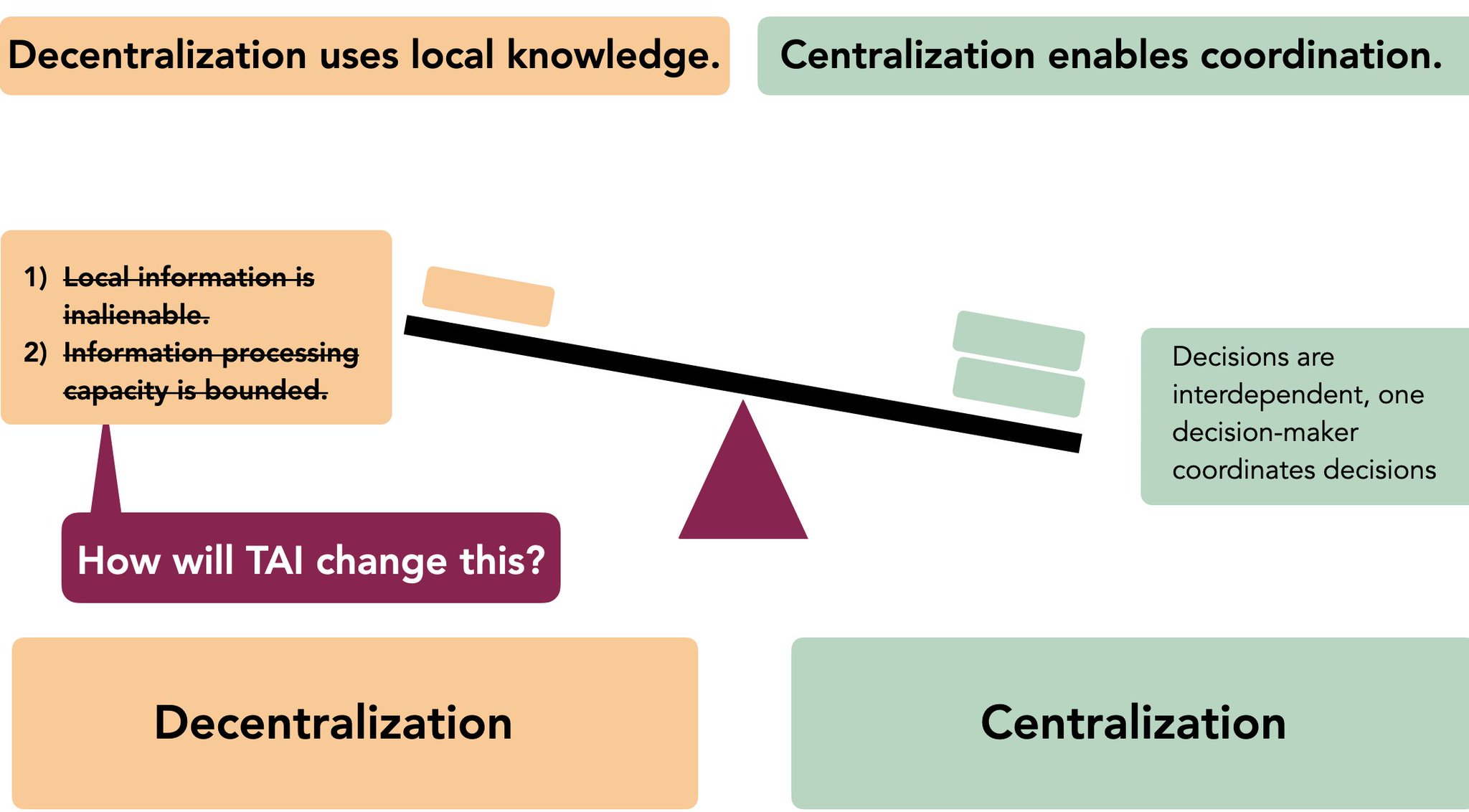
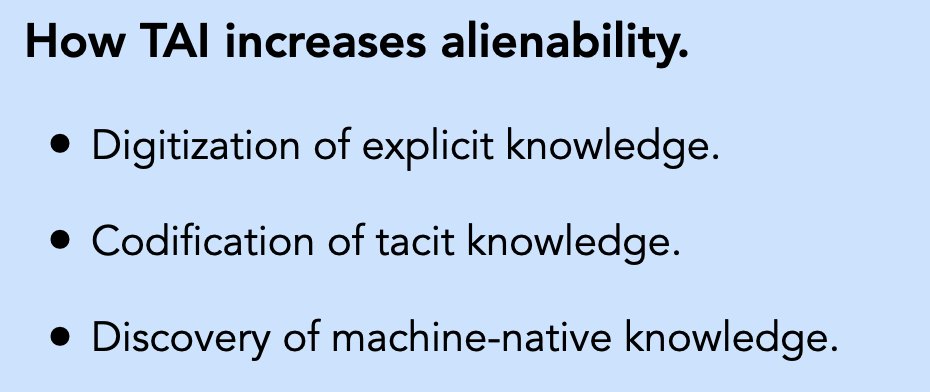
Hayek’s classic insight was that much economically relevant knowledge is dispersed, local, and often tacit. That is one reason decentralized markets have historically outperformed central planning. But AI can change those “knowledge physics” by making more of that knowledge
-
Transformative AI Centralizes Decision-Making Power and Embedded Knowledge
By
–
Our argument focuses on the potential of transformative AI (TAI) to codify judgment, heuristics, and know-how that once stayed embedded in people, teams, and local settings. TAI can shift decision-making toward whoever controls the models, data, and compute.
-
AI May Drive Extreme Economic and Political Concentration Risk
By
–
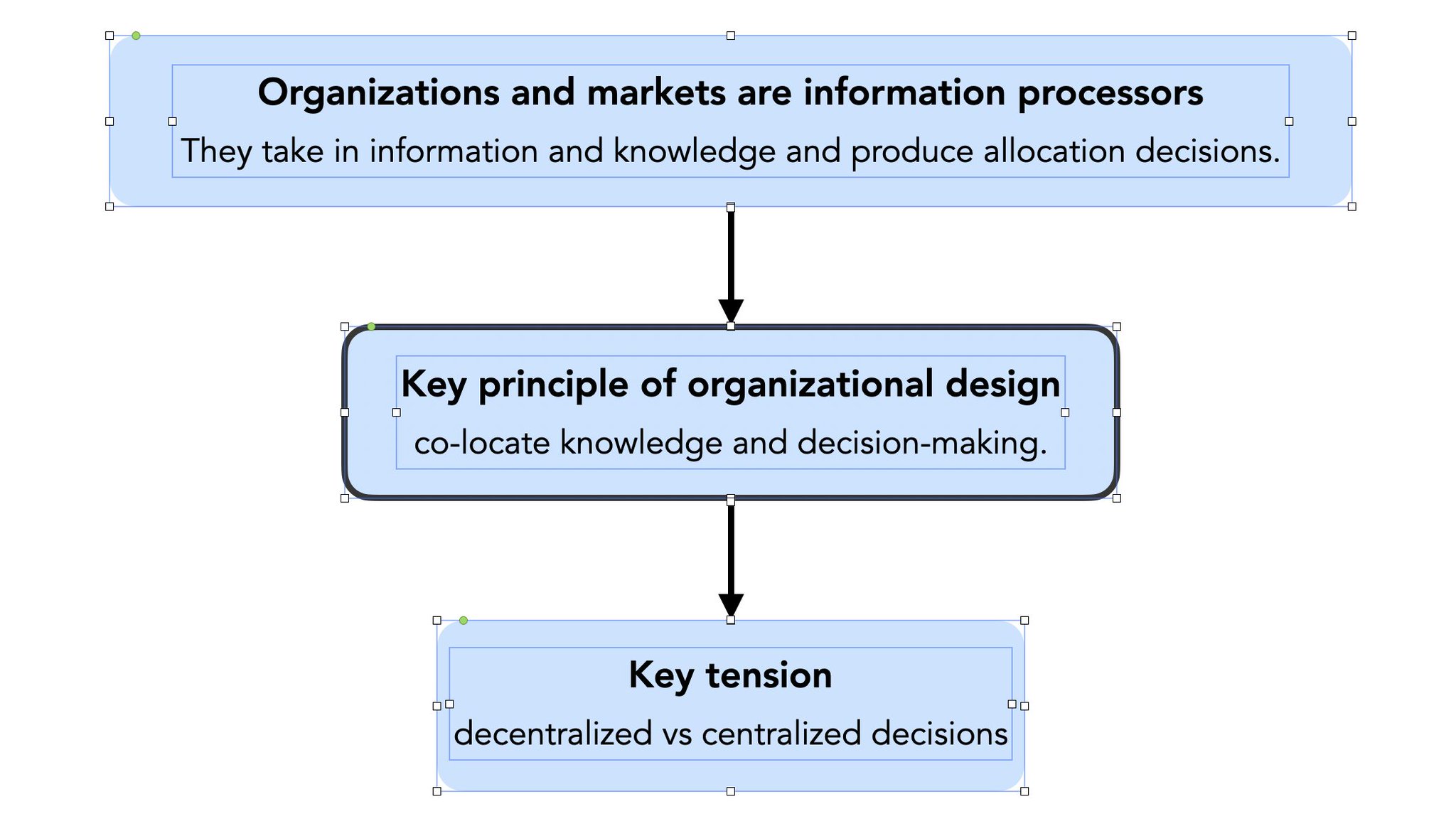
The @nytimes piece today by @ByrneEdsal13590 highlights a concern I share: “If we stay on the current path, the risk of extreme concentration — both economic and political — is very real.” In work with @zhitzig
, we ask why AI may shift the balance between dispersed knowledge -
Britain needs cheap electricity for AI sovereignty and economic growth
By
–
If AI is to be at the heart of any credible economic plan for Britain, energy policy must be rebuilt from the ground up.
— Nina Schick (@NinaDSchick) 17 mars 2026
There is no AI sovereignty (and no national sovereignty) without cheap, abundant electricity.
Here is what @RachelReevesMP should do:
1. Revive North Sea… https://t.co/htcHARdnUyIf AI is to be at the heart of any credible economic plan for Britain, energy policy must be rebuilt from the ground up.
There is no AI sovereignty (and no national sovereignty) without cheap, abundant electricity. Here is what @RachelReevesMP should do: 1. Revive North Sea -
AI Infrastructure Economy: Chips, Cloud, and Data Centers
By
–
The new AI infrastructure economy. @IrenaCronin and I write this newsletter every week. AI is becoming less of a consumer software story and more of an infrastructure race centered on chips, cloud capacity, power, and data centers. The main idea is that the biggest winners in